10 Predictions For The Future Of Comics

Don't like crossover events? Bad news...
Now more than ever is an excellent time to be a comics reader. The medium has never been so widely accepted as a legitimate form of literature and entertainment by the mainstream, the business side is the healthiest it's been in the past twenty years, and the titles themselves have reached a level of diversity where there's something for (almost) everyone. This seems like something of a zenith for comics, another peak the likes of which haven't been seen since the critical and commercial Golden Age of the forties. It's gotten to the point now that comics rules not only newsstands and hobby shops but the TV and cinema, too. What happens next? Depends on your state of mind. It's the glass half-full/half-empty dichotomy - either things keep getting better, or there's a serious fall on the horizon. Or there's the third option, that things will pretty much keep on truckin' as they are, with some major changes to the marketplace neither negatively nor positively affecting things. Which is the most likely eventuality, but that's hard to sum up in a glass of water metaphor. Looking into the crystal ball, there looks set to be a bunch of interesting developments in funnybooks with regards to technology, business, and the influence from (and on) other media. The fate of print books, crossover events, and Adventure Time all lie in these ten predictions for the future of comics.

10. More Events

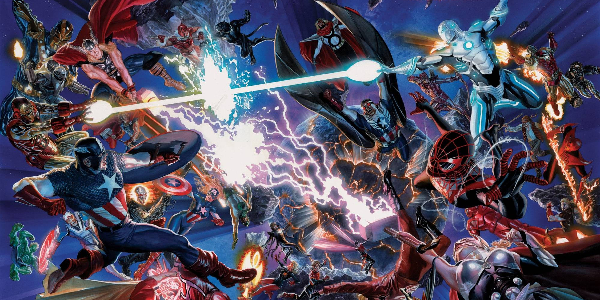
Marvel caused a lot of, well, confusion this week as it announced its slate of crossover events for next summer. That's because all of them seem strangely familiar: apparently in 2015 readers can look forward to Secret Wars, Civil War, Years Of Future Past, Planet Hulk, and (worst of all) Age Of Ultron Vs Marvel Zombies. All of which are crossover events which they've published over the past few years €“ well, Secret Wars and Days Of Future Past happened in the eighties, but everything else is fairly contemporary - which has lead fans to speculate that perhaps the foundations of the House Of Ideas are getting a little tired. Which they probably are, but readers were tired way earlier. It gets a little fatiguing to constantly have series interrupted by big "events" which ties all of them into one miniseries which always, without fail, claims to make huge, permanent changes to their fictional universes - but, as anyone still bothering to read DC's Future's End, will tell you isn't true. Thing is, event books sell; in fact, it's where publishers make their real money, like how film studios are sustained by blockbusters. Expect more such events or, even only events.

9. Changing Roles For Writers And Artists
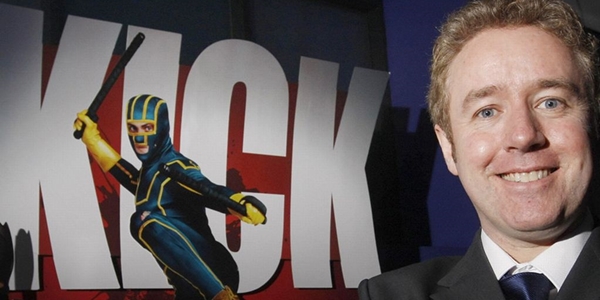
If you're looking to make your millions, do not go into the comic book industry. Like most creative industries, the people who succeed in comics are those doing it for the love of the form, rather than for the money - because, exceptions like Robert Kirkman and Mark Millar aside, there isn't a whole lot in it. Comics don't sell much, the pay's not amazing, and the job security's pretty crummy too. Don't get started on health insurance, either. As belts continue to be tightened then, like all capitalist businesses, both writers and artists will be asked to do much more work for much less pay, which doesn't bode well. That is, if they're relied on to work at all. It's entirely possible that they'll follow the lead of the animation industry: rather than relying on the fatally human (and thus prone to delays) single creators, farming out the work to teams of foreign artists who can follow an established style sheet and produce comics that all look the same. Writers, meanwhile, will be less inclined to create and maintain original works and more like custodians of current properties - even more so than they are now, with stories produced in a similar fashion to Hollywood or mainstream television. As in, written by a committee, with little credit given.

8. Following The TV Structure

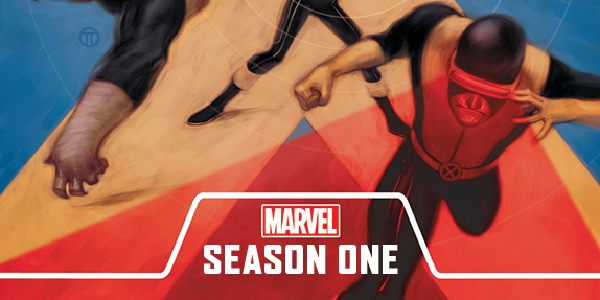
The smart form of media to mimic these days is television. TV is going through a renaissance at the moment, with big actors heading to the smaller screen where they can often invest more into their characters, and where some of the most talented writers working are free to spend more time on detailed, involved plotlines. Such shows also benefit from the fact that they're on every week, are geared to appeal to both new viewers and existing fans (with easy-to-pick-up plots and recaps), and take breaks between seasons to refresh and make sure the next batch of stories are up to their exacting standards. That's a model that comic books should really be following. There are some series which are already following the structure of €œseasons€, where the titles will take a break for a few months between story arcs for the creative team to keep things good. Something comics really struggle with is appealing to new readers, who are intimidated by the decades of continuity they have to be aware of in order to understand even the most mainstream superhero titles - or else, they pick up a single issue in the middle of a story arc and can't fathom what's going on. To expand their audience, they'll have to be more like the most popular medium.

7. The Death Of Print Media...

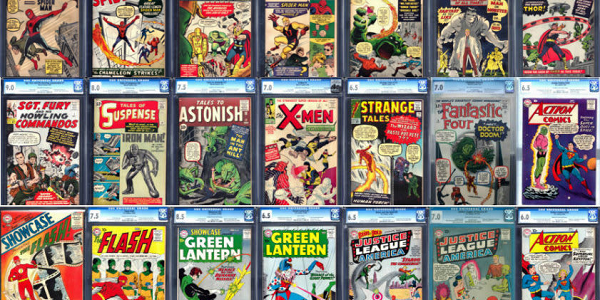
If you believe, erm, absolutely everybody, paper publications will be completely extinct within the decade. Newspapers, magazines, and comic books will all have either made the leap to the digital realm - either as websites or else downloadable editions of the existing format - or they will perish. As large as the implications are with regards to the latter two forms there are some particularly devastating implications for comic books, which are especially reliant on people with vast disposable incomes hoarding physical products. Collectors, basically. Before too long, the direct market - that is, the people who buy their funny books online or from brick-and-mortar comic stores, rather than on the newsstand - will have completely evaporated, or else have changed beyond recognition. Comic shops will have to diversify even further than currently, selling not only toys, merchandise and the like but also games, films and the like. Print comics, if they don't disappear completely, will end up being collector's items in the same way that vinyl records are now compared to CDs and digital downloads.

6. ...And Adopting The Netflix Model
As comics make the transition from physical to digital media, the market will have to go through considerably more changes than they have right now. Currently if you go to buy a digital copy of a comic it'll cost around the same of a print edition, unless there's some sort of deal going on. That's not particularly great value for money and, once again, comparable to the way the music industry adapted to the advent of the internet - not only will they have to drop prices for the purchases of single issues, but they could take a page out of the book of streaming services like Spotify. It might be a pretty big leap from getting readers to pay full whack for issues and offering them streaming for free, however, so maybe a better model to mimic might be Netflix. Right now Marvel have their Unlimited series where, for a annual subscription, you can peruse the majority of their sixty year bibliography to your heart's content on your computer, tablet or mobile phone. Except there's a lot of blind spots on there right now, and the app's a little buggy, which are all things that will have to be ironed out - especially when other publishers start following suit.

5. The End Of Creator-Owned

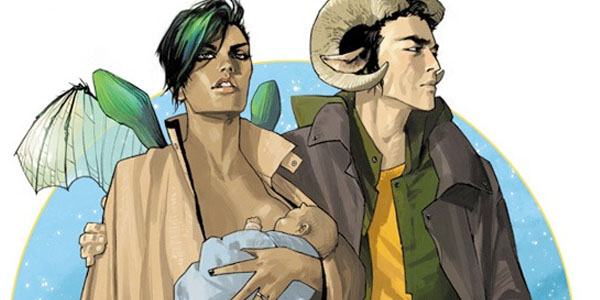
Image was created as a safe haven for creators who were sick of sweating over work-for-hire contracts at the Big Two publishers, where they didn't get any of the credit or the royalties for the superhero comics they produced. And so the likes of Todd McFarlane, Rob Liefeld and Erik Larsen set up a utopia where writers and artists would retain all rights over their creations, including the ability to license their properties out to TV shows, video games and films. Which worked out especially well recently for Robert Kirkman, who's started a whole media empire based off of The Walking Dead comics originally published by Image. Right now they and other small, independent publishers are going through something of a renaissance, with critically acclaimed series like Saga and The Wicked + The Divine, and Scott Snyder's new comic Wytches already being picked up for a movie adaptation. How long until the publishers wish they could get a piece of that not-inconsiderable pie, and move to the mainstream behaviour of retaining rights and getting some sweet moolah from selling them to Hollywood? Probably not very long at all, sadly.

4. Beholden To The Films

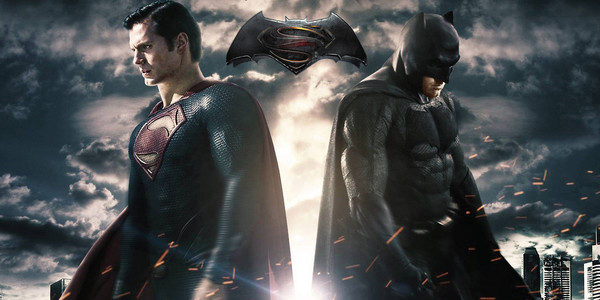
Honestly, this is already happening, but before too long its going to become the industry norm. Superman in the comics is more in line with Zack Snyder's Man Of Steel blockbuster (grimdark in tone and minus those red underpants), and there's rumours that Marvel are looking to drop both X-Men and Fantastic Four from their publishing schedule since they don't own the film rights at the moment. There are plotlines that are easy to predict by the upcoming movie release slate, like when Spider-Man returned to the black costume for a while when the third Sam Raimi film came out, or how the Death Of Wolverine will be swiftly undone next time Hugh Jackman's due to strap on the claws. With the majority of the paying audience recognising the on-screen versions of their favourite characters instead of the ever-so-slightly different iterations in print, it doesn't make any sense to continue appealing solely to the dwindling fanboys. Instead, the comics will continue to hew closer to the films, perhaps even turning into nothing more than spin-offs of the Cinematic Universes which tell stories featuring those versions of their superheroes, playing on those backstories and previous plotlines in the same way current comics refer back to the previous half century of publication.

3. Everything Is Licenced

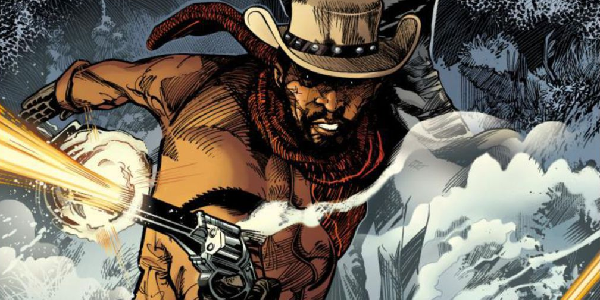
Synergy is the buzzword that'll be fuelling the comic book industry for the next decade or so. Besides making sure their comics are as close to their movie adaptations as possible, expect companies to be looking to bring other recognisable media properties to the four-colour world. Seriously, so many buzzwords. Already there are publishers like Dynamite, IDW and BOOM! where the majority of their output is comic book spin-offs of TV shows and movies, from Adventure Time to Django Unchained to The Avengers (who, ironically, have to be referred to as Steed and Mrs Peel so people don't confuse them with some other team). Just as movie studios are increasingly leaning on remakes, reboots and updates of old properties as "safe bets" that'll bring in the punters and make up for the shortfalls of risking original ideas, expect comic book publishers to follow suit. Why take a chance on an untested, new series when you could just buy the licence to an existing property, with an existing fanbase who are all but guaranteed to buy the further adventures in print? Considering even the biggest superhero titles barely scrape 400,000 sales a month, buying the rights to a Ghostbusters comic seems like a smart investment.

2. Publishers Merge...

If it wasn't clear already, the comics industry is not in the best state. Especially for those outside the Big Two, who can't afford to sustain themselves off the back of movie adaptations of their work, the profit margins are pretty worrying. What happens when companies look like they're going out of business? Well, sometimes they just sorta go out of business. In other cases, however, they look to merge with other companies and pool their resources. It's something that happened a lot in the early days of the industry, once the initial comic book boom wore off, with DC in particular swooping down and buying the rights to entire stables of characters from other publishers like Charlton and Fawcett. There's already been inklings of such mergers happening, like Dynamite Entertainment and Dark Horse Comics teaming up for their digital storefronts. It's unlikely that DC and Marvel will ever become one huge conglomerate (they're owned by two separate huge media companies as it is), but once upon a time it seemed unthinkable that Mario and Sonic The Hedgehog would ever turn up in a video game together - and yet we live in a world where they appeared in a disappointing title where they competed against each other in the Olympics. So who knows? Stranger things have happened...

1. ...And Amazon Takes Over

Digital comics are, obviously, the future. As is, conceivably, all the publishers being merged into one. The venn diagram where these two predictions overlap is, obviously, the one place that's done the same for movies, TV and books: Amazon. Since its beginnings as an online bookstore the website has revolutionised the way we read with the Kindle and pioneered video streaming streaming services with their Prime Video service. Earlier this year they bought up Comixology, the primary service for buying digital comics. Like the humble beginnings from which their dominance over the mainstream book industry started - they now rule it with an iron fist, using mobster-style strong arm tactics to force publishings houses to comply with their demands for lower prices and such - the Comixology acquisition could lead to a similar control over the comic book world. Selling digital comics could be just the beginning. From there Amazon could gain a monopoly on comics, as the print format dies and everybody reads digital - with Comixology being the primary place to do so. Then they can start producing original content, as they do with their Prime Video series like Transparent, and eventually the site could absorb smaller publishers, leading to a Big Three: Marvel, DC, and Amazon.

In this post: 
Batman
 
Posted On: 
Contributor
Contributor

Tom Baker is the Comics Editor at WhatCulture! He's heard all the Doctor Who jokes, but not many about Randall and Hopkirk. He also blogs at http://communibearsilostate.wordpress.com/