Captain America Civil War: 10 Worst Plot Points The Film Must Ignore

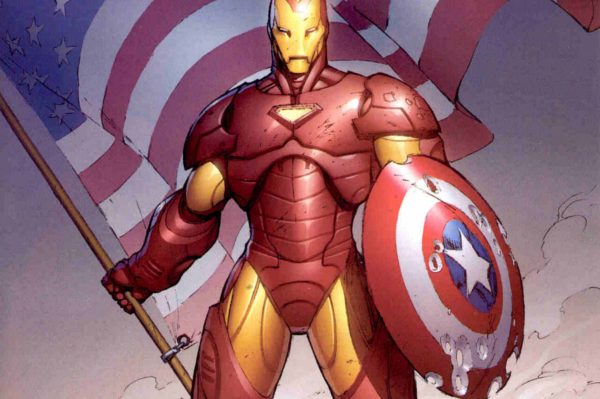
Does anybody really want to see Iron Man as the villain?

Proof that you can't keep a good comic (or at least, a comic that sold incredibly well and continues to do so in collected form to this day), Marvel's Civil War is making a comeback on several fronts in the near future, a decade since it was first published. First off, it's getting its own spin-off book from the publisher's current alternate universe mash-up crossover Secret Wars. More importantly, it's also providing the basis for the next Captain America film. Slightly disappointing fans who were looking forward to a direct follow-up to The Winter Soldier, the search for Bucky and renewed fight against HYDRA will take a back seat to Steve Rogers having a series of heated arguments with Tony Stark about whether or not superheroes are entirely justified in existing outside of the law and doing what they want. Seems reasonable. That unexamined power came to a head in the Civil War comics as it will in Captain America: Civil War, a film which basically co-stars Robert Downey Jr in what may be his final go around as Iron Man, and has also added most of the remaining/new additions to the Avengers actors as well. The comics saw most of the Marvel Universe fighting each other, so from the looks of that cast list, this is going to be a faithful adaptation of the source material. Should it be, though? Mark Millar and Steve McNiven's mini-series was a sales hit, but remains critically divisive to this day, and the repercussions of changes it wrought are still being felt in the comics - for better and worse. There's a lot of plot points that remain quite naff, or nonsensical, and wouldn't quite work in the MCU. Here are the ten worst plots points Captain America: Civil War should ignore.


10. Lots Of Dead School Children

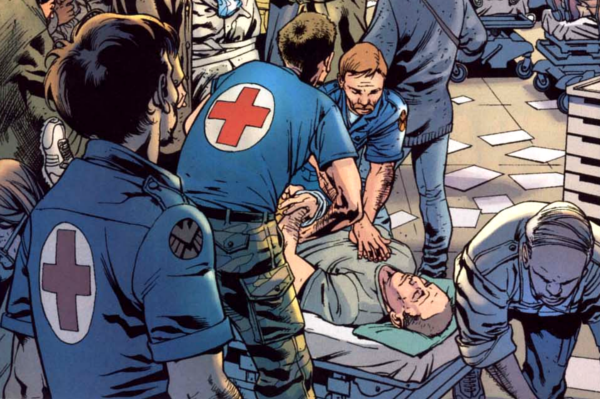
It's clear that the Marvel Cinematic Universe is setting up two opposing sides in superherodom already, with Tony Stark managing to p*ss off most of his Avengers colleagues with his reckless actions in Age Of Ultron. That's giving a bit of a lead-in to Civil War, just as the comics were a culmination of a bunch of plotlines. But it was one inciting incident really kicked the source material off. Namely, an untested and untrained team of young heroes called the New Warriors €“ whose exploits are filmed for a reality show, kids these days eh €“ attack a supervillain safe house and it goes a bit wrong. Which is to say one of the villains, called Nitro, detonates himself and causes a huge explosion in a small suburb. And he does that whilst a school bus is driving past, meaning loads of kids die. Civil War, in the comics, begins because some superheroes accidentally let a bad guy murder lots of small children. That's a little bit too hardcore for the movies. Obviously the third Captain America will have no New Warriors, but hopefully it won't be as violent either, because it'd be tonally off-base. And gross.

9. Hulk Murdering People

Because, honestly, the MCU isn't all that bloody so far. There was Klau losing an arm in Age Of Ultron, admittedly, and Black Widow used to be a trained assassin, but both of those are exceptions or things that haven't actually been shown on screen. The Avengers are a militarised force and the previous Captain America films show the realities of war, but that's mostly a bloodless affair. In that spirit, the Civil War movie could do with dumping some more of the lead-in that preceded the comics. Namely the part where public mistrust of superheroes has been built up by incidents such as the Hulk going on a rampage in Las Vegas and accidentally killing 26 people. Surely not, Mark Ruffalo! You seemed like such a nice guy! Hulk's off the radar in the films as of the end of Age Of Ultron. It'd be out of character and a tonal shift for the MCU as a whole to re-introduce him in Civil War €“ even if it happens off-screen and the characters simply talk about it €“ by him going on a murder spree. In general, the Civil War comic is far more willing to toss a load of dead bodies into plot. Mark Millar wrote it, after all.

8. Robot Thor

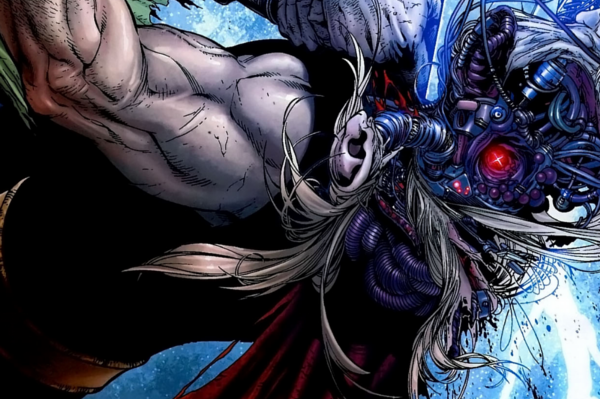
As with most superheroes, Thor has died before. It's happened a few times, in fact. Although can you ever really kill a god? Anyway, whilst the God Of Thunder was missing in action pre-Civil War, Tony Stark apparently took it upon himself to team up with Hank Pym and use one of the Odinson's hair to build a cyborg clone who would help out in the anti-registration hubub. Once Civil War kicked off, Stark sent the Robot Thor out to fight the anti-registration lot and...it didn't end so well, with the cyborg taking down most of his enemies easily and then murdering Goliath with a bolt of lightning. Reed Richards soon deactivated the thing, but the damage was already done. Which obviously wouldn't work in Captain America: Civil War since, for one thing, Thor is not MIA. He's just buggered off to Asgard as of Avengers: Age Of Ultron, and has some things he'll be dealing with in his third movie. Introducing the robot would maybe help shoehorn Chris Hemsworth into the already bulging cast list, but would anybody really let Tony near cyborgs again?

7. Maria Hill As A Baddie

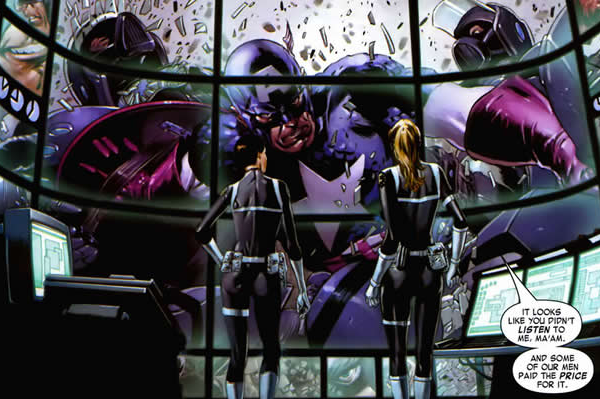
The Superhero Registration Act's main proponent in the superhero community in the Civil War comic is Iron Man, but it's SHIELD who are tasked with actually implementing the thing. They get sent off to round up all the rogue super-people who haven't signed up to the new law, sticking them in prison and making sure they're not a threat. Pretty different to their usual bag. Especially in the MCU, where it's Nick Fury who put the Avengers together in the first place whilst he was still SHIELD director. At this point in the comics, Fury had been ousted and Maria Hill was in his place. Right now we have no idea what the state of SHIELD is in the MCU, having seemingly partially returned back in Age Of Ultron and that one TV show. Either way, making SHIELD the bad guys in Civil War would be a bad move at this point. Even more so if Maria Hill's in charge instead of Fury. For one thing, putting the organisation on the side against Captain America would feel like a retread of The Winter Soldier; for another, after all she's been through with the super-people, Hill turning on them would make zero sense.

6. The Negative Zone Prison

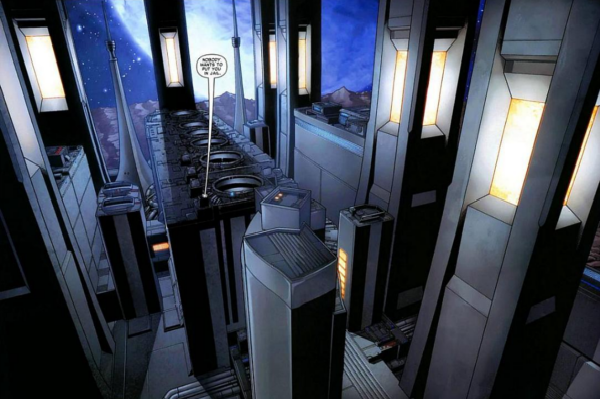
One of the most controversial aspects of the Superhero Registration Act in the comics is what happens to those who don't want to sign up. SHIELD chases after them, yes, but what happens when they catch them? Those poor unfortunates either get given another chance to agree to the new law and be deputised, or else they get thrown into a cosmic Gulag, essentially. In the comics, a huge plot point in Civil War is Captain America's resistance fighters breaking into the Negative Zone prison where SHIELD toss the non-compliant super-people. The Negative Zone is an alternate dimension discovered by the Fantastic Four, impossible for anyone to escape from with high-tech gadgets. That won't work in Captain America: Civil War on a number of points. For one, the rights to the Negative Zone lie with Fox, since they're making that new Fantastic Four film. For another, it's a big sci-fi concept that's beyond the scope of the MCU right now. Most importantly, though, it's supposed to be an analogue for concentration camps. Doesn't scream €œFUN SUMMER BLOCKBUSTER!€

5. Spider-Man's Not-So-Secret Identity
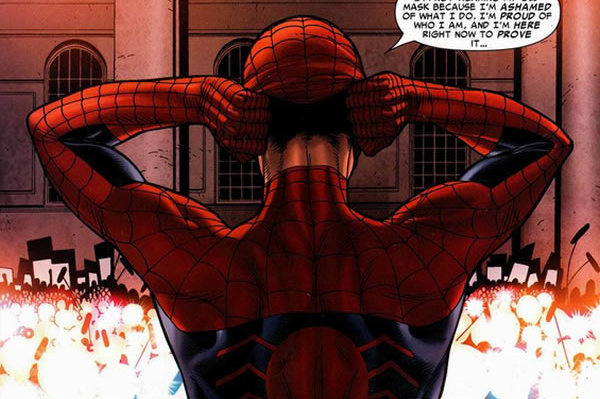
Captain America: Civil War looks like it'll be bridging the gap between Age Of Ultron and Infinity War all by itself, with the film appearing more like an Avengers side-story than anything else. At least, that's based on the casting news: not only will the main cast of The Winter Soldier be returning, but half the cast of Age Of Ultron and event Ant-Man are going to be part of Civil War, too. That means the scope has expanded a fair bit from the last couple of Cap movies, and Civil War looks to be a true adaptation of the comics with lots of heroes scrapping with each other. The main player from the comics who hasn't been confirmed to appear in the film is Spider-Man, but that could easily change. Peter Parker's part of the MCU now and, whilst he's not been officially cast yet, rumour has it Marvel could very well drop him into Civil War. Hopefully in a radically different capacity to how his arc went in the comics, since Civil War involved him siding with Iron Man's pro-registration side and so revealing his secret identity. Not a particularly great introduction to the Marvel Cinematic Universe.

4. Iron Man As A Total Villain...

Civil War (the comic book) doesn't attempt for one second to be non-partisan. From the off its clear that the pro-registration lot are supposed to be the bad guys, which makes for a fair bit of cognitive dissonance on the part of the readers. After all, they've spent decades reading stories where Iron Man, Reed Richards and such are heroes, who've saved the world countless times. Suddenly switching and have them be total villains was jarring, and it'll be equally so if they adapt that conflict faithfully into the third Captain America film. Tony Stark is often at odds with his Avengers cohorts, but after a bit of grappling with Thor everybody's pretty much forgiven him for his transgressions by the end of Age Of Ultron. It just wouldn't work in the MCU and, really, it doesn't really work in the comics either. Stark and the rest act totally out of character and it would actually be way more interesting €“ story-wise and politically €“ to have some balance between the warring groups, to see both sides and have the audience genuinely torn about who they're with in a big action film for the first time...ever?

3. ...And Captain America As A Total Hero
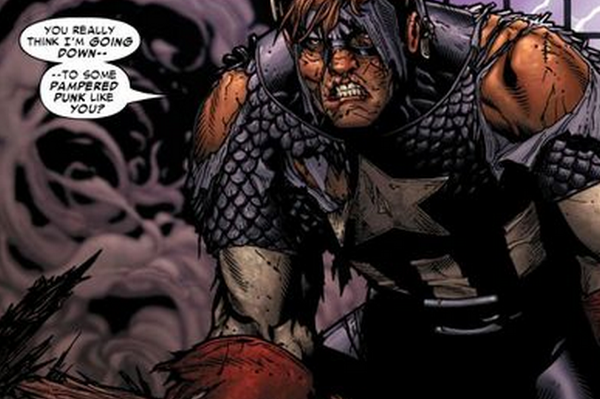
By the same token, Civil War sets up Captain America's anti-registration brigade as a brave rebel group fighting against The Man. That's...almost exactly what happened in The Winter Soldier, where he teamed with Black Widow and The Falcon to take down the HYRDA-controlled SHIELD. There's even multiple scenes of them fighting SHIELD agents, helicarriers etc. Adapting that part of the comics, then, would make most of the third Captain America totally redundant, something the audience have seen before. It also has the same problem that positioning Stark as the irredeemable bad guy does: Steve Rogers ceases to be the complex character the films have made him, and is instead just an icon of €œGOOD GUY€. Considering the Captain America films have so far done wonders for that misconception of the character €“ even as Joss Whedon tries to muck that up by writing him as your Republican grandpa in the Avengers movies €“ reducing him to the good guy you side with implicitly and never question the motivations of, whilst inherently distrusting Iron Man, would be dull.

2. That Tragic Ending

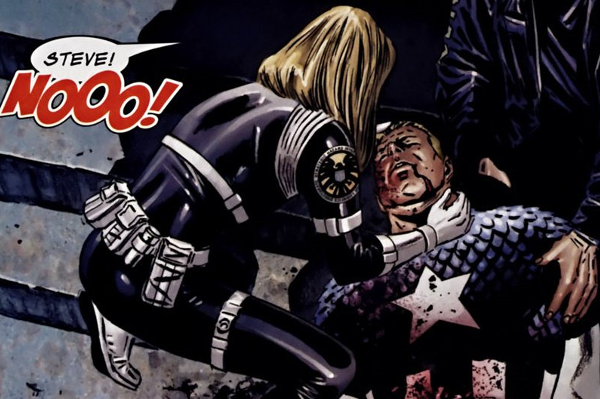
Here's the thing: the heroes in the Marvel Cinematic Universe are different to the comics. There, Steve Rogers has been Captain America almost consistently since the thirties (barring some stand-ins during the time he was frozen and...something else we'll get to in a minute). People get killed off and return all the time, they never seem to age. Neither of those is really an option IRL. Actors get older, their contracts run out and they leave the franchise for good €“ they don't just duck out for a few years off, they'll properly retire. That's why War Machine's in the Avengers to make up for Robert Downey Jr bowing out of the MCU soon, and Civil War could very well be Chris Evans's last appearance in these movies as well. Evans has stated that Captain America: Civil War will be a lead-in to the next Avengers, which implies major ramifications. Like possibly, maybe Steve Rogers being assassinated and Bucky taking his place as Captain America, which happened at the climax of the comics? Except that assassination involved a brainwashed Sharon Carter and Crossbones and was stupid.

1. The Gun Rights Metaphor

Captain America: The Winter Soldier managed to deal with contemporary political themes in a manner that was surprisingly erudite for a big, stupid superhero film. The current climate of renewed paranoia thanks to Edward Snowden's revelations about NSA hacking managed to chime rather well with SHIELD's dodgy dealings and the whole HYDRA deal. The comic book of Civil War had an entirely less elegant political allegory at its centre: namely, €œGET YER HANDS OFF MA GUNS!€ The superheroes should be able to do what they want, when they want, if it means protecting their loved ones was a very basic metaphor for the firearm debate in the US. Not that Scot Mark Millar has a stake in that... Regardless of where you lie on the political spectrum regarding the ownership of firearms by individuals who aren't in the military or law enforcement (and maybe even then...), it's a really, really idiotic thing to make a superhero comic about. Even when the MCU is somewhat militarised, it would be a bad hot button topic to press, especially given recent stand your ground cases. Not only that, but it's just...not a good metaphor. It's not a good metaphor to hang a superhero story around, and especially not what is essentially Avengers 2.5. Hopefully Civil War will be a similar adaptation as Age Of Ultron €“ as in, in name only.

Contributor
Contributor

Tom Baker is the Comics Editor at WhatCulture! He's heard all the Doctor Who jokes, but not many about Randall and Hopkirk. He also blogs at http://communibearsilostate.wordpress.com/