10 Things That Signal The Death Of Movies
The future's looking darker than an unlit cinema screening.

10. Release Schedules (Which Don't Help Anyone)

9. 3D And Other Desperate Gimmicks

8. The Rise Of Movie Piracy
Another part of the allure for things like IMAX and 3D to studios is that films shot in these unwieldy formats are supposedly impossible to bootleg. As bandwidth speeds got faster and torrent sites more sophisticated movie piracy has moved from the shadowy market stall full of DVD-Rs to free high speed downloads, from shaky handy-cam footage taken at the back of a cinema to HD quality leaks from within the very institutions producing the films. The most recent estimate is that movie piracy has cost the movie industry upwards of $2.5 billion a year. That's actually a lot less than the studios' original estimate of $58 billion, but it's still substantial enough for the suits to be sweating about their annual bonuses. It's a worldwide problem, too, as the closure of Blockbuster stores in Spain was put down to the country's rampant movie piracy, and the home video market in South Korea has fallen by a staggering 95% since 2000. Coincidentally in that time their download speeds have increased exponentially. Funny that. If piracy carries on at this rate, there not only won't be any money left to make films in Hollywood, but nobody to make them. They'll have all since been let go to do something more lucrative, like joining Google's future cyborg army. With all forms of internet piracy, however, there's the feeling that the genie's out of the bottle, and there's no way of getting it back in. Certainly not by prosecuting your potential audience, as record labels and movie studios have been doing. Piracy has become so rampant that Netflix actually look at the statistics for what gets downloaded most when deciding what to add to their catalogue. So it's good for something, we suppose.7. Diminishing Box Office Returns

6. Lather, Rinse, Remake
 Those sorts of monumental losses have got Hollywood more terrified of taking chances than ever before. Adaptation of stage musicals, plays and ripped-from-the-headlines true stories were the bread and butter of American cinema's golden age, but films came into their own as a form when that rulebook got torn up. The new wave of French directors had their approach imported back to California by the auteurs of the sixties and seventies who started off small before being entrusted with some of the most revolutionary and just plain best films the Hollywood system ever put out. Year by year, though, producers are retreating from original properties. New ideas aren't approached with excitement are avoided at all costs. The risk is just too great to take a chance on an untested film, on something where recouping the production budget isn't all but guaranteed. This shying away from the new means that more than ever cinema screens are filled with familiar-sounding movie titles. In 2014 alone we've already had remakes of Robocop and Godzilla, with multiple new takes on Hercules forthcoming, along with reimaginings of Teenage Mutant Ninja Turtles, Dracula, and Paddington Bear on the way too. If they're not scraping the bottom of the barrel when it comes to eating its own past, Hollywood are returning to the bestseller lists, with the adaptation of young adult weepie The Fault In Our Stars already cleaning up at the box office. Hollywood has become the Ouroboros, the snake eating its own tail, and sooner or later it's gonna choke.
5. Everything Hinges On Franchises

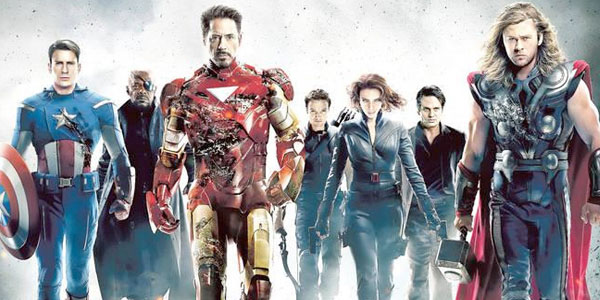
4. The Reliance On Superheroes
3. Special Effects Studios Going Out Of Business

2. The Demise Of Indie Cinema

1. Home Streaming Is Killing Cinemas