25 Reasons To Hate The Oscars

Value is not measured in little gold statues.
Every year, someone spends hours coming up with an articulate explanation for why they hate the Oscars, and everyone rolls their eyes, tuts and tunes in to the annual ceremony anyway. It€™s all just empty bluster after all €“ the moans of an entitled few who think they know better? Well, no quite frankly. Every year the Academy gives us further reasons not to pay attention to their opinions, making something of a mockery of their status as the biggest event on the film calendar, and yet we all still sit up with our popcorn to watch who they have chosen to tell us are the best talents and films of the year. This isn€™t an exercise in shallow Academy bashing, and to prove it, we€™ve come up with 25 reasons you should hate the Oscars€

25. Snubbing Leonardo DiCaprio

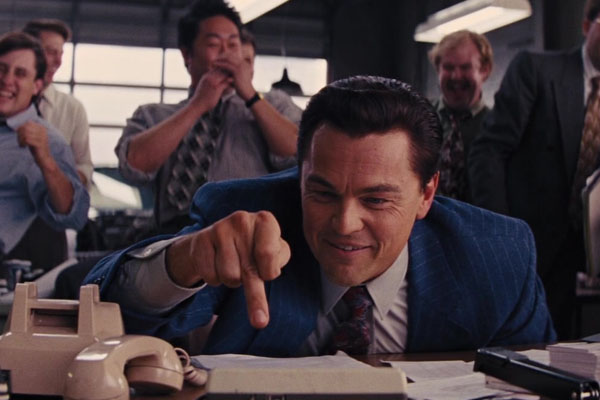
It's almost getting to cliched levels now, but the longer the Academy continues to snub Leonardo DiCaprio, the more it will be worthy of note. Looking back on his snubs so far makes for difficult reading. Calvin Candie is Tarantino's greatest villain - by the director's own assertion - and he was also arguably Leo DiCaprio's finest performance. He was great in Inception and Shutter Island, he was well worthy of Oscar attention in The Aviator and Blood Diamond, and his transformative, hilarious turn in The Wolf Of Wall Street was stunningly good. Yes, he might well win for The Revenant, but there's a distinct possibility that he will be snubbed again for something more Oscar-like, partly because of the way his campaign has been skewed.

24. Hearts Of Darkness Gets Unfairly Disqualified
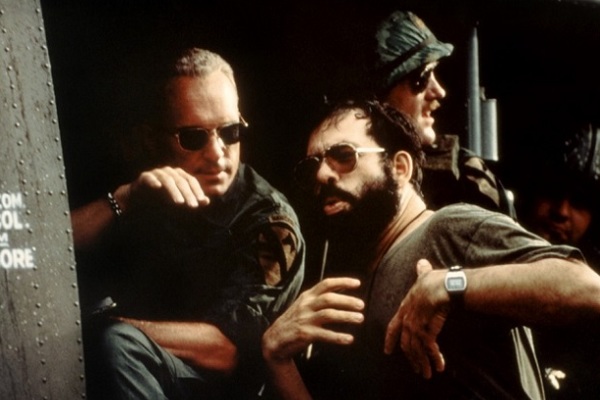
This sneaks in on the back end of the list because it technically didn€™t qualify for the Oscars. While the premiere of Hearts Of Darkness was at Cannes Film Festival, the US premiere ended up being via a television broadcast which made it fall under the Emmy€™s sphere of influence. Still, it was a documentary originally set for the big screen and its later distribution deal should not have affected its Oscar worthiness. This rings true more so today than it did in the past considering the ever expanding number of films which debut on TV on demand before a limited theatrical runs. Should those films also not qualify for the Oscars? It is the intent of the filmmakers not the negotiations of the producers which should matter. Hearts of Darkness is one of the finest documentaries in history and is arguably better than the film whose making it chronicles. It deserved recognition.

23. Titanic Spoiled The Best Oscars On The List
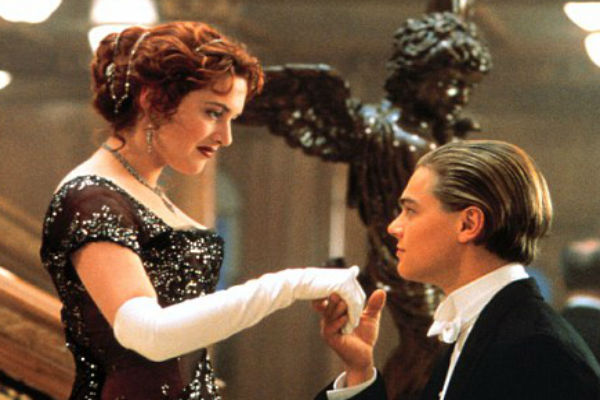
The 70th Oscars were unbelievably close to being adequate. Every winner had a reasonable case to make except one. Titanic simply wasn€™t the Best Picture. James Cameron even works as Best Director because of the technical achievements he was responsible for, but Titanic as Best Picture simply doesn€™t compute. The film is admittedly a technical marvel for its time, and if you buy in it can be a magical romantic tale. There are too many Titanic-sized flaws though to distract people from the good. The obscenely bloated, near 200 minute, run-time makes the payoffs feel redundant and unworthy for many. If editors had left even twenty minutes of cliches on the chopping room floor a worthy film might have emerged, but that€™s not the case. L.A. Confidential was far more deserving of the award. In hindsight it seems like a slam dunk because it was universally acclaimed by both critics and audiences unlike the very mixed reception Titanic received. Confidential engrosses itself in film noir by seamlessly deconstructing the genre and paying homage to it at the same time. Stellar performances across the board only serve to enhance the rock solid style and screenplay.

22. Children Of Men Losing Best Cinematography
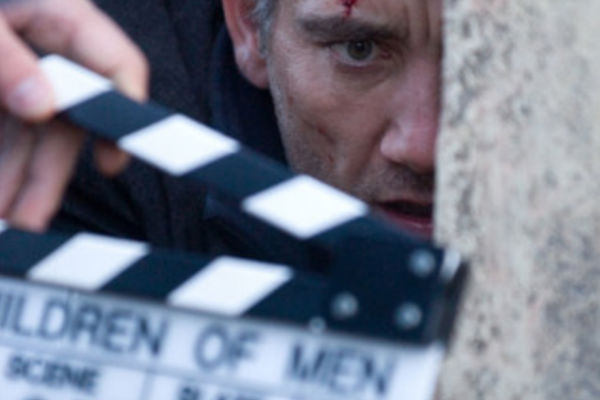
Is there anything you could want more than a bleak and deliberate palette, engrossing and intricately choreographed tracking shots, and one of the most masterfully crafted and iconic car scenes ever done? No. That€™s the long and the short answer. You can€™t ask for anything more from your cinematographer. The things Emmanuel Lubezki did behind the camera in Children of Men were nothing short of miraculous. Most films are proud of one or two big tracking shots, but Lubezki dictated the entire film's tone with never ending barrage of them. His work alone creates a spectacle worthy of your attention for two hours. Children of Men could be a silent film and yet still be easily appreciated. The only reason this does not rise higher on the list is because it did face stiff competition from Guillermo Navarro€™s work with Pan€™s Labyrinth at the 79th Oscars. There is still no doubt Children of Men was the real winner, but compared to the starkness of the atrocities which lie ahead this selection feels almost like nitpicking.

21. Crash? You€™re Joking, Right?

This isn€™t the first or last time in history that the lowest common denominator ended up on top on award night. Somehow in the strongest years the best films feel like they cannibalize each other€™s first place votes. 2005 was one of those strong years in cinema: Brokeback Mountain, Capote, Good Night and Good Luck, and Munich were all candidates for Best Picture. In a weak year I could see any of those films winning the Oscar easily. Yet they all crashed (get it) into theaters at the same time. Who knows what was going on in voters minds, but Crash somehow ended up on top. Crash's take on the multiple intertwining narrative style is the cheapest kind of Oscar bait. A seemingly stellar ensemble cast, check. Heaps of heavy-handed morality tales, double check. The Academy are known suckers for over-the-top drama and sentiment, but here, against this competition, it feels like more. The distributor, Lionsgate, must have pulled in some powerful favors to secure the win.

20. It Should Take More Than A Braveheart To Beat Apollo 13
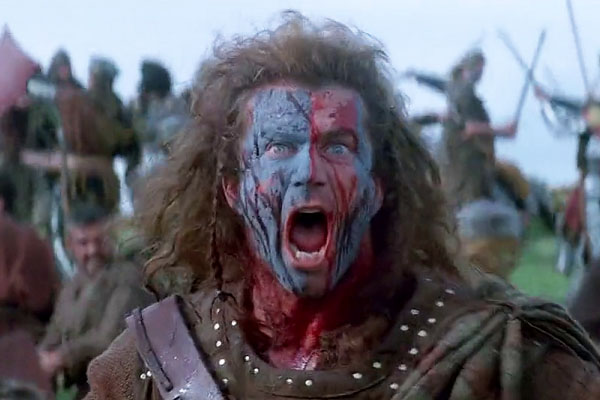
Braveheart is an action epic with a taste for run-time, historical inaccuracies, and gratuitous violence. Basically it has something to hate for everyone. That€™s not to say I don€™t like Braveheart (I do), but your Best Picture should probably aim higher than having something easy for everyone to dislike - excluding Mel Gibson of course who now qualifies all of his films for unlikeable status retroactively because of his actions off screen. Apollo 13 should have blown it out of the water. It€™s a tight drama which captures the style and emotions of the sixties perfectly. The ensemble cast is nothing short of flawless. Even Bill Paxton couldn€™t take the acting down a notch or three. This pick also doubles as a soapbox for Ron Howard not even being nominated for Best Director. This is his finest film and the one where his directing abilities have the most room to breath. Perhaps if he had won here then the Academy wouldn€™t have felt guilty and let him win for the endlessly ordinary film A Beautiful Mind.

19. Randy Newman: 20 Nominations, 2 Wins?!
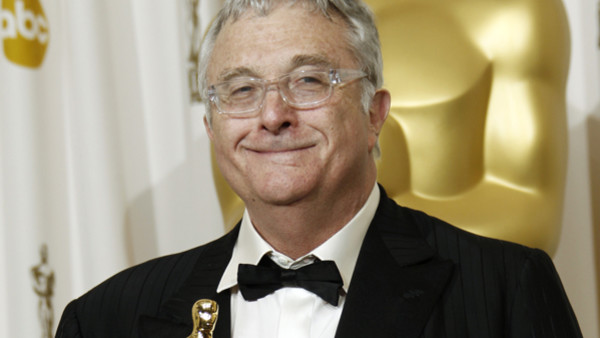
It took the Academy 20 years and 16 nominations to finally give Randy Newman the Oscar he deserved for Monsters Inc's "If I Didn't Have You," and he is the most unjustly snubbed Hollywood talent in history, despite what others might think. Yes, he's now won two, and that's a wonderful achievement, but a 10% win rate is just not right, especially when you consider that he somehow didn't win for the brilliant, and emotionally devastating "When She Loved Me" from Toy Story 2. Ridiculous

18. The Academy Gives Hoop Dreams Nightmares

We know the Academy was aware of Hoop Dreams - it got nominated for Best Film Editing. So how did they neglect it in 1995€™s Best Documentary Feature category? I€™m guessing they were the wealthy white benefactors who toyed with young men€™s lives in the name of school spirit. So maybe the subject matter was a little to introspective for them. Hoop Dreams is one of those documentaries where you truly come to understand the power of the genre. To capture these perfectly divergent life experiences is no easier than catching lighting in a bottle. The story of the paths two young African-Americans take in pursuit of their dreams of playing basketball is filled with shockingly sharp critiques of how race and class permeate our lives. Just like the young men it followed, Hoop Dreams deserved a better, more fair, world. Hoop Dreams should have been nominated and it should have won too.

17. Two Towers Deserved More Nominations Than Fellowship And More Wins Than Return

This is one of the biggest headscratchers on the list. Nothing really makes sense with the Lord of the Rings Trilogy's awards record. Fellowship of the Rings won for Best Cinematography but Two Towers and Return of the King weren€™t even nominated I thought these were all shot as one production by the same person (Andrew Lesnie)? I seriously doubt the competition was strong enough in each of the next two years to warrant not even nominating what was essentially a past winner. Two Towers had half the nominations of each of its counterparts. Peter Jackson won Best Director for Return despite putting more fake endings into the epilogue than a bad porno - it€™s one of the most mocked film sequences in recent memory. Fellowship had the worst win percentage in the weakest year for film competition and Return had a perfect record in easily the toughest year of the three. None of it makes any sense. The only explanation I can come up with is that at the 74th Oscars the Academy felt raw afterwards about the public thrashing they got when Fellowship got slighted (4 wins in 13 nominations and no top tier awards), then they undersold Two Towers at the 75th show because they didn€™t want to get panned by the media again, and, finally, panicked a year later at the 76th when they realized they were on the verge of not recognizing one of the most culturally significant film franchises of all time. So they panicked and gave it everything. A mini lifetime achievement award if you will.

16. Toy Story 3 Was THE BEST FILM OF 2010. PERIOD.

The King€™s Speech is an excellent film. Colin Firth received a well deserved Oscar, but in no way did his performance elevate King's Speech to match the remarkable gravity of Toy Story 3. The third installment of Pixar€™s flagship franchise is nothing short of a cinematic triumph. Pixar films have earned their reputations as elevators of animation beyond the ambitions of a twelve-year-old (excluding Cars of course), but even within their successes the underlying themes have rarely ventured far from the nursery rhyme lessons of old. Toy Story 3 matched every expectation its predecessors placed before it and then went a step further. It takes on adult themes. Nostalgia and aging (specifically coping with the feeling that the world is passing you by) are faced head on with a clarity and effectiveness rarely seen in any film let alone one targeted primarily at children. Most third films do their best to cling to the past, hoping the old feelings will keep you satisfied. Toy Story 3 instead looks in on itself and finds truth and heart in a story fully aware of the follies of other third installments. The themes coalesce around the film€™s place in time and the series itself flawlessly; the result is deeply affecting. Most adults in the theater when I saw Toy Story 3 cried honestly (Not those cheap Titanic tears) while their children smiled and laughed. That€™s a special film.

15. Hating James Bond

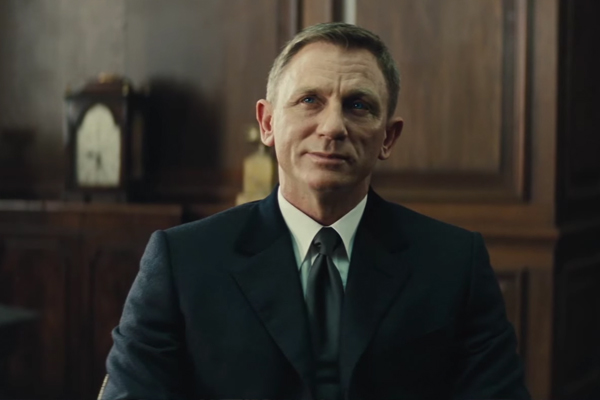
No amount of dedicating the ceremony to the British spy character will gloss over the fact that major awards ceremonies hate James Bond - and that includes the BAFTAs, where he should be heralded as a British institution. For 50 years, Bond has brought millions of dollars to the box office, attracting critical acclaim along the way - though not all the time - and consistently putting audiences in seats, even if the franchise appears to be sneered upon by the snobs, who prefer to look at the mechanics of franchises, rather than the quality of this one specifically. Skyfall's snub for Best Film - a nomination that should have come without question - was just the latest in a long line of unjustified snubs. Over fifty years, Bond has received just 15 nominations, mostly for songs, and two wins, and you really have to judge any awards body that can't see beyond the nature of the property (see also: animations, mo-cap and trilogies) to recognise the quality of single films.

14. Ellen Burstyn Owned Requiem For A Dream And She€™d Own Erin Brockovich Too

Julia Roberts is a great actress. She gets lots of lead billings because of her talent. Talent doesn€™t make you the best though, not in any given year anyways. What makes you great in any given year is how you perform in a specific role. Julia Roberts as Erin Brokovich was (to use a basketball analogy) a regular season performance for top five career player. Ellen Burstyn€™s was Robert Horry in the playoffs. Her monologue in Requiem for a Dream is daring and vulnerable and indicative of her entire performance. I'm not saying I'd pick Burstyn over Roberts on any given day, but you have to respect the game she played that day and give her the recognition she deserved. In 2001 you put Julia Roberts in the Hall of Fame; you give the champagne celebration to Ellen Burstyn.

13.The Oscar Curse

If you're an actor up for a big gong at the Oscars, there must be a tiny part of the back of your mind screaming that victory might mean never working again, or at least making the kind of monumentally stupid decisions that Cuba Gooding Jnr and Halle Berry both made in the wake of their big wins. And those two aren't the only ones - there's a long and colourful history of actors supposedly suffering the Oscar curse, and it doesn't look like it's going to end any time soon.

12. Roberto Benigni Bumbling Into Best Actor

I believe Life is Beautiful is, as it describes, beautiful. I think it deserved all of the accolades it received and maybe would have warranted more in a different year with different competition - I don't buy the criticisms that it glosses over the Holocaust because no individual story should be extrapolated out to generalize a wider experience. Somehow though, the only big four (Picture, Director, Actor, Actress) award it won was the one Life is Beautiful had the least claim to, Best Actor. Roberto Benigni€™s performance is not terrible, but it is broad and occasionally excessive. Edward Norton on the other hand delivered a career defining performance in American History X that year. His performance was everything Benigni€™s should have been but wasn€™t (disregarding tone mind you). A lesser actor would likely have spoiled the role Norton plays so well with an overwrought delivery of every key scene. Norton maintains a notch below excess even in his most explosive scenes. It creates tension within the film that no actor of Benigni€™s caliber could achieve.

11. Roger Deakins Losing Cinematography Eleven Times

By my account Roger Deakins should have at least two Best Cinematography awards for Fargo and The Assassination of Jesse James by the Coward Robert Ford under his belt. Deakins is a maestro behind the camera, but even when he pulled out all the stops for TAJJCRF he ended up being upstaged by the considerably louder Daniel Day-Lewis vehicle There Will Be Blood. All is not lost for Deakins though. The Academy has a long history of paying reparations to worthy recipients who they foolishly overlooked in their deserving years. He€™ll get his due some day, but probably for a film with less merit, though Sicario would be an excellent and worthy winner.

10. Martin Scorsese€™s €œBody of Work€ Win For The Departed

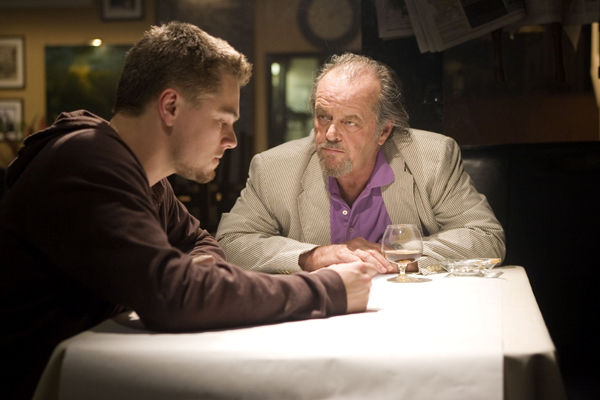
2006 was not exactly the greatest year in film history. Of the best picture nominees that year (The Departed, Babel, Letters from Iwo Jima, Little Miss Sunshine, and The Queen) Little Miss Sunshine has probably had the most endurance. That€™s not to say The Departed wasn€™t a quality film. I enjoyed it a great deal and, personally, didn€™t think any other film nominated had substantially more merit for Best Picture, but Best Director was another story. Martin Scorsese€™s had all of the signs of a makeup call win. While The Departed was a good film, it was hardly a directing triumph. The film was an adaptation of the acclaimed Infernal Affairs trilogy out of Hong Kong and at times it showed. At two and a half hours the film is far from tight, and the constraints of the originals seemed to stymie any of Scorsese€™s bolder directing decisions. His win came down to this. He should have won three times already for Taxi Driver, Raging Bull, and Goodfellas. Each of those films were slighted at the Oscars in their year and because of it fans have been demanding Scorsese get his due for decades. I think Clint Eastwood deserved the award in 2006. Letters from Iwo Jima was an unbelievably challenging project in so many ways. Eastwood overcame the challenges of language, perspective, and repetition (Iwo Jima was the Japanese counterpart to Flags of our Fathers) to craft not only a moving film rendered with a bold cinematic vision. The problem was, Eastwood had already won a couple years before for the excellent Million Dollar Baby and the Academy couldn€™t very well give him a second win with the Scorsese army marching on their doorstep with torches and pitch forks. So the Academy obliged and gave a glorified lifetime achievement award to Scorsese.

9. Robert Zemeckis ‰ Quentin Tarantino In 1994

Any nomination for Quentin Tarantino is a victory in and of itself considering the Academy€™s longstanding dislike of the Pulp Fiction director's work. Robert Zemeckis did a stand up job bringing the fanciful world of Forrest Gump to life, but in no way could that compare to his earlier efforts (especially Who Framed Roger Rabbit) or, more importantly, to Tarantino€™s masterstroke Pulp Fiction. When you watch a great film usually one of three things always stands out most of all: great acting, great storytelling, or great directing. Forrest Gump is all story. Pulp Fiction is undoubtedly the director€™s triumph. Tarantino deserved the recognition here. Sadly, I have a sinking feeling Tarantino will end up never winning a little gold statue for Best Director. Then again, that puts him in the company of Sidney Lumet and Alfred Hitchcock and out of the company of Kevin Costner (Dances With Wolves) and John Avildsen (Rocky). Maybe he is better this off this way...

8. Tommy Lee Jones Best Supporting Actor Win Makes You Want To Jump Off Of A Dam

The 66th Academy Awards were all about Schindler€™s List - rightfully so. It came away with seven wins, but what stands out is one of the five losses - Best Supporting Actor. There is a case to be made for the Schindler€™s List nominee in each of its losing categories, but every category save BSA has a worthy winner so there is no point nitpicking, but Tommy Lee Jones performance in The Fugitive had no place in the category let alone winning it outright. In 1993 John Malkovich (In the Line of Fire), Pete Postlethwaite (In the Name of the Father), Leonardo DiCaprio (What€™s Eating Gilbert Grape), and most of all Ralph Fiennes (Schindler's List) had weightier roles than Jones. It was as stacked a list of nominees as you could imagine. Anyone could have won aside from Jones and deserved it, but, of course, the Academy never fails to disappoint. Like Crash at 23, the lowest common denominator wins. Fiennes most of all blew audiences away as the psychotic SS-Lieutenant running the concentration camp in Schindler€™s List. He is my pick for winner here in great part because of the impact his role has had on Holocaust films over the last twenty years. Every one now seems to feature a singularly sadistic military mind in great part because of how Fiennes€™ performance weighs heavily in the back of every person's mind who has seen the film. That€™s Oscar worthy.

7. Grave Of The Fireflies Getting Burried At The 61st Oscars

1988 was a strange year in cinema. It€™s one of those years where, looking back, all of the most memorable films today received only token nominations (Who Framed Roger Rabbit, Big, and Die Hard). This isn€™t altogether unusual. The best films are not always pop culture phenomenons. Case in point: the film I€™m advocating for here at #7. Grave of the Fireflies is one of the most heart-shattering stories ever put to film. Watching it will ruin your day. You will feel overcome by grief, despair, and desperation. It is an unflinching portrayal of the pain war brings. Precisely the kind of ingredients the Academy can€™t help but recognize, but, in this instance, Fireflies was ignored. It was ignored for two reasons: it is Japanese (more on this later) and it is animated. Now, in 1989 the Academy didn€™t even have an award to honor animated feature films (one of the Academy's best decisions was adding the category almost a decade later). So its long held bias against animation stands pat here, but this is exactly the kind of film the Academy should be elevating through nomination. Thematically, Fireflies remains ahead of its time even today and is the crowning achievement of the revered Japanese Studio Ghibli. This progressiveness rings true for almost all of Studio Ghibli€™s works. Many of their finest efforts like Spirited Away (winner of Best Animated Feature) and Princess Mononoke explore mature themes through animation with an affection and subtlety that almost no live action film successfully achieve today. They should be recognized beyond their animated film niche.

6. Do The Right Thing... At Least Nominate A Spike Lee Joint
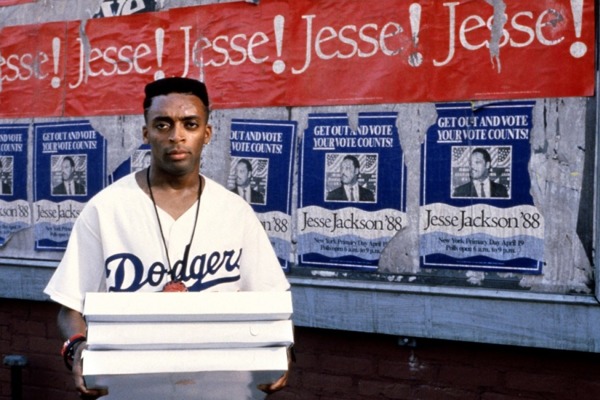
Scratch that. Do the Right Thing HAD to win. Nominating just so it could lose to Driving Miss Daisy would have been just as bad as not nominating it at all. How are those two films, both about race and equality in America, even remotely equal in their form or societal impact? Do the Right Thing is a provocative commentary on race relations which leaves multiple avenues of interpretations. Driving Miss Daisy is quaint, sentimental, and was done better as an episode of Quantum Leap. You tell me which one is Best Picture worthy.

5. Expanding The Best Picture Nominees

Do you understand how asinine this decision was? We are smack dab in the middle of a list of terrible decisions made by the Academy, and they decide they want to make more. More nominees doesn€™t insulate you from criticism; it ensures it. Most average consumers of film look to the Oscars as the de facto ruling on a film's importance. This has long been an issue with film enthusiasts of course because of the Academy€™s penchant for bad decisions, but of all the mistakes made no one thought they would make one that diluted their brand to the masses. That€™s exactly what this expansion did. The decision came down as either pandering to critics or pandering to the movie industry. Critics of the Academy just wanted the right films honored, not more of the wrong ones (You might say that sentiment hit Extremely Loud and Incredibly Close to home this year). Production companies see the Oscars as a marketing tool. If their film makes the list they get a financial bump from increased awareness. Now with as many as ten nominees won't see the same value, and soon €œNominated for an Academy Award€ will carry about the same visual weight on the blu-ray box as €œWon a Golden Globe.€ By attempting to pander they ended up losing more critical credibility and weight with the studios. Brilliant.

4. Dances With Wolves Tramples Some Goodfellas
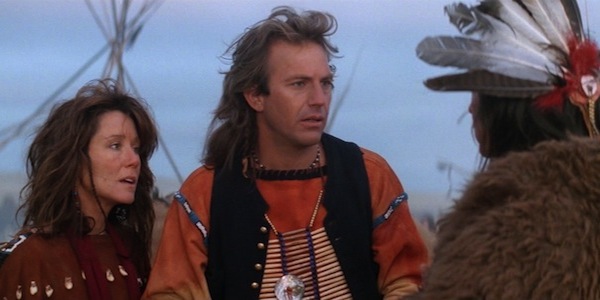
We just broached Scorsese€™s struggles to win best director, but here he is again with his third major slight. This one is a textbook case of the Academy falling for sentiment and scope. Dances with Wolves is big, long, and never demands your attention. Goodfellas is, well, none of those things. I think that€™s the best compliment available.

3. Foreign Language Films Are Second Class Citizens
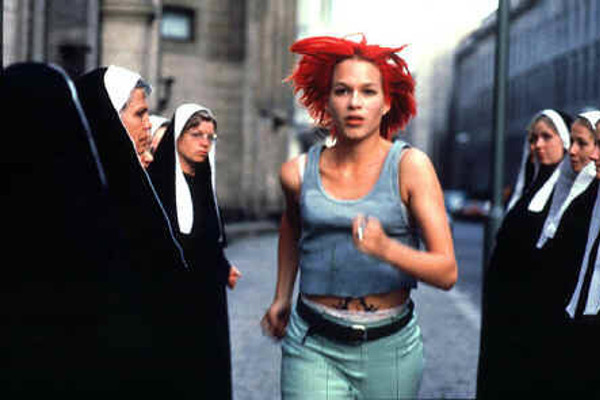
Does the Academy have some secret agenda against films they have to watch with subtitles? Apparently. I€™m not against the Best Foreign Language Film category because it does help bring awareness to a number of great films which otherwise might be missed by many. The issue I have is that they never make their way into the Best Picture nominations, much less win the whole thing. What exactly makes them undeserving? Did the Academy honestly believe in 2001 that A Beautiful Mind elevated cinema more than Amelie? Crouching Tiger, Hidden Dragon managed a rare nomination (It is one of only eight to ever be nominated) at the 73rd Academy Awards but still went down to Gladiator in what felt like a fixed fight. Grave of the Fireflies has already made its case above. Listing the films which have been wronged here would take as long as the Oscar ceremony itself to do; there is not a year that goes by where at least one foreign language film deserves to be nominated (or in many cases win outright) for Best Picture but these foreign gems never get a chance. Today, cinema around the world has in many ways surpassed the American film production machine. Films from around the world defy many of the formulas and conventions which have stagnated Hollywood filmmaking. In the past, films like Run Lola Run, Oldboy, and A Separation should have opened people€™s eyes more than most Best Picture nominees could ever hope to. Failing to recognize these subtitled masterpieces in the Best Picture category does more to undermine the Academy's credibility on a yearly basis than anything else.

2. Forrest Gump Strikes Again

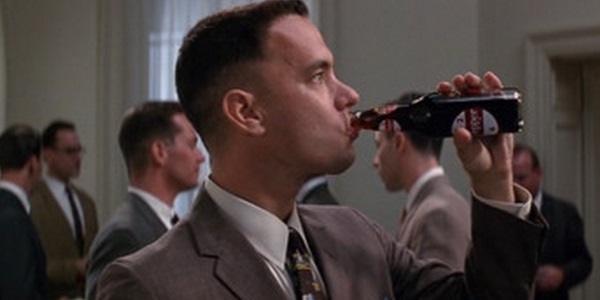
Just like in the movie, Forrest always seems to surprise us just when we believe he has reached his limit. The Oscars in €˜94 were no exception. So here at number two sits one of the great mistakes in modern awards history. The heartfelt farce with everybody€™s favorite actor defeated two of the most enduring films of the nineties. Shawshank Redemption may well be the most beloved film of the decade. It has certainly aged well in our minds thanks to popular culture and being a regular on late night cable, but its ubiquitous status only serves to highlight just how effectively this film transcended audiences and critics alike that year and ever year since. The film is a testament to good storytelling; every character oozes personality and performances backing them allow you to empathize completely with their every move. The other film Forrest Gump managed to outwit on Oscar night was Pulp Fiction. This one hits home pretty hard because it was Pulp Fiction that created the love for film I have today. Experiencing the richness of the dialogue for the first time a powerful experience I hope every person will have the privilege of sharing with me at some point in their lives. It was a seminal piece of filmmaking from a director whose style is, itself, a synthesis of much of films history. Describing the contents of the narrative seems nearly impossible. It's a seedy modern gangster picture, but, at the same time, it really isn't. Pulp Fiction is a wholly original experience from start to finish in the best ways imaginable. Both were worthy winners. Neither won. Maybe they split the vote of the sane members of the Academy once again?

1. Shakespeare in Love, PERIOD

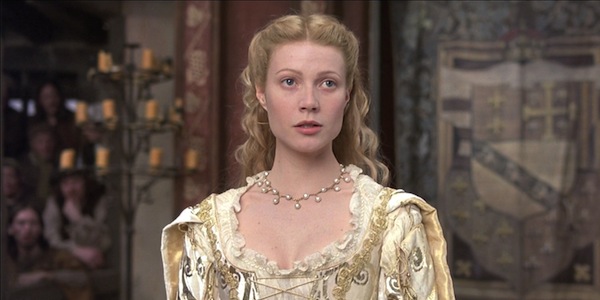
SEVEN Academy Awards!?!? You have got to be kidding. Miramax would have been loathsome for getting Shakespeare in Love one award, but seven makes them the root of all evil. The film's victories on Oscar night can be attributed almost entirely to the ugly part of the awards - lobbying. Miramax spent months hyping, promoting, and otherwise drumming up hype about their film for the Academy voters. 1998 was an unbelievably strong year in film and yet, somehow, Shakespeare in Love (the lowest common denominator of nominees that year) ended up sifting to the top almost every time. When you include Benigni's already mentioned win from above there€™s good reason to scrap the results of the 71st Academy Awards completely. To give this proper perspective I have to go category-by-category to break down just how wrong the Academy got it this year. We will never get to know if the Academy really is this bad or if their mistakes are the product of shady lobbying practices or maybe, in this case, if it was simply a product of Gwyneth Paltrow's breasts. My money is on the breasts. Costume Design Who won: Shakespeare in Love Who should have won: Elizabeth Why: There is a difference between period garb and art. Every strand of fabric in Elizabeth was crafted with care and vision. I don€™t even Elizabeth is a particularly great film, but my god is it visually breathtaking. Best Art Direction Who won: Shakespeare in Love Who should have won: Elizabeth Why: See above. Elizabeth is simply beautiful. The promotional posters belong in an art gallery just as much as they do under the marquee. Best Original Musical or Comedy Score Who won: Shakespeare in Love Who should have won: Mulan Why: Let€™s get down to business here. Mulan breathed new life into Disney musicals. Disney took on the challenging task of mixing Asian influences with western hooks and succeeded spectacularly. People could care less what was playing in Shakespeare in Love. I still listen to I€™ll Make a Man Out of You and A Girl Worth Fighting For on a regular basis and from the state of their YouTube hits it seems like I'm not alone. Those are timeless songs that deserve recognition and adoration with the best of Disney€™s musical history. Best Original Screenplay Who won: Shakespeare in Love Who should have won: The Truman Show Why: Key word here: original. Andrew Niccol has brought us some of the best high concept science fiction of the past twenty years. The Truman Show was no exception. In fact, it is his best concept to date. That screenplay could go toe-to-toe with any winner since, but somehow it lost to Shakespeare in Love€™s witty but unequal farce. Best Supporting Actress Who won: Judi Dench - Shakespeare in Love Who should have won: Kathy Bates - Primary Colors Why: Dame Judi Dench is the best. She can do no wrong in my book... but that doesn€™t mean she can€™t do neutral. That€™s exactly what her part in Shakespeare in Love was. She gave it her all but the role of the Queen lacked depth or weight. Kathy Bates on the other hand propelled Primary Colors to another level with her performance. She kept the film€™s generally light tone from spiraling into the realm of the slight - no small task considering John Travolta was running around doing his best Bill Clinton impersonation for ninety minutes. Best Actress Who won: Gwyneth Paltrow€™s breasts - Shakespeare in Love Who should have won: Cate Blanchett's acting - Elizabeth Why: Time seems to have weighed in on this decision for us. Gwyneth Platrow was once the apple of every filmgoer€™s eye; now she just names her kid Apple. Nobody likes her. It€™s not just that she is unlikeable in the tabloids either. Paltrow hasn€™t exactly lived up to her €œBest Actress€ status on screen. The best explanation? She never deserved it in the first place. Her role in Shakespeare in Love was little more than adequate in a film primarily driven by story. Cate Blanchett should have won. She put in a career defining performance as the title character in Elizabeth. Blanchett demanded your attention any time she was on screen in a way Paltrow couldn't even imagine. Paltrow doesn€™t even command the screen while guest starring on Glee nowadays. This is a top five slight on its own. Best Picture Who won: Shakespeare in Love Who should have won: Saving Private Ryan Why: Saving Private Ryan could easily be the best film of the past twenty-five years. The opening scene which depicts the storming of Normandy Beach is the most honest depiction of war ever put to celluloid, but at the same time Spielberg inlays masterful style. A dozen vignettes tell powerful stories in a matter of moments - the man collecting his own arm still haunts me to this day. It is powerful storytelling from beginning to end, Spielberg at his finest, and yet it lost. Not to Life is Beautiful or Elizabeth or the not-even-nominated American History X. It lost to Shakespeare in Love. There are no words. I'm done with the Academy Awards. I wash my hands of them; I hope you'll join me.

In this post: 
The Oscars
 
First Posted On: 
Contributor
Contributor

Phil loves a good debate. Don't expect him to shy away from starting the conversation. Follow him on Twitter @MrTallgeese if you're of a like mind, or if you just want to troll him relentlessly.