5 Lessons Marvel Films Should Learn From The Comics

Sometimes it pays to listen to the source.

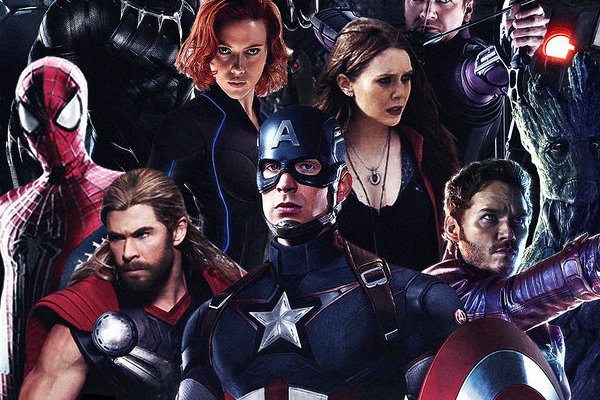
After releasing some of the highest grossing movies of all time, the Marvel Cinematic Universe is hardly struggling, but between the blockbuster films, the Netflix shows, Agents of S.H.I.E.L.D. and all other related media, Marvel might be at risk of spinning too many plates at once. The company is no stranger to dealing with multiple, competing storylines - the Marvel Comics Universe has been running smoothly for over fifty years with input from numerous writers, artists, and editors. But reports that Edgar Wright left the production of Ant-Man because of studio interference and that ultimately the movie fell short of its opening weekend projections by several million dollars show that Marvel Studios may begin to lose its way soon. They will only be able to rely on Robert Downey Jr€™s charm for so long - and even his presence, nor that of noted feminist Joss Whedon, couldn€™t save Avengers: Age Of Ultron from accusations of sexism in dialogue and in certain aspects of Black Widow€™s history. These could be the first warning signs of a collapse, and with people just anxiously waiting to declare the end of their Cinematic Reign, we implore Marvel not to forget some of the lessons from the comics world€

5. Don€™t Add Too Much Too Fast

Back in the year 2000, feeling unfairly constrained by decades of continuity and hoping to attract new readers with fresh stories, Marvel created the Ultimate comics line - a separate universe that imagined what things would be like if our familiar heroes debuted in €œtoday€™s€ world. It was very well received when it started, spawning the very popular Ultimate Spider-Man, Ultimate X-Men, and the Ultimates (the Ultimate version of the Avengers) - all of which went on to influence the films that would be made about these characters. However, it only took a few years for the Ultimate universe to abandon the entire reason it created and become just as bogged down by continuity as the regular Marvel universe. It was every bit as hostile to new readers as books that had been around for much, much longer. With the MCU, Marvel has to be careful not to make the film universe impenetrable to people who want to jump in without watching nine movies before hand.

4. Don€™t Micromanage Too Much

As mentioned earlier, Edgar Wright walked from Ant-Man because of creative differences. Jon Favreau, arguably the most important influence on the MCU since he set the tone with the first Iron Man movie, also left the series he started because of battles with executives. Judging from the lackluster reaction to Iron Man 3, we can kind of guess at what some of these battles were about (€œTony needs a kid sidekick!€). The Marvel movies and shows perform best when the creators are free to bring their vision to life. The first Thor movie was well received and felt like a breath of fresh air for the superhero genre, especially after clunkers like Green Lantern from DC/Warner Bros.; but when they ripped apart Thor 2 in order to accommodate more screen time for Loki, the franchise suffered so much that Thor 3 was chosen to be delayed in the shuffle necessitated by returning Spider-Man to the MCU. Speaking of DC - just a couple years ago when they launched the New 52 line of comics, there were many reports of creators being pushed around by ever changing editorial mandates and forceful personalities. Meanwhile, Marvel was basically letting their creators run wild as long as it sold and it gave us titles like Hawkeye, Moon Knight, and She-Hulk - books that all seem to operate independently of the larger universe itself. Just like in print, Marvel should let creators do what they do and only rein them in when it€™s absolutely necessary.

3. Diversify

This is a lesson the MCU already seems to be heeding, with additions like the Falcon and Scarlet Witch to the Avengers roster - but there definitely could be more forward motion in this area. One of the big problems with Black Widow in the Avengers is that she has to be identifiable to ALL of the women viewers. She is the sole representative on the team. And because she is the least colourful member, i.e. she doesn€™t have super powers or even fancy arrows, just guns - it works against her because it feels like she shouldn€™t be there, like she€™s out of her league, like the story has to work harder to justify her presence. This is not a good place for your sole female character to be. So yes, the Avengers roster needs at least two women, preferably women who can kick ass and take names like Captain Marvel or She-Hulk. You know, people with powers more compelling than €œreally great with guns.€

2. Don€™t Take Yourself Too Seriously

One of the hallmarks of the Silver Age Marvel Comics of the sixties, the farm from which most of these successful properties were taken, was its sense of fun. Stan Lee gave everyone in the Marvel Bullpen amusing little nicknames like €œJazzy€ John Romita, Artie €œThe Smartie€ Simek, and of course €œJolly€ Jack Kirby (before he was accurately dubbed €œThe King€). These may not be much of a big deal now, but over at DC Comics, most of the time the writers and artists weren€™t even credited, let alone given a funny handle. In his columns like €œStan€™s Soapbox€ or the €œBullpen Bulletins,€ Lee would talk to the readers with a jovial, conversational style. He€™d take veiled shots at the competition and even offered the €œNo-Prize€ - a fake award that was presented to any letter writers who pointed out continuity errors that the creators couldn€™t reconcile. This doesn€™t mean that every MCU venture needs to be a light hearted comedy - the Daredevil Netflix show disproves that entirely - it just means that Marvel should be taking us on a thrill ride, something that feels loose and fun. We don€™t need every story to be a clashing of god-like forces with heavy themes and washed out colors. We just want to have a good time.

1. Be Prepared To Reset

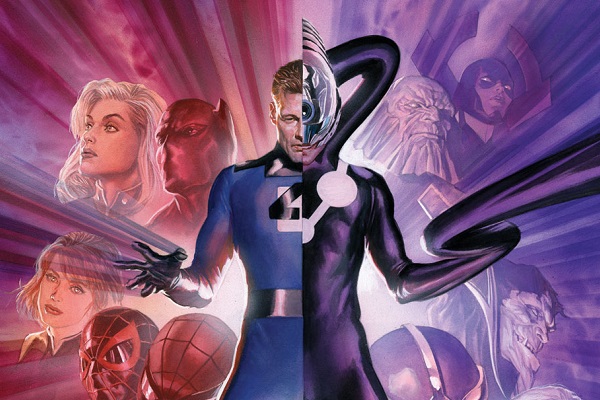
Just this year, Marvel€™s comic event Secret Wars has wiped out of existence both the Ultimate and regular Marvel universe, effectively erasing over fifty years of history in order to streamline things for new readers who are coming into the medium from the movies and shows. This shows that while they clearly respect their history and lore, they are not irrationally devoted to it at the expense of moving forward. With all of the movies, several seasons of the associated spin-off TV shows, and whatever other spin-offs come down the line, there may come a time when the best move is to have a crisis and reset everything. We may get the equivalent of a €œnew first issue€ in a remake of the first Iron Man movie with a new actor who dusts off the character for an entirely new audience. Look at the Daniel Craig James Bond movies. Hell, look at the James Bond series as a whole for good examples of soft-reboots and reinvigorating franchises. If the time comes, the MCU can€™t be afraid to jettison what it has stored up. Do you think Marvel has some problems to fix? And are the comics the solution? Share your thoughts down in the comments.

Contributor

Trevor Gentry-Birnbaum spends most of his time sitting around and thinking about things that don't matter.