5 Telltale Signs Marvel Studios Is About To Implode

There's a Civil War brewing in Marvel Studios, and it has nothing to do with Captain America and Iron Man.
As of right now, it almost appears as if Marvel Studios is unstoppable. Moving from hit to hit, their movies receive almost unanimously positive reviews (only a few tropes ultimately seem to keep tripping them up with some critics) and comic book fans worship Kevin Feige like he's some sort of deity. Every time a non-Marvel Studios movie goes wrong, the answer is always to let the rights revert to them so they can get it right; Sony have even done just that by turning to Feige for help with the Spider-Man franchise! However, as they now set their sights on Phase 3, cracks are starting to form in the House of Ideas. Over the past six months or so, rumours of troubles behind the scenes have started to plague the once seemingly perfect studio, and now a serious divide has formed between Marvel Entertainment and Marvel Studios which points to a war between the two which could end up leading to even more casualties in the company than those set to occur in the MCU when Captain America: Civil War finally reaches the big screen. So, what are the main problems facing Marvel Studios and which TV shows and movies look set to suffer as a result?

5. Marvel Studios Vs. Marvel TV

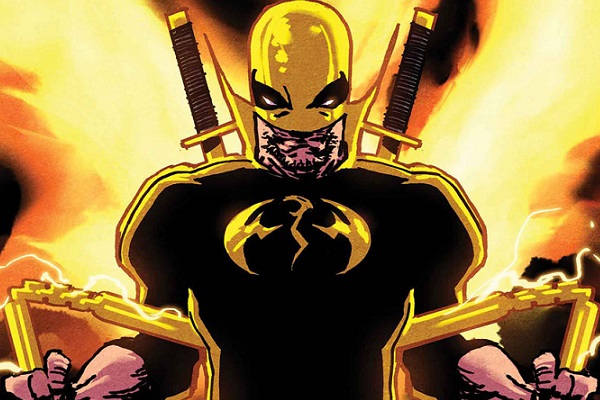
Some time ago, it was reported that Marvel Studios President Kevin Feige views the TV division of the company as being a necessary evil of being part of Disney (they own ABC and pushed for Agents Of S.H.I.E.L.D., as well as all the animated shows cropping up on Disney XD). His lack of involvement with that side of things became apparent earlier this year when he admitted to not having had chance to watch Daredevil, a series set in the Marvel Cinematic Universe featuring a character you'd think would be important to Feige given the big screen potential of The Defenders. Agents Of S.H.I.E.L.D. is another series he hasn't seemed particularly interested in discussing in the past, while Agent Carter is thought to be the only Marvel TV series in which he and the rest of the movie division were heavily involved in in order to preserve that character for her appearances in the likes of Captain America: The Winter Soldier and Avengers: Age Of Ultron. However, it's important to note that Marvel Studios has a say in how all of these shows ultimately come together, and it sounds like that could be a problem for Iron Fist. Following reports that the TV division are finding the character a tough nut to crack, Bleeding Cool may have shed some light on why recently in a story which saw the site claim that the Netflix series has been hit by a ton of Marvel Studios interference. Their notes are said to be so difficult that the show could end up being scrapped. What on Earth would the movie arm of Marvel have to gain from a move such as this? Well, whether it's being done simply to spite the TV division (which is run by Jeph Loeb and reports directly to Marvel CEO Isaac Perlmutter instead of Disney, but more on why that matters later), some sort of power play, or the fact that Feige is sick of having the company's small screen plans interfere with the movie ones, this sort of in fighting is very concerning, and both Marvel and the fans are going to suffer in the long run.

4. The Inhumans

Despite denials from numerous other sites (many of whom also laughed off early rumours of the Fantastic Four reboot being in serious trouble), another Bleeding Cool story to send shockwaves across the internet recently is the fact that 2019's Inhumans movie has been scrapped. While it may still have a release date, it's apparently been taken off the internal slate and isn't being actively developed in any way despite the fact that Agents Of S.H.I.E.L.D. has become a series which revolves around the entire concept of Inhumans as it looks to help set the stage for what the movie is going to introduce. Much of this seems to stem from the growing divide between the movie and TV divisions, most likely because Feige is unhappy with the fact that show is covering the Inhumans and potentially jeopardising the way he wanted to introduce them on the big screen. After all, while it's been easy enough for the movies to so far ignore Agents Of S.H.I.E.L.D. - and let's face it, that's exactly what they've been doing - it's going to be a little tougher to turn a blind eye to three year's worth of storylines from the series and the fact that Earth is covered with humans who have superpowers because of the Inhumans. While Feige has talked fairly enthusiastically about the Inhumans over the years, it's apparently a movie pushed for by Perlmutter, and by agreeing to that, the Marvel Studios President was given the green light on his passion projects Black Panther and Captain Marvel. Those are two films the frugal Marvel CEO may have balked at, especially if previous reports about his opinions on race (he didn't believe anyone would notice when Terrence Howard was recast for Iron Man 2) and gender (he's responsible for the lack of Black Widow merchandise because he doesn't believe it will sell) are accurate. There are a lot of valid reasons why movies may have the plug pulled on them, but such huge shifts happening due to internal squabbles is not a good sign, especially as it will no doubt lead to retaliation and more hard to fathom moves which ultimately damage the brand and its output. However hard this one may to believe, it happening would certainly make sense, and who knows which other franchises could also suffer.

3. Feige's Feud With Perlmutter

By now, you're probably mighty curious about why this Ike Perlmutter fella is so damn important and the reason Kevin Feige is clashing with him. First, a little backstory. Perlmutter is well known for being extremely frugal, with infamous stories about limiting the numbers of drinks the press are allowed at junkets and placing unreasonable restrictions on the kind of perks actors are given during shoots which come as standard on 99.9% of other blockbusters. As unusual as that may be, it was a method which appeared to work for Marvel Studios for a long time, but as the Marvel Cinematic Universe grew, this started becoming a real problem. It seems like Feige's first big clash with Perlmutter came when the decision was made to have Robert Downey Jr. star in Captain America: Civil War. With an overhaul of the actor's current deal needed, Ike nearly blew the whole thing, refusing to pay the actor and demanding at one point that Downey Jr. be fired altogether. Feige managed to smooth things over, but this was the straw that broke the camel's back, and is what led to Marvel Studios splitting from Marvel and now reporting directly to Disney instead. That's a pretty seismic shift in how business is handled, and The Hollywood Reporter later weighed in with a damning exposé revealing that Ike's constant demands about not spending too much and Marvel's Creative Committee (whose notes may have led to Edgar Wright leaving Ant-Man) are what led to the split. It's a move which means Marvel Studios and Marvel are now completely separate entities, similar in some ways to how Fox and Sony - who own characters like the X-Men and Spider-Man - are able to act autonomously from the parent company who hold all but the film rights to iconic superheroes like the ones mentioned above. On the one hand, this is a good thing; Marvel Studios will now have more freedom and more money to spend, but Phase 3 is going to be a huge test for them as they adjust to what sounds like a drastically different business model. However, it can't be denied that frugality has so far worked well for Marvel, while the Creative Committee have done a lot of good over the years; as well as keeping an eye on continuity, it was Brian Michael Bendis who wrote that scene between Iron Man and Nick Fury which set this Cinematic Universe in motion at the end of the former's first solo outing! At the end of the day, warring executives operating within the same company is not something which is going to end well. If one recent rumour is to be believed, things actually look set to take a very nasty turn as Marvel Studios plan on laying off as many as fifty East Coast staffers who are tied to Perlmutter in some way. There's just no way this story ends up having a happy ending for anyone involved.

2. The End Of The Line

Moving away from backstage drama for a second, and there's a very worrying problem Marvel is facing with those who star in front of the camera rather than squabble behind it. As we enter Phase 3, the contracts of almost all of their actors are close to being at an end. Whether it's Robert Downey Jr., Chris Evans, Chris Hemsworth, or even supporting players like Jeremy Renner and Scarlett Johansson, those six and nine picture deals no longer have quite so many movies left on them, and with two of their biggest earners - Downey and Evans - indicating that they may be ready to step away, Marvel could find themselves back at square one. Sure, Guardians Of The Galaxy was an unexpected success, but Ant-Man's $400 million haul proved that launching new franchises with obscure characters isn't easy. Captain Marvel, Black Panther, and Doctor Strange all face the same problem, and while Ant-Man's numbers are certainly respectable, that's hundreds of millions of dollars less than what Marvel has grown accustomed to making. Without box office draws like the actors mentioned above to back them up, we could see Marvel begin to take less chances and Disney unwilling to give them a green light on the amount of projects Feige wants to make and comic book fans want to see. Even if Marvel goes down the route of recasting characters in the style of James Bond to keep their more popular franchises alive without the faces who have helped to build them up to that point, Phase 3 looks set to be a big test for the studio. Of course, there's every chance that Kevin Feige is now going to have access to enough money to make the Phase 1 actors offers they simply can't refuse. If they say no though and the newly introduced heroes fail to connect with moviegoers, superhero fatigue won't come down to people growing bored with the genre; it will stem from a lack of interest in those who are being presented to them...

1. Spending Money To Make Money

As was previously mentioned, one of the driving forces behind the Marvel/Marvel Studios split came down to Kevin Feige wanting more money to spend on these movies. That's an understandable and arguably necessary decision considering the fact that the Marvel Cinematic Universe is constantly growing and that there's an obvious need to keep audiences entertained by making everything bigger and better than what's come before. However, this is also a move which everyone involved could end up seriously regretting! After all, it's been reported that Disney viewed Avengers: Age Of Ultron as a financial disappointment, despite the fact that it only slightly fell short of the first movie's $1.4 billion haul. While they certainly didn't lose on the sequel, they threw a lot of money at it in the hope that it would outgross the first instalment, especially after the success of the other Phase 2 releases (many analysts initially predicted it might reach $2 billion). However, that clearly hasn't worried them too much, as their plan is to spend $1 billion on the two Avengers: Infinity War movies. That's an insane amount, but includes the budgets for both instalments of the franchise and a whopping $400 million for the actors who will star in them (half of which is going straight to Robert Downey Jr. allegedly). Disney and Marvel Studios clearly believe that Avengers: Infinity War Part 1 and 2 - which are no doubt going to be massive spectacles - will be box office hits, and think that throwing all this money at them will ensure that moviegoers can't help but be drawn in to checking them out at a time where we will quite possibly be entering an era of superhero movie fatigue. If that seems unlikely to you, bear in mind that these Infinity War is going to be released following three years of more comic book adaptations being released than ever before. Chances are that this is a gamble which is going to pay off for Disney, but if something goes wrong, then the studio may decide that like some of their other failed live-action franchises they've lost a lot of cash on (Tron and John Carter for example) Marvel may not be a huge priority for them any more... Do you think time's running out for Marvel? Or are these issues just part for the course? Weigh in with your opinion down in the comments.

 
Posted On: 
Contributor
Contributor

Josh Wilding hasn't written a bio just yet, but if they had... it would appear here.