50 Greatest Directors of the 21st Century
We pay tribute to those who have proved themselves to be the very best working in the industry today.
 It was the best of times, it was the worst of times: So goes the very famous opening to a very famous novel. Back in 1859, that now-immortal line served to summarize an age that Charles Dickens saw as prosperous, civilized and advanced - and at once, frightening, medieval and counter-constructive. It's a sentiment that works endlessly in a historical sense. But it works, too, for a particular age of cinema. Yes, the 21st century is an age of endlessly bland low-budget horror features, mindless blockbusters, unnecessary sequels, remakes and prequels... but the 21st century has also proved itself to be a most valuable time for dozens of masterful directors working at the top of their game. These filmmakers strive to innovate, craft and produce films that mark the era, challenge audiences, and shock, surprise and stun without the sacrifice of good narrative, technique and character. These are the directors who have proven that blockbusters can be made with intelligence, and that low-budget doesn't necessarily mean low-quality. Join us as The 50 Greatest Directors of the 21st Century strives to pay tribute to those great filmmakers who, since 2000, have proved themselves to be the very best working in the industry today. Simply stated, it's because of these talented individuals that cinema remains as enthralling and exciting as ever. How this list was complied: 1. Directors can have made films before the year 2000 (most have), but only works made after said year have been used to consider their place on this list. 2. This list is wholly subjective and is nothing more or less than personal opinion. Feel free to agree or disagree with any of the filmmakers listed here: that's exactly what film lists are for, after all. 3. There are many considerations as to why the directors here were chosen. Mostly, it's down to quality of the films themselves, but sometimes other things have been taken into account. These include but are not exclusive to: work ethic, cultural influence and impact, zeitgeist. 4. Though every filmmaker on this list should be automatically acknowledged as both talented and important, their 21st century careers have been considered with an intended fairness - this author has not strayed from highlighting the negative attributes or lesser works of the directors chosen here during this period. Nobody's perfect. 5. Cream of the Crop entries are merely a personal recommendation of a particular director's best work from the 21st century.
50. George Clooney
 21st Century Filmography:Confessions of a Dangerous Mind (2002), Good Night, and Good Luck (2005), Leatherheads (2008), The Ideas of March (2011) It isn't enough that George Clooney is an actor of the highest caliber, he's a talented director, too, and has established himself as one of Hollywood's better filmmakers since he first got behind the camera in 2002. Clooney's style is a lot like the man: handsome, slick, entertaining, confident and politically-minded. Whether or not the former E.R. star has yet proven his worth as a great filmmaker remains open for debate, but the 21st century has definitely appeared to be a promising start for the man who punched David O. Russell in the face on the set of Three Kings for being mean to the extras. First Feature: Confessions of a Dangerous Mind (2002)Cream of the Crop: Good Night, and Good Luck (2005)Next Up: -
49. Richard Kelly
 21st Century Filmography:Donnie Darko (2001), Southland Tales (2007), The Box (2009) Richard Kelly came out of nowhere with his mind-bending science-fiction masterpiece Donnie Darko, a brilliant time-travel puzzle masquerading as a teen angst flick. With its slow, relative climb into certified cult classic, the young director found himself branded an indie movie hero at just 27. Since then, Kelly has struggled to find major success with any of his follow-up features (the messy Southland Tales in 2007 and mediocre horror The Box in 2009), but the sheer originality of the $4.5 million Donnie Darko and its impact on the independent film circuit provides as good a message in an age of budding filmmakers: low-budget doesn't have to be restrict the imagination. First Feature:Donnie Darko (2001)Cream of the Crop: Donnie Darko (2001)Next Up:Corpus Christi (2013)
48. Duncan Jones
 21st Century Filmography:Moon (2009), Source Code (2011) The son of legendary British musician David Bowie, Duncan Jones made his name in 2008 with old-school science-fiction yarn, Moon, after shifting from a prospering career in advertisement. Moon triumphed on two levels - as an undeniable love-letter to classic sci-fi flicks and as a modern resurgent for a genre-in-need. Though it proved a modest success at the box office, critics and producers alike saw Moon for exactly what it was: a contemporary gem (produced on a surprisingly low-budget). Jones followed it with the hugely-acclaimed Source Code, an ingeniously twisted blend of Groundhog Day and Murder on the Orient Express, and now stands as one of very few true visionaries working in the science-fiction genre today. First Feature:Moon (2009)Cream of the Crop:Moon (2009)Next Up:Mute (2013)
47. Edgar Wright
 21st Century Filmography:Shaun of the Dead (2004), Hot Fuzz (2007), Scott Pilgrim vs. The World (2010) Edgar Wright graduated to feature filmmaking after directing two series of a particularly movie-infatuated TV classic: Spaced. Spaced gave Wright time to hone his particularly kinetic style as a storytelling device: This peaked when he helmed Shaun of the Dead in 2004 (penned by himself and fellow Spaced alumni Simon Pegg), arguably the funniest comedy of the 21st century so far. Described purposefully as "a romantic comedy. With zombies," it served as an equal parody and love letter to the George A. Romeo films that both Wright and Pegg grew up idolizing. Pitch-perfect in almost every way, it became an instant classic. Hot Fuzz came next in 2007, a similarly-executed feature that transposed the American buddy cop genre to a small Somerset town. Though messier and less focused than its predecessor, Wright showed the world that he was no one-hit wonder. He made his first steps into Hollywood with an explosive adaptation of comic book Scott Pilgrim vs. The World, and is joining the billion-dollar ranks of the Marvel Cinematic Universe with an adaptation of Ant-Man (set for a 2014 release). Yes - the future is looking exceedingly Wright. First Feature: Shaun of the Dead (2004)Cream of the Crop: Shaun of the Dead (2004)Next Up: Ant-Man (2014)
46. Guillermo Del Toro
 21st Century Filmography:The Devil's Backbone (2001), Blade II (2002), Hellboy (2004), Pan's Labyrinth (2006), Hellboy 2: The Golden Army (2008) Guillermo Del Toro is a big nerd at heart: it's his love of the horror genre and directors like George A. Romero, Alfred Hitchcock and Mario Bava that drive his movie-making passions. But instead of expressing these passions with homage-clad films like those of, say, Quentin Tarantino or Edgar Wright, Guillermo spins his influences into an original kind of gothic mysticism that might find its roots in his Mexican heritage. That's assured that his films are always identifiably Del Toro. Although he's found himself at the helm of several adaptations and sequels over the course of this century, Del Toro's best works are definitely those produced from his own ideas: The Devil's Backbone, a brilliantly-told ghost story, and Pan's Labyrinth, a tour de force in genre blending, special effects and label-defying. First Feature: Cronos (1993)Cream of the Crop: Pan's Labyrinth (2006)Next Up: Pacific Rim (2013)
45. Michel Gondry
 21st Century Filmography: Human Nature (2001), Eternal Sunshine of the Spotless Mind (2004), The Science of Sleep (2006), Be Kind Rewind (2008), The Green Hornet (2011) Michel Gondry has often struggled to find his voice when it comes to feature filmmaking - both Be Kind Rewind and The Green Hornet were unveiled to bewildered audiences and critics, all of whom failed to connect with the somewhat conflicted mood of the films. Maybe that's because Gondry, who was born in France and started out directing music videos, is meant for better material. You can't argue with the aesthetic quality of those Hollywood outings, but 2005's Eternal Sunshine of the Spotless Mind, based on a script by Charlie Kaufman, allowed Gondry to showcase his talents as an accomplished visionary director when paired with material that worked for him: the result was a sensational achievement, a film that was dreamlike, surrealistic, colorful, weird and (above all) warming, just like, one supposes, the inside of Gondry's mind. First Feature:Human Nature (2001)Cream of the Crop:Eternal Sunshine of the Spotless Mind (2004)Next Up:The We and I (2012)
44. James Cameron
 21st Century Filmography:Avatar (2009) We know, we know: James Cameron has made just one film this century, but there's no way the man behind the highest grossing film of all time could have been left off of a list like this. Although most of the world seems to have had some second thoughts regarding Avatar (replacing that original awe with concerns over its supposed unoriginality), there's absolutely no way anybody can deny the impact and legacy that such a film has made in so short a time. After all, this was the motion picture that made 3-D look necessary (that's really, really hard to do) and at the same time served as a kind of "Hey, this is what we can do with computers now!" showcase. Whether or not you're still blown away by Avatar, or feeling betrayed at the similarities it shares with Pocahontas, James Cameron must be commended for the extent of such an achievement. The guy really knows exactly how to make an event movie. First Feature:Piranha II: The Spawning (1981)Cream of the Crop: Avatar (2009)Next Up:Avatar 2 (2014)
43. Richard Linklater
 21st Century Filmography:Waking Life (2001), Tape (2000), School of Rock (2003), Before Sunset (2004), Bad News Bears (2005), A Scanner Darkly (2006), Fast Food Nation (2006), Me and Orson Welles (2009), Bernie (2011) Texas-born Richard Linklater has refused to be labeled since he first emerged in the 90s with his uniquely-voiced slacker/stoner comedies - and that's a good thing. Diverse, dialogue-obsessed Linklater has put his name to a variety of projects over the course of the 21st century with varying degrees of success, but there's no denying his talent and unwillingness to play it safe. Recent highlights include the wonderful Me and Orson Wells, the real-time rom-com sequel Before Sunset, and the strange and paranoid A Scanner Darkly. It's irresistible Jack Black vehicle School of Rock, however, that remains Linklater's most enjoyable work ever. What could have been generic and formulaic comes across as first-class entertainment - and has perhaps since earned its place as the most rewatchable comedy ever. First Feature:Slacker (1992)Cream of the Crop: School of Rock (2003)Next Up:Boyhood (TBA)
42. Ang Lee
 21st Century Filmography:Crouching Tiger, Hidden Dragon (2000), Hulk (2003), Brokeback Mountain (2005), Lust, Caution (2007), Taking Woodstock (2009) So his version of the Hulk origin story was artier than superhero fanboys were hoping for, but Ang Lee's tender telling of the big green transformation was at least original, beautiful and complex - three signature traits that each of Lee's films emotionally-weighed films tend to encompass. Most film-goers became familiar with the Taiwanese director when his brilliant art-house/martial arts hybrid Crouching Tiger, Hidden Dragon hit foreign shores, but it's the romantic cowboy drama Brokeback Mountain that Lee finds himself most associated with nowadays (perhaps for the wrong reasons). First Feature:Pushing Hands (2001)Cream of the Crop:Crouching Tiger, Hidden Dragon (2000)Next Up:Life of Pi (2012)
41. Shane Meadows
 21st Century Filmography:Once Upon A Time In The Midlands (2002), Dead Man's Shoes (2004), This Is England (2006), Somers Town (2008), Le Donk & Scor-zay-zee (2009) Before he made his debut as a filmmaker, Staffordshire-born Shane Meadows left school without finishing his GCSEs and took to a life of petty crime. It's somewhat fitting, then, that Meadows would eventually take the torch from Ken Loach to become the century's leading director of modern kitchen sink drama. Meadow's films are mostly dingy, realistic, partly autobiographical tales set in England's culturally diverse Midlands. As seen in his 2002 romantic comedy Once Upon A Time in The Midlands, his characters are often flawed, likable souls, almost always searching for something or someone to connect with. His dark, haunting masterpiece Dead Man's Shoes is a terrifying exercise in revenge cinema and established Meadow's talent for utilizing performances to make up for a low-budget. 2006's This Is England brought Meadows worldwide attention and further critical acclaim with its exploration of friendship, music and race relations. He tried his hand at mockumentary in 2009 with Le-Donk & Scor-zay-zee, ensuring that he is not a director to be pigeon-holed into one genre. First Feature:Small Time (1996)Cream of the Crop:Dead Man's Shoes (2004)Next Up: -
40. Roman Polanski
 21st Century Filmography:The Pianist (2002), Oliver Twist (2005), The Ghost Writer (2010), Carnage (2011) Roman Polanski's name may be forever synonymous with a former felony that refuses to stay out of the papers, but as far as filmmaking goes, the 21st century has been kind to the French-Polish born auteur. In 2002, Polanski directed The Pianist, a WW2 story about the invasion of Poland, and garnered his greatest achievement to date: the Oscar for Best Director. He also led Adrien Brody, then only 29, to becoming the youngest male ever to win the Best Actor Oscar. Polanski's projects have remained varied over the course of the last 12 years, having directed a hilarious adaptation of play Carnage and pitch-perfect crime thriller The Ghost Writer. His interpretation of classic Dickens novel Oliver Twist, though described by many critics as overblown and impersonal, remains and underrated and beautifully directed slice of classic cinema. First Feature: Repulsion (1965)Cream of the Crop:The Pianist (2002)Next Up: -
39. Sam Mendes
 21st Century Filmography:Road to Perdition (2002), Jarhead (2005), Revolutionary Road (2008), Away We Go (2009) Sam Mendes is a director you can count on. Since he impressed movie-goers in 1999 with the utter confidence of film debut American Beauty, Mendes has assured a 21st century career teeming with skillfully constructed, brilliantly entertaining and visually memorable motion pictures. Often pairing with master cinematographer Roger Deakins and composer Thomas Newman (you know a Sam Mendes film when you hear one), the director from Reading, England has tried his hand at a number of genres in his relatively short career - each to success. Road to Perdition, perhaps his best work in the last 12 years, is a haunting, vivid and violent adaptation of the similarly-named graphic novel - it also featured Tom Hanks in an unlikely gangster role. Then there was the underrated period drama Revolutionary Road, which re-teamed Titantic duo Leonardo DiCaprio and Kate Winslet (Mendes' wife at the time). Changing the pace, Mendes took to indie outing Away We Go in 2009, displaying a skill for both comedy and more natural material. How do you reward a director of such consistent chops? Well, you give him the next James Bond movie, of course. First Feature:American Beauty (1999)Cream of the Crop:Road to Perdition (2002)Next Up:Skyfall (2012)
38. Clint Eastwood
 21st Century Filmography:Space Cowboys (2000), Blood Work (2002), Mystic River (2003), Million Dollar Baby (2004), Flags of Our Fathers (2006), Letters from Iwo Jima (2006), Changeling (2008), Gran Torino (2008), Invictus (2009), Hereafter (2010), J. Edgar (2011) The legendary western icon who made his name as a lawless man without one, Clint Eastwood has reinvented himself as an actor with all the capabilities of a great director. Whether you doubt that Eastwood deserves status as a working auteur because of the somewhat light and arguably voiceless tone of his frequently expanding output, its precisely that sense of breathing space that the director allows his films that lets them flourish and speak for themselves. 21st century highlights include: Mystic River, Million Dollar Baby and Gran Torino.First Feature:Play Misty For Me (1971)Cream of the Crop:Mystic River (2003)Next Up:Trouble With The Curve (2012)
37. Ridley Scott
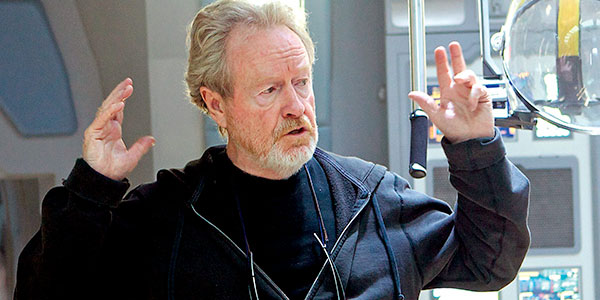 21st Century Filmography:Gladiator (2000), Hannibal (2001), Black Hawk Down (2001), Matchstick Men (2003), Kingdom of Heaven (2005), A Good Year (2006), American Gangster (2007), Body of Lies (2008), Robin Hood (2010), Prometheus (2012) Ridley Scott is often considered one of the world's best directors, although the quality of his output remains a somewhat varied state of affairs. For every great film that Scott has made, he's made a bad and a mediocre one. That's especially true for the 90s: the only good film to come out of that period was Thelma & Louise. As a result, Scott's prime is often thought to have been somewhere between the 70s and 80s, but a brief glance at those periods reveals only Alien and Blade Runner as great works. It's arguable, then, that Scott's prime has been in recent years, over the course of the 21st century. It started strong with the ever-popular Gladiator in 2000, a film that pretty much revived the dead sword-and-sandal genre, and Black Hawk Down in 2001, now often considered somewhat of a modern war classic. A visual master known for his aesthetic attention to detail, Scott has found beauty in even his most mediocre efforts: Hannibal, Kingdom of Heaven, Body and Lies and Robin Hood may not be classics, but they can be appreciated for their epic production values. The same goes for Prometheus - perhaps the most hyped movie of 2012 - which managed to disappoint everybody who had seen the (better) trailers, but also remains an intriguing mess and SFX feast. He may not deliver the goods each and every time, but the announcement of a new Ridley Scott film still warrants an excitable grin - there's a good chance it'll reach great heights. First Feature: The Duelists (1977)Cream of the Crop: Gladiator (2000)Next Up: - The Counselor (2013)
36. Kim Ji-Woon
 21st Century Filmography:The Foul King (2000), Coming Out (2000), A Tale of Two Sisters (2003), A Bittersweet Life (2005), The Good, the Bad and the Weird (2008), I Saw The Devil (2010), Doomsday Book (2012) This South Korean genre-maestro is big news in Asia. Perhaps it's his willingness to experiment with all types of cinema, or the assured technical proficiency that surrounds every aspect of his work. Whatever the reason, Kim Ji-Woon is one of the best directors to emerge from the Asian film scene this century. Like many directors, Kim Ji-Woon started out in the theater but has a natural knack for all things cinematic: every frame in a Kim Ji-Woon movie seems to have been placed with perfection precision. The results? That I Saw The Devil is one of the most beautifully-shot serial killer movies ever made. That The Good, the Bad and the Weird explodes all over the screen in a frenzy of colours and vivid set-pieces. Then there's A Tale of Two Sisters, a dark, haunting, twisted exercise in horror filmmaking that will leave you stunned. A director of all trades, there's no stopping this highly versatile artist as he hops between genres, creating one great film after the next. First Feature: The Quiet Family (1998)Cream of the Crop: I Saw The Devil (2010)Next Up: Last Stand (2013)
35. Alexander Payne
 21st Century Filmography:About Schmidt (2002), Sideways (2004), The Descendants (2011) Alexander Payne's Sideways is the defining drama/comedy of the 21st century. Adapted from the Rex Pickett novel of the same name, it's a pitch-perfect blend of buddy comedy and dramatic portrait. That's to say, Alexander Payne's strength lies in the way he pairs these elements together with ease and conviction to create movies that are both humorous and touching - plus he knows exactly how important casting is in these cases. Both About Schmidt and The Descendants are equally successful in their tellings of beaten individuals who have to find something to live for - and were both released to critical acclaim. First Feature: Citizen Ruth (1996)Cream of the Crop: Sideways (2004)Next Up: -
34. Paul Greengrass
 21st Century Filmography: Bloody Sunday (2002), The Bourne Supremacy (2004), United 93 (2006), The Bourne Ultimatum (2007), Green Zone (2010) Paul Greengrass is likely responsible for cinema's sudden shift to hyper-realistic, frantically-paced action sequences - so much so, that even James Bond had to take note and reboot the franchise. If the extremely hard-hitting, hand-held camera-based fisticuffs of the Bourne series made a mockery of staler cinematic showdowns, it makes sense that just about everybody in Hollywood has tried to imitate Greengrass's action chops (for better or for worse) since. Despite being a talented action filmmaker, Greengrass is also a wonderful director of human stories - his remarkable United 93, based on the 9/11 attacks, is so tastefully achieved and emotionally wrenching, that it puts any similar-themed projects to shame. The same goes for his powerful IRA drama Bloody Sunday, made in 2002 on a TV budget. First Feature: Resurrected (1989)Cream of the Crop: United 93 (2006)Next Up: A Captain's Duty (2013)
33. Jason Reitman
 21st Century Filmography:Thank You For Smoking (2005), Juno (2008), Up In The Air (2009), Young Adult (2011) Jason Reitman is a special kind of talent. His films are tight, breezy, funny, and ingrained with those good life lessons that resonate without punching you in the face and saying so. Whether it's with the idiosyncratic Juno (the Diablo Cody-penned comedy about teen pregnancy) or the brilliant Up In The Air (George Clooney on perfect form), Reitman has proven in a mere 7 years that he is making some of the most confident comedy/drama films in Hollywood... and has received four Oscar nominations in that short time to prove it. First Feature: Juno (2008)Cream of the Crop: Up In The Air (2009)Next Up: Labor Day (2013)
32. Fernando Meirelles
 21st Century Filmography:Maids (2001), City of God (2003), The Constant Gardener (2005), Blindness (2008), 360 (2011) If you're not yet familiar with the name Ferando Meirelles, you owe it to yourself to get acquainted with his work. After all, Meirelles is the writer/director behind a film that might seriously be considered the greatest film of the 21st century so far: City of God. An intimate, detailed and beautifully-rendered crime film about life in the slums of Rio De Janerio, City of God is everything that a definitive modern masterpiece should be: powerful, lingering, epic, brutal and heartbreaking. A director of beauty, control and natural vision, Meirelles continues to stun and amaze in Hollywood: both The Constant Gardener and Blindless opened to critical acclaim. First Feature:Maids (2001)Cream of the Crop:City of God (2003)Next Up:Janis Joplin: Get It While You Can (2012)
31. David Cronenberg
 21st Century Filmography:Spider (2002), A History of Violence (2005), Eastern Promises (2007), A Dangerous Method (2011), Cosmopolis (2012) There was a crazy kind of resurgence in David Cronenberg's career as the 21st century reared its head: the Canadian director best known for his dark, obscure meditations on violence, body mutilation and sex, took on an adaptation of graphic novel A History of Violence and was met with widespread critical acclaim for what emerged as a brilliantly taut and complex thriller. Cronenberg followed this with London-based crime film Eastern Promises, confirming his status as a master filmmaker working in the second great period of his long career. First Feature: Stereo (1969)Cream of the Crop: A History of Violence (2005)Next Up: -
30. Wes Anderson
 21st Century Filmography:The Royal Tenenbaums (2001), The Aquatic Life of Steve Zissou (2004), The Fantastic Mr. Fox (2007), Moonrise Kingdom (2012) How exactly does one describe a Wes Anderson movie? Quirky? Offbeat? Symmetrical? The Texas-born director's movies might prove a little too self-conscious for the majority of filmgoers, but his witty, dry and ultimately life-affirming tales of beaten, brooding characters and their flawed families and friends have struck a chord with audiences since he made his debut in the early 90s. The Royal Tenenbaums, Anderson's first movie of the 21st century (and perhaps the most definitive example of a Wes Anderson film) manages to be both precocious and brilliant, and showcased his natural skill for large casts and elegant structure. Then, in 2007, Anderson tried his hand at animation with a stop-motion adaptation of Roald Dahl's The Fantastic Mr. Fox and bagged himself an Oscar. His biggest achievement of this century, however, came recently in 2012: Moonrise Kingdom, a heartfelt, deadpan story about childhood romance and all its trappings, proved to be his best film since 1995's Rushmore. Whether or not he inspires every inch of your being or annoys the hell out of you, Anderson has proven his worth - and his talent for obsure, odd and (above all) utterly original filmmaking. First Feature: Bottle Rocket (1992)Cream of the Crop: Moonshine Kingdom (2012)Next Up: The Grand Budapest Hotel (2013)
29. Sofia Coppola
 21st Century Filmography: Lost in Translation (2003), Marie Antoinette (2007), Somewhere (2010) It must have been hard growing up as the daughter of one of the world's most famous directors, but these days Sofia Coppola has proven herself a far better 21st century filmmaker than her father. After success with an adaptation of The Virgin Suicides in 1999, Coppola made arguably the best film of 2003 and nabbed an Oscar for Best Original Screenplay with Lost in Translation, a Tokyo-based love story starring Bill Murray (in his best performance to date) and Scarlett Johansson which proved to be a perfect meditation on aging, alienation, relationships and culture shock. Continuing with her favourite themes of celebrity and loneliness, Coppola made the underrated costume drama Marie Antoinette in 2007 and followed it with the quiet Somewhere in 2010, an art-house outing that picked up the top prize at the Venice Film Festival that same year. First Feature:The Virgin Suicides (1999)Cream of the Crop: Lost in Translation (2003)Next Up:The Bling Ring (2013)
28. Gus Van Sant
 21st Century Filmography: Finding Forrester (2000), Gerry (2002), Elephant (2003), Last Days (2005), Paranoid Park (2007), Milk (2008), Restless (2011) You have to give it to Gus Van Sant: he's extremely brave. Considering that this is the director who decided to helm a shot-for-shot remake of Psycho in the 90s as a kind of artistic experiment, you'd fear he would be relegated to the outskirts of the film community and shunned forever. But it's those kinds of risks that make the Kentucky-born director so special. Whether it's the strange, ponderous Gerry, or the bleak, haunting and unforgettable Columbine-inspired Elephant, Van Sant isn't afraid to make movies that hit you with a resounding punch - even if he has to step on Hitchcock's toes to do so. First Feature: Mala Noche (1985)Cream of the Crop: Milk (2008)Next Up: -
27. Mike Leigh
 21st Century Filmography:All or Nothing (2002), Vera Drake (2004), Happy-Go-Lucky (2008), Another Year (2010) Mike Leigh is a constant, reliable force of professionalism and integrity when it comes to the realm of British cinema. Active since the early 70s, and alternating his time between making movies and directing plays, Leigh is renound for the unique way his films flit between moments of humour and sadness. He's perhaps one of very few directors who begins his projects without a script - instead, Leigh prefers to develop on a basic idea with his actors, favoring improvisation. Since 2002, he has directed four films: each and every one has been released to critical acclaim. First Feature: Bleak Moments (1971)Cream of the Crop: Happy-Go-Lucky (2010)Next Up: -
26. Woody Allen
 21st Century Filmography: Small Time Crooks (2000), The Curse of the Jade Scorpion (2001), Hollywood Ending (2002), Anything Else (2003), Melinda and Melinda (2004), Match Point (2005), Scoop (2006), Cassandra's Dream (2007), Vicky Cristina Barcelona (2008), Whatever Works (2009) You Will Meet A Tall Dark Stranger (2010), Midnight in Paris (2011) Say what you will about Woody Allen, but there's no denying that the New York-born director is one of the hardest working filmmakers of the last four decades. After a relatively underwhelming strand of films in the 90s, Woody shot back into unexpected form as the second millennium set into motion. 21st century highlights include the dark and brooding Match Point (with echoes of his 80s classic Crimes and Misdemeanours), the sexy Vicky Cristina Barcelona with star turns from Penelope Cruz and Javier Bardem. But it was with the utterly irresistible and charming Midnight in Paris that Allen secured his place on this list. A timeless romance that resonated with audiences absolutely everywhere, Midnight in Paris became Allen's highest grossing film to date - quite an achievement for a 76-year-old man with 45 films under his belt. First Feature: What's Up, Tiger Lily? (1967)Cream of the Crop: Midnight in Paris (2011)Next Up: From Rome With Love (2012)
25. Steven Soderbergh
 21st Century Filmography: Erin Brockovich (2000), Traffic (2000), Ocean's Eleven (2001), Full Frontal (2002), Solaris (2002), Ocean's Twelve (2002), Bubble (2005), The Good German (2006), Ocean's Thirteen (2007), Che (2008), The Girlfriend Experience (2009), The Informant! (2009), And Everything Is Going Fine (2010), Contagion (2011), Haywire (2012), Magic Mike (2012) Whether he's putting together an experimental drama starring former pornstar Sasha Grey or building a balls-to-the-walls action spectacular around a female MMA fighter, Steven Soderbergh's reputation as a chameleon is well-earned. Spending his time flicking between polished blockbusters (Ocean's Eleven, Ocean's Twelve) and smaller indie affairs (And Everything is Going Fine, Magic Mike), Soderbergh has become a creative force unto himself as the 21st century has pushed onwards. And with such defining versatility, he's one director whose next project really could turn out to be about practically anything. First Feature: Sex, Lies, and Videotape (1989)Cream of the Crop: Traffic (2001)Next Up: The Bitter Pill (2013)
24. Andrew Stanton/23. Pete Docter/22. Brad Bird
 Collected 21st Century Filmography:Monsters Inc. (2001), Finding Nemo (2003), The Incredibles (2004), Ratatouille (2007), WALL-E (2008), Up (2009), Mission: Impossible - Ghost Protocol (2011), John Carter (2012) In other words, those certified geniuses over at Pixar. In the waking nightmares of Dreamworks executives, it's a well-established fact that Pixar are probably the greatest animation studio in the world. This notion has been made largely possible because of the amazing talent pool that the company have nurtured and subsequently built their feature films on since Toy Story debuted in 1995. Andrew Stanton, Pete Docter and Brad Bird, particularly, are three directors whose works have led to Pixar's enviable 21st century reputation, all of whom have directed 2 animated masterpieces each. Andrew Stanton took the reigns on both Finding Nemo and WALL-E, two animated films on opposite ends of the spectrum. Finding Nemo, perhaps Pixar's most accessibly "kiddie" film, won the world over at large with its colourful characters, bright animation and warm sense of humour. WALL-E was a different kettle of fish - a quieter film, politically, culturally and environmentally charged, but unmistakeably built on Pixar's trademark magic. Pete Docter led the way on the brilliant Monsters Inc., a film so clever in its set-up, characters and story touches that it's spawned the first ever Pixar prequel (Monsters University is coming next year). Docter also proved himself an expert with the emotional aspects of the studio's output, having crafted some of Pixar's most heart-wrenching and tear-jerking sequences. One particular sequence (a beautiful, subtle montage that follows a young couple into adulthood and eventually old age) features in Up, Docter's second film as director, an action-packed adventure story that takes an elderly man and a boy on an amazing journey into the wilds of South America. Though former The Simpsons writer Brad Bird has shifted his talents to feature filmmaking as of 2011's Mission: Impossible - Ghost Protocol, he was once at the helm of two of Pixar's most plainly enjoyable outings: The Incredibles, an undeniably entertaining meta-commentary on the superhero genre that doubles as one of that genre's best films, and Ratatouille, a beautifully-rendered tale about a Parisian rat who wants to be a chef, each scored rave reviews and ensured that Pixar's perfect track record stayed that way. As the 21st century pushes on, film-goers should regard these directors with honour having brought joy to millions of people all over the world - and even if recent Pixar outings have lacked the exact charm and innovation of these previous works, Stanton, Docter and Brad have at least inspired animators and writers in the understanding of one important notion: Animation isn't a genre - it's a method of storytelling. First Feature: A Bug's Life (1998)/Monsters Inc. (2001)/The Iron Giant (1999)Cream of the Crop: WALL-E (2009)/Monsters Inc. (2001)/The Incredibles (2004)Next Up: Finding Nemo 2 (2014)/The Untitled Pixar Film That Takes You Inside The Mind (2015)/1906 (TBA)
21. David Lynch
 21st Century Filmography: Mulholland Drive (2001), Inland Empire (2006) Cinema's other "weird" David, American-born artist, musician, and furniture designer David Lynch has remained relatively quiet in recent years, having made just two films during the course of the century. Surreal? Dreamlike? Unnerving? Just plain odd? Since he made his debut in the 70s with the apocalyptic visions of Eraserhead, Lynch's films are the sum of his own unique style, so much so that there's even a word for it: "Lynchian." 2001's Mulholland Drive is often hailed as one of his greatest achievements, a mesmerizing blend of film noir and several strange, loosely-linked vignettes. People are still pondering its meaning today, and Lynch shows no signs of giving up the goods. First Feature: Eraserhead (1977)Cream of the Crop: Mulholland Drive (2001)Next Up: -
20. Terrence Malick
 21st Century Filmography: The New World (2005), The Tree of Life (2011) If ever a director were to be tagged a visionary, the enigmatic Terrence Malick has definitely earned his place as a firm contender for the title. Though Mallick has been banded with a reputation for disappearing for long periods of time, he managed to make a whopping two films this side of the 21st century - a robust effort for a director whose entire 40-year career only consists of six motion pictures. Often linked to themes of violence and innocence lost, Malick's The New World came to mixed reviews upon first release, but has been reappraised recently as a classic entry to his canon. Malik's 21st century triumph, and arguably his magnus opus, is 2011's The Tree of Life, endlessly debatable, mad, mystic and life-affirming - just like Malick himself. First Feature: Badlands (1973)Cream of the Crop: The Tree of Life (2011)Next Up: To The Wonder (2012)
19. Nuri Bilge Ceylan
 21st Century Filmography:Clouds of May (2000), Distant (2002), Climates (2006), Three Monkeys (2008), Once Upon A Time In Anatolia (2011) Director Nuri Bilge Ceylan has established himself as the foremost driving force of homegrown cinema in his native Turkey. Taking his cues from old masters like Tarkovsky and playwright Anton Chekov, Ceylan's films - like the wonderful dramas Climates and Three Monkeys - are drenched in brilliant-realized melancholia. But it was with his most recent picture, the epically titled Once Upon A Time In Anatolia, that Ceylan revealed his capacities as a master filmmaker. A lengthy police procedural built around a murder investigation, it was gloomy, subtle, humorous, and ultimately genre-defying. It was also one of the best movies to hit screens in 2011. First Feature: Small Town (1998)Cream of the Crop: Once Upon A Time In Anatolia (2011)Next Up: -
18. Danny Boyle
 21st Century Filmography:The Beach (2000), 28 Days Later (2002), Millions (2004), Sunshine (2007), Slumdog Millionaire (2008), 127 Hours (2010) Danny Boyle made two sensational films in the 90s - crime caper Shallow Grave and the incomparable Scotland-based drama Trainspotting - so expectations for whatever came next were high. Boyle's first film of the 21st century emerged as a massacre of otherwise brilliant source material, but things soon picked up when he teamed with writer Alex Garland for London-based horror film 28 Days Later. Boyle has spent the last ten years working in a variety of genres, showcasing a skillful adeptness for versatility. Recently Boyle's films can be categorized by their frantic pacing and vivid colour palettes: both Slumdog Millionaire (the 2008 Best Picture winner) and survival story 127 Hours show a British director working at the top of his game. First Feature: Shallow Grave (1994)Cream of the Crop: 28 Days Later (2002)Next Up: Trance (2012)
17. Hayao Miyazaki
 21st Century Filmography:Spirited Away (2001), Howl's Moving Castle (2004), Ponyo (2008) Japan's answer to Walt Disney, the legendary Hayao Miyazaki has been fighting the good fight for a number of years now, keeping traditional animation well and truly alive into the 21st century with a turnover of modern classics. Miyazaki is renowned for the detailed nature of his animated works, intricately-crafted and drawn with painstaking devotion. Though there's certified genius to be found in the frames of Howl's Moving Castle and Ponyo, it's the unparalleled creativity of 2001's Spirited Away that stands as Miyazaki's defining work: a story of dark, uncompromising beauty that remains as appealing to adults as it does to children. First Feature: Nausicaa of the Valley of the Wind (1984)Cream of the Crop: Spirited Away (2001)Next Up: -
16. Wong Kar-Wai
 21st Century Filmography: In The Mood For Love (2000), 2046 (2004), My Blueberry Nights (2007) Wong Kar-Wai's In The Mood For Love is one of the most acclaimed motion pictures of all-time. It is, in fact, the highest ranked film of the 21st century in the most recent version of prestigious Sight & Sound's 10-yearly poll as voted by critics and filmmakers. So what exactly is it about the Hong Kong-based picture that has touched so many people? Perhaps it's because Wong Kar-Wai is a master of visuals and tone: with In the Mood For Love, he creates a world so dreamy and so melancholic on visuals atmosphere alone, that the rest of the story seems to just drift into place. There are, of course, many sides to Wong Kar-Wai's talents: his unique regard for relationships, and the subtleties of human interaction, are just to name two. He has also directed the immaculately produced 2046, and the English-language drama My Blueberry Nights. First Feature: As Tears Go By (1988)Cream of the Crop: In The Mood For Love (2000)Next Up: The Grandmasters (2012)
15. Pedro Almodovar
 21st Century Filmography:Talk to Her (2002), Bad Education (2004), Volver (2006), Broken Embraces (2009), The Skin I Live In (2011) Pedro Almodovar is probably Spain's most internationally-recognized director - and perhaps the county's greatest. Almodovar has, after all, built an extremely intimidating body of eighteen feature films since he started out making campy comedies in the 1980s. Renound for his twisted narratives and love for the melodramatic, Almodovar is also a great director of women. His latest film, The Skin I Live In, is somewhat of a departure of his usual style, incorporating elements of the horror genre and greatly influenced by Hitchcock, F.W. Murnau and Fritz Lang, emphasizing Almodovar's experimental nature. First Feature: Pepi, Luci, Born (1980)Cream of the Crop: The Skin I Live In (2011)Next Up: I'm So Excited (2012)
14. Alfonso Cuaron
 21st Century Filmography: And Your Mother Too (2001), Harry Potter and the Prisoner of Azkaban (2004), Children of Men (2006) It might be strange to consider that the brutally honest, sexually-charged dramatics of 2001's And Your Mother Too came from the same man who brought adoring children the third Harry Potter movie. But Alfonso Cuaron refuses to be pigeon-holed, having made three films in three very different genres over the last 11 years - each one a masterclass in filmmaking technique. Cuaron uses his camera like a documentary filmmaker, favouring long takes and precisely-calculated movements disguised as vérité. After his films were considered unimaginative and too by-the-book adaptations of the first two Harry Potter novels, Chris Columbus was replaced by Cuaron when the time came to adapt Azkaban - producers hoped that the promising Mexican director would inject a little energy and magic into the series. He accomplished the task, adding the necessary visual flair and energetic pacing largely missing from Columbus' efforts. Then came Children of Men, a science-fiction film to rank with the all-time greats - bleak, brilliantly-realized, touching, tense and resonant. Cuaron's best film so far, it saw him working at the peak of his talents, the sum of which emerged as a beautifully-told parable with all the excitement of the highest-grade action flick. The most amazing aspect of the film was Cuaron's grasp of the London aesthetic, and his creation of a believably detailed world that could stand up against the likes of Blade Runner. First Feature: Love In The Time of Hysteria (1991)Cream of the Crop: Children of Men (2006)Next Up: Gravity (2013)
13. Paul Thomas Anderson
 21st Century Filmography: Punch-Drunk Love (2002), There Will Be Blood (2007) Paul Thomas Anderson is one of those directors who have garnered an incredible reputation despite making just a handful of films. Luckily for Anderson, it's well-deserved. After leaving film school in the confidence that it was a waste of money, the self-taught filmmaker impressed film-goers with the cool assurance of his 90s fare. A talented writer, too, Anderson's work might appear too preachy or pretentious for some audiences, but that's a minor criticism of a director whose films emanate a strange, transcendent power. Having made just two films this century, this is still arguably Anderson's best period. The genre-defining romantic comedy Punch-Drunk Love made Adam Sandler look like an actor of tortured complexity, and There Will Be Blood, a dark, haunting portrait of an late-19th century oil prospector, brought Daniel Day Lewis his second Oscar with his portrayal of the broken maniac Daniel Plainview. First Feature: Hard-Eight (1996)Cream of the Crop: There Will Be Blood (2007)Next Up: The Master (2012)
12. Lars Von Trier
 21st Century Filmography: Dancer in the Dark (2000), Dogville (2003), The Five Obstructions (2003), Manderlay (2005), Antichrist (2009), Melancholia (2011) Whether or not Lars Von Trier meant to suggest he was sympathetic to Adolf Hitler when attending Cannes in 2011, or it was just a bit of ill-judged humour on his part, it's a fitting moment for a director who seems to thrive on controversial filmmaking. Perhaps Von Trier would say he isn't purposely trying to be controversial (or maybe he would), but the man is an undeniable provocateur: the themes this Danish director often chooses to emphasis can be difficult to digest in large doses. There's no denying his talent, either, which has resulted in some of the best and most important works of the 21st century. The 21st century has also seen a slight change in his approach as director - Von Trier isn't trying so hard to force his material like he was in the 90s, and his films these days are better because of it. First Feature: The Element of Crime (1984)Cream of the Crop: Dogville (2003)Next Up: The Nymphomaniac (TBA)
11. Jia Zhangke
 21st Century Filmography:Platform (2000), Unknown Pleasures (2002), The World (2004), Still Life (2006), Dong (2006), Useless (2007), 24 City (2008), I Wish I Knew (2010) The Chinese director Jia Zhangke has got films fans all over the world waiting with baited breath for whatever project he's planning next: Zhangke, a humanist, and sometimes surrealist, has been described a number of times as "the most important filmmaker working in the world today," which is about as good as references come. If you're new to Zhangke, the place to start is with 2006's Still Life. This portrait of a community returning to a destroyed village to reclaim some of their lives is deeply touching and emotive - it won the prestigious Golden Lion at the 63rd Venice Film Festival. First Feature: Xiao Wu (1997)Cream of the Crop: Still Life (2006)Next Up: -
10. Steven Spielberg
 21st Century Filmography:A.I. Artificial Intelligence (2001), Minority Report (2002), Catch Me If You Can (2002), The Terminal (2004), War of the Worlds (2005), Munich (2005), Indiana Jones and the Kingdom of the Crystal Skull (2008), The Adventures of Tintin (2011), War Horse (2011) Steven Spielberg's films are often criticized for his tendency to embrace a kind of bland sentimentality, and it's true that many of his works (past and present) depend on romanticized emotional cues. But Spielberg is one of those true born-filmmakers because he understands exactly what drives us to the big screen in the first place: A sense of discovery and adventure that we can't get anywhere else. Spielberg's films have captured the attention of children and adults for decades, and he has created some of the most recognisable motion pictures to have ever graced the multiplex. Culturally-ingrained masterpieces like Jaws, Raiders of the Lost Ark, Close Encounters of the Third Kind, Jurassic Park, Saving Private Ryan and Schindler's List secured Spielberg's place as last century's most famous director, but what kind of place has the 21st century proven for the maestro of movies? Well, nobody would agree that the 21st century has been Spielberg's best decade (that's a toss up between the 80s and the 90s), but it definitely hasn't slowed down his work ethic. There have been a few stinkers: Indiana Jones and the Kingdom of the Crystal Skull was a huge misfire made worse by a dud of a screenplay; A.I Artificial Intelligence practically alienated everybody that went to see it (it does have some worthy hidden depths). With The Terminal, Spielberg succeeded admirably in the rom-com genre (it was better than Always, anyway), albeit forgettably, and his bringing of Tintin to the world of CG filmmaking proved to be an enjoyable - if not especially spectacular - affair. It was with Minority Report, however, that Spielberg showed his adeptness for darker materials - his adaptation of Philip K. Dick's short story resulted in a thrilling sci-fi flick that avoided the sentimental touches. Catch Me If You Can proved an elegant and highly entertaining outing for Leonardo DiCaprio, and the eagerly-awaited War of the Worlds (although a great example of Spielberg at his best and worst) brought blockbuster filmmaking back to its roots. As promising a filmmaker as ever, the time to stop looking to Spielberg for quality entertainment is still a long way off. First Feature: Duel (1971) Cream of the Crop: Minority Report (2002) Next Up: Lincoln (2012)
9. Quentin Tarantino
 21st Century Filmography: Kill Bill, Vol. 1 (2003), Kill Bill, Vol. 2 (2004), Death Proof (2007), Inglourious Basterds (2009) There's no doubt that Tarantino defined 90s cinema with his uber-cool flicks about slick gangsters and their slicker associates (and should this be a list of the The Greatest Filmmakers of the 90s, the Mississippi-born motormouth would surely top the list). After Pulp Fiction broke holy ground in '95, every budding filmmaker with a camera clammed to recreate Tarantino's fresh new style - a melting pot of pop cultural-fueled exchanges, twisted narrative technique and tendencies towards ultra-violence. So if the 21st century hasn't proven quite as prosperous for the 90s wonderboy, what were the chances that he'd break ground twice, anyway? Tarantino deriders will say that he's working backwards nowadays: His films less resemble original stories embedded with subtle homages and have become simple pastiches lacking the original beats of his earlier films. Though there's some truth in that (his Kill Bill films are obvious genre homages on purpose), it's not as if the former video store clerk has failed to acknowledge the fact that his style is... well, the style of the world's biggest film geek ("I only work in homages," he once stated). His vehicular slasher movie Death Proof gave us one of the best car chase sequences ever put to celluloid, but was underwhelming and overwritten by any standard: Critics and audiences were left cold. But with Inglourious Basterds, his 2009 western branded with World War 2 iconography, Tarantino struck a perfect balance between his straighter 90s ventures and the homage-clad Kill Bill films. It was one of the best and most enjoyable films of the decade (and gave the world Christoph Waltz - thank you!). It was also his best film since Pulp Fiction. If his popularity ain't exactly what it used to be, there's no doubt that Tarantino remains a fire of cinematic endeavor (his next movie, Django Unchained, looks to give the southern slavery scene the Inglourious Basterds treatment). Love him or loathe him, it's obvious that nobody cuts a slice of entertainment quite like Tarantino does: Entertainment made for the world's biggest movie geeks... by the world's biggest movie geek. It's obsessive cinephila expressed as an art form. First Feature: Reservoir Dogs (1992)Cream of the Crop: Inglourious Basterds (2009)Next Up: Django Unchained (2012)
8. Darren Aronofsky
21st Century Filmography:Requiem of a Dream (2000), The Fountain (2006), The Wrestler (2008), Black Swan (2010) The films of Darren Aronofsky are unashamedly bleak, dark and depressing, so it's no surprise than many film-goers are put off by these reoccurring themes of sadness: just one look at a few clips from Requiem of a Dream might be enough to put somebody off for life. But Aronofsky is one of the most talented filmmakers to emerge over the course of the 21st century - unabashed, real and emotionally-charged filmmaking is Aronofsky's thing, but these emotions are often put into a blender with surrealism, fantasy and touches of horror or science-fiction. 21st century highlights include... well, everything he's made since Requiem of Dream warrants immediate viewing. First Feature: Pi (1998)Cream of the Crop: Black Swan (2010)Next Up: Noah (2013)7. Martin Scorsese
 21st Century Filmography:Gangs of New York (2002), The Aviator (2004), The Departed (2006), Shutter Island (2010), Hugo (2011) Not just a 21st century master, but arguably the greatest director of all-time, Martin Scorsese is also the quintessential American auteur. Though he will perhaps always be best remembered for his incredible run of films throughout the 70s, 80s and 90s, the New York-born Scorsese has also made his mark on the 21st century with a succession of familiarly-themed films, documentaries, passion projects and some new surprises. The best of these is The Departed, a perfectly-realized Scorseseian crime flick in the vein of his earlier gangster films that, too, blends visuals, dialogue and music as if they were one fluid whole. Scorsese also paid homage to the horror and noir films he has always admired with the bold and dramatic Shutter Island, and put the life of eccentric millionaire Howard Hughes up on screen in The Aviator. An unexpected move in many ways, Scorsese tried a hand at his first ever children's film in 2011: Hugo. It opened to critical praise and overwhelmingly good reviews from audiences of children and adults everywhere. If anybody ever said that all Scorsese films were alike, there's plenty of argument to be had now that Hugo (currently) bookends one end of the man's astounding career. First Feature: Who's That Knocking At My Door? (1968)Cream of the Crop: The Departed (2006)Next Up: The Wolf of Wall Street (2013)
6. David Fincher
 21st Century Filmography: Panic Room (2000), Zodiac (2007), The Curious Case of Benjamin Button (2008), The Social Network (2010), The Girl With The Dragon Tattoo (2011) Dark? Twisted? Shot with a clinical, technical precision? We must be talking about David Fincher, of course, who made his name in the 90s with the bleak, brilliant horror Se7en and the stylish, inventive and twisting Fight Club. For the man whose pictures lounge in the residues of film noir aesthetics, these films assured that Fincher was often referred to as one of the best directors of that period; he's also made some of the best films of the 21st century. 2007's Zodiac, to be precise, and the Aaron Soarkin-penned The Social Network in 2010. Zodiac was a masterclass in how to tell a period drama with wit and atmosphere, made especially better and more interesting because the crime is never solved - there is information being exchanged at every moment but Fincher lets it wash over you with careful, calculated precision. If Zodiac was one of 2007's best films (and now, years afterwards, is often praised as one of the best serial killer films ever made), The Social Network makes a similar case for 2010. Though nothing like Fincher had every directed before, he pins his tendencies to the material without letting it get in the way of the script. The finishing product is beautifully-told, slick, tight and resonant. Above all, Fincher is a technical whiz and a perfectionist, two traits that come across in all of his films. Though Panic Room received lesser praise than most films of the period, it's a vastly underrated exercise in first-class pulp storytelling. Which proves that Fincher can thrive with any kind of material, and has done so on almost every occassion he has been given the chance. First Feature: Alien 3 (1993)Cream of the Crop: The Social Network (2010)Next Up: -
5. Michael Haneke
 21st Century Filmography: Code Unknown (2000), The Piano Teacher (2001), Time of the Wolf (2003), Cache (2005), Funny Games (US) (2008), The White Ribbon (2009), Love (2012) If ever a list were drawn-up of filmmakers who purposely set out to toy with their audiences, Michael Haneke's name would place somewhere near the top. The German-born Haneke has already stated that he doesn't have much respect for what he calls American "barrel-down" cinema. Instead, he's more interested in the dissection and exploration of audience/filmmaker relations. Take his 1996 film Funny Games, for example (an ill-judged American remake hit screens 2008), which sets up a seemingly archetypal horror scenario and then makes you feel bad for having any prior expectations. If that doesn't sound like too much fun, it's not supposed to be - Haneke is more focused on giving you something to think about. The same kind of effect is learned from his 2005 film Cache, which, like it does for the characters who are placed in the mind-bending scenario of the film, serves up a kind torture device for the audience, too - who did what and why? Of course, Haneke never gives you the straight-out answers. That would be too simple. Whether or not his unique audience-based fixations are enough to completely alienate you from the material, Haneke remains an undeniably powerful filmmaker. The 21st century his proved to be his best period as a director: he was even recent recipient of the 2012 Palme d'Or for his relationship drama Love. One of very few filmmakers whose films can make you extremely nervous in the moments before a viewing, there's no denying the skill with which Haneke constructs his moral experiments. On meeting you in the hallway of a theater after a screening of one of his films, and noticing the frown stuck on your face, he might ask: "Hey, what did you expect would happen?" First Feature: The Seventh Continent (1989)Cream of the Crop: Cache (2005)Next Up: -
4. Peter Jackson
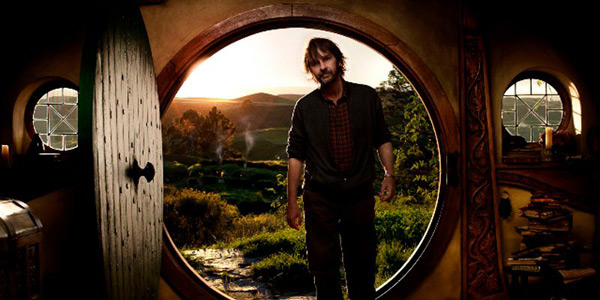 21st Century Filmography: The Lord of the Rings: The Fellowship of the Ring (2001), The Lord of the Rings: The Two Towers (2002), The Lord of the Rings: The Return of the King (2003), King Kong (2005), The Lovely Bones (2009) It was New Zealand-born director Peter Jackson who achieved the impossible in the early part of the 21st century - his phenomenal cinematic adaptation of J.R.R. Tolkien's The Lord of the Rings novels was released to universal praise. Taking on a project of such wide stature might have seemed like a potential disaster for the relatively unknown director and blockbuster newbie, though Jackson managed to pull the whole thing off without any sign of a strain, transforming three hugely-adored fantasy books into a trilogy that stayed true to the spirit of the source material and made hobbits cool again. Practically perfect (save for an ever-so-slightly middling middle film), Jackson's vision proved to be more successful than anybody could have prophesied - the first instalment of the trilogy (The Fellowship of the Ring) hit screens in 2002 and grossed $871,530,324. Jackson would finish this epic journey at the 2004 Oscar ceremony with 11 nominations and 11 wins. After six years in the making, no one but Jackson and his team deserved such a sense of recognition. Jackson followed that colossus of a production with a swing at his dream project: a remake of classic 1933 adventure King Kong. This time the filmmaker managed to craft a huge blockbuster that was wholly reliant on special effects that were used to create Kong and the inhabitants of Skull Island. For Jackson, however, leaving out the emotional side of a story so personal to him was not an option - the film focused, too, on the relationship aspects concerning Kong's infatuation with Ann Darrow. It was a long movie at nearly three hours, but King Kong emerged as an undeniable epic, and the work of a certifiable blockbuster genius. His only misfire this century came in the form of popular novel adaptation The Lovely Bones, which, although not terrible, seemed at odds with the nature of its source material. First Feature: Bad Taste (1987)Cream of the Crop: The Lord of the Rings: The Fellowship of the Ring (2001)Next Up: The Hobbit: An Unexpected Journey (2012)
3. Joel Coen and Ethan Coen
 21st Century Filmography: O Brother, Where Art Thou? (2000), The Man Who Wasn't There (2001), Intolerable Cruelty (2003), The Ladykillers (2004), No Country For Old Men (2007), Burn After Reading (2008) A Serious Man (2009), True Grit (2010) For those brilliantly quirky brothers who often find themselves pegged as one man ("The Two-Headed Director"), the past 12 years has proved a sensational period in their nearly-flawless career. For the Coens, Joel and Ethan, are rarely anything but an original force of creative energy. They also happen to share one of Hollywood's most distinctive voices. The Coens make movies with visual flair, idiosyncratic dialogue, broad comedic moments, deft characters and worlds that seem somewhat like our own but are just a little too offbeat - all of which live and breath the history and influence of cinema. Over the course of the 21st century, the Coens have showcased two distinct traits: the power of originality and the power of adaptation. There have been a few duds: the low point is definitely the broad and strangely commercial remake of The Ladykillers - seemingly Coen in its make-up (it's a goofy story, after all), the finished film never seemed to gel. But even lesser works like 2003's Intolerable Cruelty and 2009's Burn After Reading are worthwhile trips for a Coen fan - they may not hold the lasting appeal of, say, Fargo (what does?), but there's joy to be found. The Coens have always felt comfortable working under a western-genre aesthetic - that's to say, the mythology of the old west and all its trappings is particularly forthcoming in many of their works. That's how they started their career with the excellent Blood Simple, but their latest films have also tapped into those ideals: their dark, violent morality-bending adaptation of Cormac McCarthy's No County For Old Men in 2007 was drenched in western iconography and was one of the best films of that given year. Perhaps that project granted the brothers their best taste yet of the genre: so much so, that they'd make their first full-on western with 2010's True Grit, a fine, poignant, exciting and beautifully-shot interpretation of the classic novel. The associated quirkiness might not be to everyone's tastes, but the Coens have made several films this century that appeal more broadly in their telling of emotionally resonant tales - these classics will undoubtedly stand the test of time. The greatest thing about these very talented brothers, of course, is that they have rarely compromised their voice for the sake of a paycheck. They make Coen Brothers movies. Let's hope they always will. First Feature: Blood Simple (1984)Cream of the Crop: No Country For Old Men (2006)Next Up: Inside Llewyn Davis (2013)
2. Werner Herzog
 21st Century Filmography:Wings of Hope (2000), Invincible (2001), Wheel of Time (2003), The White Diamond (2004), The Wild Blue Yonder (2005), Grizzly Man (2005), Rescue Dawn (2007), Encounters at the End of the World (2007), Bad Lieutenant: Port of Call New Orleans (2009), My Son, My Son, What Have Ye Done (2009), Cave of Forgotten Dreams (2010), Into the Abyss (2011) There are a number of directors who divide their time between both documentary filmmaking and features, but none so successful and confident within the realms of both formats as Werner Herzog. Herzog has been making films in all kinds of genres for a number of decades now, but the 21st century and the advancement of age have done nothing to slow the Bavarian director down. In fact, though his productivity has always been on the expansive side, these days his output seems to be larger than ever. Over the last 12 years, Herzog has made great film after great film on a variety of themes and subjects. Be it the story of a downed Vietnam war pilot (told twice, once as a documentary in Wings of Hope, and once as a feature film in Rescue Dawn), a shocking, haunting portrait of a man who went away to live with the bears (Grizzly Man), transporting us to far-off places we may never get the chance to visit (Cave of ForgottenDreams/Encounters at the End of the World), the days of a crazy, drug-obsessed detective (Bad Lieutenant: Port of Call New Orleans) or the real-life telling of a nutcase who took up a last-stand in a house after stabbing a family member with an ancient sword (My Son, My Son, What Have Ye Done?): no subject is uninteresting to Herzog. After so many years, it isn't hyperbolic to say that Werner Herzog is one of the most fascinating personalities to have ever graced the world of filmmaking. His energy, passion and enthusiasm for projects of such diverse range and subject matter remains unrivaled. He's even a body of fascination to behold outside of the cinema scene: in the last few years alone, Herzog has rescued Joaquin Phoenix from a burning car, and was shot with an air rifle during an interview, only to continue proceedings, describing it as "not a significant bullet." If you are still unfamiliar with Werner Herzog, let this be the last time you read his name without attacking his filmography. He is, above all, a treasure and an institution. He understands that image is the most valuable tool of any filmmaker and crafts work of genuine power and artistry. He has helped audiences to discover dozens of worlds that we might never have had a chance to see for ourselves. He is a true creative with an astonishing and intimidating body of work. Knowing that Werner Herzog is out there, off at the very far reaches of the planet, or putting together his next feature film, is something that should never be taken for granted. Not by those of us who truly love the cinema and all its offerings. First Feature: Signs of Life (1968)Cream of the Crop: Grizzly Man (2005)Next Up: -
1. Christopher Nolan
 21st Century Filmography: Memento (2000), Insomnia (2002), Batman Begins (2005), The Prestige (2007), The Dark Knight (2009), Inception (2010), The Dark Knight Rises (2012) Who else but English-born filmmaker Christopher Nolan has utilized the capabilities of 21st century cinema to set themselves apart with such talent and conviction? It's hard to dispute the magnificent impression that Christopher Nolan has made upon the movie-going public in such a short period of time - in just twelve years, he's helmed seven films, a combination of spectacularly-executed blockbusters and uncompromising stories about murder, mystery and memory, all built with narrative innovation. For the man who's been branded the blockbuster's answer to Stanley Kubrick, Nolan's short career, so far, hasn't been anything short of magnificent. Nolan opened the 21st century with arguably the best film he has ever made: Memento. This extremely clever murder mystery is told using an ingenious and (more importantly) appropriate narrative device. Here, Nolan shows a keen understanding that narrative should be played around with for good reason - in the case of a man with a very specific kind of amnesia, the reverse chronology is extremely apt. Nolan is most famous, of course, for his work in rebooting the God-awful Batman film franchise and transforming it into a global phenomenon and studio cash cow. Grounding the pulpy, supernatural stories in real world aesthetics (it would eventually be compared to Michael Mann's Heat), he changed the direction and perceptions of the Batman universe - making it, arguably, more appealing for mass audiences. Since Batman Begins, Nolan's films have set their sights on the dreaded mass audiences, but he'd be the first to say that big films don't necessarily have to be stupid. Nolan is one of those well-minded directors who knows that audiences are far more capable than movie studios might give them credit for: Inception proved this point when it captivated and enthralled everybody who gave it a shot back in 2010. The trick, of course, is that there's nothing particularly intelligent about Inception at all - it's pulp wrapped up in a slick, fancy narrative. No matter. It's all about the experience, and here's where the director constantly prevails. Nolan knows exactly how to engage an audience - his movies are always moving forwards, always throwing new information at you, never giving you a moment to even consider feeling bored. Nolan isn't flawless, however. In fact, he's far from it: there are those who would agree that he has still has a lot to learn about filmmaking. His characters are often little more than exposition-dispensers, lacking human qualities or story arcs. His directorial style, though crisp and clean, could be described negatively as cold, clinical, and lacking in visual flair. And his action sequences, though epic and even mind-bending when they're based around exploding buildings and high speed car chases, lack the same quality when dealing with close-quarter combat, often having been reduced to dull, intercutting mid-shots. The Dark Knight Rises, the epic conclusion to his massively popular Batman trilogy, though critically-acclaimed to an extent, is perhaps also Nolan's weakest film to date. Though there are many strengths to be found within its epic 3-hour running time, it's also the best example of Nolan's worst traits: messy, overwritten, visually incoherent. This does, however, is somewhat of a compliment: it proves just how strong a filmmaker he really is - TDKR might be a lesser outing by this director's standards, but it just about blows away any competitors who dare to make a fight. That's to say, Christopher Nolan is still a relatively new filmmaker. He sits here at No. 1 because he has accomplished an incredible amount in such a short span of time. He is very much the director of the moment, the time, and the technology, appealing to a vast range of audiences members, critics, and cinephiles. Each one of his films made over the course of this century has been successful, creative, original, entertaining - the best of their kind. Might he, one day, join the ranks of the all-time great directors? It's a definite possibility. First Feature: Following (1999)Cream of the Crop: Memento (2000)/The Dark Knight (2008)Next Up: -