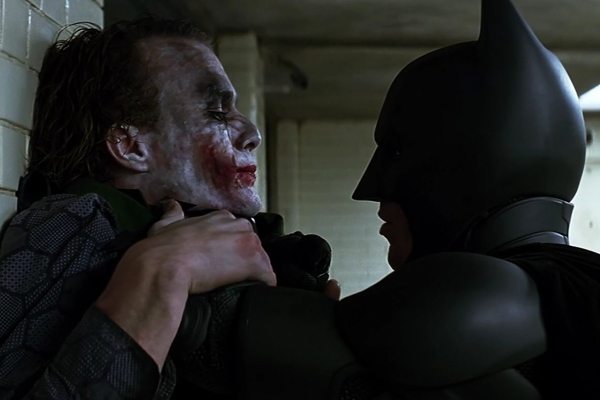
Batman V Superman: Ranking Every Movie From Worst To Best

Man Of Steel is far from the worst.
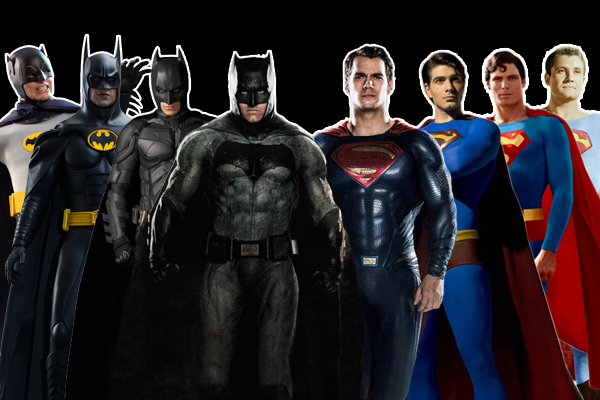
Black and blue. Fight night. The greatest gladiator match in the history of the world. God versus man. Day versus night. Son of Krypton versus Bat of Gotham. The two biggest superheroes of all time are finally sharing the big screen together in Batman V Superman, but their individual movies have been competing for influence and box office dominance almost as long as the duo have existed. And, in fact, there's some rather striking parallels between the two. Both had a pre-Bronze Age outing, a popular, big budget series that had tapered off disastrously by the fourth instalment and a dark and gritty reboot, ultimately leading to the pair coming up against each other. So, as audiences flock to find out who'd win in a fist fight, let's answer the bigger question; who wins in terms of movie quality?

Honourable Mention: The Serials

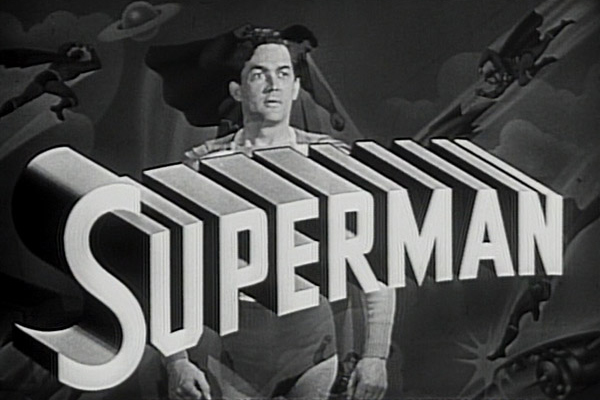
Batman and Superman have both been around for over three-quarters of a century, and in that time they've journeyed from the comics to just about every creative medium imaginable. In the early years this primarily included radio plays, some of which proved highly influential and remain well-regarded to this day, but there were also quite a few movie serials. While these werebe collected together into feature length pieces, they're essentially pre-TV TV series and don't quite qualify for this list. This includes Batman (1943), Superman (1948), Batman and Robin (1949) and Atom Man Vs. Superman (1950), all of which are essential parts of the characters' screen history, if not quite qualifying as films.

19. Batman & Robin

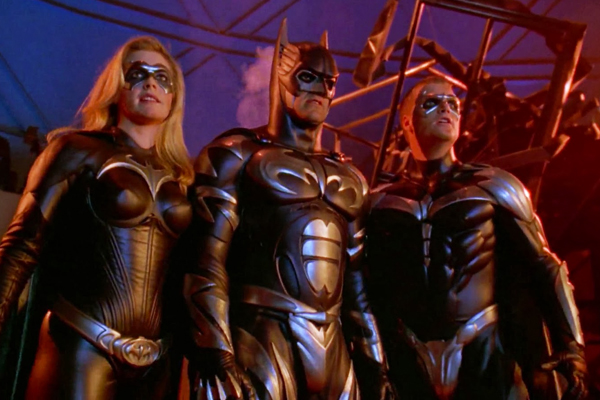
There is no debate over Batman & Robin's out-and-out awfulness; it was pretty much an accepted fact even before release (an issue that marks it as turning point in the rise of internet journalism, although that's a conversation for another time). Every video critic worth their salt has gone back and revelled in its garish, campy ridiculousness. But there's more to it than constant ice puns, nipples (something that actually originated from Batman Forever, but we'll get to that) and the Bat Credit Card. No, Batman & Robin is a step beyond its so-bad-it's-good reputation. A movie that despite its slight length is incredibly aimless beyond trying to contrive ways to sell more merchandise; for reference, its subplots include Alfred getting ill, Bruce Wayne as an eco warrior and a Batman/Robin/Ivy love triangle. It's almost like a homage to the Adam West TV series done by someone who doesn't understand the Adam West TV series, although to say that gives too much credit to Joel Schumacher. This was a movie that sank so impressively it altered the story of blockbuster cinema; not only did the character take an eight year hiatus, only returning in a totally opposite form, and the superhero genre reduced to a gibbering mess, but the entire ideology of mainstream cinema, particularly that of Warner Bros., needed a top-down refresh. Of course, it all worked out better than alright in the end, so if anything we should be thankful to Schumacher... sort of.

18. Supergirl

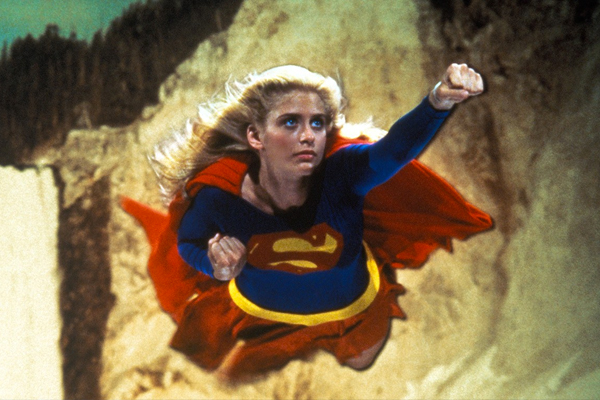
Supergirl ends in the Poochiest of ways, with Kara Zor-El asking Jimmy Olsen and Lucy Lane to forget they ever saw her as she leaves Earth by flying into the ocean. That's right; not even the film itself could make it to the end without giving up and wiping itself from histroy. The audience clearly went along with Jimmy too, because this 1984 atrocity seems to have been forgotten from the cultural memory despite notably being the worst Superman-related film by quite a large margin. Made after the Salkinds gave up on the Superman franchise following the fair-but-unremarkable box office take of the third film, Supergirl was conceived as a cheap way to keep the franchise alive without having to bring back any of the essential characters, which is succeeds at while failing in every other manner. Set tangentially in the Reeve continuity (Marc McClure reprises his role as Olsen and there's several trying nods to the big man himself), it takes every element that didn't work in the later entires of that series and somehow makes it worse; lazier script, more laughably inept effects, further misunderstanding of the comic basics. It's just awful on every conceivable level. And yet it still managed to attract Peter O'Toole and Faye Dunaway in mentor and villain roles respectively (both are phoning it in as passive takes on previous roles), transforming tat into obscene spectacle; Supergirl is utter drivel that actually needs to be seen to appreciate just how astoundingly bad it gets. And that's the most glowing endorsement it's ever got.

17. Superman IV: The Quest For Peace

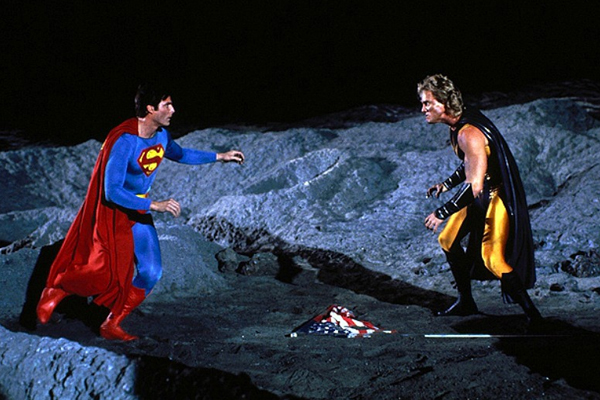
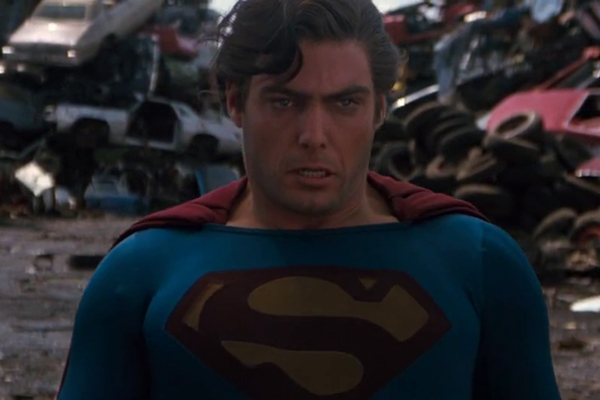
Superman IV is a cheap-as-f*ck movie. Cannon, the discount production studio that got the rights from the Salkinds, are so notorious for their cost-cutting there's been a movie made about them, and The Quest For Peace is the fake jewel in their plastic crown. It is quite possibly the worst edited movie of all time, the story a bunch of vaguely connected threads interspersed with Powerpoint level animation and the big battles between Superman and the hastily created Nuclear Man nothing more than clunky. Most of the actors are clearly back for the paycheck, yet despite acknowledging the result would be terrible, Christopher Reeve is still a pitch perfect - if slightly more caricaturish - Superman (even if he has to suffer through an unfunny double date as Clark Kent and Supes). It's just a shame the actor's obsession with nuclear disarmament got in the way of an interesting story; when Lois describes Clark Kent as a grown-up boy scout, she shouldn't be also encapsulated his super alter-ego and the performer playing them. The only thing that makes it oh-so-slightly more bearable than its Gotham-based counterpart (and even then, only by a Super-hair's breadth) is that its cynicism is slightly less toxic. Superman IV is a cheap-as-f*ck movie, but it knows it.

16. Batman Forever

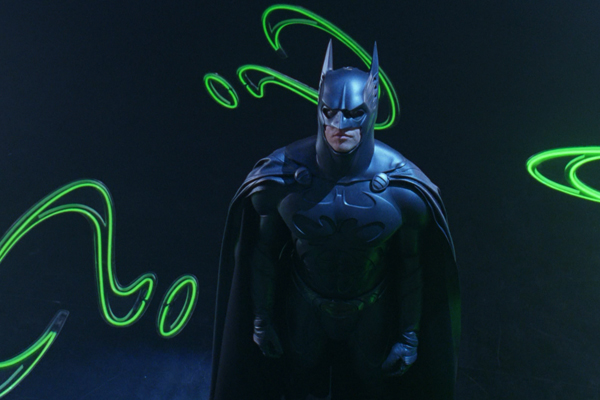
Batman Forever often gets something approaching a free pass due to it not being quite as bad as Batman & Robin. Which is a bit like saying The Quest For Peace is great because there's always Supergirl. Make no mistake, it's painful. From the very opening its clear that Joel Schumacher (or rather his studio overlords) has no interest in continuing in the style of Tim Burton, instead veering into a day glo sensibility that would ultimately put the character to sleep; it all feels like it was set on a soundstage and the drama never rises above that. It's a box-ticker, distilling the marketable aspects of Burton's first film and clicking repeat; Jim Carrey plays mid-90s Jim Carrey, Tommy Lee Jones play Jack Nicolson's Joker and Val Kilmer is cast as Batman for no real reason. To its credit, Forever does have a narrative (Batman & Robin is merely a chronological ordering of events) and that may be its one redeeming factor. For all its sanitised laziness, the movie does offer one genuinely intriguing twist on the Batman mythos; Bruce Wayne gets over his parents' death. This will have explicitly motivated by Warners' desire to make Batman more kid friendly, removing his long-standing angst to have a more vibrant character, but I'd be lying if I didn't say it was an interesting idea.

15. Superman III

Superman III opens with an extended Rube Goldberg comedy routine, where a hot lady in a dress causes all sorts of disasters, like a man bumping into a lamppost and walking penguin toys setting on fire and a blind man accidentally painting a road. Superman turns up at one point to save a guy from drowning in a car and at the end Clark Kent pies the first guy who walked into a lamppost in the face. The film may not be as comedic as the inclusion of Richard Pryor may suggest, but boy is its tone off. Every Superman movie since II has fell victim to trying to stuff too many variables in, but none that made it to release (read up on Superman Flyby) are as convoluted as Superman III. Even with main plot it's jumbled; you have Clark returning to Smallville and romancing Lana Lang, Jimmy Olsen trying to prove himself as a photographer and Richard Pryor's inexplicable computer genius becoming a stooge for Robert Vaughn's Lex Luthor replacement, whose schemes feel directly lifted out of Bond (which, interestingly, is much closer to the latter-day Luthor than the Silver Age property mogul we saw of Gene Hackman in the first two films). The big hook is the idea of Superman turning bad (on that note, the personality of Supes in Man Of Steel is pretty much this "evil" Superman), which amounts to making the Leaning Tower of Pisa straight and getting drunk. Boo you Superman. Boo you. Reeve can't carry this side of the character well, and it's resolved in the most flippant way. Richard Lester clearly didn't care much about doing Superman justice, but could have at least tried to care about the film itself?

14. Batman V Superman: Dawn Of Justice

Batman V Superman is inexplicably worse from Man Of Steel, showing Zack Snyder learning from none of his mistakes and adding a whole bunch of new issues into the mix. There's the same needless destruction (albeit it with post-production inserts clarifying the lack of bystanders), the same poorly defined supporting cast, the same flippant approach to comic book lore, and through its incoherence Snyder really hammers home his insufficient skills as a director. And the director is the problem through and through. He takes style over substance as a badge of honour, letting the choppy story play out with not a care for continuation or contrast. It feels intermittently loose and rigid, with the rare good idea buried because there was a snazzy low-cut dress to be filmed or a sudden action sequence needed to break out. He couldn't even get the central conceit to work. Despite being well over an hour into the film, the fight comes out of nowhere, pushed along by previously only hinted-at motivations, leading to one minute of good stuff before it devolves into a short bout in a toilet and a resolution that is genuine parody. Jeez. You had one job, Zack, one job.

13. Man Of Steel

Man Of Steel gets a lot wrong, and much of it falls in the lap of Snyder, whose trademark style leaves the movie a dreary, over-the-top mess, but I think its central misunderstanding is taking the baton from Christopher Nolan's Dark Knight Trilogy and desperately trying to be revisionist. Because the Reeve movies remain the definitive take of the character, there's a clear, conscious effort to be as different from that as possible. Much of it has a grounding in the comics (a Kryptonian ship being the Fortress of Solitude), but the ideas are so jumbled, happening only because DC thought they needed to distance themselves from the boy scout image, and thus not fully fleshed out. The school bus scene leaves all of Smallville knowing Clark is Supes, while the death of both Pa Kent and Zod come from contrived set-pieces so convoluted there's easy get outs that avoid death. There is a chance that, as the original progenitor of the emergent DC Extended Universe will become better regarded as time goes by - like Iron Man it'll be lauded for what was achieved afterwards - although with the premature soft-reboot Batman V Superman going even worse, that's unlikely.

12. Superman And The Mole Men

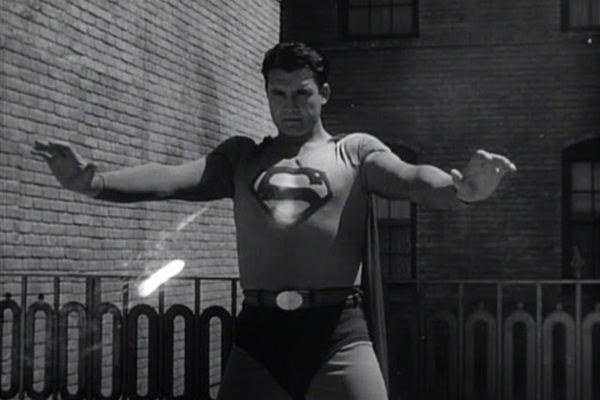
The cinematic pilot for the George Reeves TV series, Superman And The Mole Men is incredibly of its time. And I mean that both in terms of filmmaking and of its presentation of Superman. On a cinematic level, it's incredibly stagey, with the music constant and basic, the acting (from the big city journalists to rampaging country hicks) hammy and a story that's built around studio availability and effects feasibility. Superman really only swoops in intermittently to preach of message of compassion - the main plot is mostly concerned with an lynch mob trying to hunt down the weird, diminutive creatures of the title (the term "Men" can only just about be used - there's just two Mole people involved for much of the film). It's really what you expect, and it does its job well enough. What's most interesting though is its representation of the Man of Steel. Made in 1951, this is loosely based on Golden Age Superman, a whole Earth away from the one in the comics today. So the morals that defined the character are there in abundance, but there's an odd approach to some of the character's key elements; Clark is stated as a mild-mannered coward, but Reeves makes no effort to convey this, even having Kent referring to himself as Superman at one point in a careless joke. Although again, what else would you expect?

11. Superman II

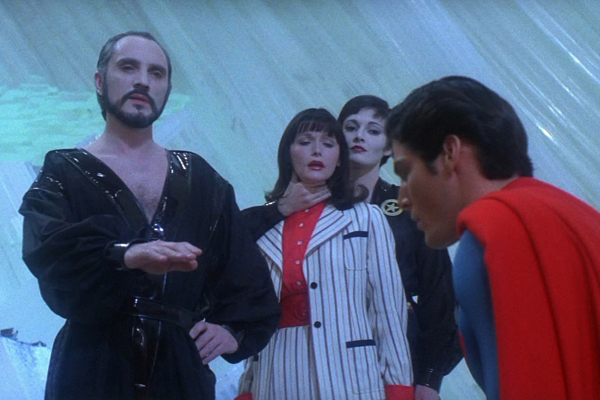
Superman II feels like two very different movies mushed together. One minute you're in a clear sequel to the original film, with sci-fi inflected Americana and an attempt to dissect the Man of Steel, the next you're in a vibrant comedy, with action sequences dominated by slapstick and key emotive moments taking place in garish locations. It's almost like it's the result of two directors fighting to create two very different movies. Oh, that's because that's exactly what it is. The first two Christopher Reeve movies were famously filmed back-to-back (pretty groundbreaking, right?), although things didn't exactly go to plan; original director Richard Donner was kicked off halfway through production of the second part and replaced by Richard Lester. The result is a stark, conflicted film that all too often serves as an unwelcome eye into its creative process. There's a lot of good stuff still in there - Reeve is still excellent, Terrence Stamp is an terrifying Zod (I'd kneel) and the effects, while a bit cheaper than The Movie, are still impressive - but it's undercut by small, boring locations (there's a lot of interior sets for what should be big moments) and a general lack of continuity in narrative.

10. Batman

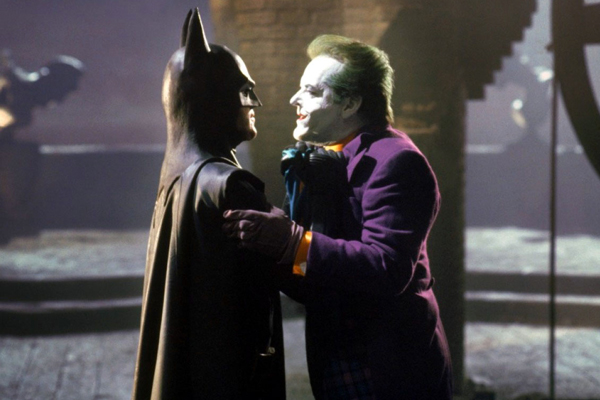
Batman 1989 is still regarded with a real air of unquestionable respect. With Reeve's series spluttering to an end, Tim Burton took the superhero baton and showed Richard Donner's big screen realisation of comic books was more than a fluke, defining the Caped Crusader for an entire generation in the process. However, as culturally impactful as it may have been, it doesn't quite hold up as a movie. Some of its choices wouldn't go down very well nowadays - giving the Joker a detailed backstory and working him into the origins of Batman in particular - and other elements simply don't work - I've never got the gallery sequence - but the biggest knock against the movie from the passage of time is that what was once lauded as dark and brooding now comes across a bit silly. Not necessarily in a bad way, and definitely not as much as what followed, but you need thick nostalgia goggles to claim this isn't a bit kitsch. Aside from the casting - we all know Michael Keaton wasn't a popular fan choice to play Batman, but it turned out to be inspired - what really holds up is the design of Gotham. Realised through a mixture of matte paintings and massive sets, the city feels like a living, breathing machine, all sharp-angled buildings bathed in smog. That alone makes it worthwhile.

9. Batman: The Movie

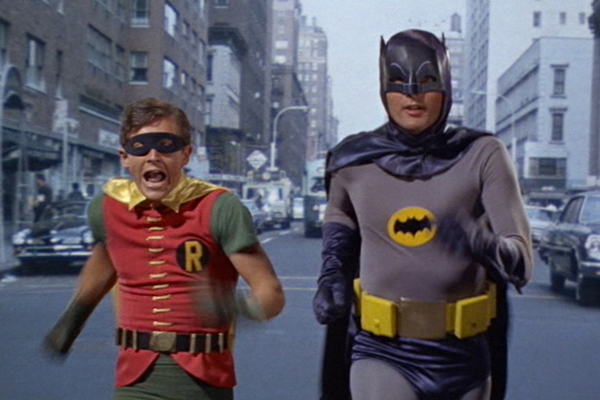
Adam West's Batman may be one of the most misunderstood comic book movies of all time. For decades it has been regarded as as campy misstep, taking a character with innate darkness and turning him into an embarrassment. Heck in the first ten minutes Batman fights off a clearly fake shark using Bat Shark Spray - how dumb were people in the sixties to take this seriously? But that's missing the point - they weren't taking this seriously. Batman 1966 is a comedy first, superhero spectacle second, and pretty much every moment you cringe at now was intended to be utterly bonkers then. What the endless parody in everything from Only Fools And Horses to The Simpsons forgets is that this was rooted in a Batman from a different time - this was pre-Dark Knight Returns and deep in the Silver Age, where Batman was a more ridiculous character and the illusion of darkness almost begged a parodic slant. Watch it through these googles and it suddenly transforms into this awesome little romp full of self-aware gags and an almost retroactive commentary on where the character has gone (expect Will Arnett's LEGO Batman to take a similar approach). West is spot on as the delusional Caped Crusader, Burt Ward captures the Boy Wonder's simplicity perfectly and while it does stretch the joke to a degree, it never lets up long enough to bore. An underrated delight.

8. Superman Returns

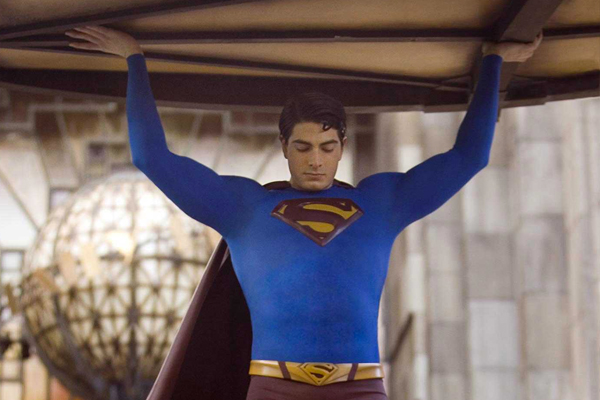
Why is Superman Returns so consistently overlooked? It has its flaws, sure - it's too long, over-reliant on CGI, boasts some frankly nonsense moments and Brandon Routh's strong imitation of Christopher Reeve never goes beyond imitation - but it is still at its heart entertaining and emotionally charged. How can this earnest, ambitious film be widely discarded and dour destruction porn trumpeted as a hidden gem? The movie that Bryan Singer departed his beloved X-Men for, Returns shows the director's penchant for flagrant altering of established franchise continuity almost a decade ahead of his mutant return with Days Of Future Past; a pseudo-sequel to Superman II that overwrote Supermans III and IV, Returns was a nostalgia trip to both the Reeve era and the roots of Superman. Fitting of Singer's passive approach to canon, a lot is changed even from the original films, especially the 1930s aesthetic, but that only ties into the greater sense of the American dream. What Returns gets so right is the Jesus metaphor - the man who hears his fathers words in the clouds sacrificing himself to save humanity, only to return to life and ascended to the heavens never feels hokey (unlike some other parts); it's a genuine logical arc that gets to the heart of Superman as a God and, retroactively, serves as a fitting full stop on the Reeve era.

7. Superman II: The Richard Donner Cut
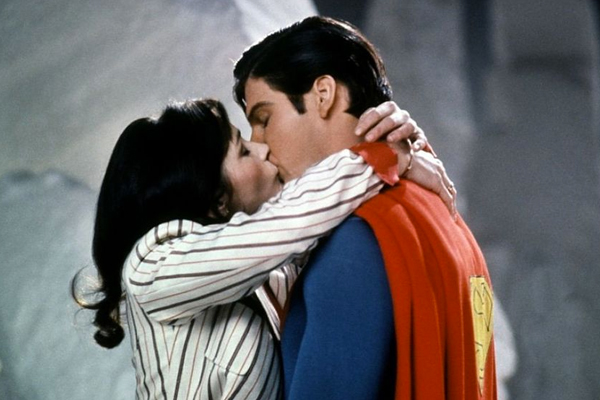
While technically an alternate version of Superman II, The Richard Donner Cut isn't just the usual extended director's cut of an existing film - replacing the Richard Lester additions with unused footage originally shot by Donner, it is for all intents and purposes a totally different movie. Much of the out-and-out silliness that Lester added is gone - Lois finds out Clark's secret identity with a gun rather than a bearskin rug and the Battle of Metropolis isn't just comedic pratfalls - which means the film's tone is more in keeping with what preceded it and has a greater balance between the outer threat of Zod and Superman's more internalised journey. Still, for all its improvements, it isn't perfect. By the nature of being pieced together from decades old footage and not having its namesake involved at all, this is less the perfect Superman II, but rather a glimpse to what might have been. Still, had it been released in 1980, we could have a very different superhero landscape now.

6. Batman: Mask Of The Phantasm

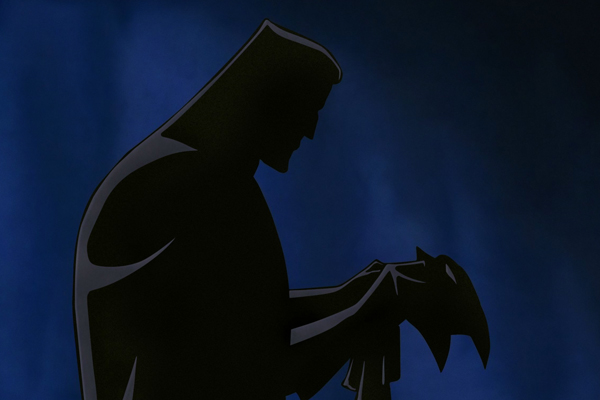
There's been all manner of cartoon movies featuring Son of Krypton and Bat of Gotham in various forms and canonicities, but only one of them has had a proper theatrical release. That's Batman: Mask Of The Phantasm, and it's as good as you'd expect from a film jumping off from the landmark Batman: The Animated Series. You know the drill; looks great (even if it is a puffed up TV movie), is well written and boasts an incomparable voice cast. And, going back into Batman's origins without just doing a beat-for-beat retread of the basic story, it's an intriguing introduction to the stellar cartoon world. The only real downside is the mystery about who's behind that mask, which is a problem Batman stories have faced in all forms; when introducing a villain with a mysterious identity, due to the size and distinction of Batman's Rogue's Gallery it's either going to be the one major new character introduced (Hush) or a pre-existing character in a new form (Arkham Knight). In Phantasm it's the former, and the twist is patently obvious from very early on. Thankfully there's enough to the very-Gotham crime story elsewhere to make it interesting elsewhere.

5. Batman Returns

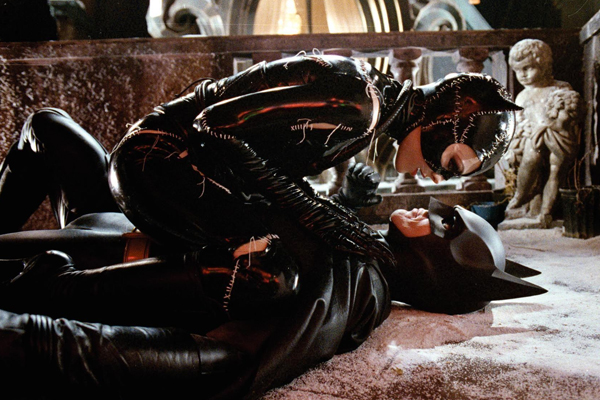
After the success of Batman, Burton was given free reign on a sequel, with Warner Bros. rightly presuming much of the first film's success came from his unique stylings. What they didn't realise was how much Burton had held back; Batman Returns is an altogether darker film, both visually and tonally. The result is the best movie to come out of the original Batman run, even if it didn't quite strike with audiences as much as the studio hoped; they were inundated with complaints from parents over its unsuitability for children and a lower box office. It's not wonder Schumacher was brought in. Like with the original's contrasting success, this again looks to be a case of different times; it would be crazy to suggest there isn't something deeply unnerving about Danny DeVito's Penguin or highly adult in the costuming of Michelle Pfeiffer's Catwoman, but similarly pitched modern movies can go darker without fear of reprisal. And, viewed outside of any controversy of the time, Returns is where Burton's kitschy-yet-gothic sensibilities work just right (for my money it's his best film, Batman or otherwise).

4. Superman: The Movie

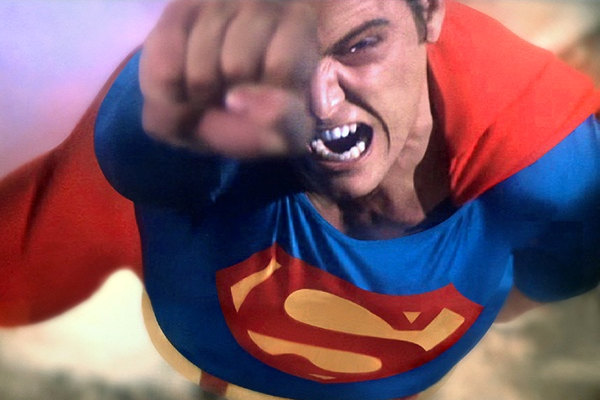
There's a group of people who readily dismisses Superman: The Movie, undercutting its status as the first big budget superhero to label it merely a legacy film; good for the time and certainly impactful, but hardly holding up by today's standards. I call this group "People who haven't seen Superman: The Movie". It's a superhero movie blueprint, with a deft mixture of serious drama, thrilling action and a lighthearted comedy leading to something that is at once faithful to the comics (all the key Superman origin beats are hit perfectly) and sufficient as a movie by itself. That does mean it has the quirks of late-seventies cinema, sure (although that's toned down by John Williams' timeless score), but the earnesty of the project carries it. From the epic destruction of Krypton to a young Clark Kent reflecting on his place in the world on a Kansas farm, the film looks incredible; with ground-breaking special effects helped along by thoughtful cinematography, it always feel real. Above all though, Christopher Reeve is the perfect Superman - powerful, righteous, but still fallible in costume - and an even better Clark Kent; with his sheepish posture and dorky manner, he really sells the oft-mocked glasses disguise. No casting of either Bats or Supes has been more perfect. The only major misstep is the ending - Superman travels back in time to save Lois Lane. Now I like the idea behind this - it captures the conflict between Superman's two fathers perfectly - but its execution (as with the death of Zod in Man Of Steel, which had interesting motivations but was butchered by poor realisation) doesn't work; does Superman travel faster than light to go back or does he simply reverse the Earth? Neither makes sense with what is shown, leaving the ending of an otherwise great film a bit flat.

3. Batman Begins

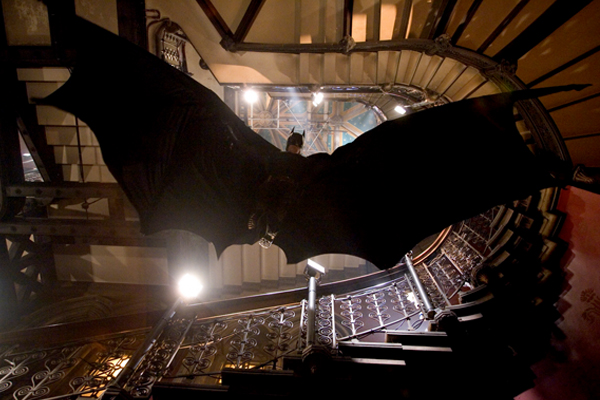
If there was going to be any more Batman movies after Batman & Robin, something would have to be majorly different. Warner seemed to have locked onto the idea of going right back to the start and adapting Year One in some form, with various projects in this vein floated, but it was ultimately Christopher Nolan who took it through to fruition in spectacular fashion. There's been plenty of imitators of the Batman Begins formula, but none have managed it with the same confidence; The Amazing Spider-Man tried to go for the same prolonged origin story, yet baulked at the mid-way point and shoehorned in a basically unrelated villain plot. Taking Bruce Wayne from aimless drifter to iconic vigilante, with plenty of time to fill in what happened to him previously, we get a full lock on the character of Bruce Wayne, and an immediate understanding of the two masks he wears; the playboy and the crime fighter. Unlike the later films, where Nolan managed to wrangle more creative freedom and thus deliver on his distinct, glossy-yet-grounded style, there's a sense of honouring blockbuster conventions in Begins. Lest we forget, at this point he was simply the wonder kid from Memento - he hadn't yet become a named brand in himself - and so some box-ticking was still required. That the film works in spite of that is testament to his versatility.

2. The Dark Knight Rises

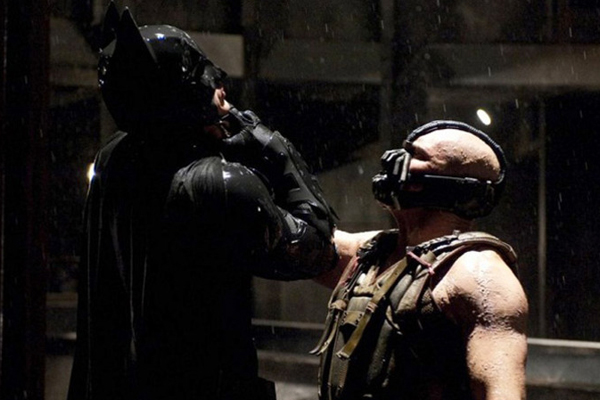
It sucks that every time you want to praise The Dark Knight Rises you have to do so from a point of defence. Such has been the backlash against the film since its release that it's now regarded as a lacklustre story, another threequel that fails at rounding off its trilogy. And I just can't get on board with that way of thinking; it functions expertly as both a standalone adventure and a finale to The Dark Knight Trilogy, drawing a line under its theory of Batman as a symbol rather than a man in a manner few other series would do due to a fear of finality (even if Nolan fell short of actually killing off Bruce Wayne). There are issues with the film, particularly when it comes to plot contrivances, although they're only quoted as movie-ruining issues because this is Nolan and people love to jump on his narrative inconsistencies. In terms of actual plot, there's something literary epic about Bane's plot that takes comic book ideas to higher levels. On a side note, does anybody feel that the idea of an older Batman getting back into action to take on Superman in Dawn Of Justice was originally conceived with Christian Bale under the cowl, with a new take only instigated when he turned it down?

1. The Dark Knight

The biggest mistake anyone could make about The Dark Knight is thinking that it is the definitive Batman movie. It's the best, there should be no debate there, but definitive? It's a Chirstopher Nolan film, an excellent crime picture that happens to star Batman. And yes, I'm aware that's one of the most common statements regarding the film, but it doesn't make it any less true; the fact they could reboot the character less than four years after Bale hung up the cape and cowl is testament to the character's versatility. Nowhere is this better seen than with Heath Ledger's Joker, an absorbing performance that for the first time shows the character's brimming psychosis (it's the only acting Oscar win for a superhero movie), and yet one that doesn't draw a line under the Joker. Not only is Jared Leto playing the Clown Prince of Crime later this year, but he's doing so without the pressures of trying to top Ledger because what Heath did was so unique and different (the main thing he seems to have permanently nailed into all characterisations is the voice). Batman doesn't work in only one way. The core character idea is one that is applicable to variety of approaches, be that different directing styles, time periods or genres. And isn't that incredible? What's your favourite Batman or Superman movie? Where would you place Batman V Superman: Dawn Of Justice. Share your thoughts down in the comments.

Contributor
Contributor

Film Editor (2014-2016). Loves The Usual Suspects. Hates Transformers 2. Everything else lies somewhere in the middle. Once met the Chuckle Brothers.