Quentin Tarantino: Definitive Guide To Homages, Influences And References
The ultimate guide to QT's Easter Eggs.
Since he made his debut in 1992, Quentin Tarantino has established himself as the quintessential movie director come movie geek. His encyclopaedic film knowledge is unrivalled and vastly varied from obscure foreign gems, through the exploitative, trashy, unappreciated and bizarre to the campy, utterly eccentric and critically-derided.
Tarantino adores cinema, television and music and understands to what degree those aspects hugely shape our lives. It's no surprise, then, that the Tennessee-born director and former video store clerk crams as many homages and references into his work as possible. That isn't unheard of amongst filmmakers, of course, but with Tarantino, it's a different kind of story.
Unlike Martin Scorsese, who, too, furnishes his work with subtle homages and nods to his favourite movies, Tarantino's movies are in themselves complex pastiches of the films he loves: so much so, that his flicks are reworkings of scenes and genres, constructed using elements of other movies. This isn't rip-off, it's re-imagining, and nobody does it quite like Tarantino. Like a hip-hop artist, he borrows and samples to create something fresh and exciting. That sort of commitment deserves cataloguing.
So, here goes our Definitive Guide to Homages, Influences and References In Quentin Tarantino Movies. Here we assembled as many nods to other movies scattered Tarantino's brilliant filmography as we can find. Some you'll be familiar with, others are a tad more obscure.
To jump to any of the films, click the links below...
Reservoir Dogs
21. The Odd Title
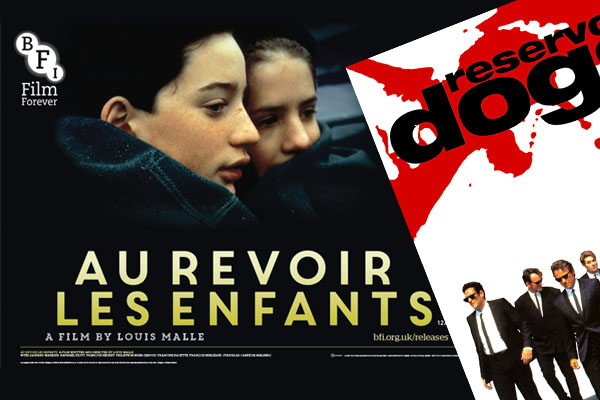
Reservoir Dog's bizarre title was inspired by the French Louis Malle film Au Revoir Les Enfants ("Goodbye Children"). A story that Tarantino has recounted on a number of occasions reveals that whilst working as a video store clerk in L.A., an interaction with a customer lead to a mispronunciation that stuck. In another reference to names, the K-Billy radio station name is borrowed from Tarantino's incomplete debut effort 'My Best Friend's Birthday'.
20. The Dedication
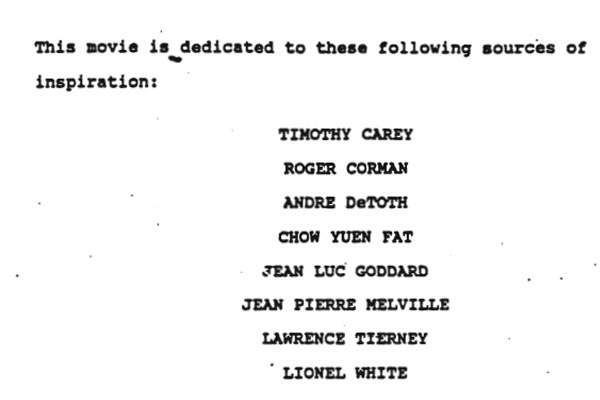
At the start of the Reservoir Dogs script, Tarantino includes a list of dedications - to Timothy Carey, Roger Corman, Andre DeToth, Chow Yun Fat, John Woo, Jean Luc Godard, Jean Pierre Melville, Lawrence Tierney, Lionel White, Monte Hellman, Jack Hill, and Pam Grier - or in other words, those cinematic talents who were directly influential on his work.
19. The Killing
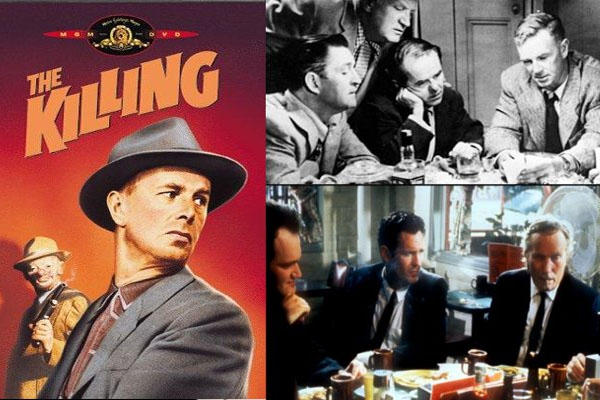
It's no secret that Stanley Kubrick's The Killing bears a huge resemblance to Reservoir Dogs and Tarantino isn't ashamed to say so: "I didn't go out of my way to rip-off The Killing, but I did think of it as my take on that kind of heist movie." Like Kubrick's film, Reservoir Dogs employs flashbacks to show how each criminal gets involved in the heist. Incidentally, the film also borrows Once Upon A Time In America's device of showing the bookends of the "well planned heist gone wrong" without showing the crime itself.
Reservoir Dogs
18. The Colourful Names Inspiration
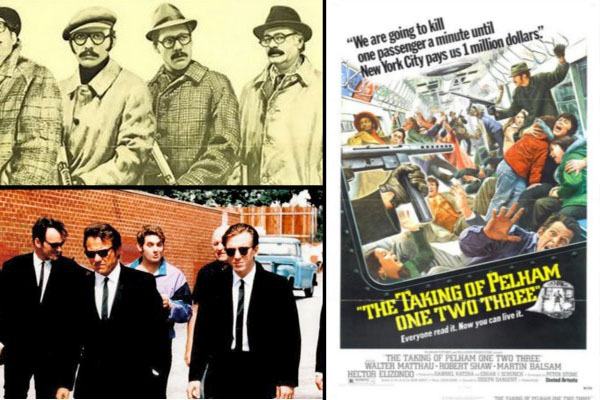
Back in '92, colour-coded nicknames seemed like the coolest idea in the world. Tarantino neatly transposed this idea from the original 1974 version of The Taking of Pelham One Two Three. Though that film features Mr. Green, Mr. Brown and Mr. Blue, it was Tarantino's idea to include a character called Mr. Blonde
.17. "...You Better Wake Up And Apologise."
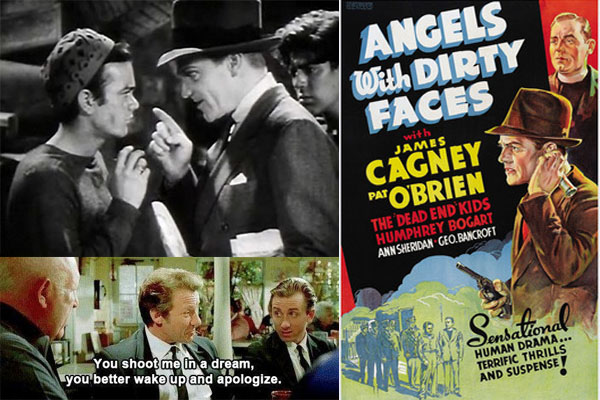
During the opening breakfast sequence, Mr. White tells Mr. Blonde: "You shoot me in a dream, you better wake up and apologize." This is a play on a line from the 1938 movie Angels With Dirty Faces, in which James Cagney says: "You slap me in a dream, you better wake up and apologize."
16. Like A Virgin
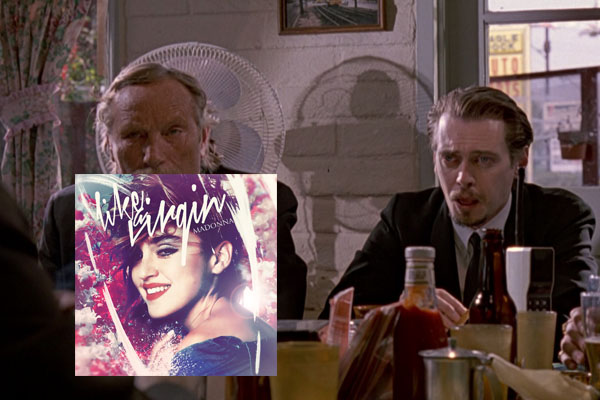
As Mr Brown so delicately explains the finer details of Madonna's "Like A Virgin" in the diner scene, he refers to the well-endowed man at the heart of his story, and the cause of the titular expression, as "like Charles Bronson in The Great Escape, he's digging tunnels." Madonna apparently loved the film, but rather than accepting Mr Brown's theory about the song, she gave Tarantino a copy of her "Erotica" album inscribed: "To Quentin. It's not about dick - it's about love. Madonna." The scene is also shot identically to the dinner scene in Hannah And Her Sisters.
Reservoir Dogs
15. A Better Tomorrow II
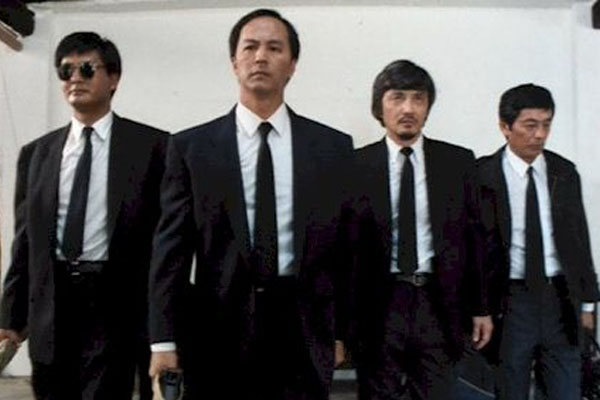
The inspiration for the slick black suits sported by the heist crew came from A Better Tomorrow II (1987). Interestingly, a scene from A Better Tomorrow II can be glimpsed in the Tarantino-penned True Romance when Alabama is watching television.
14. A Wilhelm Scream
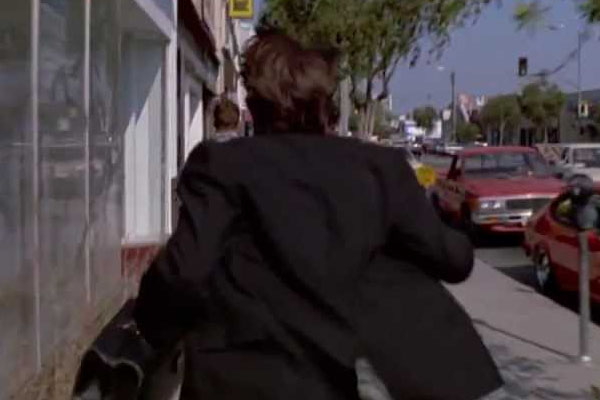
The famous Wilhelm scream - a long-running industry in-joke - is heard when Mr. Pink pushes a pedestrian out of his way whilst fleeing from the pursuing cops in his escape from the jewel heist.
13. The Fury
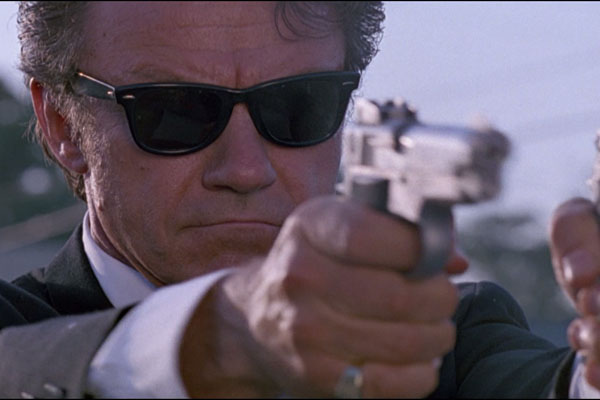
During the escape sequence in the alleyway, Mr. White takes out his pistols and shoots a policeman through the window of a car. The shot used mirrors one taken directly from Brian De Palma's The Fury (1978), a horror movie about a government agent trying to rescue his psychic son from a corrupt official. A similar moment can also be seen in City On Fire in which two policemen are shot through the window of their car in identically gory detail.
Reservoir Dogs
12. Mr White's Alabama Connection

During Mr. White's flashback, Joe asks him how Alabama is, referring to Patricia Arquette's character from True Romance, which Tarantino wrote, establishing that the two used to be partners. Tarantino said that he had originally wanted Alabama to meet up with Mr. White and to become partners in crime, but the end of True Romance was changed, forcing this backstory into oblivion.
11. Seymour Scagnetti
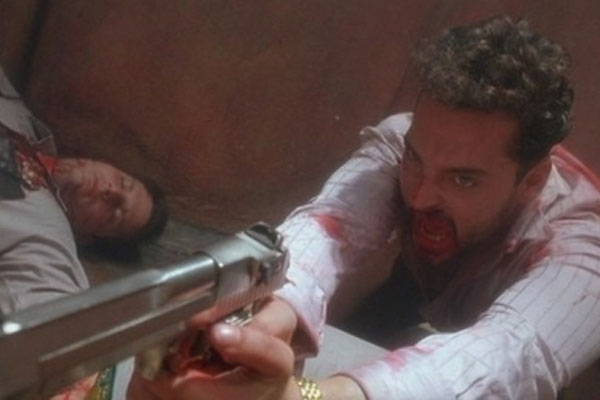
During Blonde's backstory flashback, he tells Nice Guy Eddie that he has been assigned a notoriously tough parole officer called Seymour Scagnetti, a name that will be familiar with fans of Tarantino's writing work. He might well be related to Detective Jack Scagnetti, who appeared in the Tarantino-penned Natural Born Killers in 1994, as played by a particularly manic Tom Sizemore, seen above tormenting co-star Juliette Lewis.
10. Big Combo
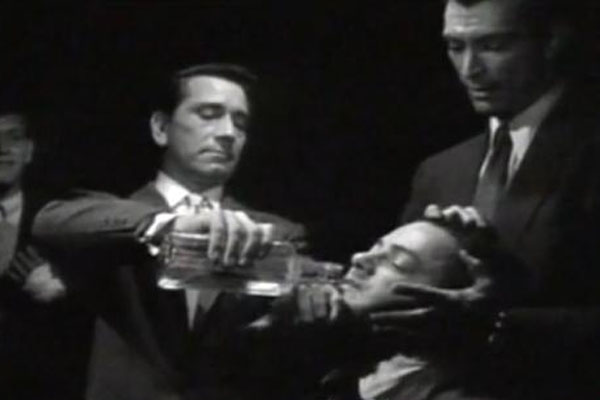
The infamous torture scene in Reservoir Dogs in which Mr Blonde torments the captured cop bears a notable resemblance to a similar scene from Joseph H. Lewis' noir classic The Big Combo. In both scenes, the victims are tied to chairs and slapped about, and their assailants rather chillingly play music as they do torturous work.
Reservoir Dogs
9. "Do You Like Music?"
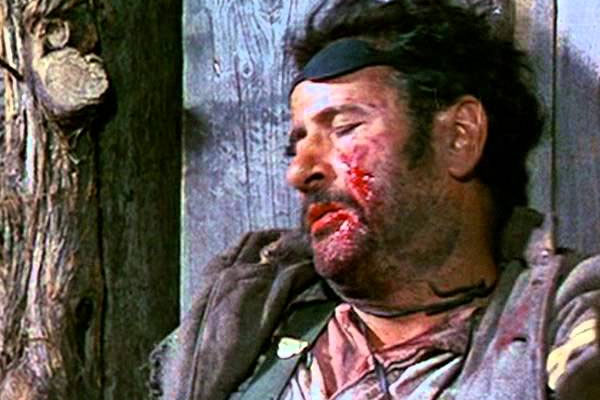
Tarantino's filmography is crammed with nods to his all-time favourite movie The Good, The Bad And The Ugly and Reservoir Dogs (many of which appear on this list) is no exception. Just before Mr. Blonde goes to work on police officer Marvin with a razor blade, he asks his victim if he likes music and turns the radio on, then proceeds to torture him. This is reminiscent of the scene in The Good, The Bad And The Ugly in which Angel Eyes asks Tuco if he likes the music outside, then begins to torture him. Unlike Marvin, Tuco manages to keep his ear.
8. The Wizard Of Oz
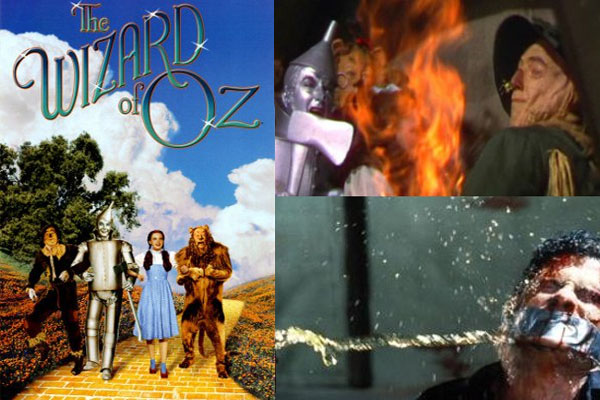
Tarantino joins the rest of the world in a love for all things Wizard Of Oz just moments before Mr. Blonde meets his demise. Ready to set a fuel-covered Marvin ablaze with a lighter, he quotes the Wicked Witch of the West ("How about some fire, Scarecrow?") before being shot to death by the traitorous Mr. Orange. Mr. Blonde soaking Marvin in gasoline is also taken from a similar scene in Vigilante.
7. The Thing
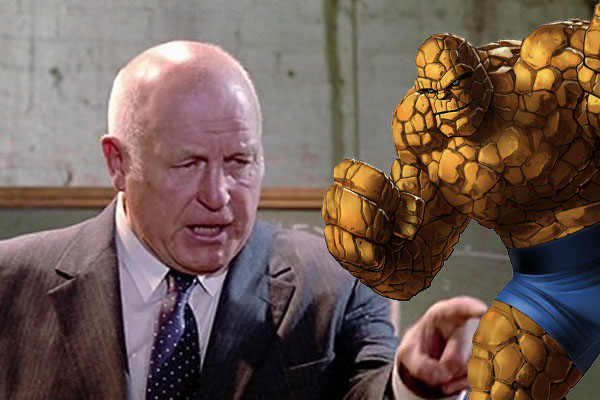
During the flashback scene in which we see Freddy Newandyke describing his first meeting with Joe Cabot to his partner Holdaway, the newly named Mr. Orange compares the gangster's physical appearance to The Thing, a character from the Marvel comic book series The Fantastic Four.
Mr. Orange is also revealed to be a keen comic book fan later on when a Silver Surfer poster can be glimpsed during the scene set in his apartment. Incidentally, Tierney's casting is in itself a nod to the gangster/heist genre, as the hulking actor made a name playing tough mobster roles, including his first major role as the titular gangster in Max Nosseck's Dillinger (1945). Later he remarks that Mr Blue is "dead as Dillinger".
Reservoir Dogs
6. Get Christie Love!
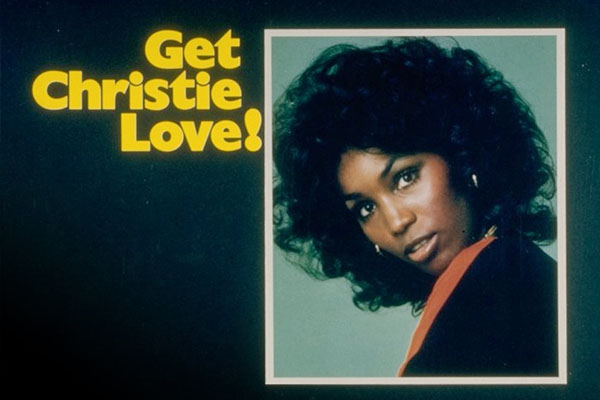
During a discussion that takes place between Mr. Orange, Mr. Pink, Mr. White and Nice Guy Eddie about blaxploitation flick Get Christie Love!, Pam Grier is mentioned, having been mistaken for Teresa Graves. Pam Grier is one of Tarantino's favourite actresses, and would eventually be cast as the lead in his 1997 movie Jackie Brown. Anna Francis, who starred as Honey West in the short-lived 60s detective series of the same name, is also mentioned during this discussion. Honey West was the first TV show to feature a female detective's name in the title.
5. The Warehouse Scene Reference
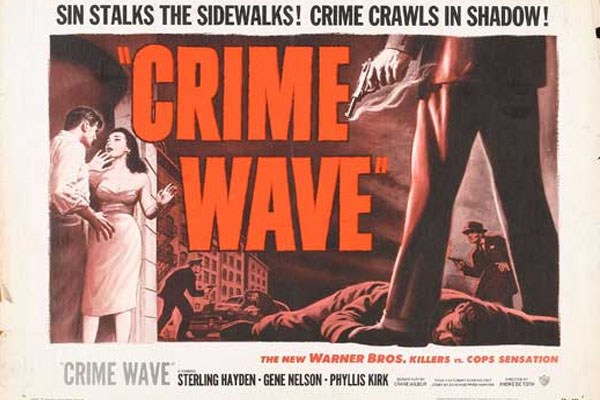
The key warehouse rendezvous sequence was inspired by Crime Wave, which was directed by André De Toth. That film is also about a crime job gone wrong in which one of the gang is shot and fatally injured. That explains why his name is in the dedication at the script's outset.
4. The Lost Boys
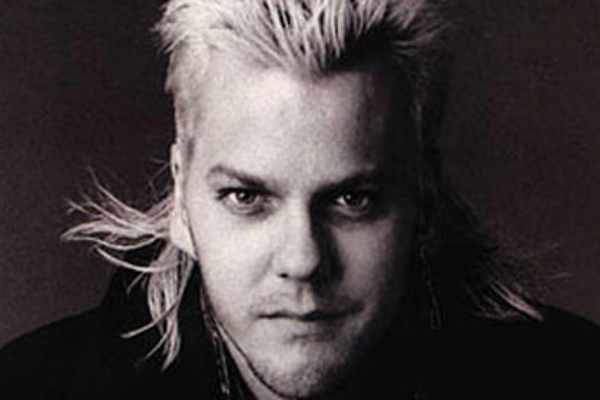
Freddy Newandyke (Mr Orange) makes reference to The Lost Boys (1987) during the rehearsal of his cover story. It has been suggested that this could be reference to the villain in the film who owns a California coastal video store, as Tarantino himself worked at the Manhattan Beach Video Archives. Freddie also has a Silver Surfer poster on his wall: that's not just a reference to the Fantastic Four again, it's meant as a homage to Richard Gere's Silver Surfer obsessed character in Breathless.
Reservoir Dogs
3. Taxi Driver
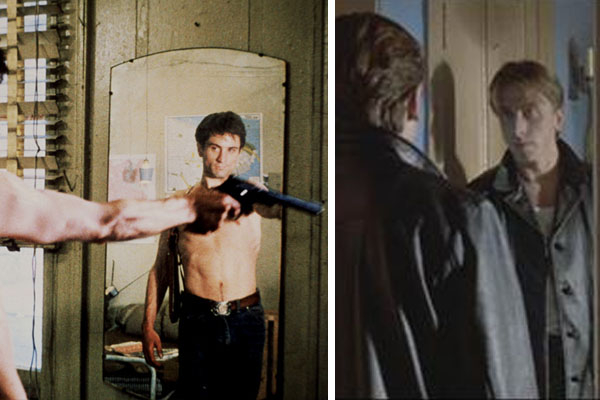
Mr. Orange's psyche-up talk before he leaves his apartment is a slightly less menacing redo of Travis Bickle's infamous scene in Taxi Driver. At another point, Mr. White mentions a store manager being a "Real Cowboy", a reference to what Harvey Keitel's character in Taxi Driver calls Bickle. In another nod to past Harvey Keitel roles, Mr Blonde says he bets Mr white is a Lee Marvin fan: in Who's That Knocking at My Door, Keitel's character is just that.
2. The Vocal Coach Cameo
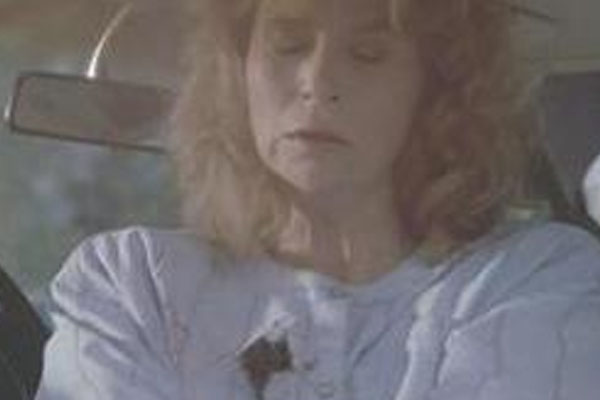
Just after Mr Brown is killed, Mr Orange attempts to jack a car but is shot in the stomach by the driver before he quickly pulls his own weapon and kills her. The moment sees the dead woman get a short moment of glory, but she had a bigger part to play in the film. She was Tim Roth's vocal coach Suzanne Celeste, who got the part after Roth claimed people of her profession drive their students crazy.
1. City On Fire
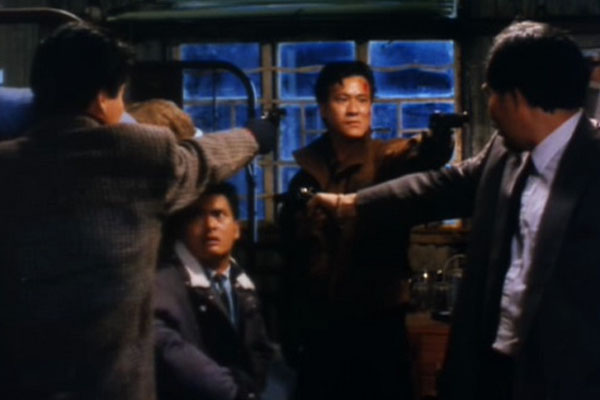
Did Reservoir Dogs ever seem familiar to you? That's probably because it's a re-working of plot elements taken from 1987 Hong Kong movie City On Fire (which starred Chow-Yun Fat). Everything from the diamond heist-gone-wrong, undercover cop, Mexican standoff, and last minute revelation - in which a bemused criminal learns that his partner was a police officer all along - find their way into Tarantino's blender. Unlike Reservoir Dogs, though, City On Fire actually depicts the diamond heist in all its glory.
Pulp Fiction
30. The Title
The title Pulp Fiction refers to the kind of trashy dimestore novels popular in 50s. These stories would often find themselves repeating the same troupes and plots over and over again, re-told by different authors with different spins. The idea was to subvert these expectations through blending a select few of them together. Popular stories at the time included many that make up the backbone of Pulp Fiction: taking the gangster boss' wife out on a date, the boxer who chooses to throw a fight and is pursued by gangsters, and the plights of low-level bandits.
29. A Band Apart
Pulp Fiction was the first film released under Tarantino's A Band Apart production company - a name he chose as a play on Godard's French New Wave classic Bande a Part. Godard's work was hugely influential in the aesthetic styles of both Pulp Fiction and Reservoir Dogs.
28. His Girl Friday
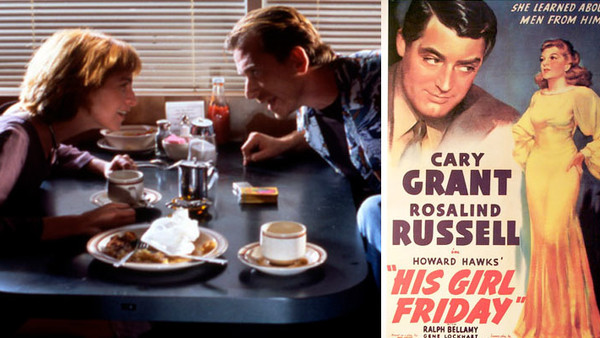
On the very first page of Tarantino's screenplay Tarantino describes his characters talking in rapid-fire motion like His Girl Friday, referring to the high-octane chatter of Tim Roth and Amanda Plummer. Later, Mia's borrows a line from the same film, when she asks Vincent: "Mind rolling me one of those?" - an almost identical quote from Howard Hawks' 1940 classic.
Pulp Fiction
27. Flock Of Seagulls
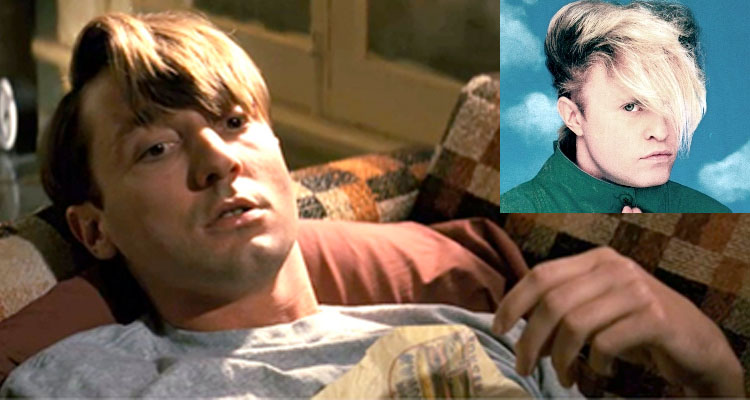
Jules refers to one of Marcellus Wallace's associates as "Flock of Seagulls," alluding to his floppy haircut style and the new wave band who sported them in the 80s. They had a hit with the song "I Run".
26. What's In The Box?!

There have been many speculations as to what is contained in the mysterious briefcase that Jules and Vincent recover from Brett and company. Foremost, it seems to be a reference to the film Kiss Me Deadly, which features a similar, glowing case. One popular theory denotes that the case contains Marcellus Wallace's soul, given that later in the film, he appears with a large band-aid stuck across the back of his head, and that the combination used to open the case is "666." Of course, it's more than likely that Tarantino purposely intended to generate widespread speculation, and that the case is purely a MacGuffin.
25. Big Kahuna Burger

Brett is seen eating a delicious Big Kahuna Burger, as purchased from now Tarantino's now infamous fictional "Hawaiian burger joint." The Sprite soft drink that the soon to be offed Brett is enjoying before he is rudely interrupted by Jules & Vincent looks, not incidentally we are sure, to be the same design as Mr. Blonde so coolly slurps in Reservoir Dogs.