16 Most Controversial Gaming Moments Of The Decade (So Far)

Nothing like an implied rape scene to whip everyone into a stupor.
Gaming has never been a stranger to controversy; whether its tasteless exploitation, sexism or racism, there's always questionable content being found in your favourite games. Factor in the increasingly disgusting money-swindling practices that developers are indulging in on the business side of things, and it seems every year there are more and more explosive headlines hitting the web that offend more and more players to their very core. Sadly, controversy like this is inevitable in a medium that's grown as exponentially as gaming has, and that's a shame, because these moments make up a blemishing minority in an otherwise blossoming culture. But if questionable and frustrating stuff like this is allowed to keep happening as frequently as it does, then gaming will never be able to become as progressive and inclusive as it could (or perhaps should) be. That said though, even if they were the small exceptions of five mostly great years, these extremely divisive and controversial moments still managed to spark debate that raged for weeks - if not months - throughout the gaming community. And for good reason, huge topics like these don't deserve to be swept under the rug and forgotten about. When it comes down to it, video game controversy doesn't get much bigger than these cringe-worthy, head-spinning and rage-inducing moments where everyone collectively gathered together just to scratch our heads at what the hell was going on.

16. The NSA Spies On World Of Warcraft

In the midst of the great Edward Snowden leak of 2013 that uncovered numerous breaches of public privacy, it was discovered that the NSA had not only been spying on social networks and phone calls on the look out for terrorism threats, but that the secret service was also greatly interested in uncovering plans of terrorism that were being concocted over... World of Warcraft. That's right, it was someone's actual job to shift through the masses of text-chat that WoW players were sending each other - which lets face it, would probably look like the most boring thing in the world to anyone reading through thousands of lines out of context. Although it's rather funny to think of government employees having to read through endless MMO chats, the leak provided a disheartening reminder that perhaps an all-digital age wouldn't be the utopian experience everyone had expected. Democracy's really failed when even your video games are being spied on, right?

15. Capcom Is Still Selling On-Disc DLC

It's not 2009, is it? That's the only reason that fully explains why Capcom, or any company for that matter, is still selling video game content that's locked behind a frustrating pay-wall. Sold as DLC, the content of this said 'download' is actually on the very disc you've already paid up-front for, yet Capcom constantly wants to charge you even more for something you've rightfully purchased in full. While practices like this started years ago, most companies and publishers have grown out of such deceitful behaviour - mostly because content on a disc that's been 'locked' and needs to be payed for later, is easily found by tech-savvy coders and programmers. But Capcom, even after years of constant criticism, still can't seem to shake this shady tactic. As recently as 2012's Street Fighter X Tekken, the publisher was still holding content to ransom that should have been be available to anyone who purchased the game in the first place.

14. The Entire SimCity Launch

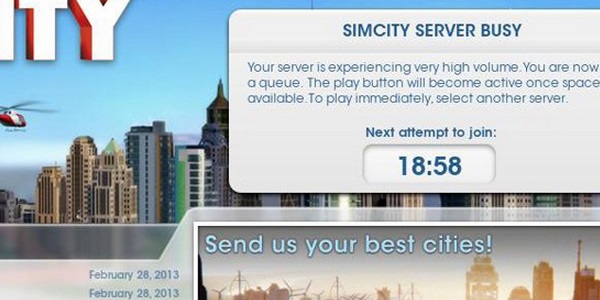
Although every gamer has tried to repress the memories of the time when DRM was considered the "future of gaming", this highly controversial feature was at one point going to be included in just about every contemporary title going. In a way, it was rather fortunate that the launch of SimCity provided the prime example as to why a DRM future simply wasn't feasible. Why a major online component was needed in a primarily single-player game in the first place was a worrying topic even before release, but the game's publisher EA promised fans that the feature would only help - rather than hinder - the final version of the game. They couldn't have been more wrong. Releasing out the gate completely broken, the title was essentially unplayable for weeks after release. To make matters worse, when it did actually work and came online, bugs, glitches and frustrating crashes would collapse the whole experience all over again. While EA had previously stated that a version of SimCity without DRM would be impossible, a single-player only version of the game eventually saw a release - but by that point the damage was already done.

13. Microtransactions In Full Price Games
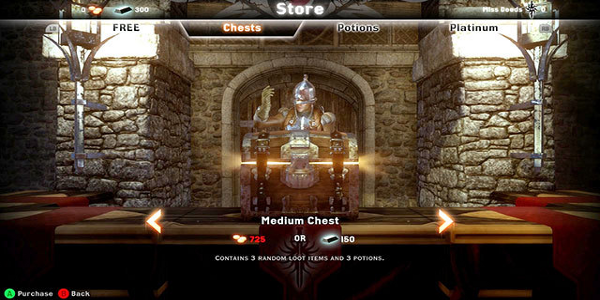
While free-to-play or mobile titles absolutely need to include microtransactions in their games to generate profit, publishers begin to test the patience of players when this nickle n' dime practice is transferred to fully-fledged $60 games. Although titles can adopt this feature in a harmless way, it becomes an inherent flaw of certain games when a gimmick like this is implemented in a way that promotes grinding and failure in order to glamourise the alternative monetary option. So when the multiplayer of something as robust as Dragon Age: Inquisition feels like a chore and a slog to play through because you haven't payed extra for the unlocks, that's when you know the feature has completely failed. While this type of grinding is more acceptable in a mobile title due to its origins therein, when you essentially restrict part of a game people have already payed a premium price for, it's just downright embarrassing on the publisher's part.

12. Watch Dogs' Graphical Downgrade

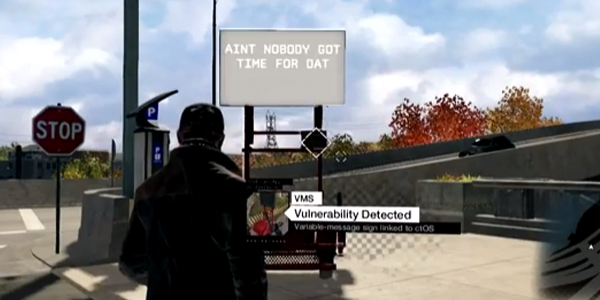
One of the first next-gen titles to be publicly unveiled, it didn't take long for the promise and hype of Watch Dogs to reach stratospheric levels; with eye-popping visuals and a genuinely innovative gameplay hook, this was the big release that everyone thought would welcome in the next evolution of video games. But two years and two delays later and this once-promising title had crumbled under its own weight. While its disappointing gameplay can be placed squarely on the problems of pre-release hype, the head-scratching graphical downgrade was an aspect of the final release that just didn't sit well with any who eventually played. Looking like an extremely stripped-back version of its former self, gamers were left wondering just what the hell happened to this once beautiful title. Even though the game's developers swore that the end product hadn't been downgraded, the difference between the final release and the 2012 reveal trailer was night and day though, and became nothing other than the perfect visual reminder of all of Watch Dogs' shortcomings.

11. Evolve's DLC Debate

With Evolve being a multiplayer-only title and the developer's pre-release comments suggesting an aggressive focus on future downloadable content to support the game (it was "Built with DLC in mind"), many players were worried that the much anticipated shooter would hit store shelves suffering from a severe lack of on-disc monster-hunting gameplay. And in the end, it did - in a big way. Featuring only a handful of maps and three monsters, this online-only shooter was hardly the type of game that players could sink their teeth into and feel satisfied until the developers rolled out any sizeable new content. Because Evolve focused so much on its post-release stream of DLC, the creators and publisher ultimately forgot to give players enough of a reason to stick around. To be blunt, unless you're someone cranking through the leaderboards for the sake of it, the whole game seemed to appear and disappear within a few days of release because of it.

10. DriveClub's Server Meltdown

Originally a PS4 launch title and one of the first next-gen video games to be revealed to the public, DriveClub eventually came out a year later than it was supposed to and the absolute trainwreck of its release became an living nightmare for all owners of Sony's new console. A driving game fuelled by a great emphasis on network functionality and sharing your experiences with others, the entire online component of the title imploded upon release, rendering the racer virtually unplayable for weeks, if not months after it hit store shelves. But to make matters worse (and why DriveClub earned its spot on this list) was that this network collapse not only affected fans who were anticipating this exclusive title, but the server disaster also managed to burn virtually everyone who owned a PS4. Even before the console's release, Sony had promised that a stripped back version of the game would be made free to every player who was subscribed to it's online service Playstation Plus, but because of the game's disastrous server problems the deadline for the subscription version of the game came and went, and even now months after release it doesn't look like Playstation players will be seeing this title as a free download any time soon.

9. Hatred's Violence And Censorship

Every single part of the furor around 2014's Hatred culminated into an ugly, ugly mess of an argument about censorship and the limits of creative expression. The game itself caused such a fuss because of its depiction of a small-town mass murder, in which you weren't given control of a hero trying to prevent people from being hurt, but were actually supposed to assume the role of the genocidal maniac yourself, gutting and shooting your way through innocent civilians. The graphic content of the game would have been enough to secure this title a place on this list on its own, but Steam's knee-jerk reaction to pull the game from its store - effectively banning it from sale - only fuelled the fire around this controversial shooter. While it was later reinstated on Steam the damage had already been done, and neither party on either side this horrific experience managed to emerge unscathed.

8. Tomb Raider's Producer's Sexual Assault Comments

While promoting the much hyped 2012 reboot into the Tomb Raider franchise, developers at Crystal Dynamics dropped themselves into a spot of bother by describing a pre-release clip of the game as a scene of attempted rape, not to mention comments surrounding the idea that Lara would go through hell so much that "you'd want to protect her." Now, a video game that tackles issues of rape and sexual assault isn't inherently offensive if its treated with the right amount of care, but after Lara had been trying to survive being killed either by the natural wilderness of the jungle or the thugs chasing her, ending the footage with the threat of sexual assault ultimately felt tacked on, manipulative and only there for lazy shock value. https://www.youtube.com/watch?v=gB0_jFv634M Fortunately the rest of the game turned out to be a rather brilliant experience, this small scene being played down in the final release as Lara Croft was depicted as an intelligent, durable and strong character - just as she should be.

7. New Consoles Releasing With No Games

After eight long years waiting for the release of new consoles, 2013 was the year Sony and Microsoft finally answered our prayers to kick-start the next-gen. Having been starved for new hardware for so long the hype that surrounded the release of these two new machines was unprecedented, and with each company doing their best to put their product out in front, it seemed like a new piece of drama was emerging every single day. But once the consoles actually released and that holiday hype wore off, until the fall of 2014 - essentially a whole year after the machines hit the market - there were virtually no games that justified the purchase of either Sony or Microsoft's next-gen platforms. While yes, there were titles you could buy, nothing stood out to justify the $400+ price-tag whatsoever. Exclusives from both companies were sparse even before big-hitters like Watch Dogs and DriveClub were delayed, and titles that weren't pushed back only provided hints of what was to come further down the line. In fact, the best games that you could play on either system were multi-platform anyway, which oftentimes meant that you could get a cheaper and near-identical experience on last-generation hardware. But this lack of new experiences was actually part of a bigger problem, which was...

6. The Delays

There's kind of a paradox going on with this entry, because shockingly, delays aren't actually the worst thing that can happen to a game. In fact, almost every title that ever gets delayed always ends up better when it finally releases. But it's gotten to the point where a game released on time is the exception, rather than the rule. From Arkham Knight to Uncharted 4, announcements of new titles today come with the expectation that its eventually going to be delayed somewhere down the line, so delays in general become less matters of "if" and rather "when". And that's a big problem. If a game unexpectedly needs to be pushed back it's frustrating, but it's better for everyone in the long run. However, it's a completely different situation when a game is announced obviously way too early in order to build up hype, when the publishers and developers know there'll be no way that it'll be able to hit the already vague release window that's been set. Games don't always need to be announced and hyped years in advance, hell, do you think there'd even be a small impact on sales if Fallout 4 was announced tomorrow to be coming out next week? No way.

5. Dead Island's 'Feminist Whore' Perk
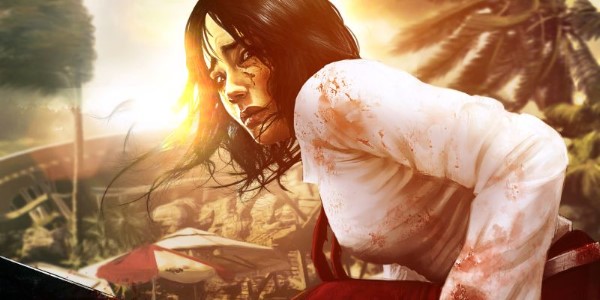
Coming under controversy during the release of both Dead Island and it's quasi-sequel, Dead Island: Riptide, developers Techland are no stranger to stirring up the press. The 'Gender Wars' perk featured in the original game that allowed for one of the playable characters, Purna, to deal extra damage to male enemies actually seemed like fun little joke on paper, but the atmosphere around this gameplay twist turned much more sinister when it was discovered that during development (and still noticeable in the game's debug code) this character specific specialty was originally known as the "Feminist Whore" perk. Although it was changed for the final version - because of course there was no way that something like this would be kept in such a high profile AAA game - this post-release discovery dampened much of the excitement for the title itself, even after the developers defended the original name on-record, citing a personal in-joke as the reason for the sexist label.

4. Hotline Miami 2's Rape Scene

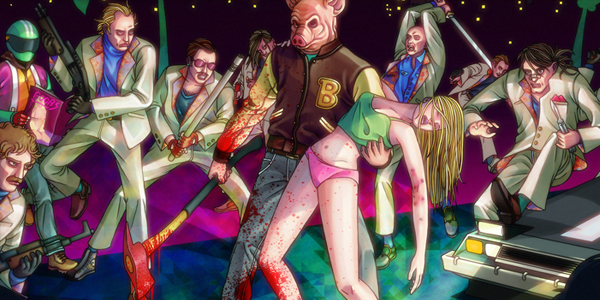
While Hotline Miami by its very ultra-violent nature revels in controversial topics, the opening sexual assault that occurs in the very first mission of Dennaton Games' critically revered sequel came across as particularly distasteful and mean-spirited. Even when it's revealed that what you're playing in this opening scene is actually part of a horror movie and you're assured that no one was hurt by your actions, it still comes across as a needlessly tasteless moment in an otherwise great game. It becomes even more of a shame because there was an opportunity for commentary here on why players are willing to kill hundreds of guys in graphic ways, but are uncomfortable performing similar acts of horror on female characters, but even if this was the intention as some claim, it still falls flat for one simple reason: If the players don't kill said hundreds of guys, they'll be killed themselves. Although you're gouging out eyes and chopping off limbs, it still comes down to the fact that if you didn't, the same would only happen to you. But in this opening scene the helpless woman poses no threat, and the event comes across as simply a way to shock to player to their very core - and in that respect sure, the scene does achieve what it set out to do.

3. 2014's Biggest Launches All Release Broken

While some of the entries featured on this list have focused exclusively on games that have been broken, they barely represent the tip of the iceberg when it comes to big-budgeted, highly publicised video games that released in awful shape around 2013 and 2014. The epidemic began with Battlefield 4 barely being able to load itself up without freaking out - and it only got worse from there. 2014 saw the release of a bunch of Ubisoft titles hitting the market either loaded with bugs (looking at you here, Assassin's Creed: Unity), or with their online capabilities gimped because of the company's UPlay service completely failing (hello again, Watch Dogs). But those who had hoped that Ubisoft was just going through a tumultuous year found out that this epidemic of broken games wasn't exclusive to just one company when Halo: The Master Chief Collection - an absolutely brilliant system-seller in its own right - crumbled under its own weight. 2014 was the year even a Tetris game released as a broken mess. A Tetris game, just let that sink in... publishers cared so little about releasing functioning games in 2014 that they couldn't even release a workable title where you move shapes into place without it stuttering and feeling less proficient than the 30 year-old model.

2. The Entire Launch Of The Xbox One

Almost repeating the mistakes of 2007-era Sony verbatim, Microsoft entered the current generation of consoles one step ahead of the competition; with the largest market share and a huge amount of fan adoration - the company in early 2013 could do no wrong. But then the gaming giant unveiled its new console - and proceeded to quite literally do everything wrong. First they announced the console would need to always be connected to the internet - not a terrible idea in the current digital age - but when this functionality meant that Microsoft would effectively kill the used game market and treat your favourite video games as services rather than purchases, it rightly annoyed everyone who was giving them the benefit of the doubt. And then, instead of taking the mature stance to the audience backlash, the company's PR went into a state of complete meltdown, posting passive aggressive responses over social networks to disgruntled fans and insisting that the console simply wouldn't function without an online component (or without the Kinect either for that matter - another peripheral that Microsoft was shoving down gamers' throats without their consent). Of course, Microsoft eventually completely dropped these controversial policies and the Xbox One has slowly been making great strides to win back its audience ever since. But for a time, there was a feeling that this once-respected company was digging itself into a hole it simply wouldn't be able to climb back out of.

1. #GamerGate

Although many entries on this list have been extremely controversial by nature, none of them even came close to dominating the headlines for as long as the still ongoing GamerGate debacle. In fact, this movement has been going on for so long that keeping track of its entire history and the evolution of the original story itself can be utterly exhausting - but a quick browse through the major milestones of this divisive issue points to it being one of the saddest, ugliest, and downright most mean-spirited events in gaming history. With camps on either side of the controversy campaigning for a better gaming environment, the movement executed the fight for this noble cause in the most disgusting way imaginable; covering topics such as gaming sexism, censorship and "ethics in video game journalism", whereby analysis into these dense issues always devolves into nothing more than an ugly internet echo-chamber, regurgitating the same horrific and offensive comments over and over again. As personal attacks on various gaming personalities became more and more common this controversial event gained so much infamy that is was actually picked up and commented on by numerous national mainstream news outlets, that sadly only increased the defensive and vitriolic behaviour of many people involved in the first place. What controversial game-related story took you by surprise? Let us know in the comments!

 
Posted On: 
Contributor

Josh has over 11 years of experience as a published writer, having worked nine of those years as a full-time content producer at WhatCulture. In that period he has created hundreds of articles, videos and podcast episodes for multiple WhatCulture channels, specialising in gaming, horror and film & TV. He now primarily works as a senior content producer and presenter on WhatCulture Gaming where he co-hosts the WhatCulture Gaming Podcast, a top 3 UK most listened to gaming podcast that he co-created in 2018. Over the years he has reviewed several high-profile gaming releases, covered industry events with on-site reporting, opined on breaking news, and even kicked off his interviewing career by chatting to childhood hero, Tommy Wiseau.