8 Video Game Console Design Flaws That Made Us Rage
For $500 you'd imagine they'd test the console before release!

Buying a new console has the power to make grown men and women feel like a kid on Christmas morning. We anxiously wait for a big box to get delivered by the postman (who better not be late on today of all days), we savour that new smell when we open it before hastily setting everything up and turning on our new toy for the first time.
There are so many questions racing through our minds at this moment: what will the first boot screen look like? Will it be as awesome as everyone says? Will the mind-blowing graphics melt our retinas? Wait, why isn't it doing anything? And what's that burning smell? Indeed, there's nothing quite like the frustration and rage we feel when something we've spent our hard-earned cash doesn't work properly.
Worse still, it works for a while and brings you so much joy that you essentially have a miniature nervous breakdown when it suddenly dies on you a few days out of warranty. When console hardware is concerned, fate can be a cruel mistress. Even the best consoles aren't going to last forever. Chances are you're going to run into problems with yours at some point, even if you treat it with more love and care than any pet or family member. The following 10 consoles have design flaws have frustrated us, disappointed us, and sometimes turned us into blubbing wrecks. It's time for revenge.
8. Nintendo 64 - That Loose Analog Stick
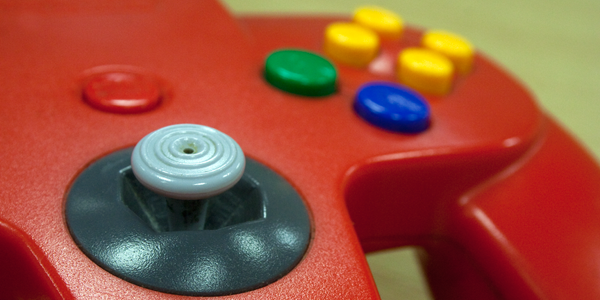
The Nintendo 64's controller was always a bit of an odd thing.
Its three-pronged design was great for mutants with three hands, but was a bit baffling for everyone else. The amount of incredible games (Lylat Wars, Ocarina Of Time, Perfect Dark, Conker's Bad Fur Day, the list goes on) meant that gamers definitely got a fair bit of mileage out of the machine.
Unfortunately, the analog stick was simply not up to the task of being subjected to repeated marathon sessions. Over time the analog stick would begin to loosen, until eventually its default position would be leaning slightly in one direction. It made playing games a complete pain, as you'd constantly have to compensate for the analog stick not being in its neutral position.
The N64 was famed for its multiplayer, and this crucial design flaw made matches on Goldeneye unfair, as one poor bugger would always get lumped with the dodgy controller that constantly made their character go left (and straight into a proximity mine).
7. Nintendo 3DS - Ridges Scratched The Top Screen
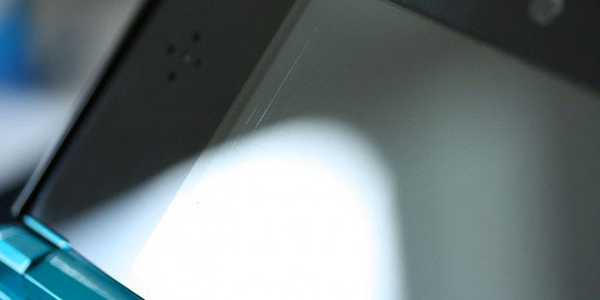
The great thing about the design of Nintendo's dual screen handhelds is that the clamshell protects their screens at all times, making them highly durable and ideal for putting in pockets or carrying in a backpack or using as a weapon when you think there's a burglar lurking in your house. The big N made a massive oversight when designing the 3DS, however.
Unlike the regular DS, the two screens of the 3DS are different sizes. The 3D display at the top is significantly larger than the touch screen at the bottom. This caused the ridges around the bottom screen to rub against the top screen when the system was shut. If this happened enough and pressure was applied on the system (like if it's in a particularly tight pocket) then the 3D display could easily get scratched.
Nintendo fixed this ghastly design flaw with the 3DS XL, but that was little help to those that bought the handheld for its fancy 3D display, only for it to be ruined through no fault of their own.
6. Sony PlayStation - Overheating / Laser Issues
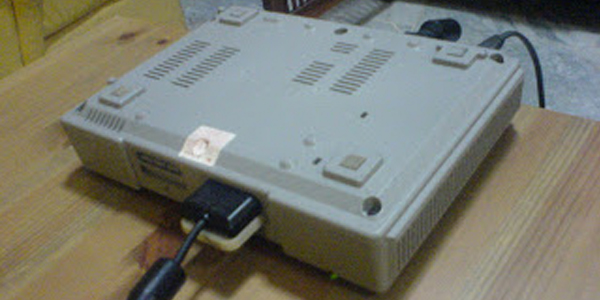
Sony took the gaming world by storm when it released its trusty PlayStation brand way back in 1994. The little CD-based console gave us Metal Gear Solid, Final Fantasy VII and more cheesy full-motion videos than you can shake a stick at.
Well, that's when it worked, anyway.
Early models were prone to overheating as their vents were placed at the bottom. The novel CD was a bit finicky as well. The PS1's laser was susceptible to wear and tear, and for some it would escalate to a point where they had to try for hours just to get a game up and running. Many solutions to this somewhat common issue began to spread by word of mouth. Some said tipping the PS1 upside down would make it easier for the laser to read the disc, while others said spinning the disc with your finger, closing the lid and praying to the Gods that you'll get to play some Tomb Raider was the way forward.
It can't be that hard to make a games console that can actually play games reliably, can it? Well
5. Nintendo Wii U - Poor Controller Battery Life
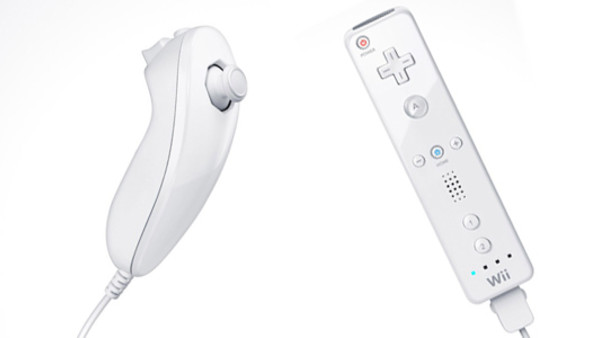
After the amazingly successful Wii, Nintendo decided to capitalise on the tablet trend by designing a console with a 6-inch screen embedded in the controller. It's a sound idea that some games (Rayman Legends, Nintendo Land and the ridiculously titled ZombiU) have used brilliantly to create new gameplay experiences.
It's sad then that Nintendo went the cheapest route possible when it came to powering the device. if you actually open up your Wii U GamePad, you will see that there's room for a much bigger battery in there. They could have easily added one and doubled the controller's battery life from the paltry 3-6 hours to a more acceptable 6-12.
In fact, they have proven it's possible themselves by selling a battery that does just that. Which begs the question: why didn't they just include it in the first place? It was probably to cut down on costs, as Wii U was the first console they sold for a loss at launch in Nintendo's long history, but that doesn't make it any less maddening for Wii U owners.
After all, it's hard to get immersed in a game when you know that your controller's battery light is going to start blinking any second.
4. Sony PlayStation 2 - Disc Read Errors

It appears that Sony learned nothing from their first console, as the next PlayStation suffered from similar problems. At the turn of the century there was a massive buzz around the launch of the next Sony PlayStation. It could play DVDs (a very futuristic thing at the time) and Sony boasted that their little black box was capable of graphics that would rival Pixar's Toy Story (which of course it wasn't).
The marketing and hype surrounding the console was astronomical, so you can only imagine people's disappointment when they fought tooth and nail to secure a system at launch, only to find that the damn thing wouldn't read any discs. Enraged PS2 owners soon tried to find ways to fix the issue themselves.
They ranged from placing it horizontally on the floor instead of vertically to putting scotch tape on the discs to the rather hands-on option of taking it apart and giving the old laser a good clean. If you bought the fat PS2, chances are you would have encountered this issue at some point. Most likely when Sony started rolling out the sexy new slim version. We smell a conspiracy...
3. NES - Dodgy Cartridge Slot
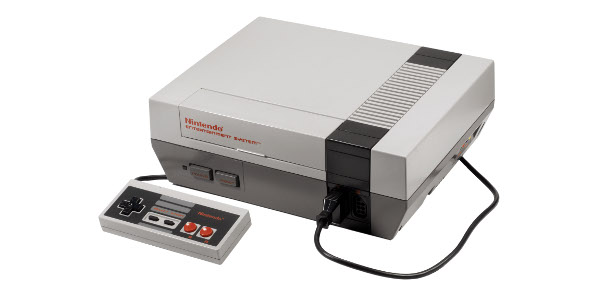
This massive oversight is solely responsible for the frustrated tears of a generation of children. The NES is undoubtedly one of the most important consoles in the history of gaming. It jump-started the entire industry and brought us some of the best games ever, which only makes it more frustrating when it won't read your favourite game cartridge for the hundredth time. The cause of the problem was the system's front-loading cartridge mechanism.
Players would lift up the little NES flap, push their cartridge into the slot and then push the slot downward. This worked fine when both the cartridge and NES connectors were clean, but dust could wreak havoc with the system. Additionally, the routine motion of forcing a cartridge into the slot would cause the pins on the connectors to bend over time.
Later models of the NES didn't suffer from this horrible problem, but that's little comfort for those that spent more of their childhood blowing into cartridges than actually playing games.
2. Game Boy Advance - No Backlight
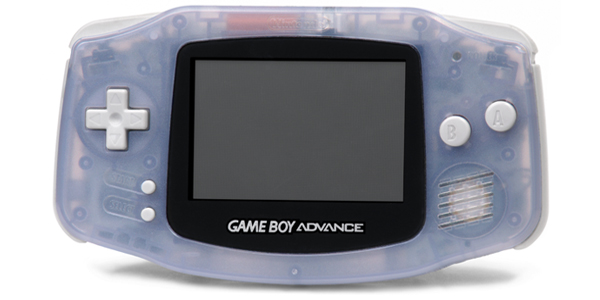
It's hard to believe in this day and age when even your mum has a backlight that there was a time when it just wasn't standard within the industry.
It was just starting to become commonplace in 2001, when Nintendo made the oh-so-smart decision to release the successor to the Game Boy without a backlight. The screen was so dark it was essentially impossible to play outside (which is, you know, the point of having a handheld in the first place). While the Game Boy got along just fine without a backlight (and without colour for that matter) this was a different era.
The GBA was powered by AA batteries, so it's possible that Nintendo decided against using a backlight in order to maximize its battery life. Nintendo finally released a backlit GBA in the form of the SP in 2004 (with a rechargeable battery to boot), but up until then GBA fans were forced to play classics like Golden Sun either at home in a well-lit room or outside by squinting really, really hard.
1. Xbox 360 - Red Ring Of Death

There are few consoles as mighty as the Xbox 360. It really pushed the boundaries of innovation when it came to breaking for no obvious reason. If you bought an Xbox 360 in its early years, you will have undoubtedly experienced the pain of the Red Ring of Death first hand. It wasn't really a question of if it would happen to your console, but rather when.
If your Xbox suffered a fatal hardware failure, 3 red rings would flash around the power button. The root cause of this was simply poor hardware design. The 360's inadequate (and noisy) cooling system combined with Microsoft using the wrong kind of solder was a recipe for disaster. If you were unfortunate enough to have your Xbox crap out on you when you were out of warranty, it was tough luck. Microsoft refused to cover the cost of the repairs and essentially buried their heads in the sand.
This led to many gamers desperately trying to fix the issue themselves, resulting in bizarre methods like wrapping the system in a towel until it overheated, apparently bringing 360's back from the dead in some cases. It wasn't until 2007 that Microsoft eventually caved to increasing public pressure and announced that all Xbox 360s bought since launch will have a 3 year warranty.
They pledged to fix RROD for free and to compensate those that had paid for repairs out of their own pockets previously. All in all, the whole fiasco ended up costing Microsoft over $1 billion dollars.
Still, despite their fairly bad track record the Xbox One has proved to be a pretty reliable piece of kit thus far. You live, you learn!