10 Most Significant Reasons For WWE Raw's Low Ratings

Are you not sports entertained?
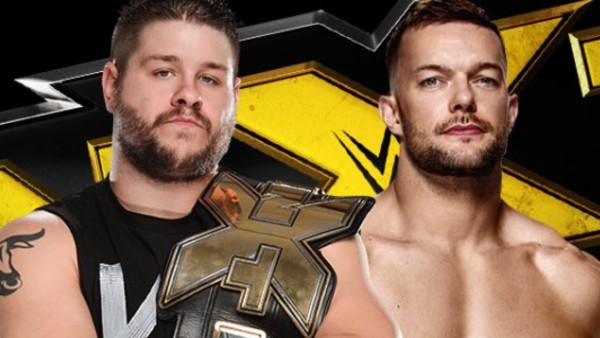
On Monday, July 13th, 2015, RAW only managed to bring in 3.54 million viewers, which led to one of the lowest Nielsen ratings for the program in seventeen years. This was despite the fact that the show featured a great triple threat match between Rusev, Cesaro and Kevin Owens, as well as the main roster debut of Charlotte, Becky Lynch, and Sasha Banks. Clearly there€™s something wrong with the WWE product. Because if everything was as great as Vince believes it is, and the company was as popular and profitable as WWE press releases have indicated, then this ratings drop shouldn€™t have happened. So the big question to ask is, what€™s wrong with RAW? What caused so few people to tune in to the last episode before the Battleground PPV? The answer to that question is a multifaceted one. RAW has many problems, some of which can be seen on a regular basis, while others linger in the backstage area, beyond the perception of most fans. RAW was once a €œcan€™t miss€ show, with something exciting and unique happening on each episode. Now, however, RAW has been stripped of most of the elements that made it so unique, with everything from matches to stories to merchandise being thrown into one big mixing bowl, with the same combination of ingredients being churned out on a regular basis. On one hand, the July 13th episode€™s low ratings could€™ve been a fluke, as there€™s a lot going on right now that might shift popular attention away from WWE. What€™s more realistic, however, is that WWE has several problems that need to be fixed as soon as possible. If not, then the shockingly-low ratings might not be so shocking the next time(s) they occur.

10. Recaps...Recaps Everywhere

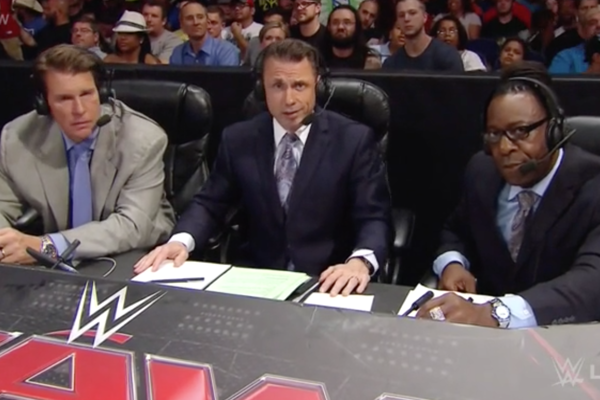
One of the biggest mysteries in WWE is why Monday Night RAW is 3 hours long, yet not only is there a lack of time for many Superstars, but some segments actually feel like they€™re rushed and go overtime. How is this possible? Mainly because of the focus on the commentary team, and their incessant need to remind fans of what happened earlier on the show. For example, the July 13th episode of RAW opened with Brock Lesnar and Seth Rollins, and throughout the broadcast, there were replays of that confrontation. Later on in the show, after the NXT Divas debuted, there was a repeat of that segment less than an hour after it took place. Not only does this habit imply that everyone watching RAW has the memory of a four-year-old, but it also implies that there are people who don€™t watch the whole show, which is the last thing that WWE would want to suggest (And yet every week, Michael Cole repeats the line €˜if you€™re just tuning in€€™ instead of selling missed events so much that fans feel guilty for missing them, which would encourage them to tune in for a future WWE broadcast). All WWE has to do is change their philosophy around to encourage fans to wait for next week€™s episode by telling them the kinds of awesomeness they missed, instead of spoiling those events three times or more on the same broadcast.

9. WWE Merchandise Isn't Being Used To Build New Stars

The simple formula for WWE as a business is that the more a Superstar sells merchandise, the more popular they are, and the higher their popularity, the more likely fans will tune in to see them perform. Thus, the best way to build stars is for the WWE merchandise department to invest in multiple stars, which would allow for those other stars to grow, and in turn become bigger draws. However, when it comes to WWE merchandise, the company seems to be invested far more in John Cena than anyone else, and thus he€™s the biggest force in ratings changes. However, this cannot go on forever, and unless something€™s done now to ensure stable ratings in the future, a Cena-less WWE is doomed to even worse ratings than Monday€™s. If WWE were serious in investing in new Superstars, they€™d be churning out merchandise for wrestlers like Seth Rollins, Kevin Owens, Roman Reigns, etc., knowing that fans would buy it. Instead, the merchandise that€™s always in both highest supply and highest demand belongs to a handful of established main-eventers, which keeps things at the status quo. If WWE really wanted to make new stars, which would encourage higher viewership, they€™d interfere in their merchandise market directly, encouraging the sale of other Superstars€™ stuff. They did this with Austin, the Rock, and Triple H over a decade ago and it work. So why can€™t they do the same thing now?

8. The Creative Team Is Recycling Old Storylines And Ideas

The truth about the bad quality of WWE programming is that, more often than not, it isn€™t the wrestlers€™ fault if something goes badly. After all, they€™re employees who have to follow pre-approved scripts and storylines that are often beyond their control. For a prime example of this, look at the Bellas. Their feud in mid-to-late 2014 was terminated without explanation, and the women themselves were upset that their storyline was ignored despite considerable screen time and creative investment. It is because of this emphasis on having good writers and storyline continuity that part of the blame for RAW€™s low ratings should be put on the writing team. While RAW has many writers, if their captain can€™t lead them or steer the show in the right direction, then the whole thing falls apart. That€™s why Dave Kapoor, a.k.a. Ranjin Singh, deserves mentioning. If you follow the general creative direction for RAW, it took a wrong turn at Albuquerque when Dave Kapoor became the head writer for the show. Now, while it€™s true that correlation does not equal causation, one cannot ignore how powerful the connection is between RAW€™s repetitive nature and Kapoor€™s tenure as head writer for the show. Though his position might€™ve changed in recent months, he€™s still WWE€™s head writer. And if he can€™t get a grip on proper storylines, or convince the other power-brokers in WWE to improve on the lack of continuity, then maybe they should get someone else to do his job.

7. The Backstage Agents Aren't Helping The Talent In Putting Together Good Matches

While the creative department is charged with actually coming up with storylines and wrestlers€™ characters, the actual matches and segments are put together by the wrestlers involved and the backstage agents. These agents are usually retired WWE Superstars, and have included such names as Pat Patterson, Brian James (Road Dogg), Joey Mercury, and Dave Finlay. In the past, these agents worked well with the active talent in putting on great segments on a regular basis. In 2015, and especially on July 13th, these successes have been limited to only a handful of cases. Despite the incredible experience possessed by these agents, they can€™t seem to replicate the success of years past. One of these agents is responsible for the 2015 KOTR winner Wade Barrett losing to R-Truth (€˜King What€™s Up€™, the man whose scepter is a plunger) in less than a minute. Who would actually find that entertaining? More importantly, what purpose does such a match serve, other than further devaluing the once-prestigious KOTR tournament? There appears to be disconnect somewhere between the creative team that writes the scripts for each episode of RAW, and the agents who actually put together the segments and matches. There€™s also an even bigger disconnect between what these people think works and what fans want to see. Clearly there€™s something wrong with how these agents think if they find that the R-Truth vs. Barrett match-up was a good thing.

6. Chris Benoit's Legacy

The rating for this past Monday night€™s RAW isn€™t a new phenomenon. In fact, Nielsen ratings for RAW have been more or less in the same range for many years now, and only on rare occasions to those ratings get exceptionally high or low. The general trend, however, is that ratings are decreasing overall, especially since this isn€™t the WrestleMania season. So why doesn€™t RAW€™s rating ever reach previous highs? One of the biggest reasons for that is because wrestling€™s image has been seriously tarnished following the Chris Benoit incident. WWE had a hard enough time establishing itself as a major form of entertainment before those events took place, but with headlines like €˜wrestler murders wife and son, then kills self€™, it made things considerably worse for both the pro wrestling business and its fans. Prior to this happening, WWE was still doing quite well in terms of popularity and appeal, but the notion of supporting a company that had one of their employees commit such unspeakable crimes was simply too much for many people, especially considering that, even with a TV-14 target market, many younger children watched the show. While RAW has enjoyed a few spikes in viewership, the overall Nielsen ratings have been falling for many years, as part of a greater trend that sees wrestling become less popular than it once was. That trend received a lot of momentum when the Benoit tragedy took place, and soon wrestling wasn€™t as €˜cool€™ as before. As long as that perception exists, WWE will keep having serious ratings problems.

5. NXT Has Become More Popular

With the notable exception of any storyline involving John Cena as of late, most of the wrestling on RAW has been stale and repetitive. Some rivalries feature several consecutive matches that don€™t differ from one another, and don€™t advance any stories between two competing athletes. Furthermore, RAW€™s insanely-tight schedule requires some matches to be short and insignificant, leading to such godawful contests as R-Truth vs. Wade Barrett. Small wonder ratings are lower than expected, especially when WWE€™s developmental territory NXT is providing everything that RAW should be providing. Thanks to the dominance of NXT on the WWE Network, as well as its popularity spreading through word-of-mouth and constant praise in online communities, fans have a show where they see long-term storylines, realistic characters, stories that are easy to invest in, and most importantly, competitive wrestling. Despite its status as €˜the minor leagues€™ of WWE, NXT gets more regular praise than RAW and SmackDown combined. This reputation is encouraging more people to tune in to the show on the WWE Network, effectively discouraging fans from watching RAW by offering a superior product. Triple H once said that his goal for NXT was to make it similar to WCW (minus the closing). Considering how much better it€™s doing when compared to RAW, it looks like he has succeeded.

4. Vince Has Over-Saturated His Own Product

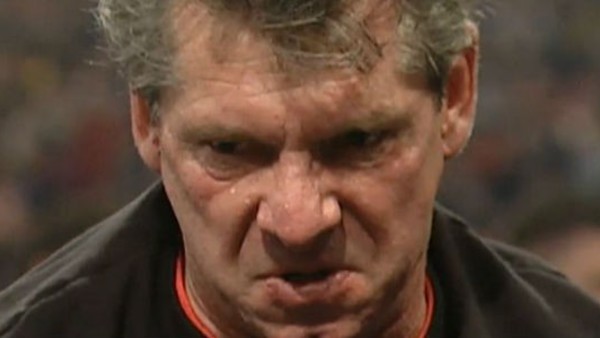
A big portion of the blame for RAW€™s low ratings should fall on none other than Vince himself. Even though the July 13th episode of RAW featured some genuinely interesting moments and a slight touch of uniqueness, the majority of the show was a glorified repetition of storylines and segments that have been seen countless times before. T his problem stems from Vince over-saturating the wrestling market with his own product, under the assumption that every person wants to watch WWE and only WWE. Because of this burning hatred for any form of competition, Vince would rather flood the market with multiple WWE shows that feature repetition and €˜filler€™ content, instead of giving the WWE Universe a break. For a good idea on how to run a wrestling market properly, one should look to Japan in the early 2000s. New Japan was in shambles, All Japan was gutted of its roster, and NOAH was still in its infancy. But despite the incredibly long and at times bitter rivalries between these companies, they openly encouraged partnerships and cross-promotional rivalries, which yielded mutual benefits to all of them, with the biggest winners being the fans. Though that kind of business plan isn€™t likely to work in Vince€™s WWE, it might be worth consideration for whoever takes his position when he retires.

3. Stephanie McMahon Hasn't Made The WWE Brand More Attractive To Stakeholders

As Chief Brand Officer for WWE, Stephanie McMahon is responsible for being the company€™s global ambassador among its most essential stakeholders. In other words, it€™s her job to convince investors, governments, NGOs and other business partners to invest in WWE, and help make the WWE brand more marketable and popular. Unfortunately, for the most part, she has failed in that endeavor. You€™d think that some of those agencies would promote the WWE brand as much as possible, and that would turn into more viewers. Sadly, that hasn€™t happened. Stephanie hasn€™t been able to make WWE a popular brand to invest in, either financially or in terms of entertainment. That, in turn, has been an integral part in the dip in ratings for RAW. If big companies and other powerful companies don€™t want anything to do with WWE, why should casual fans and ordinary people who might never have seen WWE before. A big part of this disregard for WWE stems from Stephanie€™s inability to shift focus onto WWE€™s positives and away from their negatives. Even though WWE does a lot of charity work, partners with different groups and promotes good causes, the WWE brand is still associated with the darker elements of pro wrestling. From Vince making Trish bark like a dog, to WWE€™s massive firing campaigns, to the never-ending stream of criticisms of their corporate policies, Stephanie has failed to convince the more skeptical viewers out there that the WWE brand is as good as she claims it is.

2. The Fans In Attendance Don't Make Enough Noise

One of the biggest problems with establishing new stars in WWE is that when they get paired with John Cena, the fans focus almost exclusively on him. They chant €˜Let€™s go Cena/Cena sucks€™, putting all of the attention on him instead of on his opponents. This focus perpetuates the idea that Cena€™s the biggest act on the show, and so the programming should be centered on him. Instead, fans should simply chant for someone else, which would help give the idea that there€™s more to WWE programming than John Cena. Moreover, it€™s these fans who fail to make the shows livelier, even though they have the power to make or break a show. As the Great Muta once said, North American fans aren€™t just attendees, they€™re match producers. The fans who attend shows like RAW and SmackDown have the power to elevate a match by adding more crowd noise, or making it worse by sitting there doing nothing. jIf fans made more noise like they used to, and did so for more than just the main-eventers, that would have a psychological effect on viewers at home, who€™d hear the loud noise and think €˜they like this wrestler€™, which would in turn encourage TV viewership. That is, of course, unless the rumors are true, and the production team actually does manipulate crowd noise to make certain reactions louder and others quieter.

1. Nielsen Ratings Don't Take Into Account New Viewing Technologies

WWE presents Monday Night RAW as €˜the longest-running weekly episodic television show in history.€™ That implies that RAW has remained more or less unchanged since its inception, and WWE€™s figureheads act like prime time television is still the most popular visual entertainment medium among households. That might€™ve been the case during the Monday Night Wars, but not so in 2015. With the explosion of other viewing technologies, fans don€™t have to watch RAW exactly when it airs. They can watch it at their leisure, which discourages people from tuning in when it matters. The Nielsen rating is a relic of a period when TV was the only medium for watching regular programming. The ratings haven€™t taken into consideration the proliferation of other ways of watching TV. The WWE Network tends to replay major WWE events and PPVs, which can be accessed whenever the user chooses. Hulu Plus and other on-demand services provide similar opportunities for people outside of the United States. DVR technology allows people to record shows for future watching. Then of course, there are streaming sites for those who don€™t have access to any of the other options, and these sites likewise do not figure into Nielsen ratings. When you combine these different elements with the fact that people will always strive to find something that€™s free, you end up with fewer households watching RAW during its actual prime time airing. Maybe that should be a signal to Vince that he shouldn€™t be so focused on TV ratings anymore to begin with.

 
Posted On: 
Contributor

Alexander Podgorski is a writer for WhatCulture that has been a fan of professional wrestling since he was 8 years old. He loves all kinds of wrestling, from WWE and sports entertainment, to puroresu in Japan. He holds a Bachelor of Arts degree from Queen's University in Political Studies and French, and a Master's Degree in Public Administration. He speaks English, French, Polish, a bit of German, and knows some odd words and phrases in half a dozen other languages.