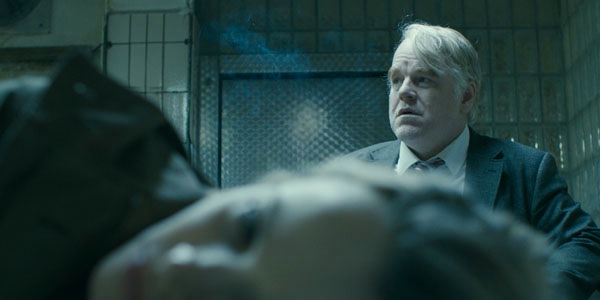
The last true performance of Phillip Seymour Hoffman (discounting his role in the upcoming Hunger Games films), A Most Wanted Man is a melancholy film made all the more depressing by the untimely passing of Mr. Hoffman. Based on the novel of legendary spy author John le Carre, it follows the fate of a suspicious Chechen immigrant who may or may not have jihadist intentions. Hoffman plays a German intelligence officer stationed in Hamburg who is tasked with uncovering the intentions and possible connections to prominent Islamic radicals of the suspected terrorist . The film touches on a number of pressing contemporary issues such as Islamic terrorism and intrusive government surveillance, but perhaps the biggest theme of the film is the subversive evils of the all-powerful bureaucracy. Anger and frustration over the lack of clarity and vision with massive bureaucracies is a prevalent theme in much of the best art of the 21st century, but it has hardly ever been as wrenchingly articulated as it is in A Most Wanted Man. The gut-punch ending, which stirs up a myriad of different emotions given Hoffman's death, is a particularly devastating scene that sticks with you long after the film's finish.
A film fanatic at a very young age, starting with the Teenage Mutant Ninja Turtle movies and gradually moving up to more sophisticated fare, at around the age of ten he became inexplicably obsessed with all things Oscar. With the incredibly trivial power of being able to chronologically name every Best Picture winner from memory, his lifelong goal is to see every Oscar nominated film, in every major category, in the history of the Academy Awards.