10 Perfect Movie Endings That Sequels Ruined

Nailing a perfect ending is tough - blowing it with a sequel is heart breaking.

Movie fans can sometimes forget that first and foremost, film-making is a business. Sure there is the odd passion project that is the exception to the rule, but when people think about the real ground-breaking films, and the ones that have defined the medium itself, most of these were made for a pay cheque. And there is nothing inherently wrong with that - there are far worse ways to make a living. The problem comes with the fact that the need to keep making profits means that often a good idea is wrung out to dry despite the best intentions and the most sincere attempts of all those involved. One of the saddest parts of extending franchises beyond what is creatively sustainable, is that it can negate or ruin the endings of the original film. Ending a film on the right note is one of the most underrated and taxing challenges in creating any kind of film, and a good ending can be the difference between a film going down in history as one of the greats (Casablanca) or as an unmitigated disaster (I Am Legend). Having a pitch perfect ending ruined is therefore one of the most heart breaking things that can happen to a film. Here we present to you ten of the worst sequels that tainted the perfectly closed films before them.

10. Terminator 3 Makes The Victory In Terminator 2 Meaningless
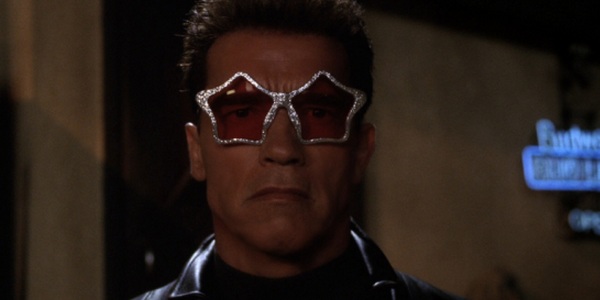
Directed twelve years after T2, helmed by a journeyman director, and featuring a lead whose best days were long gone, T3 isn€™t entirely awful - it€™s just entirely pointless. The established universe of the first two Terminator films was simple, clean, and effective. There may have been some obvious logic problems with the universe (why not just go get John Connor€™s grandparents?) but if you ignored these then the stakes were high and the film resolved the loose ends beautifully. There was some great sequences right at the end of T2 featuring Arnold and Edward Furlong that flirted with the questions of what constitutes humanity, and at the same time Judgement Day was avoided in a way that made sense. It was pretty much perfect science fiction filmmaking. In T3, though, it was revealed that the ending of T2 was all for nought, and in fact the Judgment Day that everyone was fighting to prevent was simply €˜inevitable€™. This is a jarring revelation because it means that the final scenes of T2 (well of the whole movie in fact) were meaningless. It didn€™t help that this shocking piece of news is also uttered in some of the clunkiest dialogue ever delivered in a major motion picture. Even though T3 made a profit, it has to be asked - was the money worth ruining the legacy of a film that finished as perfectly as T2? Fans would probably say no. Executives would probably say yes.

9. The Phantom Menace Spoils The Revelation Of Vader's Humanity

The Star Wars prequels get a bit of a bum rap. They€™re not good movies admittedly, but if you analyse the vitriol they generate amongst fans, it is like people believe George Lucas went out and dedicated a decade of his life just to screw them over. Obviously this isn€™t the case - he was simply a different man at that stage of his life who incorrectly thought he had a good idea. Return Of The Jedi isn€™t fantastic, but it had some really cool moments. One of these was the beautiful ending where Darth Vader revealed himself to Luke as he was dying. Given the events of the previous two films, it added all new emotional gravitas that fans would not have expected to see when Star Wars came out, and Vader was just a megalomaniacal badass in space. Why this ending worked was because it was a €˜less is more€™ approach to humanising the character. There was still mystery, and his background was vague enough so that viewers could fill in their own perception of who Vader was. Unfortunately spending a couple of hours showing Vader as a little child in a poorly directed CGI world meant that these self-contained universes were all shattered. Lucas went with a "more is more" approach and while fans thought they may have wanted that initially, it became very clear that The Phantom Menace and its ilk were simply retroactively ruining the experiences viewers had with the end of Jedi.

8. Batman Returns Destroys The Promise Shown In The Final Scene Of Batman

Tim Burton€™s 1989 vision of Batman was incredible for its time. While the common perception of it may have been tainted by the genre-shattering work of Christopher Nolan, it must be remembered that for Batman fans in the 1980s the only screen version of Batman they had ever seen was the campy 1960s TV show. One of the great aspects of Batman that summed up how unique it was for the time was the amazing ending that checked off everything that you need for an iconic Batman moment. The audience got the signal, the music, and then the film closed on a lone shot of Batman standing watching over Gotham. It really seemed as if an unstoppable and respectful franchise had been set up. And then Batman Returns came along. The sequel introduced many elements from the campy TV show, and then mixed these elements with an incredibly boring plot, and horrendous overacting punctuated by puns. The film almost single handedly undid all the good work that had been done in the first film and its lack of success with audiences, and re-introduction of TV show elements, set the platform for the franchise to go further down the drain. Within five years of Batman Returns being released, the most valuable franchise in Hollywood would be dead and buried - a feat that would have been unthinkable to enraptured audiences in 1989 witnessing the beautiful conclusion of the first film.

7. Superman II Turns God Into A Regular Dude
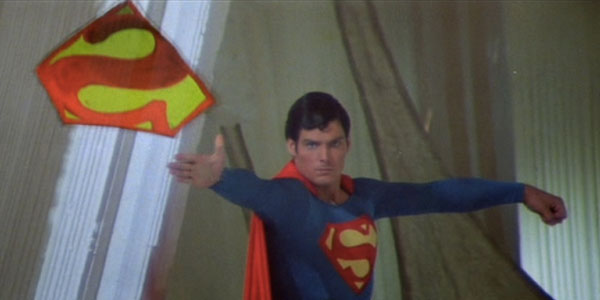
Much like with the 1989 Batman film, Richard Donner€™s 1978 version of Superman blew audiences away by establishing its own clear alternative universe that was still earnest enough to resonate with viewers. Superman may have ended on a ridiculous note, but it was appropriately ridiculous for the universe in which it was set. The ending established Superman as a God and a loyal protector of earth who would literally turn back time if he needed to. Unfortunately Superman II then came along and decided a heroic Christ figure was lame, and it would be far more entertaining for audiences to see Superman as a normal guy. So the film made him give up his powers, just so that he could sleep with Lois Lane. The results are infuriating, and rather than the joy of getting to see Superman magically flying around the earth like at the end of the first movie, the audience instead got to see him beaten up in a trucker bar. And then when he finally got his powers back, they were incredibly lame in comparison; things like removing a cellophane version of his €˜S€™ and an inexplicable ability to clone. In short, Superman II took the god-like superhero at the end of Superman, and turned him into a goofy horndog who couldn€™t fight.

6. Speed 2 Immediately Destroys The Romantic Payoff From The First Film

The first Speed, starring Keanu Reeves and Sandra Bullock, was a phenomenal hit when it was released in 1994. It was like a guidebook on how to perfectly execute an exciting film built around one simple hook. After a couple of hours of breathless action, the film timed its wind down moment just right so that the audience could see a payoff to the romantic chemistry that had been bubbling under the surface between Reeves and Bullock throughout. It was an appropriately silly ending for a film as bombastic as Speed. In the second film though, this relationship is brushed off within minutes through throwaway dialogue by Sandra Bullock€™s character as she is getting a driving lesson. There is no real explanation, and the audience is just expected to suddenly care about some guy they haven€™t even seen before. Who, to make matters worse, is completely charmless. Even if audiences could ignore everything else that is wrong with Speed 2, there would have at least been some sort of enjoyment if the romance everyone invested in the first time round was there. Removing that element so cheaply and lazily meant the whole platform of the film was doomed.

5. The Godfather Part III Removes The Powerful Ambiguity Of Michael Corleone

At the end of the Godfather Part II it is impossible for viewers to make a clear reading on Michael Corleone. In these closing moments, Michael orders the murder of his own brother Fredo because of a betrayal, at the end shown alone in the dark contemplating his humanity. The film then cuts to an innocent family dinner which takes place just as the younger, idealistic Michael has returned home from war, and is a different person from the cold and calculating crime lord. It is a perfectly layered closing for a film that allows viewers to make their own conclusions about the nature of crime, family, and loyalty. However, in the Godfather Part III this ambiguity is stripped away. The viewer sees an older Michael who is sympathetic and tortured. It is an interesting to know that Michael is racked with guilt over Fredo, but it was much more powerful when the question was up in the air. The contrast between the psychopathy and optimism in that original ending left so many questions that were more powerful left unanswered. In attempting to give a further epilogue to the original ending, Part II's ending loses a considerable amount of punch.

4. First Blood Part II Forgets The Social Criticism Of First Blood's Conclusion

Ask anyone what they think of when you say the name Rambo and no doubt they will have in their minds eye a shirtless Adonis, single handedly mowing down hundreds of faceless henchmen. And sadly, that€™s a fair perspective of the character today, even though Rambo wasn€™t always like that. At the conclusion of First Blood John Rambo is a sympathetic and complex character. The film€™s closing sequence brings up all kinds of questions about the nature of war and the damage that it does to soldiers. It might be ham-fisted in the way it does this, and it might subscribe to old right wing myths (the anti-war protesters were the bad guys for example), but it€™s touching regardless €“ and more importantly it is one of the few mainstream American movies that really tackles the question of PTSD head on in any meaningful way. First Blood Part II destroys all of that by sending Rambo back to Vietnam and turning Rambo into a ruthless killing machine. The franchise goes from having a body count of one to nearly a hundred in the sequel. The film quickly devolves into a parody of the action genre and the next two films become even more absurd and relentless in the way that people are killed off. While the films might be entertaining at times, their removal of any political commentary have made the name Rambo synonymous with stupidity.

3. The Matrix Reloaded Turns Neo From Superman To Confused Emo Kid

Much like with the Star Wars prequels, the Matrix sequels were guilty of not realising that what made the original idea work was the concept of less is more. The ending of the first Matrix is indicative of everything that film did right. It was simple, understated, and extremely powerful. There was sufficient closure as Neo flew away, and the hanging ending meant that viewers didn€™t need to deal with the nightmare logistics of how everything was constructed and why - they just knew that the Matrix was, and that the one was fighting to free humanity.

The sequels couldn't maintain that restraint, which meant that hanging ending suddenly had an epilogue that would collapse under its own weight. In trying to answer every question and every philosophical point raised in the first film, the sequels became an almost unwatchable mess of confusing double speak. There were logical inconsistencies, plot holes you could drive a semi-trailer through and, more importantly, they were simply boring and ploddingly paced.

The ending of the Matrix had the audience believing that Neo was an unstoppable force who would wipe out the machines and save humanity. The sequels turned Tom into a confused, emotional and very wooden messiah, completely destroying the simple idea that the first film postulated.


2. Producing Jaws 2 Sets Up Jaws To Become A Joke

Jaws was a surprise Hollywood classic that should have been left alone. The logistics of working with an animatronic shark, and filming on the ocean just about destroyed Steven Spielberg, so he wanted no part of a sequel (not to mention the fact that he thought the very idea was cynical beyond words). Additionally, while the ending was insanely impossible, it gave the film the ultimate act of finality. It was the perfect closure to an almost perfect film. The success of Jaws was so immense, though, that Universal demanded a sequel. They figured they could do a workaround, and simply wrote the film around a new shark doing pretty much the exact same thing as the shark in the first Jaws. Despite the fact that they would need a new director, and that the novelty of the first film was the shark€™s revelation, the executives were blinded by money and pushed ahead regardless. The results weren€™t surprising. Audiences knew it for what it was, so it didn€™t reap nearly as much profit as the first one. More damagingly, because it was built around the idea that the ending of the first film didn€™t really matter, it set the platform for two more shoddy, cynical, and exploitative sequels which led to Jaws becoming something of a punchline for greed and excessive studio cynicism (most popularly characterised by the promise of Jaws 19 in Back to the Future 2). If the ending of Jaws had been left alone, the film would still probably strike fear into the hearts of viewers. Instead Jaws can't be seen as anything more now than campy silliness.

1. The Kingdom Of The Crystal Skull Kills Off The Characters Who Made The Last Crusade Awesome

The chemistry between the characters in the original Indiana Jones trilogy is crucial to the success of the films. Both Sallah and Marcus Brody obviously offer comic relief at times, but are also seriously loyal stalwarts for Indy in their two appearances. And while it may only feature in The Last Crusade, the clashing dynamic (and eventual reconciliation) between Indiana Jones and his father Henry, is one of the most entertaining parts of the original movies. Having the four characters ride off into a clichéd sunset then, is the only fitting way the Last Crusade could have ended. Obviously, such a classic cinematic trope is very appropriate for a film series that was heavily invested in and influenced by classic iconography, but there is more to it than this. This image gave the viewer a sense of closure; it meant that these characters could theoretically live on as long together as they needed to. Crystal Skull ruined that. Of all the film€™s transgressions there were few as depressing as how these characters were suddenly removed. Knowing that Brody and Henry were dead, and Sallah was not around, meant that the whole Indiana Jones universe took on a morose and depressing realism that it didn€™t need. Revisiting the ending of The Last Crusade now lacks that same joy, knowing most of the character's future adventures are painfully limited. Which other sequels ruined great endings? Share your picks down in the comments.

In this post: 
Terminator
 
Posted On: 
Contributor
Contributor

Contributor for WhatCulture across the board, and professional student. Sports obsessed. Movie nerd. Wrestling tragic. Historical junkie. I have only loved three things my entire life: my family, Batman, and the All Blacks.