20 Documentary Movies You Must See Before You Die
A slice of "real life." Supposedly.
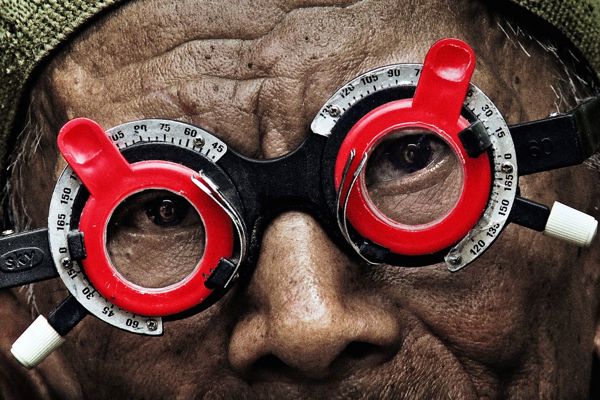
Everybody loves a good documentary.
Documentaries widen your knowledge and teach you about amazing things you might never have stumbled upon in any other way; they scale the heights and explore the lows so that you don't have to. They expose secrets, highlight injustices and capture candid moment that the world might never have seen. As a filmmaking genre, the documentary arguably has more power to shock, amaze and change than any other in existence.
The mistake perhaps, is to believe that "documentary" equates to truth; the format is, after all, subject to just as many lies and deceptions as fiction films are. But whilst some might see the potentially dishonest nature of the genre to be a flaw, you could certainly consider it to be one of the documentary's greatest strengths; its ability to combine truth with art to create something more - something that resonates and maybe even changes the world.
There are thousands and thousands of documentaries out there, which makes creating a list of 20 "essential" films something of an exercise in futility. That said, there are certain documentaries that have had a noticeable impact on the world, the medium of film and everything in-between; 20 choice cuts that everyone should really see before they die...
20. Cartel Land (2015)
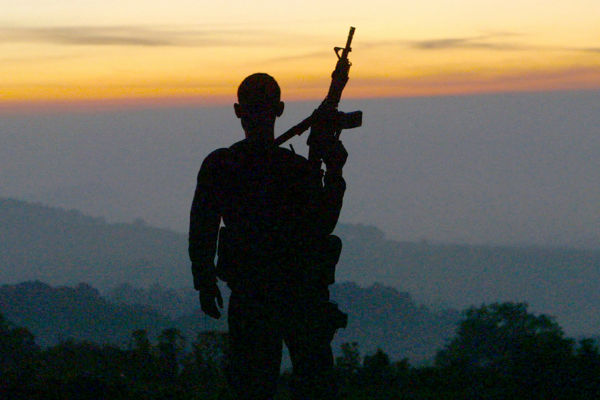
Everybody knows that there is a huge problem in Mexico with drugs, but Cartel Land - released last year to critical acclaim and an Academy Award contender at this year's Oscar ceremony - shows audiences a side to the war that they might not have know to exist.
That's to say, Matthew Heineman's gorgeously cinematic documentary hones in on vigilante groups on both sides of the border who have taken it upon themselves to fight back against the cartel. The result is a film that doesn't necessarily give any answers or solutions, but puts viewers right in the middle of the action (including a few gun fights) as they're permitted to tag along with two groups out to protect their countries at any cost.
By far the most interesting aspect of the movie concerns one Dr. José Mireles, a Mexican physician turned vigilante leader who leads the controversial "Autodefensas" group. The film leaves you to make up your own mind as to whether he's a hero... or something else.
19. Jiro Dreams Of Sushi (2011)

It might seem strange to suggest that a documentary about sushi makes for essential viewing; rest assured, however, that watching David Gelb's film for just a couple of minutes will have you utterly convinced. The reason for this, aside from the beautiful aesthetics, is all down to the subject, Jiro Ono, who's often thought to be the world's best sushi chef.
Aside from being an endlessly fascinating character, Jiro also happens to be 85-years-old. He's unrivalled in his craft, and operates out of a tiny, 10-seat restaurant that people from all over the world travel to visit (after booking their table for months in advance, of course). Jiro is a perfectionist beyond all measure, even in his older years, and watching him as he creates and cooks sushi as if it were a true art form is mesmerising stuff.
Even if you're unconvinced by sushi or can't stand the sight of it, Jiro Dreams of Sushi still stands as one of the best and most absorbing documentaries in years. It is hard not to admire a man who knows the exact history of every single piece of fish he serves up.
18. Hearts Of Darkness: A Filmmaker's Apocalypse (1991)
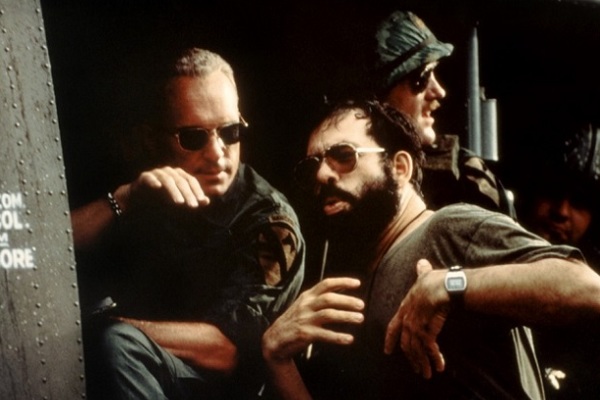
Without question, Hearts of Darkness: A Filmmaker's Apocalypse is the definitive documentary about the making of a motion picture.
Forget about the infamously nightmarish shoots of films like Jaws or Blade Runner; it all pales in comparison to what Francis Ford Coppola had to deal with during the making of his masterpiece Apocalypse Now - and it's all here to witness in Fax Bahr, George Hickenlooper and Eleanor Coppola's endlessly gripping and horrifying film.
If you've ever thought about making a movie, this documentary will make you think twice about your ambitions; aside from the ever-increasing cost of the film, Hearts of Darkness details all the major problems that plagued the production of Apocalypse Now (from Martin Sheen having a heart attack to Coppola threatening to blow his own brains out).
As Francis Ford Coppola once stated: his movie isn't about Vietnam, it is Vietnam. Because he and and his crew really went to hell and back in order to produce what is arguably the greatest war film ever made. But Coppola knows that in order to understand Apocalypse Now, you must first understand Hearts of Darkness.
17. Man On Wire (2008)
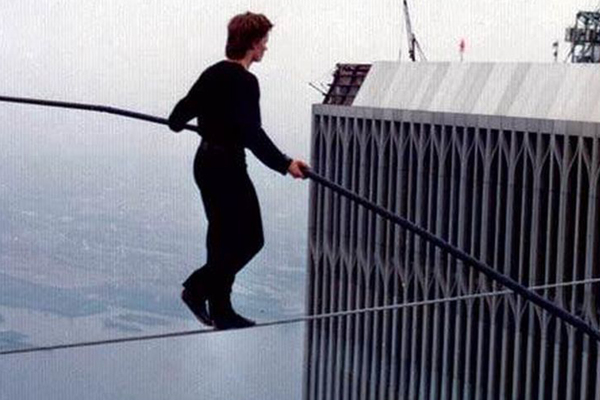
Sometimes a documentary highlights a subject so unbelievable that it near enough blows your mind. Man on Wire, which chronicles one Frenchman's madcap attempt to cross the gulf between the two towers of the World Trade Centre using a tightrope, is one of those documentaries - you really have to see it to believe it.
Constructed like a heist movie, Man on Wire tells the story of Philippe Petit, a eccentric French trapeze artist who decided to complete such an astonishing feat of endurance in 1974 that the real wonder is that it took until 2008 for somebody to make a documentary about it. Pieced together with humour and a real affection for its leading man, Man on Wire is one of the most relentlessly watchable documentaries ever made.
And there is arguably no moment in recent documentary history quite so stomach-churning as the one where Petit takes his first steps out over the abyss.
Robert Zemeckis adapted Petit's story as a feature film in 2014, where he was played by Joseph Gordon-Levitt. Avoid the middling film and watch the documentary instead.
16. To Be And To Have (2002)

Such a sad and poignant documentary is To Be and To Have, whilst also managing to be beautifully observed and endlessly uplifting at the same time.
Whilst not as well-known as some of the other films mentioned on this list, To Be and To Have hones in on a small rural school in the French countryside, and the lone teacher - Mr. Lopez - whose unique methods inspire the single class of children, all of whom are of mixed ages between four and twelve. Mr. Lopez's approach to teaching is truly touching; he respects his students and cares for each and every one of them individually.
Nothing really "happens" in this film; it's greatness stems from the way that it depicts the day to day life of a group of individuals, and highlights Mr. Lopez's remarkable approach.
Interestingly (and perhaps unexpectedly), To Be and To Have became the subject of a major controversy after its release when Lopez attempted to sue the filmmakers for "exploiting his character." Still, once you've seen this movie, it's impossible to forget.
15. Blackfish (2013)
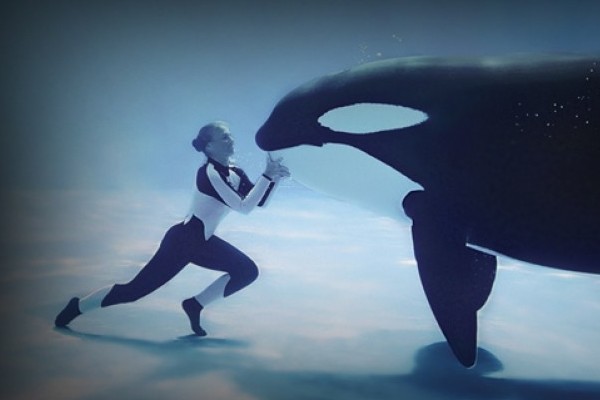
For years people went to SeaWorld (and countless other aquamarine parks) under the impression that the animals there were cared for and looked after.
Blackfish is the documentary that changed everything, exposing the horrors that take place behind the scenes of these "theme parks" of which so many people were plainly oblivious to - so much so, in fact, that the backlash resulting from Blackfish's release prompted SeaWorld to announce plans to phase out its world famous orca show.
As such, Blackfish - directed by Gabriela Cowperthwaite - is essential viewing, because it really is a piece of documentary that changed the world in a huge way. The footage here, most of which concerns the mistreatment of orcas in captivity and the associated ill-effects, brings new meaning to the term "eye opening." Indeed, thanks to this gripping and heartbreaking documentary, you are unlikely to ever visit a SeaWorld park again.
14. Hoop Dreams (1994)
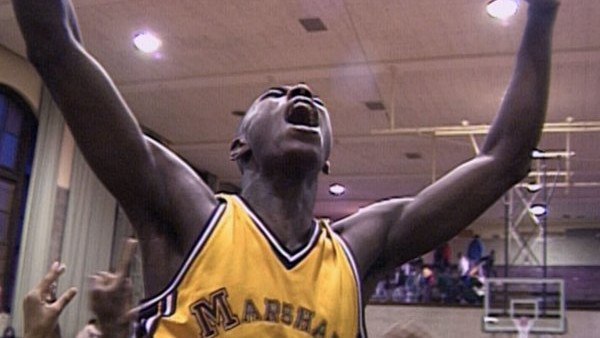
Gene Siskel and Roger Ebert named Hoop Dreams "the best film of 1994." If that isn't an good enough reason to go and check it out immediately, what is?
Shot over the course of five years and culled from 250 hours of footage, Hoop Dreams tells the story of two African American high school students who dream of playing professional basketball. Even if you're down on the sport, this gripping 171 minute documentary hooks you in and refuses to let go; as soon as you're introduced to William Gates and Arthur Agee, you're invested in their stories. This isn't just about basketball; it's about life.
Wonderfully directed by Steve James, Hoop Dreams' lengthy runtime might appear excessive on paper, and yet - thanks to the dense subject matter - the film never bores. When it's all over, it's difficult not to feel overwhelmed by the experience; it's as though you've lived through the years with these characters, through thick and thin, and shared in their disappointments, dreams and accomplishments. Is there a higher compliment?
13. Last Train Home (2009)
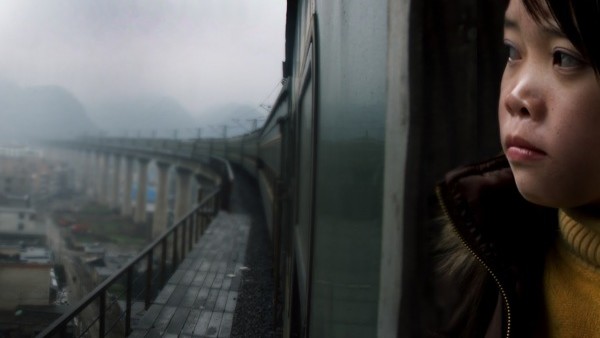
Last Train Home is the sort of film that makes you feel very, very lucky.
Shot over the course of several years, this documentary - directed by Lixin Fan - details the lives of Chinese migrant workers who travel annually to their homes to celebrate the New Year's holiday. Given that there are 130 million of them, their exodus makes for a harrowing - and often horrifying - portrait of a way of life experienced by a large amount of people.
Aside from the many stunning images of mass migration that make up Last Train Home, the film's strength lies in the way that it presents the dire circumstances attaining to individuals and their families. In the case of the Zhangs, who have been forced to work away from their newborn child for as long as 16 years, there is a story of the lengths that a parent will go in order to ensure a better life for their offspring. It's impossible to watch the way these people live and work without being shocked and moved in equal measure.
There is a lot to say about the way that Last Train Home depicts the ill-effects of capitalism on a nation, but ultimately this is a very human story that everybody should experience.
12. Grizzly Man (2005)
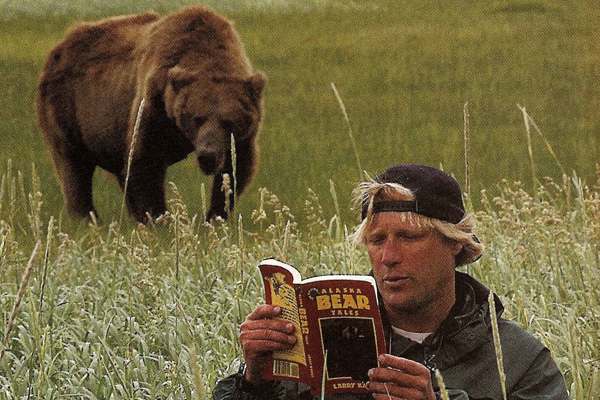
Without question Werner Herzog's greatest documentary film to date, Grizzly Man is a harrowing look at an individual who decided to take on nature and paid the consequences with his life. Whilst most documentaries in the "man vs. nature" vein tend to hone in on ill-judged expeditions to mountainous regions, this one concerns bears.
Narrated in his inexpressive and often droll Bavarian accent, Grizzly Man tells the true life story of one Timothy Treadwell, a man who came to be so obsessed with the animals of the movie's title that he went and lived among them. His mistake, of course, came in his belief that he was "one of the bears" - a viewpoint that ultimately led to his untimely death.
It's easy to mock someone like Treadwell, but Herzog refuses to take that path; if anyone understands the connection between man and nature, it's the guy who made Aguirre: The Wrath of God and Fitzcarraldo. The result is a picture that is unashamedly Herzogian, but also respectful of its subject. In its most memorable scene, the director listens to a recording of Treadwell's death and distraughtly warns his friend "never to listen to ."
As a portrait of an individual and as a Herzogian parable, it's a real masterpiece.
11. Grey Gardens (1975)

Grey Gardens is just about the strangest documentary ever made - or, at least, its eccentric and extraordinary subjects are two of the strangest people ever.
Directed by David and Albert Maysles, the film chronicles the lives of two women named Edith Beale (nicknamed "Big Edie" and "Little Edie), a mother and a daughter who live out an incredibly weird existence in a dilapidated mansion based in New Hampton.
How they got this way provides one of the film's big questions (though the documentary never answers this in a particularly conclusive way). Once incredibly wealthy (they are related to Jackie Kennedy), both Beales are shown to be living in relative squalor with very little money at their disposal; there are cats and cat faeces everywhere and raccoons frequently invade the house. As for their own personal relationship? Sweet, but odd.
There are so many amazing moments in Grey Gardens; offhand comments and small interactions that only serve to make the film's subjects more fascinating. It's the sort of documentary that prompts you to ask: "What the hell is happening here?" In the case of Grey Gardens, it's that reaction that makes the film so unforgettable.
10. Triumph Of The Will (1935)

And so it was filmmaker Leni Riefenstahl whom Hitler choose to direct his great Nazi propaganda "masterpiece," Triumph of the Will. Mere utterance of the name of the film, even to this day, is enough to make one shudder, and yet - despite its evil agenda to promote Hitler as a God - Triumph of the Will remains an essential social document.
As a piece of technical filmmaking, it is also something of a masterpiece; Riefenstahl pioneered and innovated many of the techniques that are taken for granted today, such as the crane shot, moving cameras and aerial photography. For that reason alone, Hitler's propaganda film is a notable artefact for cinephiles, but even casual viewers will likely be blown away with the sheer visual look of the movie.
It is a shame, ultimately, that Rienfenstahl's talents were wasted on such ghastly material. And yet Triumph of the Will remains an essential documentary for anyone interested in history and film history. Aside from being plainly interesting, it is the greatest of all propaganda films - and a window into the mind of one of history's most infamous tyrants.
9. Bowling For Columbine (2002)

Michael Moore is considered to be something of a joke nowadays, but there's no denying that Bowling For Columbine - arguably his most famous film - is a documentary that absolutely everybody should see. In the film, which centres around the Columbine school massacre that occurred in 1999, Moore explores the relationship between Americans and their guns, and asks whether the country paved the way for such a thing to happen.
Moore takes a somewhat heavy-handed approach at times and there are a few cringe-inducing moments scattered throughout. And yet it is hard to call this documentary anything other than a "pop cultural milestone" - not only did it influence the style of countless other documentaries and help to fashion a new irreverent style, but - even more so than many of the "better" films on this list - it has lodged itself into the public conciousness.
Everybody knows Bowling For Columbine, even if they haven't seen it: if you're yet to lend an ear to Moore's argument, it's about time you experienced this film.
8. The Cove (2009)
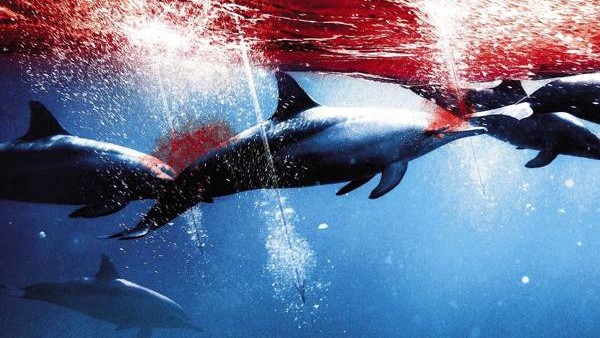
Positioned as a heist movie of sorts, The Cove is remarkable and gripping documentary that chronicles a crack squad of activists who set out to expose a secluded cove in Japan where - every year - hundreds of dolphins are lured and brutally murdered.
Directed by Louie Psihoyos and featuring Ric O'Barry, a former dolphin trainer who turned against the industry and became an activist, as the team's leader, much of The Cove is dedicated to an intricate mission to plant secret cameras in the film's titular location. As the Japanese attempt to thwart Barry and his gang, they are forced into covert ops mode and must conduct their business at night using stealth and state of the art equipment.
But is the later scenes of the dolphins actually being killed - and the shots of the water as it changes colour from blue to a vibrant red - that will truly haunt you in the aftermath.
The Cove became a majorly controversial film, especially in Japan where it was deemed to be a one-sided affair. However you view the situation, watching the film it's impossible not to see real terror unfolding in the dolphin's eyes as they're captured and slain.
7. Crumb (1994)
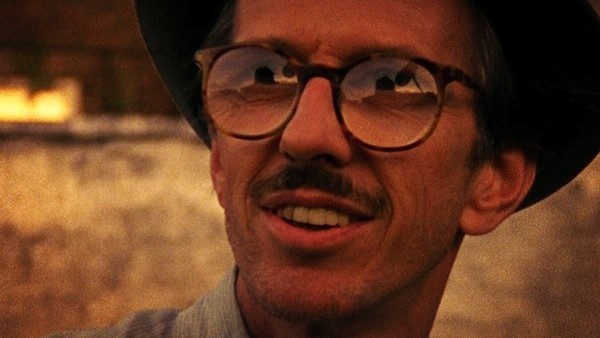
Robert Crumb is exactly the sort of person who deserves his own documentary, because what else do you do with a man who apparently masturbates to his own cartoons?
That's not even the weirdest part of Crumb, a picture that really does have to be seen to believed; as the film moves forwards, it turns out that the name of the film doesn't necessarily refer to just Robert. There are two other Crumb brothers, both of whom are even stranger and more confused and disturbed than the egotistical artist of the title.
Dark, disturbing and incredibly funny, Crumb shocks and entertains in equal measure as audiences are introduced to the irreverent cartoonist's strange work and home life.
Aside from painting an intricate portrait of a brilliant and disturbed "genius" (quote marks are definitely necessary in this case), this is a vivid and creatively-rendered documentary that has the mark of its acclaimed director, Terry Zwigoff, all over it. Zwigoff would later move into feature films with works such as Ghost World and Bad Santa, but it's Crumb that remains his best and most memorable movie - not to mention one of the great docs.
6. Don't Look Back (1967)

Bob Dylan is one of the most famous and influential people to have ever lived, and is often credited with birthing modern music as we know it. Love him or loathe him, it is futile to rally against 'ol Bob and is legacy. And given that it felt necessary to include a musical documentary on this list (as to cover all bases), there is no better than Don't Look Back.
Shot in 1965, Don't Look Back is an intimate portrait of the then twenty-something folk singer who was then well on his way to becoming a true icon and phenomenon.
The documentary follows the songwriter as a tours Britain, and - though it's supposed to be a factual work - there's a sense that Dylan is playing up his "persona" for the camera. This acknowledges a truth of the genre that audiences often hate to admit because it kills the illusion of reality; we don't like to think of a documentary being faked in any way, and yet it's delusional to believe that a person with a camera won't play up to it even a little bit.
You don't come away from Don't Look Back feeling particularly warm for Dylan; he comes across as moody and something of an assh*le. And yet the documentary itself feels groundbreaking; like it's capturing a genuinely important moment in time.
5. The Act Of Killing (2012)/The Look Of Silence (2015)

Technically The Act of Killing and The Look of Silence are two separate films, but they are so important to one another - and so heavily interconnected - that it seems appropriate to class them together. Both directed by Joshua Oppenheimer, the documentaries focus on the Indonesian genocide that took place between 1965-1966 - a period of history that, considering how many people died, has received a shockingly small amount of coverage.
The Act of Killing is by far the stranger and perhaps more harrowing picture of the two - not least because Oppenheimer tracks down and interviews those responsible for the killings who now boast and walk as free men today, and asks them to reconstruct their crimes for the camera. Which they do, of course... and happily. But then something starts to happen to charismatic killer Anwar Congo, as he slowly begins to comes to terms with his past.
The Look of Silence is a more conventional work, but by no means any less sobering. The "conceit" of Oppenheimer's follow-up sees a middle-aged Indonesian man, whose brother was brutally murdered during the genocide, as he goes about interviewing the men responsible. Viewed together, these films provide a terrifying and indispensable portrait of a horrific time in history that asks those who took part to finally face up to what they did.
4. Sans Soleil (1983)
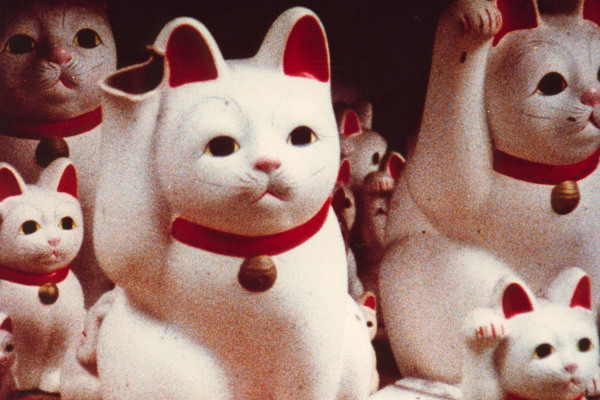
As far as documentaries are concerned, Sans Soleil is a true original.
It's hard to pin down what, exactly, Chris Marker's insanely creative motion picture actually is. Is it a travelogue? A parody of the documentary format? A meditation on memory?
What's for sure is that Sans Soleil is a joy to behold - and that there's nothing else quite like it. As the movie hops around the globe and flicks between subjects, observing moments and rituals at a relentless pace, a woman narrates over the top of the images as Marker's own surrogate, transferring his thoughts to a piece that hits on an incalculable amount of ideas and themes. As an ode to the imagination, there are few that can beat this flick.
It has been said by many critics that Sans Soleil is never the same film twice; that every time you watch it the picture reveals new angles, sides and perspectives. The ultimate joy, really, is that something like this even exists. San Soleil is an arty film, yes, but it's also a seriously playful one. Marker, after all, called it "nothing more than a home movie."
3. The Thin Blue Line (1988)
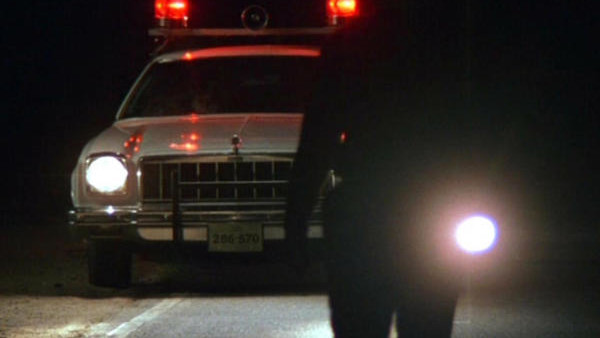
Without a doubt one of the most influential documentary films ever made, The Thin Blue Line centres on the arrest and conviction of a man names Randall Adams, who was accused of murdering a police officer in 1976. Directed by Errol Morris (was a memorable score courtesy of one Philip Glass), the film changed the way that documentaries were perceived and paved the few for a new generation of filmmakers.
The Thin Blue Line's use of reconstructions was deemed to be revolutionary at the time, as the lines between feature film and documentary are blurred. Many of the documentaries that audiences take for granted today were influenced by Morris' approach.
The most interesting thing about The Thin Blue Line, perhaps, was in the way that it paved the way for an innocent man's release. It also opened up the floor for a huge and necessary debate on the criminal justice system, as Morris' findings led to evidence that ultimately allowed an innocent man to go free. Gripping and unnerving, this is a real masterpiece.
2. Man With A Movie Camera (1927)

Often misidentified as "the first documentary ever," Man With A Movie Camera might as well have been; it has the associated sense of awe that one might attribute to such a thing, as the titular "man" - that being director Dziga Vertov - and his camera take to the Soviet streets in a madcap attempt to capture absolutely everything and anything.
Indeed, the camera in this documentary is perhaps the most curious of its kind; there is no plan here, so to speak, but each image tells a story of its own. The level of detail visible in each and every shot is remarkable - then again, what else do you expect from real life?
Man With A Movie Camera is often hailed as a perfect work of documentary filmmaking, and watching this almost 100-year-old film it's easy to see why; in a way, Dziga Vertov's vision is incredibly pure, but there are cinematic embellishments that enhance the action (there are jump cuts, the use of spilt screens, among many others). His intention to merely capture "a day in the life of urban Russian" could not have been better met, however.
1. Night And Fog (1955)
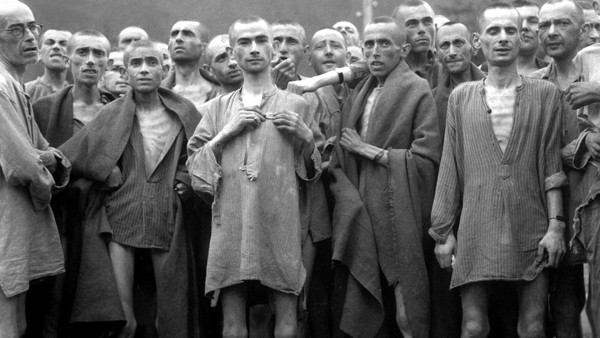
Every person on Earth should see Night and Fog at least once - a film that its acclaimed director, Alain Resnais, almost never made.
At just 30 minutes, Night and Fog sets out to paint the holocaust and the concentration camps as an absolute truth. Essentially, the movie consists of a series of still images, played with a narration by Michel Bouquet, his voice filled with a repressed kind of anger, as life in the camps is laid out bare for audiences to see. The images are graphic, as - across its short running time - the pain and suffering experienced by those put into the camps is frankly depicted. We see mass graves; bodies without heads; children dead.
Night and Fog is art, yes, but it's also probably the most harrowing and hard-hitting documentary about the greatest crime of the 20th century. Compared to another great holocaust documentary, Shoah, which runs more than 10 hours, and it's amazing to see how Resnais manages to create a work of equal power in a film that it so much shorter.
The defining aspect of Night and Fog, however, and the true source of its power - and the very thing that renders it as arguably the greatest documentary of all time - is the way that it asks: "Why? Why did we do this to one another? Who did it? Will it happen again?"
And so it is impossible to watch Resnais' film without feeling immense sorrow... not to mention a sense of hopelessness for the human race at large. Timeless.
Like this article? Like our choices? Got any documentaries to add that we somehow missed? Let us know all your thoughts on the matter in the comments section below.