20 Films From The 1950s That Everybody Should Watch
CinemaScope! VistaVision! Godzilla!
For some, the 1950s was not the decade of cinema. It was the decade of television. But the shiny new box in the corner of everybody's living rooms meant more than just being able to watch The Twilight Zone from the comfort of your favourite chair. Because of the risk it posed to cinema ticket sales, it meant filmmakers needed to step up their game to get audiences back into theatres. Hollywood needed to give people something that a 5 inch black and white screen couldn't, and that meant spectacle. They went the route of epics, presenting releases in vast Cinemascope and VistaVision, drawing their audiences into their pictures like never before. Primitive 3D techniques were implemented, and stories drifted away from real-life and into the realms of science-fiction. It was the decade that wow-factor cinema came of age, and though such styles may seem like common practice to movie-goers today, certain films have still stood the test of time, and are as engaging today as they were sixty years ago. Condensing ten years of Hollywood excellence into a mere twenty-entry list isn't easy, so expect controversy. But whether your own personal favourite makes the cut or not, the following are the films that MUST be seen. Don't think you've seen all of the 50s films that matter? Then you'd better start watching these.
20. Godzilla

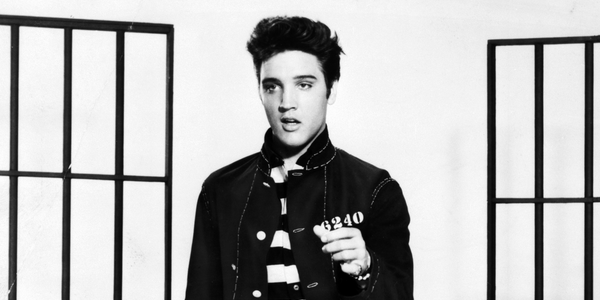
19. Jailhouse Rock
18. The War Of The Worlds
The '50s was the decade that saw increased popularity in the science fiction genre, the technological advancements of the time allowing far for more spectacular and believable effects than had previously been possible. The genre was still, however, somewhat looked down upon as simply popcorn-munching, cheap thrill B movies. The War Of The Worlds sought to change that, opting to move away from the stereotypical depiction of aliens in flying saucers, and instead bringing to life a more military-esque race of creatures that almost seemed to harken back to the warfare of the previous decade. The film featured imagery, colour and sound, the likes of which had not been seen on screens before, earning it an Oscar for Best Special Effects. As Godzilla would the next year, The War Of The Worlds touched on the Cold War paranoia that audiences were feeling at the time, and in 2011 it was deemed culturally, historically, or aesthetically significant by the United States Library of Congress, going on to be preserved in the National Film Registry.17. Some Like It Hot

16. Around The World In Eighty Days
Michael Anderson's 1956 epic is a perfect example of the extravagance and far-reaching limits that '50s cinema was stretching to in its bid to hold on to a jeopardised audience. Costing just under $6 million to produce, Around The World In Eighty Days of nearly 70,000 people, including over 40 famous cameo appearances from the likes of Frank Sinatra, Evelyn Keyes, and Buster Keaton. That's not bad for a film that encompasses 112 different locations and took only 75 days to actually complete. To match its epic proportions, the film was shot using 70mm film. It was released to an astonished audience and a seemingly endless list of awards and nominations, and was so popular with leading man David Niven himself that he claimed he would have done the film for free. To his relief, he actually made a lot of money from the picture. Like... a lot.15. White Christmas

14. House On Haunted Hill
Though a frequently overlooked classic, William Castle's 1959 horror would unwittingly lay the foundation for all low-budget horrors to follow. Even the master of suspense himself, Alfred Hitchcock, looked to the picture for inspiration for his upcoming thriller Psycho. With a suitably straightforward plot in which a classically sinister Vincent Price challenges a group of people to stay overnight in a haunted house, the film showed that a cinema hit didn't need to be overly complex so long as it was thrilling and entertaining. The special effects are, in all honesty, quite poor, but such inadequacies only add to its campy charm and allure. In the '50s tradition of cinema innovation, Castle implemented his so-called "Emergo" system by installing an elaborate pulley into some theatres so that a plastic skeleton could be flown over the audience's head when the action called for it. It was gimmicky and a little bit silly, but it worked. Though rarely shown in theatres these days, House On Haunted Hill has been re-released a number of times since '59, and the system has been re-used to pleasing effect. In stark contrast with the 1999 remake, this remains a must-see horror classic.13. A Night To Remember
