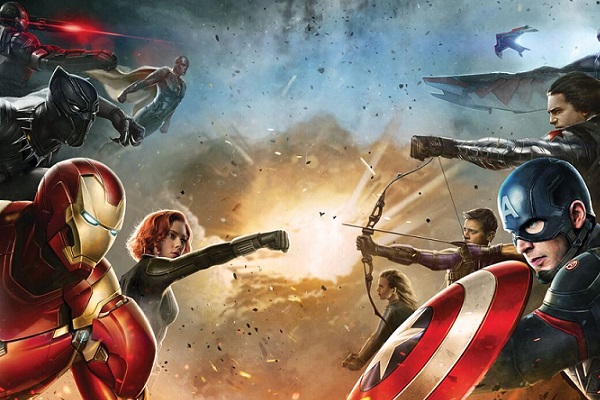
8 Ways Captain America: Civil War Could Ruin The Marvel Cinematic Universe

War? What is it good for? Absolutely nothing! Say it again!

Captain America: Civil War looks to be shaping up as the most interesting Marvel Cinematic Universe entry to date. Its main drawing point, of course, stems from the fact that it won't be a generic superhero yarn that pits its protagonist against a villain and blah blah blah. No, Civil War will see superheroes going up against other superheroes on a scale unlike we've ever seen before - not to mention that the two duelling factors will be led by Captain America and Iron Man respectively, Avengers engulfed in a bitter feud over a new government registration act that intends to regulate and control superhero activity. As a result, people are obviously psyched for Civil War because it's completely different to any other MCU ventures. But aside from the obvious awesomeness that comes with what will essentially be a superhero vs. superhero film, there's a clear risk involved with making something like Civil War; especially when it's set to be part of an extensive canon that has so far succeeded in essentially repeating the beats of an established formula. That's not to say that Marvel are silly to shake things up; ultimately, it might be the only way to ensure that audiences don't get bored. That said, Civil War - which is to be loosely based on an incredibly dense and complicated story arc from the comics - is something you can't take back, and - as a result - it will change things. Forever. And when you consider the implications of that, there's a measurable chance that it could actually ruin the MCU... How, you ask? Well...


8. The Potential Damage To Iron Man's Reputation

Consider this: Iron Man has been appearing in Marvel Cinematic Universe movies ever since 2008, and he's essentially considered to be the flagship character of the entire franchise - the one that brings audiences back into theatres time and time again. Now, there's going to be a film which will set out to create two opposing sides, with Iron Man leading one such faction. But has anyone actually stopped to consider how a Civil War might affect an established character with the weight of Iron Man? That it could potentially undo years of characterisation and development? Because Marvel are going to have to essentially make Tony Stark into something of an antagonist if the movie is going to work; not exactly a full-on "bad guy," but somebody who Captain America - assumedly poised as the "good guy" protagonist, given that this is still (above all) a Captain America flick - has to oppose in order for there to be any drama. And Marvel can't just dance around the fact that the Cap and Iron Man are going to lead different teams; there needs to be a genuine conflict of interest and not a petty squabble. If it's handled wrong, Tony Stark could come off looking like an assh*le - not in that charismatic, Robert Downey Jr. way, but for real. It's inherently dangerous ground to walk.

7. A Rushed Spider-Man Origin Could Be Fatal

We know, we know: we've seen Spider-Man's origin story way too many times already, and it'd just be downright ridiculous to make another movie chronicling Peter Parker's exposure to that radioactive spider, Uncle Ben's death, and all the rest of that stuff. Right? Well, kind of. Although it probably would feel a case of sheer overexposure to go through the whole origin story again, the idea of a rushed Spider-Man origin - or one that skips over a lot of the iconic elements - also feels like a bad idea. Why? Well, because Spider-Man is arguably the most beloved (and most famous) Marvel character ever. He's the guy that you really want the studio to get right, because Spider-Man means a lot to a lot of people. It seems a little strange that such a huge character will appear in Civil War regardless, because we're yet to experience him anywhere else. Will he already be Spider-Man, or will the movie introduce him as Peter Parker, boy genius, and wait until the upcoming solo film to establish his transformation into the friendly neighbourhood hero? From information given to us thus far, we know that the origin story is going to be "different," at least. And going by the way Marvel overlord Kevin Feige has spoken about the character suggests that he'll be the full-on Spider-Man come Civil War. "Does he want to be like these other characters?" Feige pondered when prompted. "Does he want nothing to do with these other characters?" That's the talk of somebody referring to an actual superhero, surely? Right now, nothing has been made all that clear, save for the fact that it won't be the traditional origin as we know it. What is clear? That bringing Spider-Man into the MCU at this stage is a dangerous move - especially when you consider that Sony Pictures still retain creative control over their character, despite his integration. Given that studio's track record with Spidey, there are numerous ways that all this could screw up the MCU.

6. Giving Fans More Than They Can Chew On Could Lead To Audience Fatigue

In other words, this is a form of a overkill that could result in a sense of exhaustion. In other, other words, it's giving audiences too much in one go in an attempt to woo them, only to realise that you've ultimately been too generous and now they're bored with it all; there's nothing to look forward to in future installments. And that's a problem that could not only spoil aspects of Captain America: Civil War, but the MCU on the whole. Just look at all the characters who have been confirmed to appear in the film: Captain America, Iron Man, Black Widow, The Winter Soldier, The Falcon, Agent 13, Black Panther, Vision, Scarlet Witch, Ant-Man and Spider-Man (or, at the very least, Peter Parker). There will be more, too - cameos and secret appearances that Marvel will obviously want to keep on the low-down. And we haven't even mentioned the villains or supporting characters. Well, duh, you'll say. It's "Civil War." What did you expect? And that makes sense - to a degree. Whilst the title outright tell us that superheroes will be facing off against other superheroes (not to forget it's also partly based on the comic arc), it does seems as though Marvel looked at a list of everyone who was set to appear and went: "F*ck it: let's add more. Just add all of them. Spider-Man, Black Panther... all of them." Is Captain America 3 really the best time to introduce two major characters into the MCU? As "minor" players in another superhero movie? Obviously the addition of such characters into Civil War implies that they won't be granted the appropriate amount of screen-time, and that's when the movie could start to feel packed out - to a fault. Avengers: Age of Ultron, after all, was overstuffed and packed to the brim with way too many heroes and stories and sub-plots and random things to do, but the line-up for Civil War makes that movie look narratively lacking in comparison. It's important to remember that Joss Whedon - writer and director - barely got away with it. Marvel need to be careful.

5. The Repercussions Of A Civil War Might Be Too Much To Deal With Moving Forwards
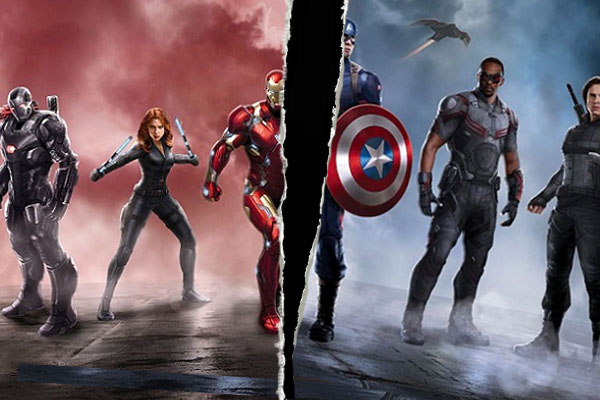
Captain America vs. Iron Man. Black Widow vs. Hawkeye. With every further installment in the MCU series, the franchise will be forced to move forwards whilst also acknowledging that whatever happens in Civil War happened; think how many relationships will change over the course of the movie, and how those changes will have to be constantly addressed. It's a lot of pressure to put on a franchise as big as this one, especially since there are already so many plot points in limbo already. And then there's also the little matter of... well, that these are characters who audiences have invested a lot of time and money in: are they going to appreciate the big changes that Civil War is bound to bring? Changing established superheroes and their allegiances (and potentially turning some of them into - for lack of a better term - "bad guys") could send shockwaves through the Marvel fanbase; there's a good chance that several fans won't be happy with the way some characters are dealt with, citing arguments like " would never do that!" and "Why is going against everything they believe in?" In short, it could get seriously messy if the repercussions of Civil War aren't respected later on - especially when there's just a single movie planned in which to establish and resolve the entire problem. It needs to be believable, and to ensure that it comes across that way, the Civil War story arc needs time. Time to play out, and time to heal afterwards.

4. A Big Fight Over Nothing?

Everybody is aware that Civil War won't stick to its comic book source material, because the world of Marvel comics and its cinematic equivalent are very, very different. That means that the MCU has to take a somewhat different approach, but when you look at what Iron Man and Captain America are potentially fighting over, you have to ask: why? After all, in the comic story arc, Civil War comes about when the government attempt to pass a law that requires all superheroes to reveal their secret identities and register themselves after a superhero fight results in a huge loss of human life. Iron Man agrees that it's a good idea in order to prevent further collateral damage, whilst Captain America is afraid that doing so will result in lots of superhero loved-ones being harmed. In the movies, though, secret identities don't really exist; the public know what the superheroes look like out of costume and what their full names are. It's not a thing. Which means the the main beef shared between divided superheroes in Captain America: Civil War essentially has to stem from a mere regulation law being passed; would this really cause friends as tight as The Avengers to face off against one another? Wouldn't an idealist like Steve Rogers refuse to do battle with Tony Stark on an account of this one point? There was a brief mention of a growing complication between Captain America and Iron Man during the Ant-Man post-credits scene, in which the Captain and Falcon ponder whether or not Tony Stark could help them with their Winter Soldier problem, or would an organisation called "The Accords" prevent him from doing so? This is presumably a hint towards Civil War's Superhero Registration Act, but it carries little weight as it stands. The risk of having a fully-fledged Civil War over what one could perceive to be a "non-issue" could easily screw up the balance of the MCU in the grand scheme of things. After everything that our heroes have been through, it was this that turned them on each other?

3. Captain America & Iron Man Being Shoe-Horned Into The Wrong Roles Could Ruin Their Characters
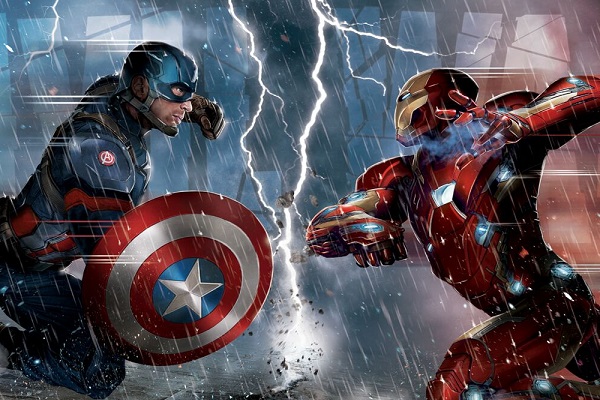
Consider what we know of the positions of the two main characters in the movie - Captain America and Iron Man - and then ask yourself: does that make sense at all? Firstly, there's the fact that the Captain America of the MCU seems like exactly the kind of guy who would be totally for superhero regulation. That's an assumption based entirely on the persona of the Captain America we've watched across the span of four movies, and nothing else. Still, doesn't it seem weird that he'd fight against a regulated system? Secondly, you're telling us that Iron Man - and again, this is the Iron Man of the MCU that we're talking about - is the Avenger who decides to rally for a regulated superhero system? That outright makes no sense, given what we know of his character. Tony has always been a free spirit, and it's difficult to buy into the idea that he goes to war with his fellow Avengers because he thinks that superheroes need to be kept under surveillance. Huh? Why? It almost seems as though these two characters should have been positioned the other way around - that Captain America should have been fighting for regulation, with Iron Man as the anti-government rogue. After all, when has Tony Stark ever shown any respect for the government? It genuinely feels as though these guys have been shoe-horned into positions that don't match their established personalities. If forcing characters into the head-spaces of people that simply aren't at all like them isn't the best way to screw up the MCU on the whole, then what - really - is?

2. Civil War Could Leave A Nasty Aftertaste That Doesn't Quite Gel With The MCU

Marvel are smart and so far they've shown competence and thoughtfulness in constructing the MCU. But the basic concept driving Civil War is one that leaves a sour taste in your mouth. It's nastier than anything we've ever seen or experienced before; there's a repellent atmosphere surrounding the film that also renders it as the most sinister entry to date. Already, going by what little footage we've actually seen, all of the "fun" that we've come to expect from MCU flicks seems to have been drained out - heroes against heroes, punching one another against grey-tinged, cement-clad backdrops. Is this as far as we've come, ya'll? So this overt feeling of innate "wrongness," one that continues to carry through the entire build-up to the release of the movie, is essentially defined by a leaked scene from the upcoming picture: Hawkeye and Black Widow caught in a brutal fight, with Natasha asking Clint: "Are we still friends?" His reply: "Depends on how hard you hit me." On the surface, it's a funny quip, but it's also marks an extremely sad moment for fans of the Marvel Cinematic Universe. Did you ever imagine seeing these two very best friends facing off against one another, after all? Especially after what we saw of their tight relationship in Age of Ultron. Does it seem believable that Hawkeye would ever hit Black Widow, no matter how strongly he disagreed with her viewpoint on a mere government registration act? The very essence of Civil War and what it stands for is unpleasant, and perhaps it's supposed to be; it's the MCU changing and evolving, and that is something we can admire the studio for. Still, there is something unpalatable about the whole premise that could see this movie sticking out of the franchise like a sore, beaten, crushed and bloodied thumb. It is an inherently unappealing story arc - one that feels a tad too "negative" for the MCU.

1. Civil War Might Just Be Wrong For The MCU, Full Stop

Civil War is the kind of movie that brings audiences into theatres; the promise of a motion-picture that sees The Avengers fighting one another is inherently delicious. There are arguably very few human beings on the planet who won't want to see that playing out. But consider that, ultimately, given the way that the MCU has been established and intricately worked out over the course of the past eight years, that a Civil War plot line might just be wrong for the franchise in general - that the associated cons outweigh the pros. In essence: what worked as a comic book arc (or plainly didn't, depending on your position) might not have a place on the big screen; as a motion picture premise, it's debatable. Because comic books work differently to movies, and what thrives in one medium might fail in another. Whilst Marvel comics have been known to reset the universe entirely after an ill-judged story arc, the MCU is doomed forever to live and die by its choices - there's no going back after we've seen Captain America punching Black Widow in the face, or Tony Stark firing a series of rockets at Hawkeye in an attempt to blow him to smithereens. Could this movie be detrimental to the MCU on the whole, then? There's good reason to believe that Marvel will pull all the stops out and deliver something that feels consistent and appropriate in the context of the MCU. But there is a risk of failure that cannot be ignored, and any number of ill-judged decisions could lead to a battered, broken and diminished Marvel Cinematic Universe. Fingers crossed that none of these predications come true. Like this article? Agree of disagree with the points mentioned here? How do you feel about Civil War coming to the big screen? Let us know in the comments section below.

Contributor

Sam Hill is an ardent cinephile and has been writing about film professionally since 2008. He harbours a particular fondness for western and sci-fi movies.