Inside Out: 22 Easter Eggs, In-Jokes And References You Need To See

13. A Poster Referencing La Luna Is In Riley's Classroom
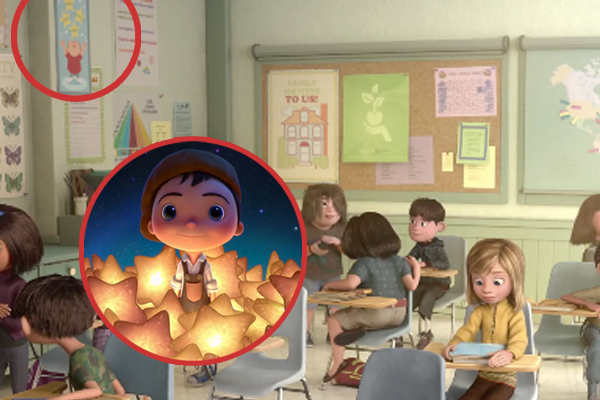
Just above the glove, on one of the wall pillars, is a poster of a young boy and a bunch of stars. The fat-tipped stars are damn-near identical to those seen in the short film that accompanied Brave, La Luna. La Luna was a very different short from what many expect of Pixar, with a more abstract visual style and clear European influences. Since its debut it has been kinda forgotten, so it's nice to see it get a subtle shout-out here. Also notice the green apple sprouting a plant on the pinboard. It's similar (but not idential) to the symbol for the directive in Wall-E.

12. One Of Riley's Classmates Is Wearing A Top Like Sid's
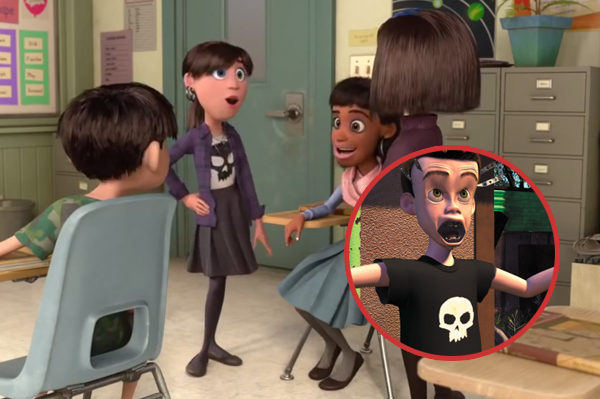
One of the "popular" girls who Riley almost introduces herself to (before Disgust steps in) is wearing a top with a rather familiar looking design - that black skull on a light grey background is a reversal of Sid's t-shirt from Toy Story (and his Toy Story 3 cameo). There's also reports that one of the kids is wearing a shirt with patterns by the toys themselves, but at the moment that's just hear say.

11. The Chinese Boxes Are From A Bug's Life
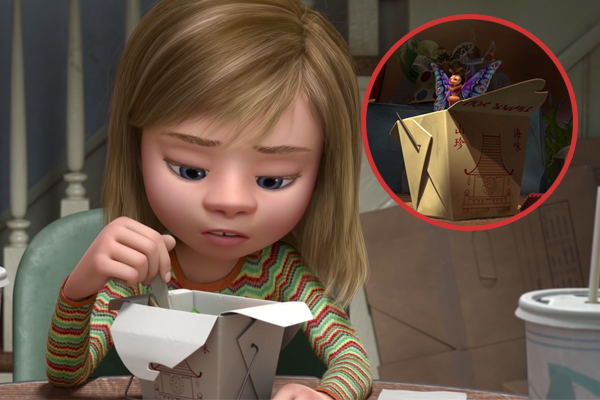
During the dinner scene which shows the inside of Riley's parent's heads (seen in part in the trailer), the family are eating Chinese takeout (clearly a more attractive option than broccoli pizza). Now, if you're really up on obscure Pixar in-jokes, you may recognise the logo on the boxes; it's actually a very long-running Easter egg. First seen in A Bug's Life as Manny's Chinese Cabinet of Metamorphosis, that brand of food box has appeared in Toy Story 2, Monsters, Inc. and Ratatouille.

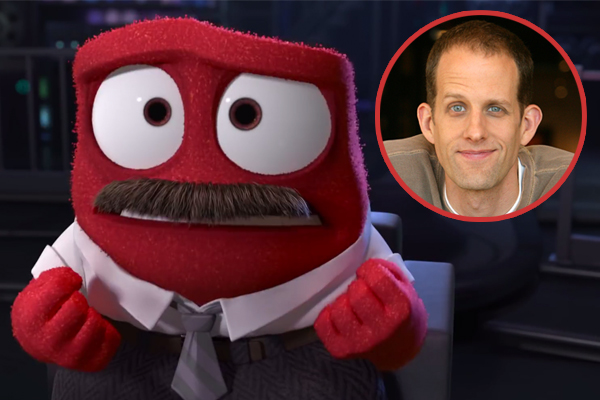
10. Pete Docter Is The Voice Of Dad€™s Anger

Everybody knows to keep an ear out for John Ratzenberger in a Pixar film (we'll get to his Inside Out appearance later), but there's a lot more voice cameos hidden in there. Many of the studio's Brain Trust lend their voices to the films, with director of the movie in question often getting a semi-prominent part (remember that Brad Bird voiced Edna Mode) In Up Pete Docter played Kevin (and Russell's Campmaster) and here takes on another crucial minor role as Riley's Dad's Anger. Notice also how Anger, instead of Joy, is the chief emotion in Dad's head, a subtle nod to the required balance Riley discovers at the end of the film.

9. Riley's Skype Conversation References The Director (And Toy Story 3)
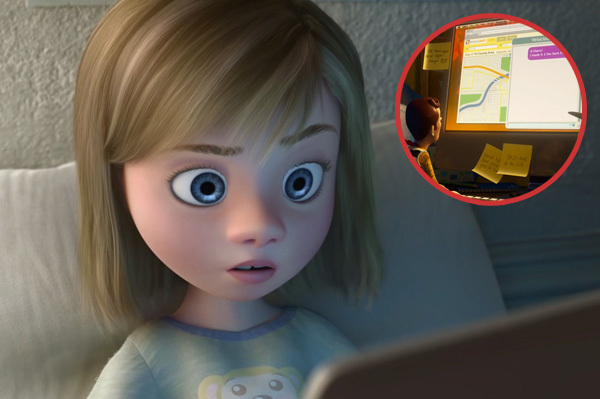
Docter's not only lent his voice to the film, but also his name. When Riley's having her Skype conversation with her now long-distance friend, the Skype names are a sly reference to his surname. Not just a director cameo, this also doubles as a nod to Toy Story 3 (the latest in a long line of references to the trilogy) - the same messaging system was used by Trixie to talk to a fellow dinosaur in the threequel.

8. Long Term Memory Is Shaped Like A Brain
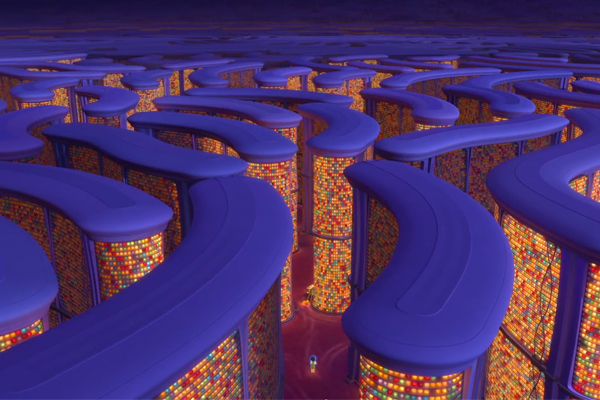
The world inside Riley's head is impeccably constructed, managing to name-check all manner of mental processes in a wholly logical, plot-relevant way. The film is so bristling with smart realisations of in-brain elements you probably missed a good chunk of them. One of the least obvious ones is how the curved shelves of long-term memory are shaped so that when viewed from above they look like the exterior of a brain.

7. It's Set In The Same Area As Toy Story
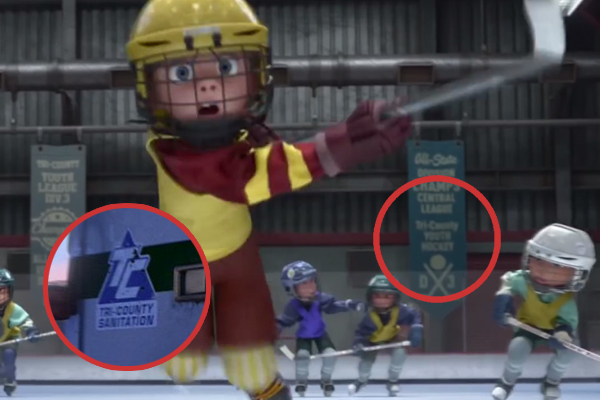
A banner in the ice rink where Riley's new hockey team is based gives Inside Out a strong link to another Pixar series; it's in the Tri-County area, which is where Toy Story is also set. In the first movie the Tri-County area was mentioned, but in the sequels it was established as the actual name of a geographical area, rather than a simple colloquialism, appearing on traffic signs and the side of garbage trucks. This is probably just a subtle shout-out, but could it actually be a strong link between the two series putting them in the same continuity? All the previous Easter eggs suggest so. Hey, if this world can have little figures controlling your emotions, why can't toys come to life?

6. Princess Dream World Is A Disney Castle
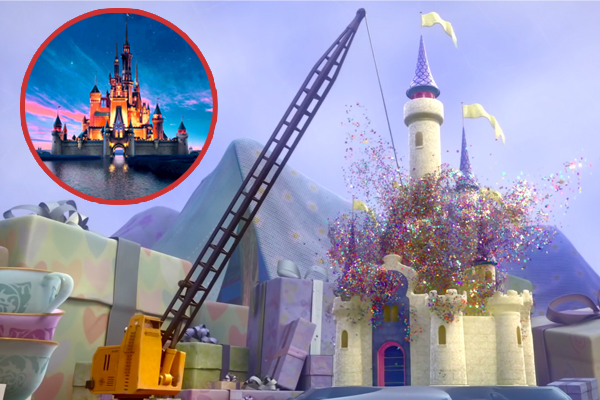
The production team were suitably imaginative with the in-jokes in Imagination Land, packing in plenty for audiences to watch out for. First up is Princess Dream World, which is seen getting destroyed into streams of glitter and confetti. Quite clearly the castle is designed after Cinderella's, which serves as the basis for the main Disney logo. Now that's socking it to the suits. There's something a little more potent to this Easter egg - it's essentially showing how, as children grow up, their affinity with the bright, Disney Princess idea is slowly destroyed. Now that's shockingly deep for a throwaway reference.

5. The Face Cards Depict Riley And Her Parents
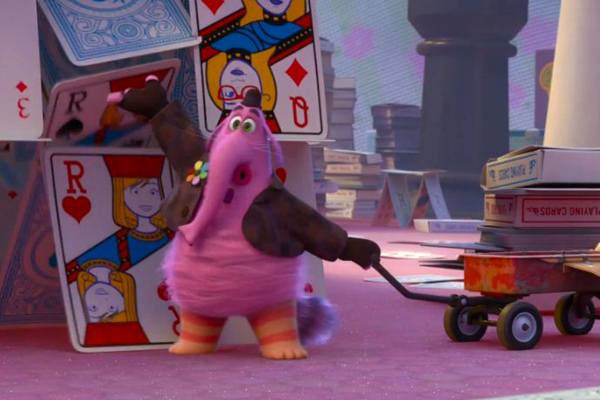
Cards appear at several points during Inside Out, both in and out of Riley's subconscious, most prominently seen in the various attempts to build a full house of cards in Imagination Land. If you pay attention, however, it's clear this isn't any ordinary deck. The face cards feature Riley (as her own separate class, R) and her parents (as the King and Queen respectively). On top of being a nice little style choice, it's a subtle way of showing how the pre-teen girl views her family dynamic.

4. A Box In Imagination Land Alludes To Finding Nemo
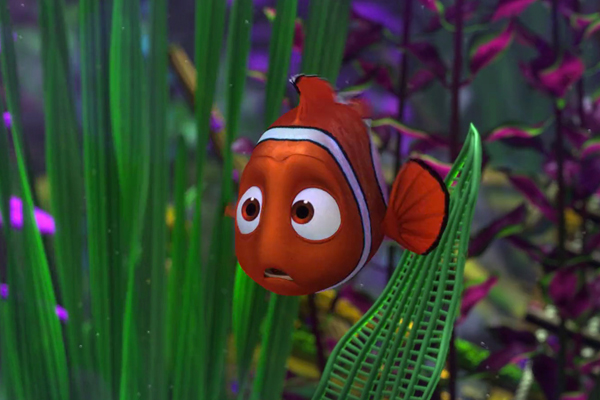
Next to the house of cards are piles of boxes that are, ostensibly, for board games. Rather than just using real-world examples (like in Toy Story), however, here they're used to acknowledge earlier Pixar projects. There's ones that reference Toy Story That Time Forgot and For The Birds, but the best is a cheeky nod to Finding Nemo. Featuring a clown fish logo on the side and the simple text "Find Me" it's a nice reference to one of Pixar's most beloved films, and also a slight reminder that its sequel, Finding Dory, is set for release in 2016.

Contributor
Contributor

Film Editor (2014-2016). Loves The Usual Suspects. Hates Transformers 2. Everything else lies somewhere in the middle. Once met the Chuckle Brothers.