15 Most Overrated Video Games Of The 2000s

Take off those rose-tinted glasses: the 2000s weren't as great as you remember.
The 2000s were a great time to grow up playing video games. As the industry transformed into a more mature, respected medium and the rise of the internet and online connectivity changed the face of what video games could do forever, developers were providing players with experiences that they had simply never seen before. As a result of these mammoth technical advancements, some of the best franchises were born out of this ten year boom. As games became more refined at the end of the PS2 generation and the Xbox 360 kicked off the last half of the 2000s with a bang, it seemed that every other game coming out was being considered as a genuine classic. From Gears of War to Uncharted, the biggest names in gaming today were all conceived during this flourishing period. Unfortunately, time isn't always kind when it comes to video games, especially those released around the time of major technical shifts. As much as we all think fondly of early 3D games for instance, actually going back to play them today can be an absolute chore. While the games of the 2000s didn't suffer quite a tumultuous transition, there are still plenty of releases which received legendary status that, in hindsight, they probably didn't deserve.

15. Assassin€™s Creed 2

Even though Assassin's Creed 2 was a huge step up from the flawed original, Ubisoft's game still wasn't quite the masterpiece that players always wanted it to be. The move to a more vocal and likeable protagonist in Ezio admittedly gave the release an emotional core that was sorely lacking in the developer's first effort, but still, plenty of the franchise's worst features were born out of this ambitious sequel. The constant missions that have you following characters from a distance, the abundance of meaningless side-quests and a limiting approach to assassinations all went on to plague a number of releases going forward. Annoyingly, the title is one of the best entries in the franchise, however its uneven construction can make the over-long experience a frustrating one at times. Once again, the world of Assassin's Creed is beautifully rendered, and Renaissance Italy is the perfect setting for this series - yet the game's best assets are let down by repetitive and unimaginative gameplay.

14. Little Big Planet

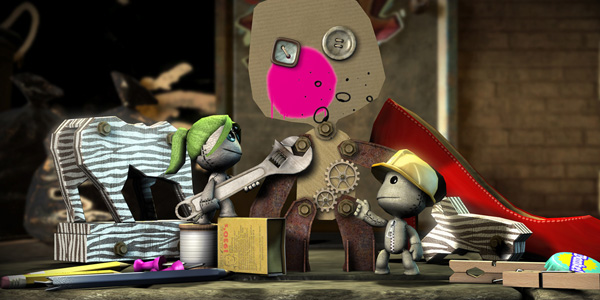
At the time of release, Little Big Planet was marketed as one of the first must-own games for the Playstation 3. With its quirky, potentially iconic characters slowly becoming the face of the console, the pressure to become a system seller turned into a self-fulfilling prophecy for Media Molecule's biggest ever release at the time. And while the game is one of the better platformers to release in the past generation - especially at a time when the genre was essentially dead - it wasn't quite the revolution that many people expected. Much of the pre-release hype focused on the ability for the community to create their own levels, essentially adding an endless amount of playability to the game - yet this feature eventually turned out to be nothing more than a glorified map creator we had all seen before.

13. Dragon Age: Origins

Considered one of the great RPGs of the last generation, Bioware's dungeon crawler released to high praise when it hit shelves in 2008. With an old-school combat system and an emphasis on stats and loot, the game marked a departure from the action-oriented nature of the developer's other flagship series, the sci-fi epic Mass Effect. While the game is huge, full of content to explore and places of interest to conquer (even more if you pucker up for the substantial DLC expansions), the combat system and the stilted character interactions don't quite keep up with the ambition of the rest of the game. Although the action itself harkens back to classic PC RPGs, it's not the antiquated system that bring down Origins as an excellent game - it's just the fact that the cumbersome combat is nowhere near as intuitive or as satisfying as it should be. The action feels weightless and frustrating, making encounters with some of the more difficult enemies a chore to slog through. It would be fine if these sections could be bypassed or were minimised, but they take up a good chunk of the game, crippling an otherwise exceptionally ambitious title.

12. Brutal Legend

Tim Schafer's reputation in the video game industry precedes him as one of the few true visionaries of the medium. With his independent stylings and underdog, stick-it-to-the-studio mentality, the developer has become somewhat of a folk hero in recent years - meaning just about all of his games are revered in gaming circles. Brutal Legend in particular was a project by Schafer's studio Double Fine that added to his image as an auteur fighting against the big publishers. With the title mis-marketed in the popular press, the Jack Black-led strategy game completely bombed upon release, going on to gain a cult classic status in later years. But if you were to go back and play the game now you'd probably wonder how this fine experiment gained such a strong wave of respect within gaming circles. The story of its development is perhaps more interesting than actually playing the title itself, with the off-beat comedy and over-the-top classic rock influences being the only things that prop-up forgettable gameplay and characters.

11. God Of War 3

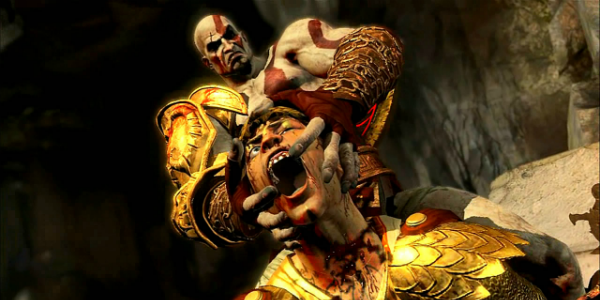
God of War 3 concluded one of Sony's flagship series by playing up everything that made the franchise famous in the first place. Over the top violence, giant boss fights and yes, even more instances of Kratos getting down with the ladies made the final God of War an explosive ending to the series - yet it didn't stop the core gameplay from feeling a little worn out after three main entries in the franchise. While now pretty much everyone agrees that Sony ran God of War into the ground by releasing too many games that used the same fundamental gameplay foundation, the third entry was the first time that signs of wear and tear first reared their ugly heads. It isn't the be-all and end-all of the hack and slash genre that its reputation might indicate - and if anything God of War 3 was the first nail in the coffin of a series on the down-swing.

10. Demon€™s Souls

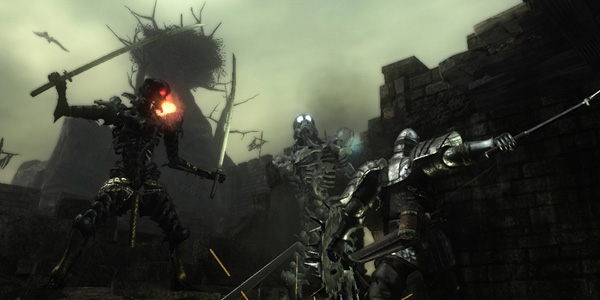
Of all the games on this list, I know that saying Demon's Souls is overrated is going to get me the most flack. Since the release of the cult classic Dark Souls, there's been a sort of revisionist history around the first game in the franchise. Just like when every cool thing gets popular there'll be people who claim there were there from the very beginning, but let me tell you this: there's a reason that Demon's Souls didn't become an instant cult classic like its successor - it's just not as good. Although the staples of the series were solidified in the first attempt, it lacks the subtle ambiance and refinement of the later releases. While purists today lament the loss of certain, more hardcore systems featured in the first title, Dark Souls did well to streamline the gameplay and make it slightly more accessible - and overall less unfair - than the first game. It's not bad or anything, and if you're into these games you should check it out because it has that cripplingly difficult sense of challenge and natural feeling of progression that makes this sub-genre a joy to play - it just isn't the great full package that Dark Souls turned out to be.

9. Mass Effect

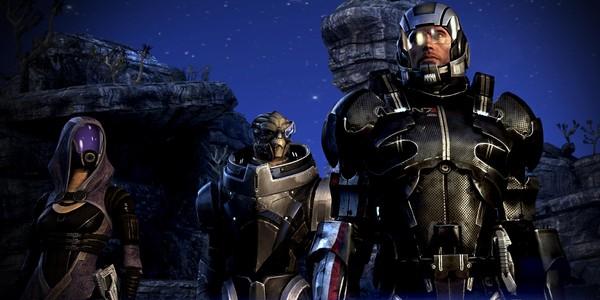
Mass Effect is my favourite video game series of all time, yet even I'm ready to admit that the title that kicked it all off is a touch overrated in the context of the franchise. Like Assassin's Creed, the world building and the richness of the story and characters are there, yet the rudimentary gameplay and cumbersome RPG elements make for a game that can be frustrating and repetitive to play. The option to explore numerous uncharted planets was a tantalizing prospect, yet the copy-and-paste nature to this element in the final release left quite a bit to be desired. Even with a more robust series of RPG systems that many fans mourned when they were dropped in subsequent releases, looking back it becomes obvious that they were discarded for a reason. Crippled by a convoluted inventory system, items that didn't particularly differ from each other and unimportant side-quests clogging up your mission log, it's clear to see why the second and third games were streamlined so much.

8. Halo 3

Halo 3 released at a rather strange turning point for video games. With Call of Duty 4 hitting shelves around the same time and changing the way first-person shooters were thought about in the mainstream, Halo 3 offered a kind of last-ditch attempt to reinvent the conventions of the past. Grander in scale and more epic in tone, the third (and then final) entry into Master Chief's journey released to hype that only a couple of games have ever received. However, while that made the run up to release incredibly exciting for fans of the series, it meant that Bungie's game was already starting on the back foot; no matter how good it might have been, there was no way Halo 3 could live up the hype. And of course, it didn't. With a single-player campaign that didn't offer anything particularly new in terms of weapons, content or set-pieces, the third game built upon its predecessors as opposed to radically ripping up the rulebook for the Chief's final hurrah. It didn't make for a bad game - just one that felt more than a little too familiar.

7. Uncharted: Drake's Fortune

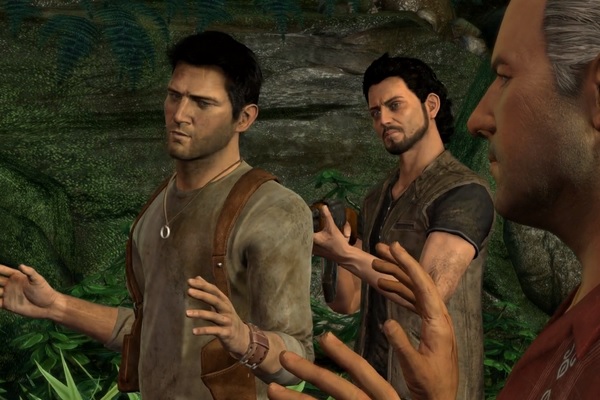
Naughty Dog's Uncharted series is one of the most revered video game franchises of all time. Therefore, it might surprise newcomers just how understated the first attempt at the adventuring series actually was. Taking inspiration from the likes of Tomb Raider as well as cinematic heroes like Indiana Jones, Drake's Fortune placed an emphasis on characters and platforming over the gunplay and huge set-pieces that Uncharted later became known for. As a result, nothing in particular stands out as the game's defining feature, and the entire experience feels like a scaled-down version of what it could have been. With floaty shooting and a limited scope compared to the later games in the franchise, Drake's Fortune suffers from being not quite imaginative enough. There's a similar sense of structure and scale to everything you do in the game, with the surprises and surreal gameplay twists that provided some of the most memorable moments in later titles completely absent in this well-intentioned original.

6. Borderlands

The Borderlands series is known in gaming as being home to some of the funniest, most colourful characters that the entire industry has to offer - so it might be a surprise to new players that the first game in the series is so lifeless. Although the world is colourful and imaginative, the same static raider camps and wastelands take up almost all of the game's boring, expansive map. Likewise, the series hasn't ever had the most varied first-person gameplay, yet it's never been as repetitive as in the first title. Although the franchise's signature weapon system is still there, the limiting types of enemies and ways to dispatch them turns the initially fluid combat system into a by-the-numbers shooting gallery after a few hours. That said though, this core gameplay is still the most fully realised aspect of this ambitious original, but even that doesn't stop the title from feeling more like a practice run for the proper fully-fledged sequel. Lacking the story and the dialogue that cements the second game as a classic - as well as a wider variety of locations to blast your way through - this first attempt feels like just that: the initial step on a road to greater things.

5. Modern Warfare 2

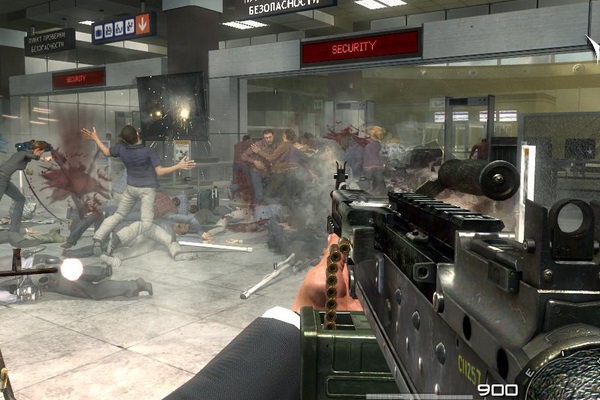
After the mammoth world-changing hit that was the original Modern Warfare, there was no way developers at Infinity Ward could give players a sequel that could live up to the astronomical expectations that followed the fourth game's release. Yet, surprisingly enough, they came mighty close. Expanding on the core multilayer experience that made the previous game so exciting, Infinity Ward recaptured the frantic magic of that original competitive experience. However, while some of these additions to the multiplayer side of things were golden, there were a couple of times where bigger wasn't always better. This same go-big-or-go-home mentality spilled over into the single-player portion of the game too, with a full-blown Russian invasion turning the game's campaign into a Michael Bay style spectacle that contrasted harshly with the smaller scale Black Hawk Down inspired grittiness of the previous release. By trying to capture the bloated cinematic scale of the worst action movies, Modern Warfare kicked off a trend that still plagues video games to this day.

4. Beyond Good And Evil

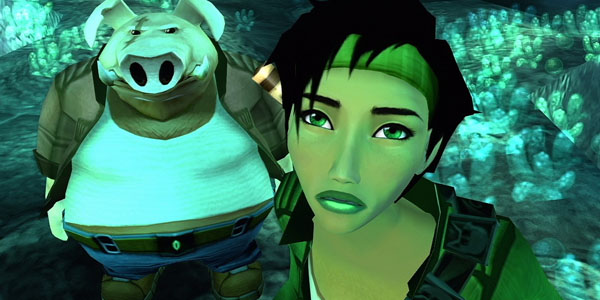
One of gaming's few legit cult classics, the acclaim for Ubisoft's Beyond Good and Evil has only snowballed since its shaky release in 2003. With a sequel in development for seemingly forever, the original game has gone down in the mythology of the industry as a kind of lost relic, a rite of passage for any self-respecting gamer. Which is why it's a shame that the actual release itself isn't quite as interesting as the narrative that surrounds it. Headed up by Michel Ancel, the creator of the classic Rayman series, the title plays decidedly similar to other popular games of the time, blending puzzle elements with basic light platforming and combat. It's all rather solid gameplay, however the imaginative and surprisingly mature approach to its story of impending total destruction is what really captured the hearts of gamers over ten years ago. Unfortunately, Beyond Good and Evil is a good game that can simply never match up to the years of praise that's been heaped upon it - which is a shame, because if you lower your expectations the title can be an absolute blast.

3. Fable 2

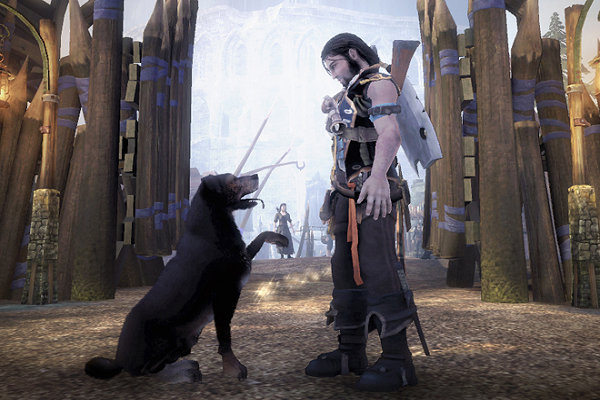
If I could have, I would have featured every single entry into the Fable franchise on this list. While they aren't all bad games per-se, the franchise as a whole has always seemed like an anomaly in the video game world. An RPG with shallow features, many of the elements that are brought up when discussing Microsoft's franchise have nothing on other games that do the same things, only better. But it's the second release that's usually thought about as the series' peak, and while it is the best Fable game overall, it's still baffling how the title received such a massive following. While the characters and worlds could often be rather unique and the game captured a kind of quirky, almost cartoon aesthetic that few RPGs adopt, whenever you're forced into the mundane and shallow gameplay all the promise of the set-up quickly disappears.

2. GTA IV

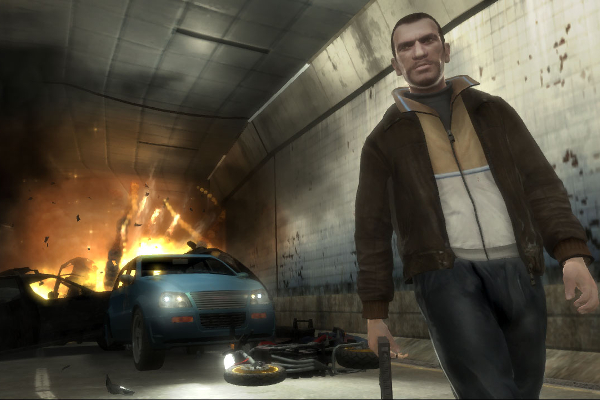
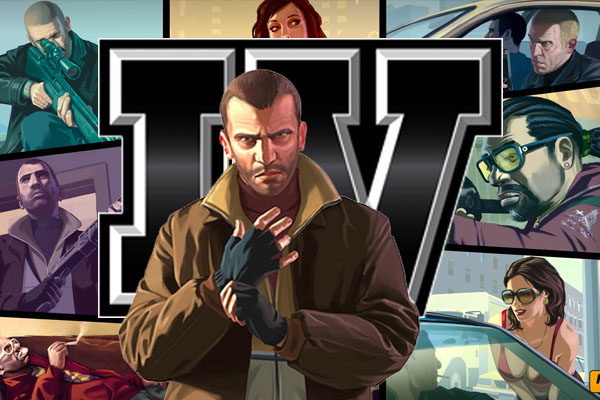
By now it's pretty much accepted that Grand Theft Auto 4 was nowhere near as good as many people made it out to be at the time of release. Stripping back most of the wacky antics that defined the series in favour of a much more realistic setting, the fourth entry into the most famous video game series of all time lost part of its identity in striving for a more mature audience. Which is quite a noble effort in and of itself, it's just a shame that the GTA structure doesn't lend itself particularly well to a gritty aesthetic. Not to mention, the rather drab story and straight-forward characters weren't helped by open-world missions that really weren't all that interesting. More or less every quest had you driving to a location, shooting some guys in a dilapidated building and then driving a companion back to their house. Out of 30 hours worth of missions, only a handful had you doing things that you couldn't have accomplished in a previous entry in the series. Thankfully the beautifully rendered Liberty City and the incredible level of detail found in the game managed to alleviate some of the title's weaker spots. However, when you have a city this ripe for exploiting, it's a real shame that Rockstar never gave you tools to properly let loose in it.

1. Metal Gear Solid 4: Guns Of The Patriots
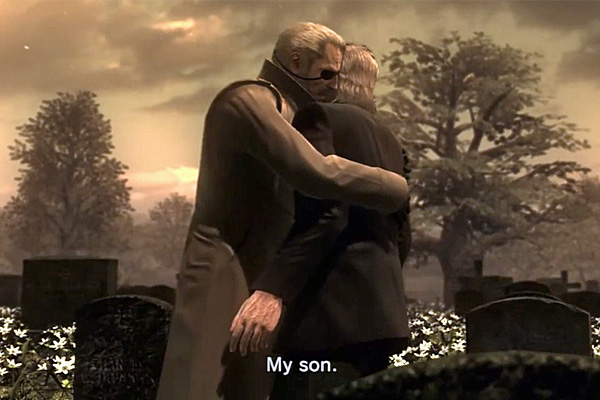
Coming out to near-perfect scores at the time, the final entry in the Solid Snake saga quickly went down as one of the best games of all time upon its first release. More than anything else, the game provided a reason for those on the fence to pick up Sony's then-fledging console; the final game in one of the most respected franchises of all time was getting 10/10s across the board, and it was only available on the Playstation 3. In hindsight though, the overall package of MGS4 makes for a ridiculously uneven product. While it's a cliché at this point to talk about the game's many, many cinematics, they truly are an issue. Crippling the pacing of the experience and taking control away from the player far too often, after the first couple of hours of these cut-scenes you just zone out, which meant even the most die-hard MGS fan would end up missing out on key bits of info that helped make sense of the title's ridiculous story. While it does hit some gargantuan highs at some pivotal moments (especially when it lovingly harkens back to older games in the series), there's simply not enough of them to make up for portions of the game that are a slog to get through. MGS4 was the point where this increasingly silly franchise went completely went off the rails - and while some players probably loved that, it left the majority of us are wondering how Metal Gear Solid 4 received such a flawless reception.

Contributor

Josh has over 11 years of experience as a published writer, having worked nine of those years as a full-time content producer at WhatCulture. In that period he has created hundreds of articles, videos and podcast episodes for multiple WhatCulture channels, specialising in gaming, horror and film & TV. He now primarily works as a senior content producer and presenter on WhatCulture Gaming where he co-hosts the WhatCulture Gaming Podcast, a top 3 UK most listened to gaming podcast that he co-created in 2018. Over the years he has reviewed several high-profile gaming releases, covered industry events with on-site reporting, opined on breaking news, and even kicked off his interviewing career by chatting to childhood hero, Tommy Wiseau.