10 Most Outrageous Deceptions In History
Historical monkey business.
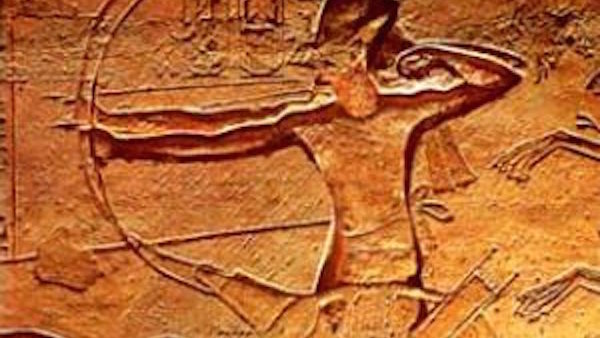
10. Pharaoh Ramesses' Heroic "Victory"
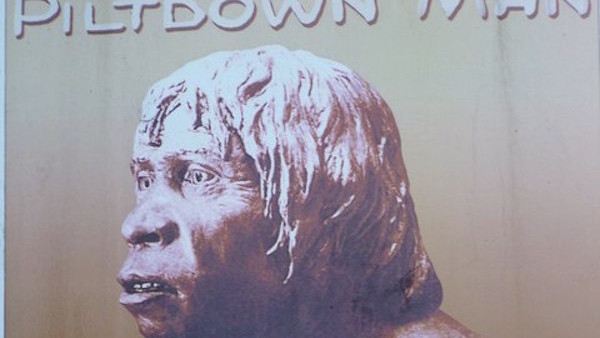
9. The Orangutan Disguised As The Piltdown Man
8. Han van Meegeren, The Forger
Dutch painter Han van Meegeren is best-known not for his own work - but for his forgeries of the great 17th Century artist Johannes Vermeer. Vermeer specialised in domestic interior scenes of bourgeois life, and in the early-1900s many art historians were debating whether or not the Dutch maestro had painted several biblical scenes which had been lost. Fellow Dutchman Van Meegeren pounced on the opportunity to both showcase his own talent and to gain a quick bob by attempting to trick the art experts by creating "The Disciples at Emmaus" or "Supper at Emmaus" piece in 1937. With detail paid to creating fake cracks and aged hardness to make the painting look almost 300 years old, art experts rushed to confirm the work as genuine. Van Meegeren continued to try and deceive art critics as he created fake "lost paintings" by Frans Hals, Pieter de Hooch, Gerard ter Borch, and others. But it was another painting he passed off as Vermeer's which proved his undoing - as he sold "Christ with the Adulteres" to Nazi art dealer Alois Miedl in 1942. This work was then sold on to Nazi Reichsmarschall Hermann Göring - and was confiscated by the Allies following World War II. With Van Meegeren arrested by the Dutch government for conspiring to sell a "national treasure" to the Nazis, the con-man was forced to out himself as a fraud and instead was sentenced to one year in jail. He died just two months into his prison term, however.7. The Trojan Horse
 Possibly the most famous case of deception in human history - the legend of the Trojan Horse is actually an event which almost certainly occurred (in some capacity at least) to allow the Greeks to enter the city of Troy and end the 10-year-long siege of the city. In Homer's book "Odyssey" and in the Latin epic poem Aeneid of Virgil, the tale of the Trojan Horse is told. With the Greeks wanting to end the Trojan War, they pretended to sail away on their ships from Troy. However, little did the Trojans know that a select force of Greek soldiers had actually hidden inside a huge hollow wooden horse, which had wheels on the bottom, while the rest of the army sailed away. In celebration at their "victory", the Trojans pulled the horse into the city - without knowing that a few Greek soldiers were hidden inside. As the city of Troy slept that night, the covert Greek soldiers jumped from the horse, opened the gates to the city and allowed the returning army to flood in and destroy the inhabitants - finally ending the war. Historian Michael Wood, among others, has argued that it was not a giant mechanical horse at all that was used - but a battering ram in the shape of the animal. Whatever the case, it still proved to be a decisive blow in the war - and it gave birth to an incredible tale.
6. Charles Ponzi, The Con-Artist
5. The Fake Princess Anastasia

4. An Imagined Plot To Assassinate Charles II
Britain in the late-17th Century remained a nation scarred by civil war and fearful of a Catholic uprising - something which undercover-agent Titus Oates pounced upon to imagine-up an assassination plot against King Charles II. Oates had been dismissed from the Anglican Church so instead befriended some important Catholics, and even feigned conversion across Christianity. After infiltrating two Catholic seminaries, Oates was eventually suspended from both but had gained enough insider knowledge to pretend he had learned of the plot. Supposedly, the Jesuits were going to kill Charles II and then replace him with his brother James, who was a staunch Catholic, in 1678. However, it appears no such plot ever existed - yet 35 Catholics were executed over the next three years as nationwide panic ensued. James (II) was elevated to the throne once Charles II died in 1685 and the new king immediately had Oates convicted of perjury - for which the fraudster spent three years in jail before being pardoned during the Glorious Revolution.3. Bill Clinton's Affair... And His Lie Under Oath

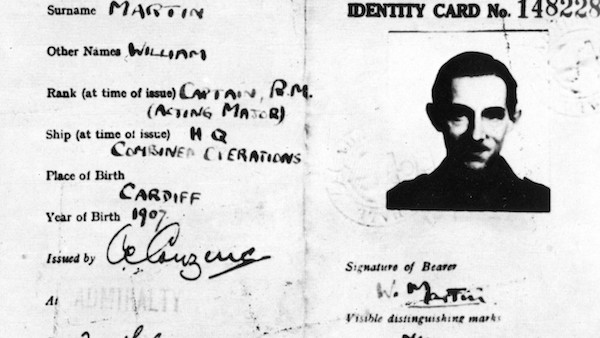
2. Operation Mincemeat... And How A Dead Tramp Helped Win World War II
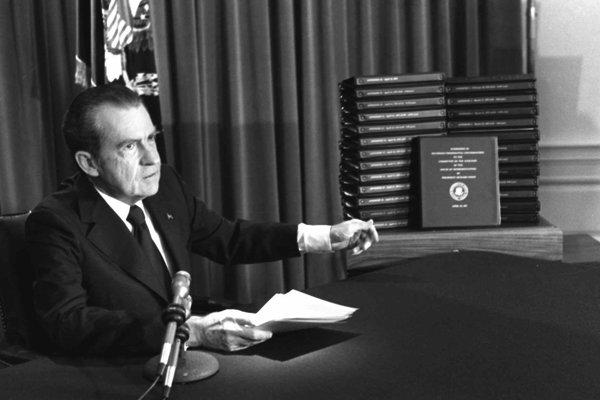
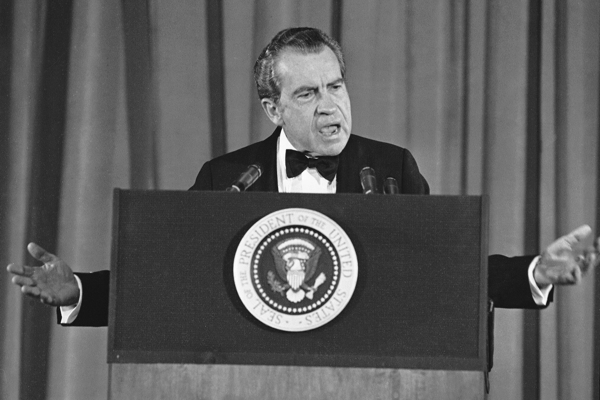
1. The Watergate Scandal