10 Realities Of Home Security Systems That Prove You're Better Off Dead Than Owning One

More sorry than safe...

Statistics show that Christmas is also the most wonderful time of the year for a demographic we would like to avoid entirely. Criminals. With many families leaving for Holidays and gifts wrapped under the tree it might be a dirtier, more foul Saint Nick, who visits a house for milk, cookies, and everything valuable. Everyone understands, while we hope protection will never be necessary, to ignore it is foolish. The problem is how do we go about protecting themselves? The most obvious solution is to go through the rings required to own a firearm, but guns can be scary and lethal. The next obvious choice, a big snarling dog, isn't the most attractive option either. Left without choices, many people decide to purchase an alarm system... ...Which may end up being the worst decision they will ever make. The news is full of stories of residential homeowners installing alarm systems only to be deeply dismayed when they are broken into anyways. The sheepish alarm company, who was always there in the beginning with assurance, is suddenly referring to its lawyers as a point of contact. Because the dangerous truth is that while we hope protection will never be necessary, if the only thing standing between you and the bad guys is an annoying noise maker, you may be sorry to learn it won't make much of a difference.

10. Alarm System Technology Is Older Than Dirt

Consumers install alarm systems hoping the equipment will turn their homes into Fort Knox. Too bad they will be gravely disappointed to find out that most alarm technology is old and outdated. Like, real old and outdated. To give an analogy, alarm systems compared to many other outlets of consumer technology is like comparing a Bluetooth headset to the power of a smartphone. Even the concept of the average system is old. They are really just uncomplicated noise makers. The alarm company technician will install a small sensor on doors and windows, and if that door or window gets opened the siren will go off about a minute later. This initial design was created by Augustus Russell Pope in 1857. In fact, many of the common systems found in today's households date back to the 90s. Still, alarm companies continue to sell their refurbished equipment like Q offering Bond a new car, using hyperbolic terms like wireless security, which boils down to annoying sensors that beep when needing batteries replaced.

9. Expensive Installations... That Cover Less Than Half Of Your Home

Alarm services rope in customers with juicy ads promising free installations for only the monthly monitoring cost of a dollar a day, but people should consider what they are truly getting before they leap. Sure, a free system is a free system, but if that free system comes only with six sensors and you want all thirteen of your windows protected, you may be in for a shock. Many prospective customers are dismayed to learn that after their six initial sensors their free installation isn't as free as they hoped. Each wireless sensor after the first six will usually tack on $50 to the installation price for a basic door contact. The price of a motion or glass break detector can jack up the price by another $200 each. Cameras, or the ability to use your alarm system with your smart phone, may place the final price around a $1000. So why not just stick to the free stuff? Well, those six sensors really don't cover much. A pull apart contact on a window is not going to go off unless someone opens it, but what if a criminal just breaks the glass instead? For that you will either need a glass break or shock sensor detector, which aren't cheap. Depending on the size of the home, complete coverage could total near $10,000.

8. Police Departments Refusing To Dispatch

Throughout America, Police Departments and Sheriff's Offices have declared enough is enough. Nearly a hundred thousand false alarms are dispatched on every year, resulting in a huge waste of law enforcement resources 99.9% of the time. The police have responded by levying false alarm fines and creating additional legislation, which requires homeowners to obtain alarm permits. However, in some cases, they are just refusing to go. The policy is arguably unconstitutional. Citizens pay taxes so their government can function and part of their function is to protect people with police. However, many police departments feel the fees and fines are justified. After all, alarm owners are spending thousands of tax-payer dollars crying wolf, and 100,000 false alarms a year is keeping deputies from handling more important matters where real crimes are in progress. In some extreme situations police may refuse to dispatch due to severe weather or a lack of man power, but most of the time they just have something better to do.

7. The Alarm Company Calling You In The Middle Of The Night For No Reason

"Hello, this is Every Security Company. We just wanted to make you aware, your alarm system may have a low battery." Why, thank you, but it's three in the morning. Couldn't this have waited? The situation becomes real frustrating when an hour later they call again because the system sent another low battery signal saying they had to. You can request they stop notifying you after the second call, but, knowing the average security company, they probably will call again because...

6. Alarm Dispatchers Are Underpaid Call Centre Representatives

Yep, that's right. Alarm company employees are just your average call centre representatives, who hate their job, and cannot wait for the day when they can escape. Perfectly understandable, except in this case their job is protecting your life and property. Something almost no one considers when purchasing an alarm system is who exactly is going to be responding to their alarms? They may feel quite different to learn that an alarm dispatchers may be a teenager working a summer job in between college semesters. Alarm monitoring companies are supposed to ensure that everyone who works for them is a licensed security professional with a clean criminal record. Of course, all that licensing is expensive and some state governments require more than one license. Despite it being the law that every alarm dispatcher is licensed it is a jaw-dropping shock to learn how few actually are. Companies will usually only make the investment in a long term employee after they have stayed for a year or longer on the job. It's a fine line alarm companies are walking, and they know it too.

5. Alarm Companies Claim Zero Liability In Their Customer Contracts

The awkward moment when the alarm salesman hands you a pen to sign the contract and seal the deal. Somewhere in the back of your mind, even if you don't ask, is the question, "So in the case of a real break in where the system fails, you guys are liable, right?" Guess again and take a closer look at the fine print before signing. Alarm companies claim zero liability in their contracts for anything that may happen. In addition, they will usually write legally binding clauses that ensure they are not liable for any damage the system may do to the residence. Is it really that surprising? If alarm companies offered to pay the damages for every home they protected they would quickly go out of business. Some companies will offer to cover part of a customer's insurance deductible, but even then there are strict rules for what qualifies. For instance, if the system was turned off during the break in or failed to send a signal (alarm companies consider it the homeowner's responsibility to make sure it is communicating with them at all times) the unlucky customer will get nothing. Don't try suing either. That signature on the dotted line destroys any case you think you may have.

4. The Noise

Alarm systems are fallible in many ways, but there is one thing they do considerably well. Make noise. Ear-splitting noise. The kind of noise that makes you want to make like Reservoir Dogs and cut your own ears off. People are typically shocked to discover just how obnoxiously loud their system's siren can be when it goes off. Unfortunately, they usually don't find out until there is a problem. Time and again the noise is so deafening it can cause homeowners to panic and forget their codes for disarming. Desperation has driven more than one alarm owner to rip their keypad off the wall, which does nothing to silence the siren and makes resolving the issue a lot harder. Just when you've got it turned off you'll realize all the neighbors are standing outside with an annoyed looking police officer.

3. False Alarm Fines

Not all American police departments are going as far as refusing to dispatch on alarms calls, but they are certainly taking steps to show alarm owners they mean business. In many states police departments are issuing false alarm ordinances, which require homeowners to register their systems for a permit. Non-compliance with this law can lead to severe fines and, in some incredibly extreme cases, jail time. Usually the first dispatch will be free, but afterwards the fines for false alarms steadily increase in amount. False alarms are not always a homeowner's fault. Sometimes issues arise because the system installed well, constantly alarming for no discernible reason. When upset customers call in saying they have been issued thousands of dollars in fines and are no longer in good standing with their local police, alarm company customer support has no idea how to begin helping them. Once again, in most cases, alarm companies will not pay for the false alarm fees, and even if they do, cannot begin mending the relationship between their customers and the police.

2. Burglars Can Easily Bypass Most Residential System Technology
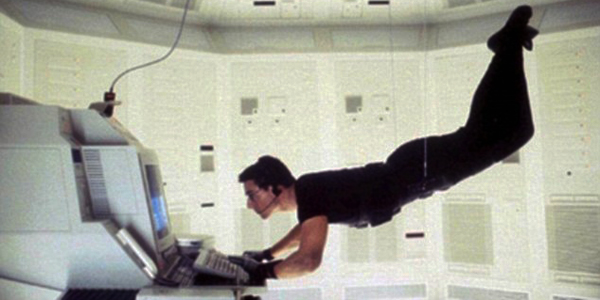
All residential alarm systems, old and new, have one Achilles' Heel in common to drive a nail in their coffins. That nail is how they communicate. Most systems can be easily bypassed by any criminal with half a brain about his dubious profession by simply severing a system's communication with the monitoring company. It's residential security's greatest weakness and most serious flaw: alarm systems require the home to have a phone line for the system to send signals. All a burglar has to do is snip the phone line (an obvious move for a seasoned criminal) and the system becomes just a loud noise. Next all they need to do is bust the siren off the wall (usually within feet of the keypad) and the system is completely defeated. Realizing the fatal nature of the flaw, alarm technology advanced two steps forward to include radio transmitters that can send signals wireless. The drawbacks? Most alarm companies pay cellular providers to use their towers to transmit signals. The signal strength they pay for is so low the transmitter can take up to nearly two minutes to transmit. Two minutes is an awfully long time to be in a house with a burglar, but it gets worse. The average police department takes about ten minutes to respond.

1. The Smoke Detectors Calling The Fire Department Every Time You Burn The Toast

Burnt food setting off smoke detectors is never a fun experience, but with an alarm system it can be an absolute nightmare. Alarm system smoke detectors can be even harder to shut off because they are connected to the keypad. When they go off it can cause a panic. You can try rushing to the keypad to turn off the noise, but the system will continue to trip until all the smoke is clear. In all that confusion it's easy to forget that the alarm company is going to call. If you miss the call, the fire truck comes with sirens ablaze. A firefighter might be nicer than a police officer over a false dispatch, but that doesn't mean they won't send you the bill in the mail. Like burglar alarms, smoke detectors can also begin to malfunction. Meaning you and the neighbors are going to be seeing a lot more of your local fire department than you would care to in a lifetime. Suddenly that big dog, firearm, and self-defense class don't seem like bad ideas anymore.

Contributor
Contributor

aka The Thompsonator. Action movie & shooter game fanatic. Biggest weakness? Taking things over the top... The internet is the disease. Meet the cure. Find more action on my Youtube channel: www.youtube.com/ActionRation