10 Terrifying Things That Can Happen To You Whilst Sleeping
Beware - you may never want to shut your eyes again!

Everyone loves to sleep, whether it's a quick power nap in the afternoon or a long night in bed with you and the comfy covers. But what really happens to us whilst we lie in the subconscious?
Some people do not have regular sleep and can suffer in the extreme, from paralysis to screaming at visions that aren't even there as their dreams come to life in front of their eyes. Sleep clinics across the world welcome hundreds of new patients every day, as studies are taken in to why and what really happens to those who can't seem to keep still or sleep in silence.
But what are the most scary things to happen when we sleep? What could cause serious damage and make a sufferer reach out for medical or psychological help?
Here are the top 10 most terrifying things to happen to you whilst you sleep, and how they can happen.
10. Sleep Paralysis

The most terrifying experience to happen to you whilst still asleep is the commonly named form of sleep paralysis. This is exactly what it sounds like - during their sleep cycle, the sufferer's brain will wake up but their body will stay asleep, causing the feeling that they cannot move.
Often, the sleeper will feel an intense pressure on their chest as they attempt to move and breathe at a normal pace. The sensation of paralysis can feel endless, sometimes accompanied by visions around the room or on top of them.
Many sufferers of sleep paralysis witness a demon or dark figure pushing down on to them. Some conspiracy theorists believe that the visions are real, and are creatures of the afterlife attempting to take you down to Hell.
This image of sleep paralysis can be traced back 1781, with Henry Fuseli's painting 'The Nightmare', in which a small devil figure sits on a sleeping woman's chest. The meaning of the painting shows obsession and control over the innocent, as they cannot move and are forced to see the demon above them.
9. Lucid Dreaming

Much like sleep paralysis, lucid dreaming occurs in a state of awareness during the sleep cycle of the person experiencing it. However, this is much less sinister.
Lucid dreaming is the act of realising you are in a dream whilst still staying in it. The effect of this is mostly innocent, as the user can therefore control their dream to how they wish and do what they want without their subconscious taking over.
People who can lucid dream regularly have noticed certain things that make them aware that they are in the dreaming state. For example, looking at the reflection of yourself in the mirror during the dream does not register within your brain, making the reflection look morphed or even invisible. The sky and floor in dreams is often unfinished and if you try to put your hands together, they will go through one another.
For many, lucid dreaming is fun, but scary experiences can also occur. When the brain becomes conscious that the user is dreaming, this can jerk the sleeper out of the dream suddenly, causing the act of sleep paralysis as the body has not fully woken up. Others have become stuck in their dreams for a long time as the brain cannot work out what to do.
8. Hypnagogic Jerks

One of the most common sensations to happen in sleep is the feeling of falling, jumping or hitting the floor, causing the sleeper to suddenly wake up or flinch. These are called hypnagogic jerks, and can also follow other symptoms such as sweats, increased heart rate and quickened breathing.
For many, hypnagogic jerks occur only briefly and not as a common trait of their everyday sleep routine. They can often be triggered by lack of sleep or too much caffeine or alcohol, much like night terrors and sleep paralysis as the brain attempts to switch off. Men are more likely to experience them than women and they can also be accompanied by a vivid dream or hallucination upon waking.
Sufferers often feel that they are 'falling into the void' or being shocked out of their sleep. This is mostly not a recurring motif, with only 10 percent of the population suffering on a regular basis. Constant hypnagogic jerks may be a sign of insomnia, as the brain cannot switch off, or the sufferer may need brain scans to ensure there is not a wider issue.
7. Exploding Head Syndrome

Exploding Head Syndrome sounds terrifying, but fear not, this does not mean that your head will quite literally explode whilst sleeping. The syndrome's name refers to the experience or sound the sufferer thinks is happening. During their sleep, they may hear a loud explosion or see a bright light which in turn shocks them to wake up. In actual fact, this exploding sensation has not happened at all and is a fabrication of the brain.
The imaginary explosions happen when the sufferer is either in the process of waking up or beginning to fall into a deep sleep, and can cause other symptoms such as anxiety, insomnia, mild memory loss and an increased panicked heart rate as they try to sleep again.
More often than not, the syndrome sufferers will not experience pain, though they may be filled with fear after they have jumped awake as they attempt to figure out the noise. It can also be accompanied by short hallucinations or visions within the dream before waking like lightning or static.
6. Sleep Apnea
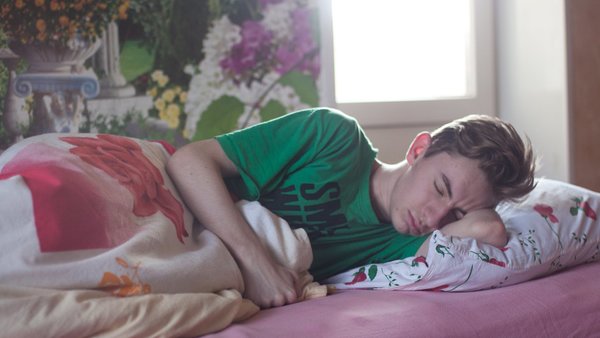
The most dangerous sleep occurrence on this list is sleep apnea. This is a recognised serious sleep disorder and often occurs to those who are loud snorers or already have blockages in their breathing. It refers to the sleeper stopping their breathing regularly throughout the night for an irregular length of time, which stops the flow of oxygen and can cause potentially serious health issues down the line.
There are three types of medically recognised sleep apnea: obstructive (the most common form in which the throat relaxes), central (occurs when your brain does not send the correct signals to breathe), and complex (where a person suffers from both obstructive and central).
Without another person around to notice the irregularity in the breathing, sufferers can also be diagnosed if they report a dry mouth when waking up, tiredness, morning headaches or waking during the night to try and gasp for air.
Males over 40 are the most common bracket to be diagnosed with sleep apnea, along with those who may suffer with obesity. It can, however, be seen in children in rare cases.
5. Recurring Dreams

During sleep, the person will typically watch their dream from an outsider's perspective or go along with the actions of the dream with no real control over what it going on. When you wake up, most of the dream is forgotten and your day begins.
For some, however, the dream is the same every night. These recurring dreams can vary from the scary to the weird and make the sleeper become confused upon waking again and again after the same images. The most common recurring dream themes include going back to school, losing teeth, being naked, being chased/ attacked, crashing in a vehicle or forgetting something important before a test or work.
Studies have suggested that recurring dreams mean that the brain is trying to remind you of something important, whether this be what the dream is about or a wider issue. They are mostly harmless and can commonly be solved by de-stressing and working out the situation to why it is happening.
Most of the time, once the big issue is solved, the sleeper can go back to a different dream schedule. If the repeated images in the dream are traumatic, the sufferer should seek psychological help.
4. Night Terrors
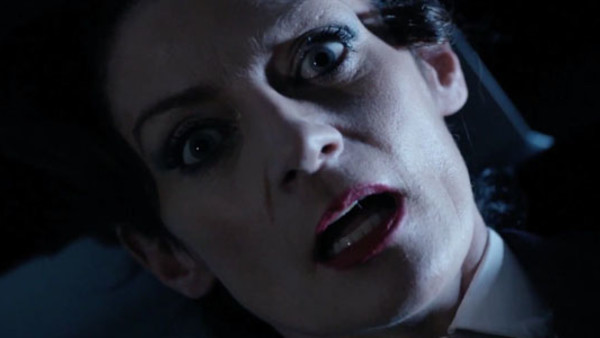
Nightmares are a common thing for many regular dreamers, and often harmless outside of the sleep as the person experiences the images whilst their eyes are closed and may wake up to sweats or feelings of being scared. Having a night terror is a step up from this, as the images can occur outside of the person's closed eyes, making them feel like the dream is actually happening.
Much like sleep paralysis, night terrors are most commonly brought on by lack of sleep or alcohol and are accompanied with hallucinations along with a feeling of panic or dread if the images are scary. However, in night terrors, the sufferer can move whilst their dream is happening around them.
There can be extreme cases of night terror experiences such as screaming, thrashing or running out of bed away or towards what they might be seeing. These cases can also lead to the dreamer hurting themselves unintentionally by heading towards or reaching for things in their room to hide or get the vision away.
They are common in children from 3-8 years old but are more dangerous if the sufferer is an adult. It is a trait that can run in family genetic history.
3. Periodic Limb Movement Disorder

For many sleepers, moving in the night is not an uncommon thing. Rolling over or the occasional twitch is nothing to be worried about and is part of the normality of a sleeping pattern as the brain moves from deep sleep to a more awake state and back again.
Periodic Limb Movement Disorder/ PLMD is a more extreme version of the experience most people have during the night. It is a sleep disorder in which the sufferer will involuntarily move their limbs or jerk them as they sleep. It is not the same as restless leg syndrome, which is the willing urge to move the legs due to discomfort.
PLMD usually occurs in the lower part of someone's body, and can be a symptom of regular hypnagogic jerks. They cluster in 20-40 second episodes and can occur all the way through the night. It is not considered medically serious, unless the sufferer is waking to pain because of the twitching that has occurred.
PLMD is usually a secluded movement in small sections of the body such as the hand, ankle or feet.
2. Sleep Walking

Sleep walking is one of the most commonly known sleep traits on this list and is usually depicted in movies as a comical situation. It is a disorder that can be a recurring thing for much of the population, in which they will get up and walk around, performing subconscious activities whilst unware that they are doing it.
It can be a symptom of night terrors if the sufferer is talking and is in fear whilst moving around the house.
Sleep walking is mostly an innocent activity, with some reporting that they have baked cakes whilst still asleep or got up to do cleaning before getting back in to bed. It can become serious if the sleeper is harmed falling down the stairs or being in an unknown environment such as a hotel room and waking up to not knowing where they are. Some have even claimed they have got behind a wheel whilst still unconsciously asleep.
Sleepwalking tends to begin at a young age and continue into adult life, with again the most common triggers being lack of sleep, caffeine or alcohol.
1. Sleep Talking

Finally, the mildest on this list is the act of sleep talking. Most of the population sleep talk at least once in their life and are unaware that they are doing it unless a partner or someone in the same vicinity points it out to them.
Sleep talking is mostly innocent and can lead to some comedic responses in which the awake and the sleeper can have a conversation whilst the latter has no idea it is happening.
It can vary from complicated monologues to gibberish sounds that only last a few seconds. It can either be quiet and hardly audible or be a loud shout that wakes others up. Sleep talking is harmless and tends to not lead on to any other sleep disorders. There is not a common cure for it but it can lead to some pretty funny voice recordings if the sleeper knows they regular talk.
Like night terrors and sleep walking, talking occurs in the NREM/ Non Rapid Eye Movement of sleep as the muscles are not paralyzed during this stage, meaning the sufferer can get stuck in this part and begin to walk, talk or see things that aren't there.