11 Vaccine Myths That Just Refuse To Die: Debunked
Confused about vaccines? We pick apart the biggest myths surrounding vaccination.
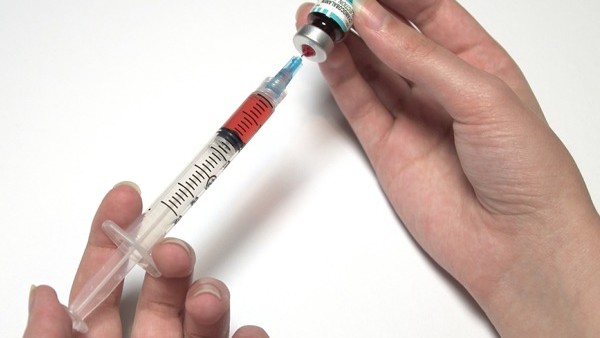
Vaccines. Tiny vials of scientific medical technology that have successfully eradicated smallpox, and measles, increased our lifespan and decreased the need for having as many children as possible in the hopes one or two of them will survive passed infancy.
Vaccines are a product of their own success. Ever since the invention of the smallpox vaccine in 1796, vaccines have done their job preventing disease and building a protective wall around the community to decrease the chance we ever experience our lungs filling with fluid due to an invasion by one of the 23+ strains of Streptococcus pneumonia bacteria.
Vaccines, however, aren’t without opposition.
A small but vocal minority of people have come together to attempt to ban vaccines bringing with them a trial of pseudoscience, misinformation and conspiracy theories to help them in their quest. They feel that vaccines are the cause of every major illness and behavioural disorder known and unknown, that the world’s governments are engaged in a secret plot to use vaccines to make pharmaceutical companies rich and that vaccines are nothing more than poison developed by scientists for profit. Disregarding the fact that scientists have children who have been vaccinated.
Talk to five members of the anti-vaccine movement, and you’ll come away with five different answers as to why they are against vaccination technology. Today I want to look at the science of vaccine technology and how they function to prevent disease, the results of their use and take a crack at some of the myths the anti-vaccine community hold near and dear.
11. Myth: Diseases Are Less Harmful Than Vaccines

One of the more common justifications for their opposition to vaccines heard from anti-vaxxers is that the diseases being vaccinated against are less harmful than the actual vaccination itself. This idea is an idea based in privilege; it could only come at a time where highly infectious disease is no longer part of everyday life. In 2004 the Journal of Infectious Diseases, published “Measles Elimination in the United States,” citing the morbidity and mortality of the measles epidemic in America prior to the licensure of the first measles vaccine.
On average, 5300 measles-related deaths occurred during 1912–1916 (26 deaths/ 1000 reported cases) with even more going unreported. An average of 542,000 cases were reported annually from 1956 – 1960, with a decrease to around 450 measles-related deaths reported each year. While this decrease in deaths during this time had been attributed to improvements in health care and nutrition, serious complications due to measles remained a burden on healthcare and families with many patients at high risk of death from the complications of the diseases.
In an effort to eliminate measles and ease the burden of the health care system and families, a country-wide vaccination program was implemented which has seen a steady decline in the average cases of measles per year. Comparing the data from 1956 – 1960 (313 measles cases per 100,000) to the data collected during 1982- 1988, which reported an average of 1.3 cases per 100,000 population, we can see a downward trend towards contracting the diseases.
Finally, in the year 2000, the Centre for Disease Control declared Measles “eliminated” from the United States, meaning any measles outbreaks that occurred in the country would be the result of an outside source. As a result of vaccination technology and successful disease eradication programs, infectious diseases like polio, measles and smallpox are no longer something that is expected to occur in a person’s life.
10. Myth: Vaccine Injury
In order to accept the idea that a highly contiguous disease such as measles or diphtheria or tuberculosis is less harmful than the technology designed to prevent it, anti-vaxxers will state that “Vaccine Injures” are much more prevalent now than in pre-vaccine times, and that we are faced with an “epidemic of vaccine caused disease”. Illnesses and conditions ranging from diabetes, AIDS, autism, SIDS and the various cancers have been promoted as being caused by getting one or several vaccinations.
The “research” offered as supporting evidence for these ideas is low quality, poorly designed and riddled with flaws at best. Often, the study itself doesn’t even support the idea being put forth, or the person making the claim is making it not based on science but correlation of unrelated events.
The idea of a “vaccine injury” originated as a by-product of the known fact that vaccinations – like all pharmaceutical – intervention can have side effects, an adverse event or even adverse reactions. Pain at the injection site is a common side effect of vaccination. Meanwhile, an adverse event may be having diarrhea after an influenza shot; it happens while I was undergoing treatment but is not linked to the treatment.
An adverse event doesn’t need to be linked to the vaccination at all, but they do need to be reported for further research. Adverse reactions are reactions that happen where a causal link between the reaction and the vaccination has been found – anaphylaxis for example. The side effects, events, and reactions are all well-documented and monitored.
The “vaccine injuries are more prevalent now than in pre-vaccine times” argument doesn’t make a lot of sense; diabetes has been reported since the time of the ancient Greeks and so have the various cancers. The difference between now and then is that doctor has better diagnostic tools to find and treat these illnesses, rather than them going unnoticed or untreated. The myth that vaccines cause Type 1 diabetes has been debunked several times, the so-called vaccine link to Autism has been refuted so thoroughly that when an anti-vaccine organisation paid for research to study the “link”, the researchers found no evidence.
9. Myth: No Studies Are Conducted On Vaccines

Show an anti-vaxxer a high quality randomly controlled study showing no link between vaccinations and unrelated illnesses, and they’ll counter with “Well, there are no safety studies! No one has done a study among vaccinated/unvaccinated children!”
This, however, is categorically untrue.
It’s not so much that there are no studies, it’s more that they refuse to read them. The polio vaccine trials of 1954, conducted by Jonas Salk saw 623,972 schoolchildren injected with either the polio vaccine or a placebo, and more than a million others participating as observed controls, all of whom were monitored throughout the next wave of a polio outbreak. In 2011, German researchers examined health data (study linked here) and compared the occurrence of infections and allergies in vaccinated and unvaccinated children and adolescents (Spoiler: The unvaccinated children were worse off).
Swedish and Danish researchers examined autoimmune problems to see if HPV vaccines cause them, they compared almost 300,000 young women who got HPV vaccines to over 600,000 who didn’t have the HPV vaccine. Not surprisingly, no links were found. As Allison Hagood and Thoughtscapism discuss over in their respective articles, a study into vaccinated vs. unvaccinated children would be highly unethical in modern times. No ethics board is going to give approval to stick a bunch of children in a room and give half a vaccine and half saline and expose them to an infectious disease. For this reason, researchers need to find a way around the ethical dilemma – a vaccinated group and a group that has chosen not to be vaccinated is used and retrospective studies are done without exposing them to the disease.
Vaccines are also studied against early versions of the same vaccination. This is to ensure the vaccination being developed is better at disease prevention than the product that is already being used. It makes no medical sense to use a prevention tool that is less effective at its job than a tool previously used. Vaccinations are also tested in combination with other vaccinations to ensure there are no negative interactions between the vaccinations and to ensure the vaccine schedule is safe and effective.
That's a lot of research for "no studies", and we only scratched the surface.
8. Myth: There Are Too Many Too Soon
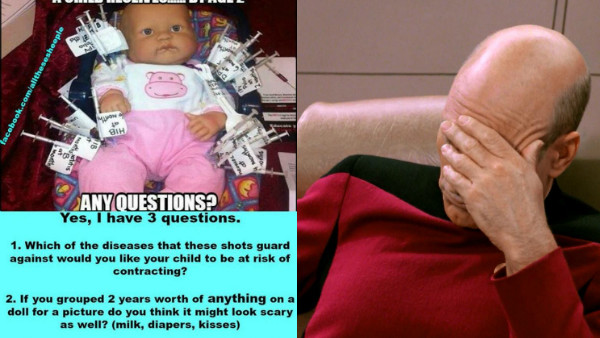
Anti-vaccine activists don’t really have a leg to stand on regarding supporting scientific evidence for their belief system. Counter their points with scientific evidence, and they’ll suddenly shift the goalposts of their argument to move away from the evidence you have provided. Show them evidence of safety studies, and they’ll state an ingredient is damaging, show them evidence the ingredient is fine, they’ll move to a different ingredient. Show them evidence all of the ingredients are fine, and they’ll say “Too many too soon,” show them this article, and they’ll call you a shill.
This phenomenon has been described as: “fear and loathing of vaccines as an alleged cause of autism have “evolved” in response to what can be considered the “selective pressure” of scientific studies.”
The question: “Will the vaccine schedule overload my baby’s immune system?” is commonly abbreviated as “too many too soon.”
Unfortunately, it has become the battle-cry for anti-vaccine activists who are concerned with infant immune systems and may even try to sell you something that will “naturally boost” said immune system. In response to the commonly held question, science did its job and conducted research. The overwhelming scientific response has concluded that the current vaccine schedules in countries such as the US, UK, and Australia are perfectly fine. The latest study in the Journal of Pediatrics demonstrates these concerns to be unfounded and provides additional evidence that there is no association between receiving “too many vaccines too soon” and autism.
The conclusion further strengthens a comprehensive review by the Institute of Medicine (IOM) in 2004 that concluded there was not even a causal relationship between certain vaccine types and autism. It also replicated the findings in the recent 2013 IOM Report on Childhood Immunization Schedule and Safety that concluded that the full vaccine schedule was safe.
7. Myth: Ingredients Are Scary Because I Can’t Pronounce Them

Vani Hari, aka The Food Babe, once proclaimed “If you can’t pronounce it, don’t eat it”, a statement that anti-vaxxers have taken and run with, applying the wonky logic to vaccinations. If this argument were any less intelligent I’d have to water it three times a week. The most demonised ingredients are aluminium salts and mercury.
Aluminium salts are a type of compound that have gained attention from the anti-vaxxer community. It has been claimed that aluminium can cause heavy metal poisoning despite the fact that – while aluminium is a transition metal – the compounds used in vaccines are classed as salts. The aluminium salts in some US licensed vaccines are aluminium hydroxide, aluminium phosphate, alum (potassium aluminium sulfate), or mixed aluminium salts.
Aluminium hydroxide is used as an antacid, as is aluminium phosphate. Potassium aluminium sulfate has a range of applications, one of which is in baking powder. These compounds as adjuvants in vaccines, their role is to increase the immune response to the vaccine which results in lesser quantities of the vaccine per dose and fewer doses over-all.
Aluminium and aluminium salts can also be found in food, breastmilk and infant formula both of which are ingested in a larger quantity per day than found in the total amount of vaccines given in the first six months of life.
6. Ingredients Part II: A Tale Of Two Mercuries
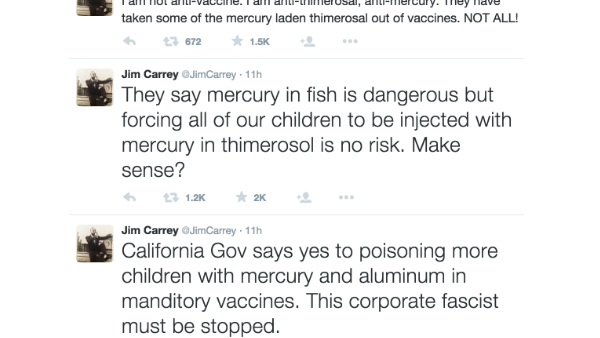
Another ingredient blamed for heavy metal poisoning is mercury. Anti-vaxxers would have you believe that the mercury found in some vaccines is purely elemental mercury (chemical symbol: Hg) found on the periodic table, this not true. Thiomersal, an organomercury compound and well known antiseptic and antifungal agent, has been used in several vaccines as a preservative to prevent decomposition by microbial growth. This allows medical staff to keep the vaccines in storage longer, leading to less of a demand to replenish stock.
When Thiomersal is introduced into the body, it metabolises into ethylmercury; ethylmercury does not bioaccumulate in the body and has a half-life in an adult of around ten days. The anti-vaccine community continually confuses ethylmercury with methylmercury which is a completely different compound. Methylmercury is found in larger species of tuna and other animals and takes longer to leave the body. Methylmercury will bioaccumulate in the body, which is why the Food and Drugs Administration has released a fact sheet regarding the safe eating of aquatic life containing methylmercury.
Due to consumer confusion and fear, Thiomersal has been removed from most vaccines in most countries, however, some vaccines still contain the compound, which has resulted in an overall lowered intake of ethylmercury for those getting vaccines. The level of ethylmercury allowed in vaccines has been deliberately calculated lower than the level at which the first sign of harm will occur, to ensure no one is placed at risk of harm.
Ingredients Part the Third: Foetal Cells.A point the anti-vaccine community will state over and over again refers to human foetal cells in vaccines. The will claim that vaccines used aborted foetuses in vaccine production, presumably as a way to scare people out of vaccinating.
Their claim is disingenuous at best. Vaccine technology at the time of vaccine delivery does not contain human cells or foetal tissue. Human cell lines are used in the earliest stages of the vaccine production process to grow the viruses they protect against. The viruses for the vaccine are grown using a human cell line and then killed or damaged to the point they won’t cause disease. The cells are removed as part of the manufacturing process and no cells remain at the point of delivery. The human cell line, however, did come from two therapeutically aborted foetuses, specifically, the WI-38 cell line a human diploid fibroblast cell line derived from a three-month-old foetus in the US. Another cell line, MRC-5, was derived from lung fibroblasts of a 14-week old foetus in 1966 in the United Kingdom. The abortions were not performed for the purpose of vaccine production and the collection of both cell lines were gained with full consent.
5. Ingredients III: Glyphosate

Glyphosate is the big bad compound of the anti-GMO community. Glyphosate is the main compound found in the pesticide “Roundup” manufactured by agricultural company Monsanto. Much like the big bad of the anti-vaccine community, replace “vaccines” and “Big Pharma” with “Glyphosate” and “Monsanto”, and you have the thought process of the anti-GMO community. Glyphosate is apparently the source of all the world’s problems, from SIDS to cancer to diabetes to behavioural conditions and mental illness.
I was wondering how long it was going to take to do a crossover between the anti-vaccine and anti-GMO community. Apparently, having just one worldwide conspiracy secretly controlled by a single company isn’t enough and, thus, the idea of Glyphosate in vaccines was born.
The idea is based on what we can refer as a “logical trainwreck on fire.” The theory proclaims that spraying corn with Roundup, which is then fed to chickens, who lay the eggs which go into the production of inactive virus vaccines, somehow equates to Glyphosate being incorporated into vaccines which is then delivered into the body. In other news, I ate steak last night – I now have cow DNA inside me and an unusual desire to eat grass.
The idea hit the internet when Anthony Samsel created a YouTube video of a study that hasn’t even been published yet claiming he found Glyphosate in vaccinations – the problem being the study is so seriously flawed, that not even predatory pay-us-anything-and-we-will-publish you journals will accept it for publication.
The group “Moms across America” attempted to conduct a study which linked Glyphosate to vaccines and failed. Miserably.
4. Myth: Herd Immunity Doesn't Work

Another perplexing argument against vaccines is the idea that vaccines don’t work in the way they are designed to work. Vaccines offer protection against disease-causing pathogens by essentially building a catalogue of diseases that your immune system will remember. If you are ever exposed to a disease-causing pathogen, your immune system will respond quicker and stronger rather than wasting valuable time figuring out what on earth is going on.
Herd immunity is what happens when a high level of people in the community are vaccinated against a pathogen. If 97% of the population is vaccinated to protect themselves and the few who cannot medically be vaccinated – a barrier is built within the community which protects against illness.
Wildebeest, for example, will protect the most vulnerable members of the herd by forming a protective barrier around them so predators can't attack. If a Wildebeest decides to go "I only have responsibility to my child" and walks away from the protective barrier into the open environment - not only do they increase the chances of the offspring inside the protective barrier getting hurt because there is one less Wildebeest to protect them - but the Wildebeest and her poor offspring are now out in the open, vulnerable to attack.
When the issue of herd immunity is raised, look out for the line: "Why are you worried about my child not being vaccinated? I thought vaccination worked?"
This is a failure to understand how herd immunity works. Herd immunity is only as strong as the number of protected people - as strong as the number of people protecting those around them. If a community is below a certain percentage of protected people, herd immunity is lowered, and more and more people are left open to attack from pathogens - especially if those pathogens evolve stronger and better than our best defences.
3. Myth: Vaccine Inserts Prove They Don't Work
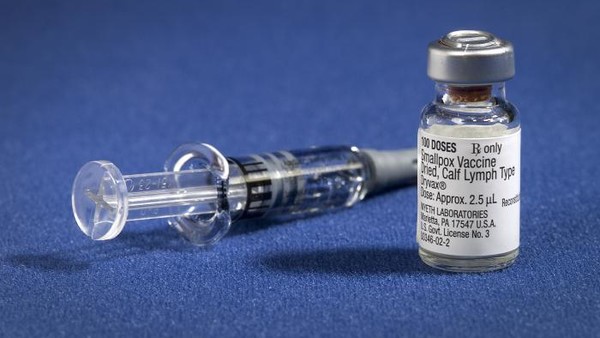
We’ve spoken about vaccine safety studies, ingredients, and herd immunity. We haven’t spoken vaccine inserts.
Anti-vaxxers who steadfast believe that vaccines are the cause of every illness, disease, and condition will often cite vaccine package inserts, VAERS (Vaccine Adverse Event Reporting System), or the NVICP as their supporting evidence, mostly because they contain big scary warnings, regardless of how rare the side effects are.
A package insert is a legally mandated document that must be created and distributed for all medications. It is not a scientific document and, though it does discuss the results of studies, it does not include summaries of all scientific research. It provides information on how a drug is to be administered and to whom. The package insert is the manufacturer complying with federal regulations mandated by the governing bodies in countries across the globe. Details of what needs to be included on a package insert can be found here, here and here.
It is important to note the "adverse events" section of a package insert is created based on the number of reports regarding a drug and an event. There does not need to be a casual or direct relationship between the two. In fact, vaccine package insert will state this itself, “Events were included in this list because of the seriousness or frequency of reporting. Because these events are reported voluntarily from a population of uncertain size, it is not always possible to reliably estimate their frequencies or to establish a causal relationship.”
Many of these reports are taken from places such as the VAERS database, the self-reported database of adverse events that follow any vaccinations. To quote the VAERS website, “Reports vary in quality and completeness. They often lack details and sometimes can have information that contains errors.” Package inserts legally need to state that information, just in case. For further information, The Logic of Science has a more detailed analysis.
The Hulk is even mentioned on VAERS, so maybe take it with a pinch of salt.
2. Myth: The "Big Pharma" Conspiracy
The plausibility of the “Big Pharma using vaccines to make people sick for profit” conspiracy is only plausible in countries with broken-beyond-repair healthcare systems. In a country like the United States, it’s somewhat easy to understand why Americans would think their healthcare system is out to get them. It’s a broken system that favours the rich and damns the poor.
In countries like Canada, the UK and Australia, places with socialised healthcare, the conspiracy doesn’t add up. In my home country of Australia our healthcare system to paid by taxpayer money. This means that if I need medication, I get it heavily subsidised and pay no more than $20, I don't pay to see a doctor and if I need to go to the hospital, I don’t pay for anything at all.
According to the “Big Pharma” conspiracy, the Australian government uses the taxes I pay to provide medication when I have an illness. That medication which will make me sicker, in order to put me in hospital, so I can be treated with more medication. The medication and hospital stay will also be paid for by the government using taxpayer’s money. This somehow equals “Big Pharma” getting money, which they will spend billions researching and developing more medication that will be used to make more people sick - all to be paid for by taxes.
Even if you were to take into account the broken American healthcare system, when you look at the effort it would take to enact a worldwide conspiracy where three or four pharmaceutical companies are spending money to bribe the world’s government, government staff, lawyers, doctors, nurses, pro-vaccine advocates, scientist, science students, academics, researchers, the list goes on.
Research conducted by Dr. David Robert Grimes suggests that large-scale conspiracies would be prone to completely unravelling within three or so years – unless you believed him to be paid off too.
1. Get The Facts On Getting Vaxxed
Vaccinations are not only medically responsible choice for ourselves and our families; they are an ethically responsible choice too. Protect ourselves and our community – after all, we are all a part of the wider community. Providing accurate and factual evidence regarding vaccination is also a moral and ethical responsibility. No conspiracies. No emotional appeals. Just the facts. A person cannot be fully informed without access to factual and accurate information.
Saying scientific consensus on vaccines is wrong because you read an article online is like saying your plumber can change a tyre, therefore, your mechanic is wrong. Not only that but then going out and spreading the ideas you read in that article, without verifying the information within it, is also unethical.
Want the facts on vaccination?
You can find information here or here or here or here or here or here or here or here or here or here or here or here or here or here or here or here or here or here or here or here or here, just to name a few places.
You could write for WhatCulture Science! Click here to find out how you could get paid to write about what you love.
If science gives you the warm fuzzies, like us on Facebook or follow us on Twitter to stay up to date.