15 Mind-Blowing Facts You Didn't Know About The Titanic

52,310 tons, 3,327 passengers, 103 years of fascination.

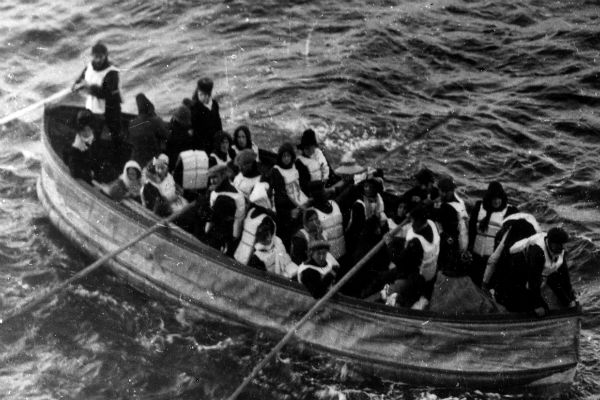
With 26 couples on their honeymoon and 3,327 people coming together from all different ways of life, the Titanic seemed like a dream for both the passengers and the crew. Everyone boarded the ship in 1912, praying for a smooth journey from Southampton to New York City. However, whether the ship was jinxed by not having a proper Christening or the victim of gross negligence the "Unsinkable" Titanic sank at 2.20am on April 15th 1912. The 1,000 feet high iceberg struck the right hand side of the ship at 11.40pm on the night of the 14th April, giving the crew members three hours to get everyone on board into lifeboats. Unfortunately, there weren't enough seats on the lifeboats for everyone. The ship was equipped to carry sixty-eight boats but only made room for twenty as it was thought that the deck would look too cluttered. This irresponsible decision resulted in the deaths of one third of the people on board.
"The sounds of people drowning are something that I can not describe to you, and neither can anyone else. Its the most dreadful sound and there is a terrible silence that follows it" - Eva Hart, survivor.
Whilst the ship was designed to withstand four compartments filled with water, six of these compartments were breached with no one to help the people on board. It took seventy four years to find the ship again, lying at the bottom of the ocean. So here are a few things that you might not have known about the Titanic and its tragic fate back in 1912.

15. The Families Of The Musicians Were Charged For Their Uniforms
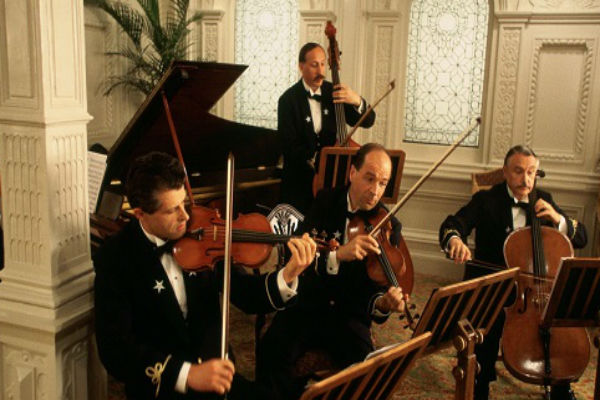
The musicians had an important role to play on the Titanic and their actions on the ship are still remembered to this day. The eight men that made up this band are now famous for their consideration of the other passengers and their cheerfulness in times of darkness. When staff were informed that the ship was sinking, the band took their instruments to the deck and refused a place on the lifeboats in order to play happy music in order to try and calm down passengers. They played together until until the end. But be prepared to feel angry about what happened next. White Star Line then billed the families of the band for the uniforms that they were wearing (and died in) when the ship sank. Hopefully, the families all wrote a very angry worded letter about this to White Star Line after receiving this ridiculously outrageous invoice.

14. A Lot Of People Refused Lifeboats
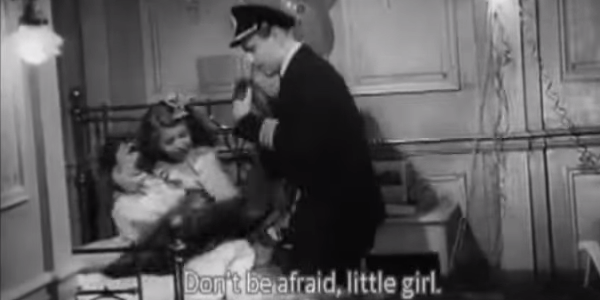
The Priest allocated to the Titanic to perform services and prayers during the ship's voyage was offered a place on a lifeboat, and twice he refused in order to listen to those who wanted to give confession as the ship was sinking. He remained calm, prayed for everyone on board and made those feel at peace with death by giving them the absolution they were desperately searching for. There were thirty engineers on the ship and again, not one of them left their position in order to get on a lifeboat. They stayed behind together in order to try and keep the power on for as long as possible so that people were able to see and get into the lifeboats safely.

13. The Baker Defied Death And Science
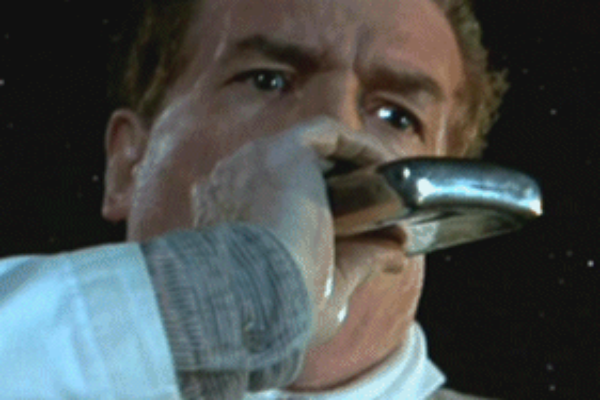
Charles John Joughin was the chief baker on the ship and drinking alcohol basically saved his life. When the ship collided with the iceberg, Joughin was off duty in his bunk and learned that the lifeboats were being prepared. He sent food up to the passengers whilst they were waiting on deck and helped a lot of women and children onto the lifeboats. He did so with some force as many of them felt safer on the unsinkable ship (the one that was sinking) as opposed to getting into the lifeboats that would actually save their lives. He was assigned to captain one of the lifeboats but refused in order to help more people. During this time he had a few mouthfuls of alcohol which probably saved his life. He was the last person on the Titanic once it went under the water and he was able to tread water for two hours until he found a lifeboat; except there weren't any seats on it. He was in the water for a grand total of six hours until he was rescued by the Carpathia. One of the cooks held his hand, pulling his torso out of the water until help came, but his lower half was fully submerged in the water. At the end of it all, he had swollen feet. Most people only survived around 15-45 minutes in the water which was -2 degrees, he lasted six hours. This guy was clearly a machine.

12. 5 Men Died In Service Of The Post Office
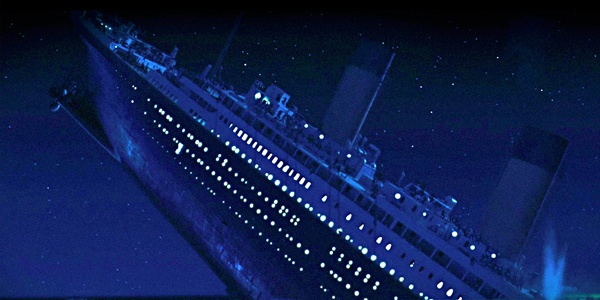
When an item is mailed, it is done so with the promise that it will be delivered safely. The RMS titanic (Royal Mail Service) was essentially a method of transporting mail from Britain to the USA. On board the ship were five mail clerks who were obligated to do their jobs no matter what, even if that meant delivering all of the mail that was lost on the ship when it sank - if they survived. This is a bit extreme but these guys took their jobs very seriously. If any mail was lost, the crew were held accountable for what happened to it. Which is why that when the ship was sinking, they died trying to drag five mail sacks up on deck in the hopes of passing them on to another a ship so that they would be delivered.

11. A Japanese Passenger Was Disgraced Upon His Arrival Home
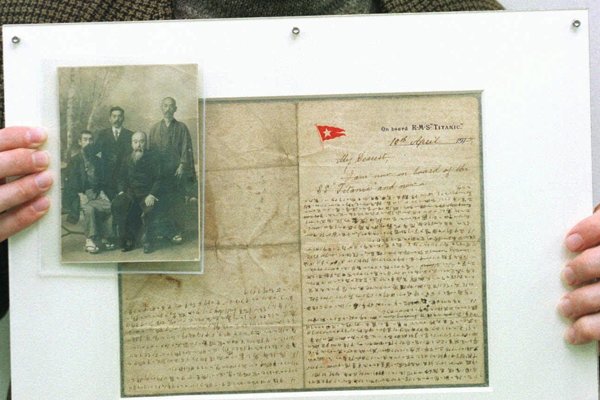
Masabumi Hosono was the only Japanese passenger on board the Titanic and survived the devastation that followed with her demise. "After the ship sank there came back again frightful shrills and cries of those drowning in the water. Our lifeboat too was filled with sobbing, weeping children and women worried about the safety of their husbands and fathers. And I, too, was as much depressed and miserable as they were, not knowing what would become of myself in the long run." - Hosono. He was able to board a lifeboat when he noticed that there was a spare seat. Could you say that you would do any different? However, upon his arrival home to Japan, he was ostracised from society, fired from his job and disgraced by the media because of his cowardly behaviour on board the ship. His people believed that he should have went down with the ship and offered someone else a place on the boat as he had betrayed the Samurai spirit of self sacrifice.

10. Captain Smith Failed His Navigation Exams
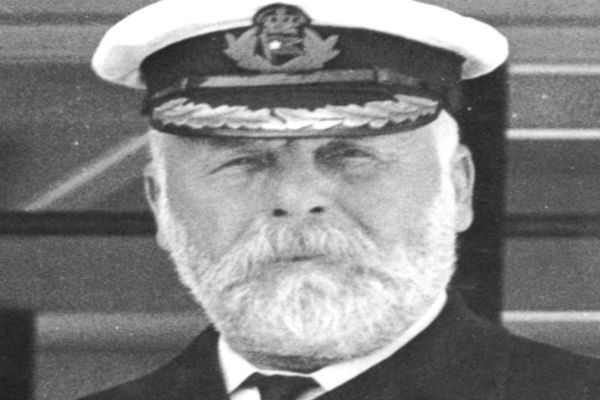
Edward John Smith was the captain of the Titanic and he was planning on making it his last journey before his retirement. Everyone believed that he had died a hero and he was nicknamed "the millionaire's captain" because of his reputation for smooth sailing and a lot of people refused to board a ship if he wasn't at the helm. He did his best to assist in the evacuation of the passengers on board the ship and at 2.20am declared that it was 'every man for himself.' He went down with the ship. However, many people think that Smith is to blame for the destruction of the White Star Liner. Perhaps his years of experience had led to confidence turned into arrogance as he continued to ignore six iceberg warnings whilst ploughing on at full speed ahead. He also failed his navigation exams the first time that he took them. Whatever version of Smith you want to believe is the true one, he died helping as many people as he could.

9. Even Now, You'd Probably Only Be Able To Afford A Steerage Ticket...
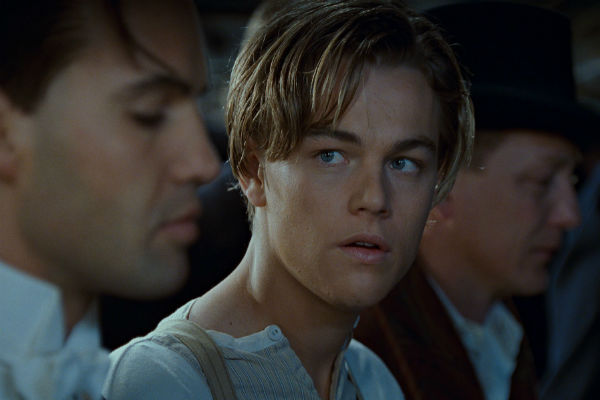
Whilst many of you would be happy to fork out £870 for an all inclusive, luxury holiday, this was the price of a First Class ticket in 1912. £870 is roughly the equivalent of £77,000 now in 2015. This was for the parlour suite and having been designed around the decor of the Ritz, you wouldn't expect anything less than decadent with lavish chambers. The average price for a Second Class ticket was £12 which is around £1000 now. Although you wouldn't have had access to the salt water swimming pools, the barbershop and dog kennels like they did in First Class, you would have a library and some enclosed promenades. A Third Class ticket was between £3-£7 ranging from £300 to £600 today. White Star Line considered their Third Class ticket holders to be sleeping in luxury as they had their own cabins, they ate dinner on chairs as opposed to benches and it was basically to encourage people to travel using White Star Line facilities. Other starliners made Third Class passengers bring their own food whereas the Titanic provided it for them. There was only two bathtubs for the 700 passengers though, one for women and one for men. Each ticket holder was allocated to particular areas of the ship, meaning that a Third Class passenger didn't have the same privileges as First Class passengers - White Star Line didn't want the rich mingling with the poor, or even looking at them for that matter. This is why so many people died below decks when the ship was sinking as there were gates to divide the Classes, meaning that Third Class passengers were locked below decks, not knowing what was going on until the ship started to flood.

8. The Nazi's Made A Film About It

There have beeb plenty of film's made about the Titanic, and the earliest one was released a mere twenty nine days after it sank. The protagonist of the film was actually an actress who was aboard the ship and survived. Saved From The Titanic was co written and starred the survivor, Dorothy Gibson. However there was also a German propaganda film released in 1944 about the sinking of the Titanic where a Nazi German First Officer (who is purely fictitious) is the hero of the story, saving many lives. The British are of course portrayed as the villains who are blinded by their own greed which ultimately destroys them and the ship. James Cameron's 1997 adaptation is obviously the most famous and the most successful, making Kate Winslet and Leonardo DiCaprio household names. It won 11 academy awards and has been making people cry for years because she never let go. Cameron also remained true to the actual ship as the running length is two hours forty minutes - the length of time it took for the ship to sink and the actual collision scene is thirty seven seconds long - the same time it took in 1912.

7. The Fate Of The Titanic Was Predicted

By more than one person. Morgan Robertson wrote a book in 1898 about an unsinkable ship that crashed into an iceberg and sank. The ship in the book was called 'The Titan.' William T Stead, a journalist, also wrote a fictional story about an Atlantic mail steamer hitting an iceberg and then not having enough lifeboats to accommodate all of the passengers. The story was indeed a satire in an attempt to shame the government about their safety regulations which do not require ships to hold enough lifeboats for everyone on board. Although the Titanic did carry more than what was legally required, it still wasn't enough, both literally and morally. Elizabeth Schutes is a woman who has proven that you should trust your instincts, or at the very least, your sense of smell. A passenger on board the Titanic, Elizabeth claimed that she couldn't sleep because she was disturbed by the strong smell of ice that reminded her of a large ice cave that she had previously visited. Although she trusted the ship's size and stature, she knew that Mother Nature was not a force to be reckoned with. She survived.

6. The Titanic Had Its Own Newspaper

As well as swimming pools, Turkish baths and dog kennels, the Titanic also had its own daily newspaper. The Atlantic Daily Bulletin was available for those on board who wanted to know what the menu was for dinner that night, the latest gossip circulating society, stock prices, horse racing results as well as actual news from around the world. The newspaper is still in circulation. It is issued quarterly and is sent free to members of the British Titanic Society. It keeps members up to date with new information about the ship and you can even submit your own articles to be published.

5. The Staff Were Clueless About What To Do If The Ship Actually Sank
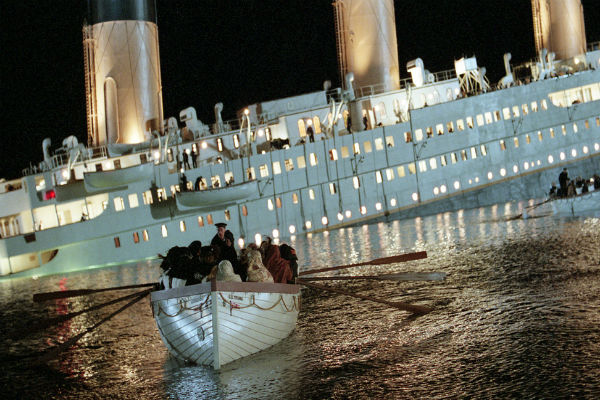
Two thirds of the staff perished on board the Titanic. On the day that the Titanic sank, there was supposed to be a lifeboat drill for staff and passengers, so that in the cases of an emergency, everyone knew how to get into the lifeboats safely, and the staff knew how to lower them down into the water. Whilst it is unknown as to why the drill was cancelled, theorists have considered the cancellation as a request from the passengers who thought it was unnecessary on an 'unsinkable ship.' The deck space was already cluttered enough with lifeboats that weren't needed and could only fit in half of the people on board. So when the ship did sink, whose lives were considered to be more important? Women and children were given priority but because the staff had no idea on the capacity of the lifeboats, they were people who died because of this lack of knowledge. In one boat that could have filled forty people, there was a grand total of twelve, seven being crew members and five passengers. Others had the capacity of sixty five and officers were only allowing twenty four people to get in. Don't worry though, because some dogs were also saved from the sinking ship. The Third Class passengers really didn't have a chance.

4. Some Women Took Control

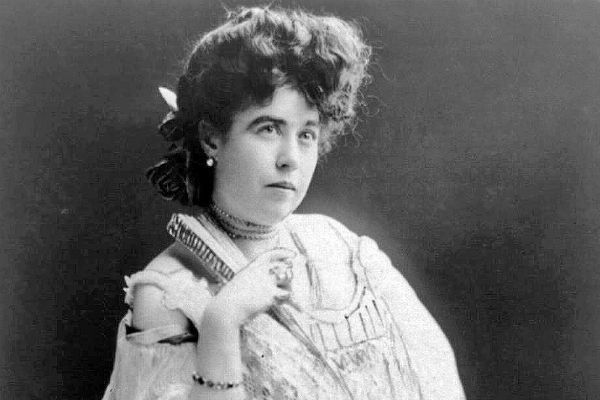
Known as the Unsinkable Molly Brown because she actually took control of the situation she was in better than some of the men and when you consider the social and gender politics of the time, this made her a pretty big deal. Margaret helped evacuate passengers from the Titanic, took charge of an oar to row the lifeboat to safety and she then ordered officers to go back to the ship to pick up other survivors. Despite being a First Class passenger on board the Titanic, she wasn't always rich which made her so down to earth. She was also a leading philanthropist and activist for women's rights and she was lucky enough to marry for love as opposed to leverage, but he became rich through the mining industry later on. "I wanted a rich man, but I loved Jim Brown. I thought about how I wanted comfort for my father and how I had determined to stay single until a man presented himself who could give to the tired old man the things I longed for him. Jim was as poor as we were, and had no better chance in life. I struggled hard with myself in those days. I loved Jim, but he was poor. Finally, I decided that I'd be better off with a poor man whom I loved than with a wealthy one whose money had attracted me. So I married Jim Brown." - Molly Brown. Other women decided to refuse a place on a lifeboat in order to stay with their loved ones. Rosalie Ida Straus decided to stay with her husband on board the ship when it was evident that men were not able to get a seat on the lifeboats. Her husband Isidor was the co-owner of Macy's and one of the wealthiest people onboard.

3. James Cameron's Film Cost More To Make Than The Actual Ship
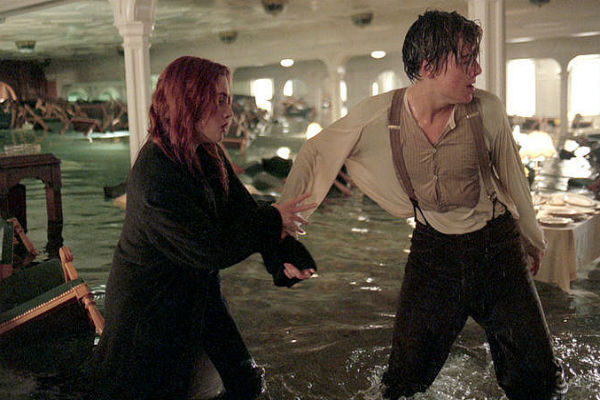
With 10,000 lightbulbs, 40,000 eggs and 1,000 bottles of wine on board, the Titanic set sail for its maiden voyage. But how much did it actually cost to make? The ship itself cost around £1,500,000 to make over a period of three years. Two people died during the process and this included the help of twenty horses to move parts of the ship, such as the main anchor. The ship was built to be as luxurious as possible and of course, to be unsinkable. James Cameron's 1997 film Titanic cost $200 million to make. Until 2009, it was the highest grossing movie of all time.

2. There Was A Similar Couple To Jack And Rose

Whilst James Cameron's film centers around the tragedy of the Titanic, you mainly remember the story of Jack and Rose; the hand print she leaves on the car and the fact that there was definitely room for two on the raft. Henry Morley was a wealthy middle aged man who employed a teenager called Kate Florence Phillips in his shop as his assistant. Despite Morley being married with children, the pair fell in love and he made plans to leave his wife for young Kate. The couple boarded the Titanic with hopes to elope to America and during the voyage, he presented her with a sapphire necklace. Whilst Kate survived in one of the lifeboats, Morley died and she had his child nine months later. A daughter named Ellen who still has her mother's necklace as well as her key to their cabin.

1. The Youngest Victim Was Nineteen Months Old
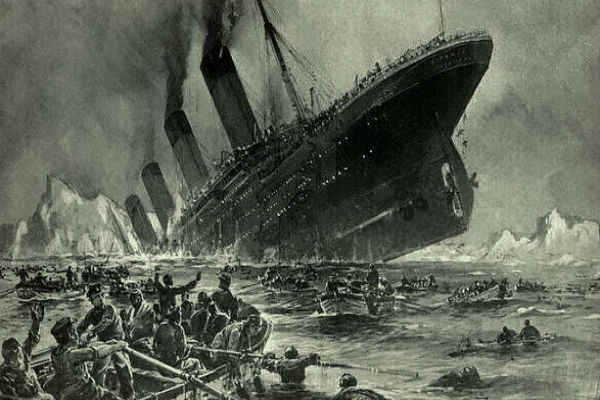
1,517 people died that morning in some of the harshest conditions imaginable. Women and children were ripped from the men in their lives and despite the fact that they were safe on a lifeboat, they were freezing cold, giving up hope and then had to endure endless screams of those in the water. And then the deathly silence. The youngest person to perish was a nineteen month old baby named Sidney Leslie Goodwin and fifty children died in total; one child was from First Class and the others from steerage. 80% of the dead were men, 20% were female and a total of three hundred and thirty three bodies were recovered from the sea. White Star Line built another star liner after the Titanic. It also sank. If you have any other facts about the Titanic, write them in the thread below. Everyday's a school day.

In this post: 
Titanic
 
Posted On: 
Contributor

Lover of Tolkien's world, Harry Potter and baked goods. A camel once put his head on my shoulder and it was the best day ever. sara@whatculture.com