8 Stephen King Tropes And What They Really Mean

Why no character is safe from the sharp end of Stephen King's pen...
When it comes to literary tropes, Stephen must surely be King. King has written so much material that tropes would likely manifest themselves in his work even if they weren't intended. But many of King's tropes are intended. Over the years (and across more than fifty novels and more than ten short story collections) King has masterfully cultivated his themes, motifs, settings and characters, blending each of these elements into one massive, cohesive world. When it comes to horror fiction, there are certain things that readers have come to expect. Many of these were popularised by King, and even today he continues to perfect and subvert expectations. But while we often recognise (and are quite frankly comforted by) King's repeated tropes, it's easy to enjoy them without really stopping to consider what they mean. After all, one of the great things about literature is that it can hide its meaning sub-textually €“ beneath the surface. And that's one of the things that Stephen King does best.

8. The Protagonist Is A Writer

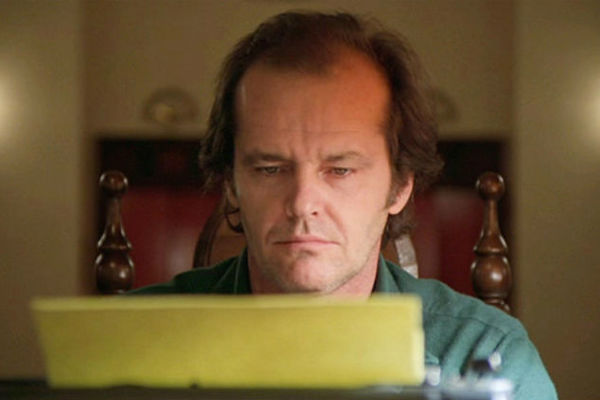
What It Is: Sometimes art reflects reality. In these instances, King's main characters are writers, just like King himself. This is notably seen in 1998's Bag Of Bones (featuring a writer named Mike Noonan who is suffering writer's block) and 1987's Misery (featuring a writer named Paul Sheldon who is held prisoner by an obsessed fan). That being said, there are plenty of other examples, like Salem's Lot, The Shining and 1408. What It Means: There might be some truth to Mike Noonan's plight in 1998's Bag Of Bones. In the novel, Noonan's writer's block is agonizing €“ it's pretty much impossible for him to write anything but his laundry list. On a practical level, King's writing about writers allows him to pour certain real-life frustrations and aspirations into his characters. These details come from a very tangible place, and so they give King's characters an increased amount of believability.
As a trope, writers tend to be the uninteresting, rather mundane protagonist that so many author's love. They're useful for multiple reasons, including the fact that they're more susceptible to the belief in the strange and peculiar, purely because many of them spend a whole lot of time writing about those very things. It also makes sense for writer characters to have complex internal monologues, as they're generally seen is intelligent, even if they are supposed to be boring.

7. The Bittersweet Ending

What It Is: At the end of most King novels, the good guys come out on top. That being said, these victories don't come without a cost, whether emotional, physical or something else€ A bittersweet ending is one that on the surface appears good, but deep down is maybe not such a victory after all. What It Means: In the real world, nothing is black and white or cut and dry, and King's novels tend to masterfully portray that. Even unanimous victories are fleeting, and after the pleasures of success fade, reality creeps back in. Take The Shining, for example. A lesser horror writer would likely have written the possessed Jack Torrance as purely a force of evil, or written his defeat as triumphant. The novel, however, ends with Jack telling Danny that he loves him, and travels forward a year to show us that Danny is still deeply grieved over his father's death. Another example comes at the end of Carrie. When it seems like Carrie's telekinetic threat has died with Carrie herself, the novel ends on a letter from a woman to her sister detailing her daughter's strange powers. That's Stephen King's reality. Everybody pays the price, and victory only lasts a moment.

6. Anyone Can Die At Any Time

What It Is: If you're a Stephen King fan, by now you've learned not to get attached to certain characters. At any point in any particular novel €“ whether front and centre or fleeting €“ characters are very much at risk of suffering their own mortality. What It Means: King is a horror writer. Horror is founded on truth. Perhaps not literal truth, but a grander truth. It reveals human nature in all its many flaws and intricacies. As King himself said: €œFiction is the truth inside the lie.€ This is never more true than in horror. For this reason, King's characters are expendable. In reality, people don't always live even though they're good or just €“ sometimes life randomly chooses to snuff them out.
The same goes for characters in King's novels, which makes the experience of reading his stories so much more visceral (and heartbreaking).

5. Insane Levels Of Continuity

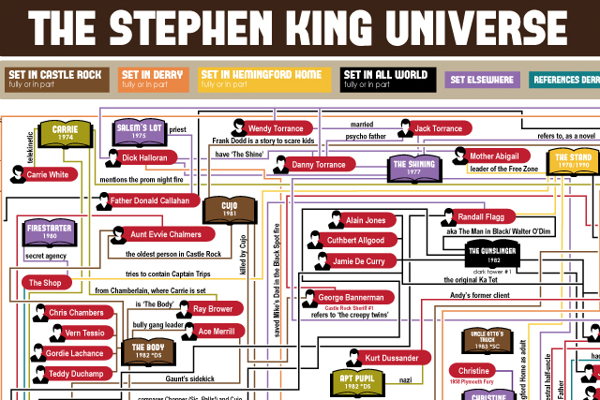
What It Is: Continuity is the maintenance of detail over several different narratives. In essence, continuity is whenever two or more books are consistent about the same places, characters or subjects. An example of this: IT, Dreamcatcher, Insomnia and 11/22/63 are all set in Derry, Maine. In Dreamcatcher, graffiti is seen on a wall that reads €œPennywise lives!€ €“ a clear reference to Pennywise the Clown from IT. What It Means: It would be quite possible to write an entire essay on the continuity in Stephen King's novels. The world is so vast and interconnected that it would require an immense amount of analysis to complete (largely owing to King's insane levels of productivity). In essence, King's continuity is self-sustaining. By maintaining continuity, King heightens the strange, surreal quality of each individual novel. A reference to Pennywise in Dreamcatcher reminds the reader that quite literally anything can happen in King's world, and evokes a sense of dread.
This also rewards fans for reading many of King's books. Not only that, but it encourages multiple readings, as some continuity references may not initially be clear (or may only become clear once someone has gone away and read something else).

4. Spiders (Or Spider-like Monsters)

What It Is: Spiders €“ so many people hate them, Stephen King included. For all King's terrifying creations, he still includes (and builds upon) plain old spiders. Examples of this are seen in The Mist, which feature spider-like monsters known as Grey Widowers that can produce corrosive spider webs, and IT, which sees Pennywise show up as its true form, a giant spider. What It Means: Though there are plenty of debates over what Pennywise becoming a giant spider really means (many interpret this as a sign of the children growing up and learning to face their fears in rational ways that they understand) it's clear what spiders in King's novels represent on a larger scale. Throughout his novels, Stephen King comes up with all kinds of horrifying abominations, like He Walks Behind The Rows in Children Of The Corn, Kurt Barlow in Salem's Lot and The Leatherheads in Under The Dome. As scary as these monsters are, it's possible to remind yourself of their unreality €“ they're fictitious, they're invented, they can't harm you. Spiders, on the other hand, are a terror that spring from the real world. Like many of King's best writing qualities, they're founded on truth. They're something that the reader can't tell themselves isn't real.
There's also the fact they're written with genuine fear. King is a self-confessed arachnophobe, so this allows him to write incredibly detailed and believable reactions, as well as to hone in on aspects that are particularly scary.

3. Homicidal Machines

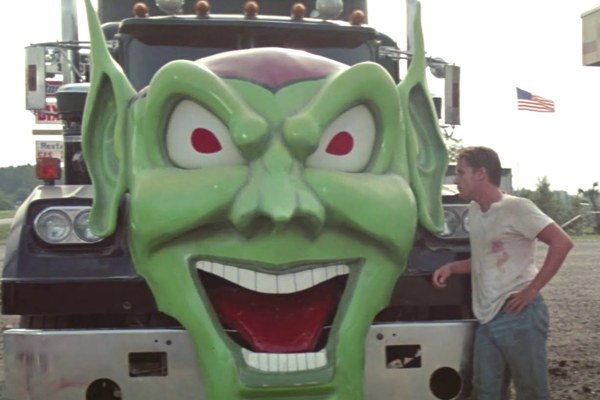
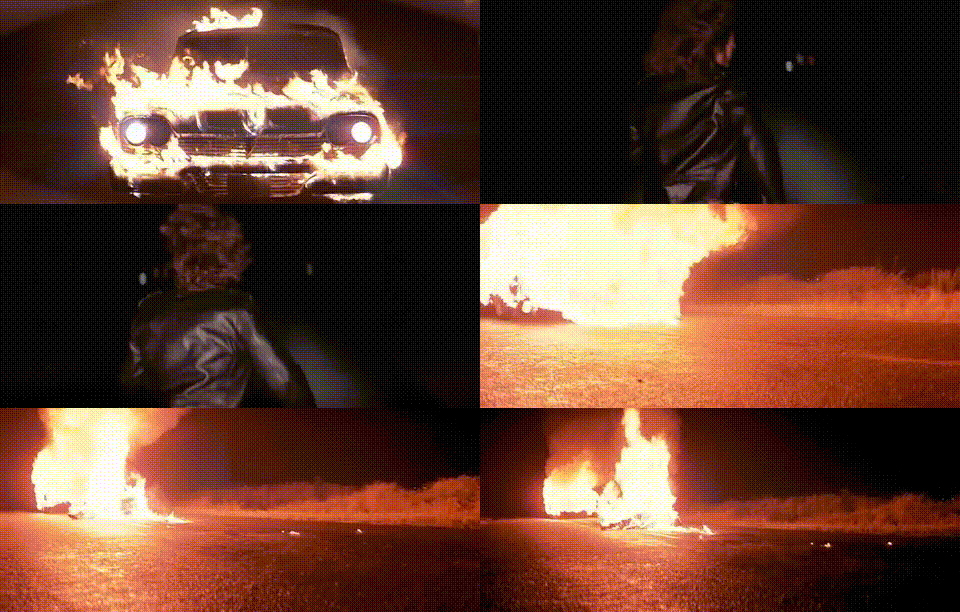
What It Is: Machines that come alive and try to kill people. There's a surprising number of examples throughout King's work, including Blaine The Mono (a suicidal monorail) from The Dark Tower series, Christine the vintage car from Christine (think David Hasselhoff's Knight Rider only less camp and more terrifying) and pretty much everything electrical in Maximum Overdrive. What It Means: King takes something we all believe to be safe and turns it into something to fear. The best horror takes something from reality that you wouldn't normally be afraid of and twists it slightly, completely disorienting the reader. Not only that, but this plays on the world's already underlying fear of technology. All too often to we hear of machinery failing (plane crashes, electrical devices short-circuiting) and killing people, from individuals to massive losses of life.
The Homicidal Machine trope is King's way of subverting our present technological anxieties, exaggerating them so that we have no choice but to face them.

2. Danger To Children

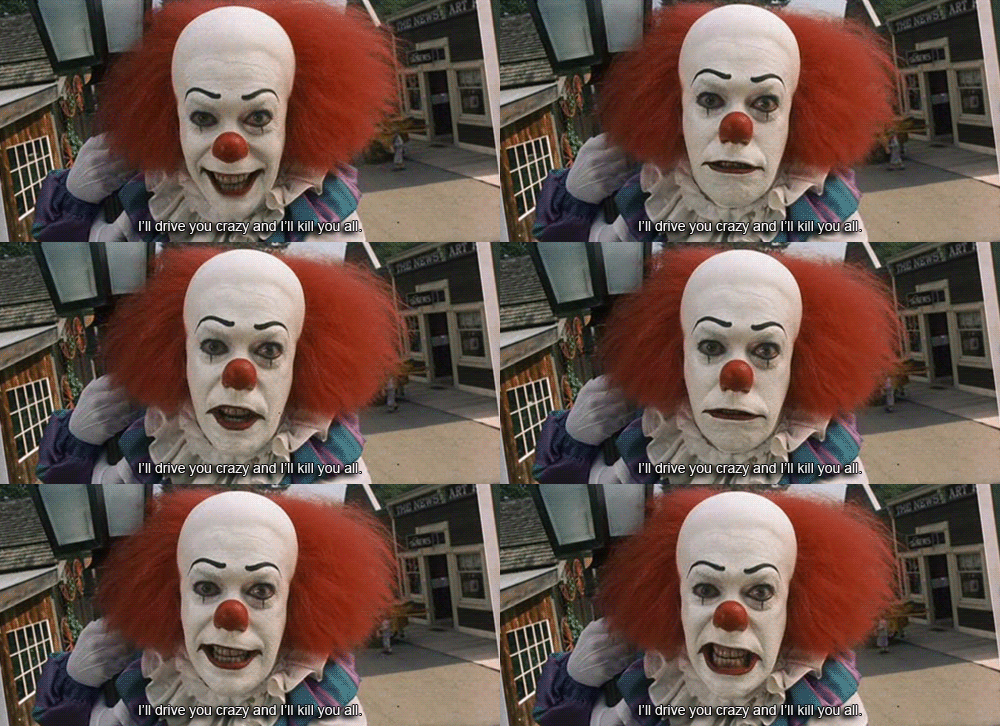
What It Is: Throughout King's novels, children are often the target of attack, kidnap, abuse or murder. Probably the most famous example is found in IT, which sees seven children terrorized by Pennywise the Clown. It's not uncommon for King's villains to specifically want to harm children for their own personal enjoyment. What It Means: Children are used by King in multiple ways. For a start, they're a way of heightening the depravity of a villain. Any villain who wants to hurt or make suffer a child is clearly on the psychotic end of the spectrum. To many, children represent total innocence before the reality of adulthood. Threatening or harming a child, then, is a way of showing total and utter evil.
But that's not all. Children are often depicted as capable of much more than adults in the face of the supernatural. Whereas adults have an established idea of reality, children's reality tends to be fluid, and open to expanding. This allows children to face horrors that adults are unable to perceive, or cannot fight against.

1. Being Billed Above The Title

What It Is: This one isn't so much a literary trope as it is a marketing trope, but it's still very interesting nevertheless. Pick up any Stephen King novel you own (or that you see for sale in shops) and you'll notice that King's name far, far eclipses the title of the work itself. What It Means: Stephen King is such a celebrated, popular writer that his name is now more valuable than the vast majority of his individual works. While you might think this is common, a look at works by comparatively prolific, popular writers like James Patterson and Dean Koontz shows this is by far much more exaggerated on King's books. Curiously, this has also created problems for certain film-makers and marketing departments. Over the years, King has had a huge number of his novels and short stories adapted into films or television series. In the case of the likes of Stand By Me and The Shawshank Redemption, film-makers and film studios have desperately attempted to remove King's name from the marketing, as most people who see King's name immediately associate him with horror.

Contributor
Contributor

Commonly found reading, sitting firmly in a seat at the cinema (bottle of water and a Freddo bar, please) or listening to the Mountain Goats.