9 Bad Habits That Science Says Are Good For You
Drinkin', fightin' and cussin' - behave like a cowboy and live forever.

Hey, we're all human and, no matter what we tell our doctors, our mums or our significant others, we've all got a few bad habits. Never despair, however, as science is on our side, and it turns out that some of these so called "bad habits" could actually b good for you.
This doesn't mean that all of your bad habits are good; if you still insist on scattering your toenail clippings about the house, or use your roommate's clipper to trim your downstairs area, you're still a terrible person, but there are a few vices out there that science gives a free pass.
Now, you no longer have to expend your precious energy and willpower to resist the urge to drink and swear like an old timey sailor, tell the odd little white lie, or skip your morning shower in favour of another ten precious minutes in bed. What's more, when anyone tries to guilt you for your slovenly disregard for society's rules, you can hit them with some science based truth bombs and go back to eating pizza, playing video games and drinking wine through a straw. Take that, The Man.
So which of your bad habits are virtues in disguise, and which one are just, well, bad?
9. Biting Your Nails
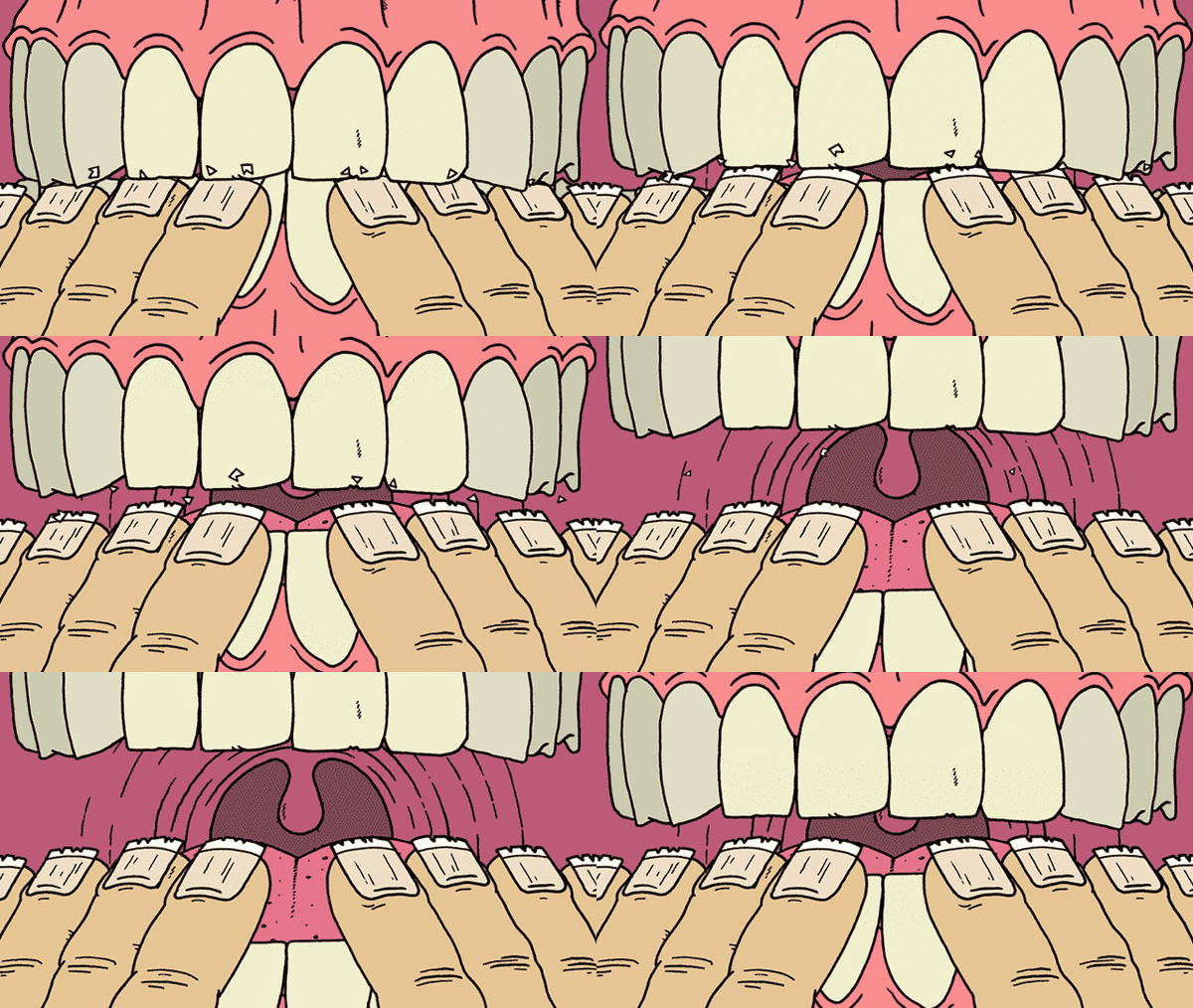
If you're a nail biter, you'll probably have been told that it's dirty and a disgusting way to introduce bacteria into your system.
Incidentally, it is for this exact reason that nail biting might actually be good for you.
A study in Pediatrics found that kids who bit their nails or sucked their thumbs were less likely to develop asthma and allergies and had generally stronger immune systems. It could be that the constant stream of bacteria being introduced into the body was giving the immune system plenty of exercise as it had to ward of the onslaught of infection.
This said, it is by no means advisable to take up the habit, there are plenty of downsides, but if it's a habit you already have then you can take some comfort from your mad powerful immune system.
8. Fighting

Okay, maybe fighting isn't exactly good for your health, but the evidence found in the very structure of the human body suggests that it's something that is probably just in our nature.
Getting punched in the face is no fun at all. Thankfully, it's not the end of the world, and that's because the human face has evolved to be able to take a hit - particularly if you're a dude. The facial bones in men seem to differ from the female face to specifically protect it against blows with a fist, being thicker, sturdier and flatter.
As we all know, evolution is an arms race, and it is thought that our faces evolved to be punched in response to our hands evolving to do the punching. Our hands are using impossibly delicate and precise instruments, but when balled into a fist, because a deadly clubbing weapon. This is something unique to humans, as apes are incapable of balling their hands into fists, due to their longer palms.
Fist fights are just part of the human condition, but just pick on someone your own size.
7. Cheating On Your Diet

Try as hard as you like to be healthy - living on lemon water, lettuce and avocado toast, or whatever it is the beautiful people eat - there will always come a day when all you can think about is a great big pizza, dripping in melted cheese. Giving in to temptation will make you guilty, resisting will make you miserable, so what to do?
Good news, the odd cheat meal is actually a pretty solid healthy-eating tactic. A lot of nutrition experts will agree that the 90/10 rule - that is, 90% of your diet should be "good" and 10% "bad" - can help you stay on the straight and narrow without wanting to stab celery sticks in your eyes and without sliding back into bad habits.
As well as giving you a psychological boost, the occasional dietary splurge could actually help keep your metabolism on its toes, by shaking up your leptin levels (that's the hormone that controls appetite and energy levels) and preventing your body from completely adjusting to a life of salad.
6. Lying

Lying is amazingly universally reviled, considering that it's something that literally everyone does. That's not an accusation, by the way, if you didn't lie on a pretty regular basis there would be something wrong with you, and you almost certainly wouldn't have any friends.
A now famous 2002 study by psychology professor Robert Feldman, found that people will lie about three times a minute in conversation with strangers. If that seems a lot, then a lot of experts think that the actual figure is even higher, but people tend to underreport and lie about their lying.
This constant lying is something of a social contract between humans. We all know that if someone asks whether you think they've put on weight or what you think of their hideous new haircut, they don't want to to be honest, they want you to be nice. People who don't tell these socially accepted lies are seen as antisocial, bitchy and rude.
Lying has a complex social function. It can get us out of awkward situations, diffuse tension, protect others and even forge friendships and the world would be a terrible place without it.
5. Fidgeting
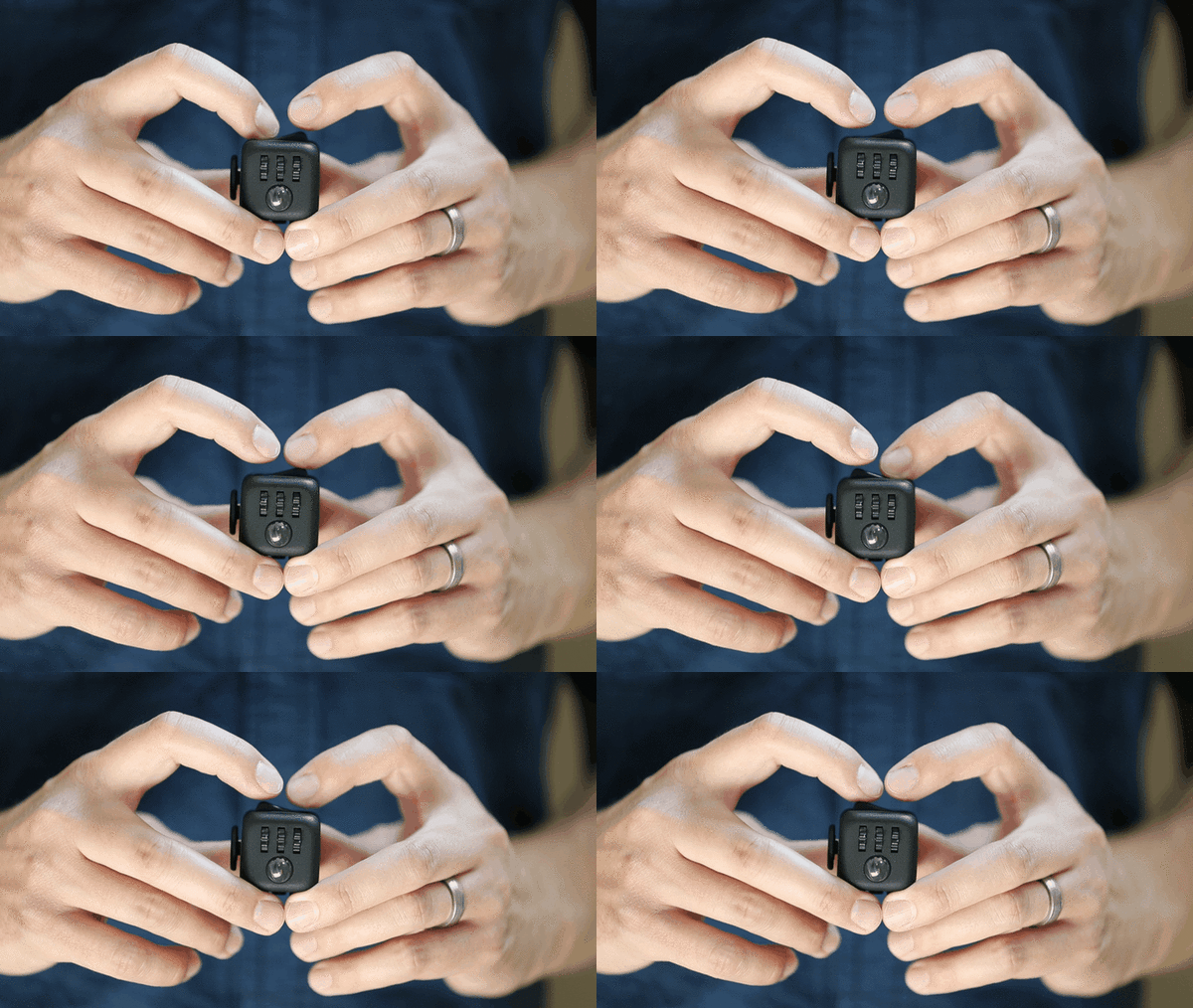
Are you that person who is constantly jiggling their legs, tapping their fingers and generally fidgeting?
Well, despite probably having spent your entire life being irritably snapped at and told to sit still, you've probably done yourself the world of good. Sitting down is astonishingly bad for you, and some experts think that our sedentary lifestyles could be knocking years off our lives. There is hope, however, as habitual fidgeting could well undo a lot of the damage caused by sitting at a desk all day and actually increase you life expectancy.
As well as giving you a long and happy life, fidgety kids could actually be boosting their brainpower, particularly those with ADHD. It seems as though the worst thing you can do to get a kid to focus, is get them to sit still and listen quietly, as being allowed to move about and goof around actually increases their focus and attention.
If you're a chronic fidgeter, you can even buy a Fidget Cube desk toy designed purely to be fidgeted with.
4. Skipping A Shower

First things first, don't throw away the soap just yet. Washing less is not the same as not washing at all.
It might feel great, but showering every day is actually not all that good for you. Daily scrubbing with soaps and shampoos will strip your skin and hair of its natural oils and dry you out. Even plain old hot water will wash away too much of the good stuff if used too often.
As well as washing away the oils, daily scrubbing also strips your body of bacteria. We all know about the "good" bacteria in our guts, but your skin is also home to another microbiome of its own. When this is in balance, the "good" bacteria inhibit the proliferation of the "bad" bacteria, but get rid of too many good bacteria and the bad ones could run rampant.
So long as you have a quick wash of the key areas on the regs, and remember to apply deodorant, you can probably skip the morning shower every other day and grab some extra snooze time.
3. Playing Video Games

There's plenty of hand-wringing and pearl-clutching surrounding discussions about gaming but, despite their reputation for corrupting tender young minds, studies tend to show that they're actually good for your brain.
Regular, moderate gaming can improve skills such as spatial visualisation and hand-eye coordination, increasing gamers' ability to do things such as mentally rotating two- and three-dimensional images. It can also improve scores of attention, cognition, reaction and perception, which makes sense if you think about how often games demand those skills from players. These are all skills required in "real world" learning, and help to keep the brain active and adaptable.
As well as helping to keep the mind active, video games have also found a surprising therapeutic application, as children undergoing chemotherapy need fewer painkillers if they game during treatment.
2. Drinking

Okay, maybe we were exaggerating a bit when we said that you can justify drinking wine through a straw, but there is some evidence to suggest that a bit of booze could actually be good for you.
Studies are increasingly beginning to show the health benefits of moderate (and that means moderate) alcohol consumption. A couple of drinks here and there could support cardiovascular health and even offer some protective benefits against neurodegenerative diseases such as Alzheimer's and Parkinson's.
Not to mention that a lot of alcoholic beverages contain a load of antioxidants and nutrients such as vitamin B6. This, of course, depends on whether your chosen tipple is a heart ale or a Smirnoff Ice.
The key here is that the health benefits are conferred by moderate drinking, which is about 1-2 glasses of beer or wine a day. And no, saving up your servings and getting mortal at the weekend isn't the same thing, but a quiet beer after work isn't such a bad habit after all.
1. Swearing

Whether you're now squeaky clean or a total potty mouth now, we've all received a quick clip around the ear for bad language as kids. Too bad really, as swearing is pretty good for you.
Having a good old swear is famously great for increasing your pain threshold. In experiments, participants found that they were able to hold their hands in ice water (an experience that is incredibly painful without causing any lasting damage) for as much as twice as long when they were allowed to swear, as opposed to saying neutral words.
Swearing is also a powerful tool in social bonding as well as helping to reduce stress and lower anxiety. So, swear away, but maybe not in front of your mum.
You could write for WhatCulture Science! Click here to find out how you could get paid to write about what you love.
If science gives you the warm fuzzies, like us on Facebook or follow us on Twitter to stay up to date.