9 Unethical Psychological Experiments That Actually Happened
"Let's give this elephant a massive overdose of LSD. You know, for science."

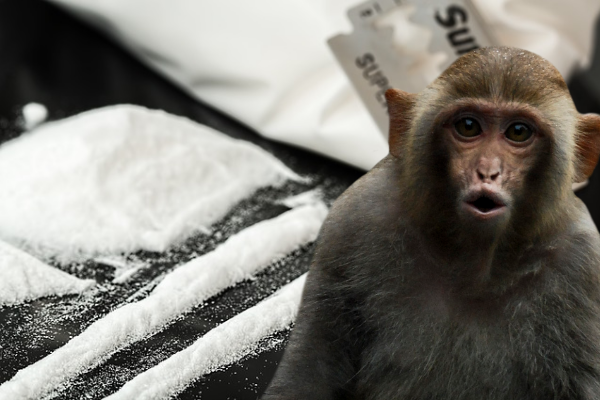
9. Animal Drug Addiction Experiments
8. The Three Christs of Ypsilanti

7. Milgrams Obedience Experiments
In 1963 Dr Stanley Milgram became known forevermore in the world of pop psychology as that bloke who made people electrocute each other. In actual fact, his study examined whether the Nazi atrocities of the 1940s were simply a result of servicemen doing as they were told. Cheerful stuff. All participants were assigned the role of teacher and told that they were administering electric shocks to another volunteer (the learner) located in the other room. The shocks incremented by 15 volts and were marked with labels such as Strong Shock and Danger: Severe Shock (pictured). However, the final three were simply marked with some ominous looking X symbols. As the voltage intensified, the learner would scream, bang on the wall, complain about his dickie heart and eventually fall silent and yet, despite feeling incredibly uncomfortable, 65% of participants went all the way to the full 450V shock with little persuasion from the experimenter. One participant became so stressed by the thought that he was electrocuting someone to death that he had an epileptic fit. Of course, there wasnt really any learner receiving the shocks. A tape recording was used instead, and you cant kill a tape recording. To cap it all off, it turns out that the experiment might not have been as fruitful as first thought. It became apparent that the experimenters coerced the participants by insisting 25 times or more that they should continue. Furthermore, the study was repeated dozens of times and, in many cases, the obedient murderers were in the minority. It might well be that Milgram made hundreds of people temporarily think they were cold-blooded killers and didnt even have anything to show for it, despite his initial claims.6. Elephant On LSD

5. Elliotts Eye Colour Experiment

4. Schizophrenia Medication Experiment
Sometimes an experiment with the best intentions can find itself in unethical territory simply by lacking foresight. This was the case with a 1991 study into schizophrenia medication at the University of California, Los Angeles. Experimenters were interested in how schizophrenic patients would cope without medication. Half of the voluntary participants were switched from their regular doses to a placebo. However, the patients and their peers had not been warned of the potential effects. Either that or the experimenters were finishing every other sentence with What could possibly go wrong? and didnt even see the dangers themselves. The participants were told to inform the study leaders if there was a significant return of symptoms, at which point they would be removed from the study and some high intensity medication would be administered to help them recover. However, significant return turned out to be a disastrously subjective term. As a direct result of the experiment, one patient wound up threatening to murder his parents. Worse still was the case of Tony LaMadrid who leapt from a sixth storey classroom after a period of suicidal feelings. Evidently the experimenters got a tragically unexpected answer to their question.3. The Case of David Reimer

2. Zimbardos Stanford Prison Experiment

1. The Case of Little Albert
