10 Reasons To Love WWE Survivor Series

If you don't love the Survivor Series, you don't love wrestling.
Survivor Series is coming two weeks from this Sunday, and will be shown for free on the WWE Network as part of a one-month promotion from the WWE. This will be the second pay per view in a row for WWE without a match (or even an appearance) from the WWE World Heavyweight Champion Brock Lesnar, which will again temper expectations for the show, although the price sure seems to be right. Instead of a championship match, the main event will be a traditional 5-on-5 Survivor Series elimination match, with Team Authority taking on Team Cena. Vince McMahon added a stipulation to the match that if Team Authority loses, Triple H and Stephanie are out of power in the WWE. Seth Rollins and Kane have already been confirmed for Team Authority, with Rusev, Mark Henry and Triple H himself likely to round out the team. Team Cena has (naturally) John Cena as the captain, and Dolph Ziggler joined this Monday. Big Show has made his intentions known that he wanted to join Team Cena, with Sheamus and Ryback possibly rounding out the team. Even without a championship match, there€™s plenty to love about one of the oldest pay per views in WWE history. Here is a list of 10 things we all love about the Survivor Series.

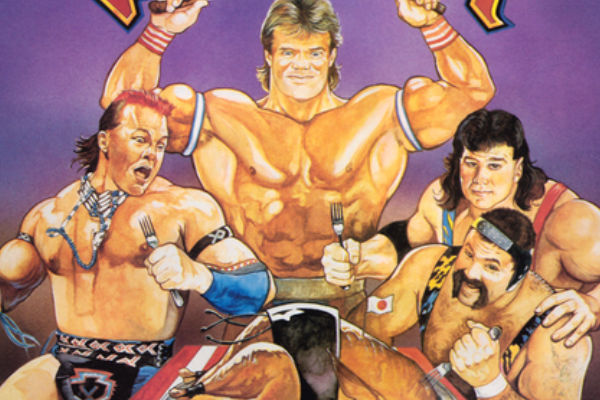
10. It's A Part Of Madison Square Garden History
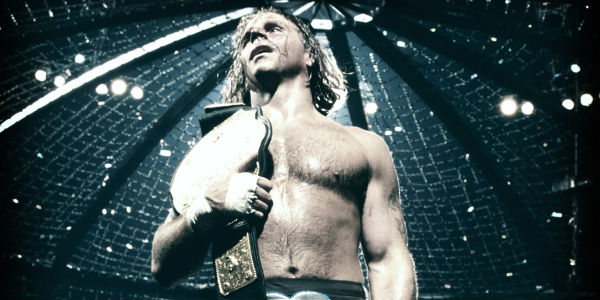
Madison Square Garden is the world€™s most famous arena, and the home base for the WWE. Although it€™s been cheaper to run in the nearby Barclay€™s Center in Brooklyn for Raws and Pay Per Views, there€™s still something special about that place, so much so that Vince McMahon attends house shows there, something he does at no other arena. When we look at Madison Square Garden in relation to WWE history, the Survivor Series plays a big part in that history. The 1996 Survivor Series featured a main event of Shawn Michaels defending the WWF Championship against Psycho Sid. That match was notable for the home crowd overwhelmingly turning on the #1 babyface in the company and cheering the heel Sid. It would be a prelude to the Bret Hart dynamic the next year, and even the hijacking of televised events that we€™ve seen this past year. That show was also notable for the first-time meeting between Bret Hart and Steve Austin that, from a pure wrestling point of view, may be a better match than their classic Wrestlemania 13 encounter. Another huge event was the 2002 edition of Survivor Series, which saw Shawn Michaels win his final World championship (and his first in five years) in the first-ever Elimination Chamber. That event also saw Brock Lesnar suffer his first defeat as he lost the WWF Championship to the Big Show after Paul Heyman turned on him. All in all, five championships changed hands that evening. The year 2011 saw Madison Square Garden host its first Pay Per Vew in nearly four years when it was the site for the Survivor Series.

9. The WWF/E And World Titles Change Hands Frequently On The Show

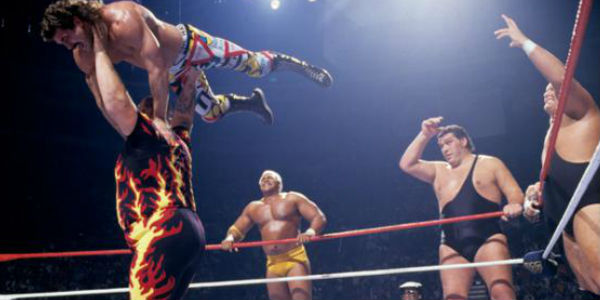
The first four Survivor Series had the WWF Champion taking part in the traditional elimination tag team match. But ever since the 1991 edition, when The Undertaker defeated Hulk Hogan, WWF/E and World Title changes happen extremely frequently. The WWF/E Championship changed hands in 1991, 1994, 1995, 1996, 1997, 1998, 1999, 2002, 2008, and 2011. The World Championship changed hands in 2002, 2006, and 2008. And these weren€™t just hot potato changes, either. Hulk Hogan, Bret Hart, and Shawn Michaels lost championships that they won at Wrestlemania (Triple H€™s reign in 2008 started at Backlash the next month). Heck, Diesel was champion for nearly a year when he lost to Bret in 1995. The only event with a higher percentage of WWF/E and World Title changes is Wrestlemania. Unfortunately, there will be no opportunity for a title change at this year€™s Survivor Series.

8. It's A Birthplace For New Ideas

In addition to the traditional Survivor Series match which debuted at the inaugural event in 1987, the Survivor Series Pay Per View has generated new match ideas that have stood the test of time. In 1992, The Undertaker debuted the Casket Match when he took on Kamala. He would bring back the match against Yokozuna in 1994, in a rematch from another Casket Match at the Royal Rumble that year. The Casket Match has been a staple of the Undertaker€™s hall of fame career. Ten years later, Eric Bischoff debuted a new match concept that combined the savagery of WCW€™s War Games with the countdown of WWE€™s Royal Rumble: the Elimination Chamber. The concept was so successful that it€™s formed its own pay per view sandwiching the Royal Rumble and Wrestlemania each year.

7. It's Still Treated Like A Big Deal
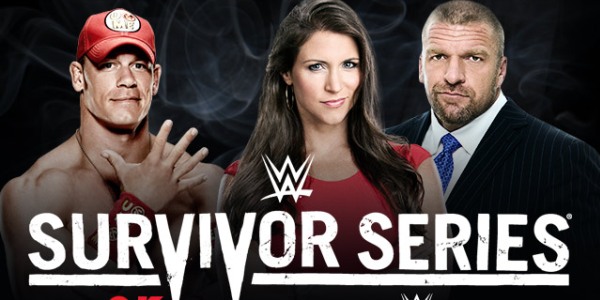
Despite Vince McMahon toying with the idea of dropping the Series altogether in 2010, the Pay Per View is still considered to be one of the €œbig four€ shows of the year, and WWE saves some of their biggest attractions for the show. In 1998, the WWF had their vacated championship up for grabs in the Deadly Game tournament. It was at this event where The Rock won his first WWF Championship. Three years later, the WCW/ECW Invasion storyline came to an end at Survivor Series with the Winner Take All elimination match. Ten years after that, the WWE decided to have The Rock€™s first wrestling match in more than seven years take place at Survivor Series. Even though the event has lost some of its luster over the past decade or so, it€™s still treated like a big deal when WWE wants it to be.

6. The Post-Summerslam Creative Lull Starts To Pick up Again
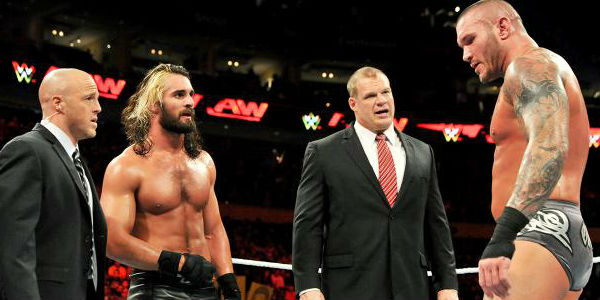
With no offseason, it€™s impossible for WWE to keep itself hot creatively year-round. There are bound to be lulls. The typical period for lulls are the two months after Wrestlemania, and the two months after Summerslam. Night of Champions and Hell in a Cell have been among the worst Pay Per Views of the year at end-of-year polls the past few years. The creative team starts to gear up for Wrestlemania typically around the Slammy Awards, but the story starts to get good again around Survivor Series time. This year is no exception. With Brock Lesnar on limited dates, this show is starting to see Seth Rollins at the top of the card, now that he€™s involved with John Cena. There€™s also a Randy Orton babyface (or tweener?) turn going in the background.

5. It's A Barometer For Up-And-Coming Superstars
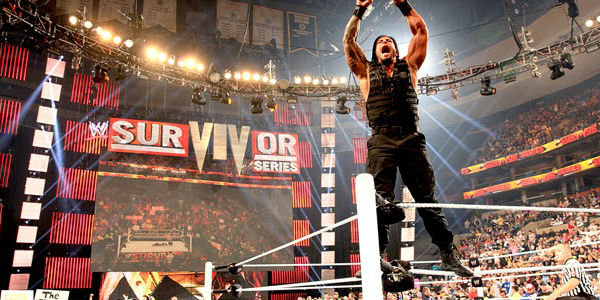
There are two events that gauge how popular an up-and-coming superstar is, and whether he€™s ready for the big stage. The first is the Royal Rumble, and the other is the Survivor Series. The guys who are just on the cusp of greatness are allowed to showcase their stuff in the elimination matches. The first guy to do this was Diesel in 1994. He destroyed everybody on the Bad Guys team and was eliminating people left and right. And the only reason his team lost was because Shawn Michaels kicked him in the face and the entire team was counted out. Four days later, he was the WWF Champion. It can be argued that Randy Orton€™s main event rise in 2003 culminated at the Survivor Series, where he was the last remaining member of Team Bischoff, going against Shawn Michaels, who was the last remaining member of Team Austin. Orton ended up being the sole survivor. Next month, he was the Intercontinental Champion. At Wrestlemania, he pinned Mick Foley. By Summerslam, he was the youngest World Heavyweight Champion ever. Last year, Roman Reigns eliminated everybody on the opposing side, en route to breaking the Royal Rumble record for most eliminations earlier this year. It€™s obvious that Reigns is the next big thing, and it all started at last year€™s Survivor Series. Time will tell who, if anybody, will break out this year.

4. Shocking Things Happen

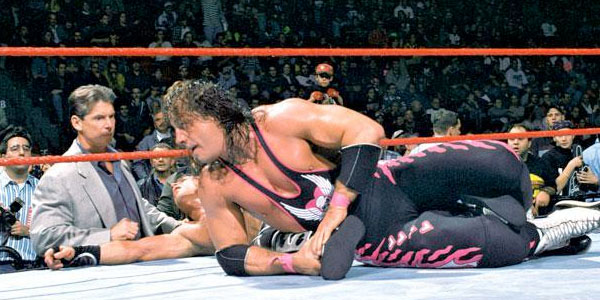
The Survivor Series has a reputation for shocking things happening. There was a run from 1997 through 2003 where at least one shocking thing happened per show. But even before the Montreal Screwjob, there was The Undertaker tombstoning Hulk Hogan on a chair placed by Ric Flair to win the WWF Championship in 1991. At the time, it was one of the most shocking things. Everybody and their mother thought Hogan would find a way to beat the Deadman, but he couldn€™t. The blow was softened by Hogan regaining the belt six days later at This Tuesday in Texas, but the impact was certainly felt at the time. Then came the run in the late 90s. The Screwjob in 97, the Rock joining the Corporation in 98, Austin getting run over by a car in 99, Austin dropping Triple H from a car in 2000, the WWF winning the InVasion war in 2001, Heyman screwing Lesnar in 2002, and Kane interfering to bury the Undertaker alive in 2003. There have also been some minor shocks since then, like in 2008 when WWE decided to turn Jeff Hardy€™s real-life troubles into a storyline by saying he was found unresponsive in a hotel, only to have Edge take his spot in the match and win the WWE Championship. And if you really want to talk about shocking turns of events, who can forget the Gobbeldy Gooker?

3. It's Tradition

Only Wrestlemania has a longer history on Pay Per View than the Survivor Series. The first show took place in 1987, just after Wrestlemania 3. Much like American football, it€™s been a Thanksgiving week tradition. Originally taking place on Thanksgiving night, the show was moved to the night before Thanksgiving for a few years before taking the spot of other Pay Per Views on Sunday night the week before or after Thanksgiving. Even though the Pay Per View almost ceased to exist a few years ago, Vince rightfully came to his senses and kept what has become an institution in WWE lore. It€™s still considered one of the €œbig four,€ and is only as good as WWE books it to be. By top-loading the main event with 10 of the biggest stars in the company, as well as having a featured Dean Ambrose vs. Bray Wyatt match, WWE looks to be booking this year€™s edition as a big show, despite the absence of the WWE World Heavyweight Champion.

2. The Elimination Tag Format Is Timeless
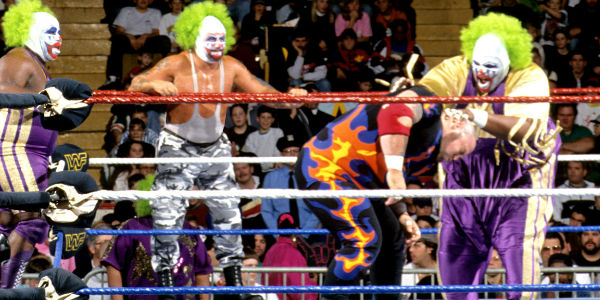
The Royal Rumble has the 30-man battle royal, and Survivor Series has the traditional elimination tag team match. Even as the show format got away from heavily featuring the tag after the first five years, the writers still make sure to include at least one traditional elimination tag per show. The best part about the elimination tag is when each individual person singles out somebody on the other team to try and take out, mostly because they€™re involved in a feud with them. This brings to mind the 2007 elimination tag match, with Triple H, Kane, Rey Mysterio, Jeff Hardy and Matt Hardy (who was taken out before the match) facing off against their rivals Umaga, Big Daddy V, Finlay, Mr. Kennedy and MVP respectively. The match had lost its luster for a while when WWE stupidly booked the Bragging Rights pay per view the month prior, which also featured an elimination tag. But that experiment only lasted two years, thankfully. This year, for the first time since 2005, the traditional elimination tag match will main event the show.

1. It's The Scene For Major Debuts

Survivor Series can lay claim to hosting the debut of three sure-fire Hall of Famers, and possibly three future Hall of Famers all at the same time. The Undertaker made his debut at Survivor Series 1990 as the mystery partner of Ted DiBiase. His resume speaks for itself. Taker is surely a first-ballot hall of famer. Six years later, The Rock made his debut at the 1996 Survivor Series, and he is one of the greatest wrestlers of all time. Three years later (and people forget this sometimes), Kurt Angle made his debut at the 1999 Survivor Series when he defeated Shawn Stasiak. The major debuts at Survivor Series stopped for a while, but picked up in a big way two years ago, when The Shield made their surprise debut (with no vignettes or forewarning), interfering in the main event and attacking John Cena and Ryback. If their careers continue as they€™ve been going so far, we may have three future hall of famers 20 years from now. Will there be any other surprise debuts this year? Maybe The Ascension might finally get the call-up? Or maybe somebody like Kevin Owens will bypass NXT completely and go right to the main roster? Be sure to follow me on Twitter @PocketSeagull.

Contributor
Contributor

Justin has been writing about professional wrestling for more than 15 years. A lifelong WWE fan, he also is a big fan of Ring of Honor.