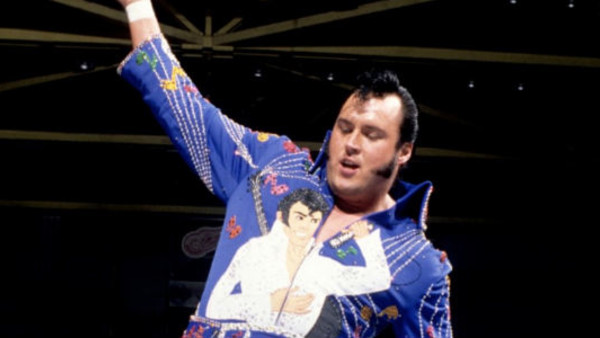
10 Things You Didn't Know About The Honky Tonk Man
Be honest, you can only remember that damn theme song.

10. He Was A Blond Bombshell
 Tennessee-born and Tennessee-bred, he debuted as 'Dynamite' Wayne Farris in the mid-'70s and rose to prominence alongside Larry Latham as one half of the Blond Bombers, a team of bleach-blond heels that wrestled predominantly in the South-Eastern territories, especially in the Memphis area, becoming the top heel team for the CWA (Continental Wrestling Association). While he already had the long black sideburns, and was exhibiting early signs of being cool, cocky and bad, the platinum-blond beachcomber-like Farris of the '70s was a far cry from the Honky Tonk Man people came to loathe. It was well over a decade before he completed his signature look and, by his own admission, Farris stumbled into all of it. He became tired of his bleached hair first. After the success of wrestlers like Superstar Billy Graham, there was an influx of flamboyantly peroxided wrestlers into the industry and Farris found himself wanting to change his look to stand out from the crowd. As was wrestling tradition, if you're looking to change your appearance, incorporate it into a match and make some money, and Farris wrestled a series of Blond Hair vs Blond Hair matches against similarly-quaffed blond wrestler Austin Idol. The premise: this town ain't big enough for two blonds, and the loser of the matches would have to dye their hair black. Farris lost and people were struck by just how much he resembled a famous celebrity. Someone who weren't nothing but a hound dog.
9. He Was Basically Forced Into The Gimmick
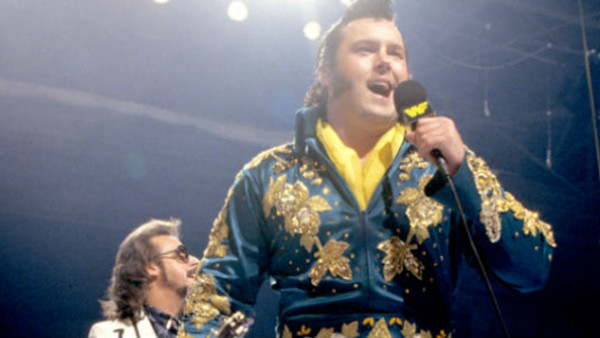
8. He Was Present At The Birth Of 'Hardcore Wrestling'
https://www.youtube.com/watch?v=F5wRnB-eDC8 The hardcore style of wrestling, characterised by an excess of weaponry, bloodshed and reckless disregard for one's own wellbeing, began as far back as the 50s and 60s. Chair shots, blood and NoDQ matches (often unsanctioned and taking place after the building's lights had been turned out, for licensing reasons) had existed for years, but in Tupelo, Tennessee in 1979, it was taken one step further. Farris and Latham, as the Blond Bombers, were wrestling Jerry Lawler and Bill Dundee for the AWA Southern Tag Team titles in Tupelo, Tennessee (coincidentally, the birthplace of one Elvis Presley). When the heels screwed Lawler and Dundee to become champions, all hell broke loose. They began brawling down the aisle of the arena into the backstage area. It was treated as totally kayfabe by the production crew, who grabbed handheld cameras and rushed out to the concession stand to find the four wrestlers tearing it apart. Everything they could get their hands on was used as a weapon; stools, mops, jars of mustards, baking trays. Everyone was bleeding and the fans popped huge for it. They had never seen such an intense weapon-based brawl and it stemmed so organically from a controversial title change, they believed it was all real. The footage was replayed over and over, and the brawl was replicated in Tupelo year after year, eventually catching the eye of a Japanese wrestler called Atsushi Onita. He took this 'odd Tennessee-style of wrestling' back to Japan and launched his own promotion, Frontier Martial-Arts Wrestling, which took violence to a whole new level. Barbed wire, fire, tables and glass became heavy features of FMW, which in turn fed back into the US in the form of ECW, (including many FMW alumni like Mick Foley, Terry Funk and Chris Jericho), the popularity of which then bled slowly into WCW and WWF programming. While it may seem a touch quaint to look back on today, the 'Tupelo Concession Stand Brawl' as it came to be known, became a new standard bearer for hardcore wrestling and helped innovate a bloodier style of wrestling that would go from strength to strength. And Honky Tonk Man was there on the ground floor.7. He Claims To Have Been The One To Suggest 'Hulkamania' To Hulk Hogan
https://www.youtube.com/watch?v=DAZM5kXnXeM Now it's important to take all claims made by wrestlers in shoot interviews with a pinch of salt and a raised People's Eyebrow, but here's the story according to HTM. We know that Farris had often worked with Austin Idol. While he was wrestling down in Georgia, Idol, who just happened to be tall and blonde, coined the phrase 'Idolmania' and began saying things like 'Idolmania is running wild', which sounds in no way similar to tall and blond Hulk Hogan's Hulkamania running wild. At all. Obviously. Hulk Hogan, then known as Terry 'The Hulk' Boulder was wrestling in Memphis and, during his stay in the territory, Farris claims that he took the soon-to-be-megastar aside and gave him some sage advice. "So we said to him do 'Hulkamania! Hulk up, hulk up!' ... we were in Memphis and he started doing the Hulk Up thing and that's how it started" ... there's nothing original in this business."6. He Started In The WWF As A Babyface, Flopped Badly

5. He Lucked Into His Lengthy Title Reign
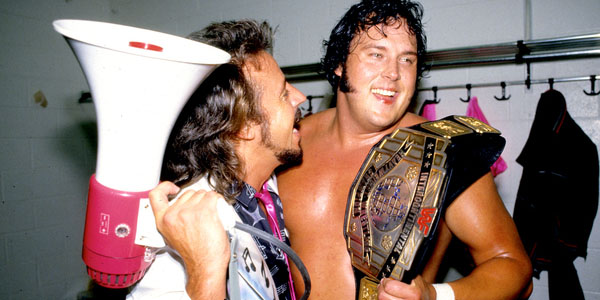
4. He Was Only Supposed To Be A Transitional Champion
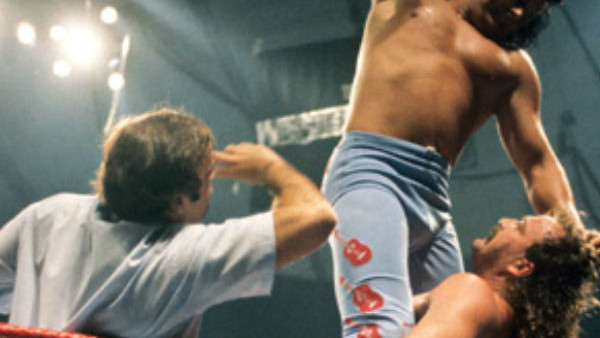
3. His Refusal To Lay Down Lead To The Push Of Randy Savage's Career

2. He Doesn't Care About Making Friends

1. He Turned Down The Hall Of Fame. He Was Busy