Wrestling with Grief: An Exploration of Grief in the World of Pro-Wrestling
In a so-called "fake" sport, AEW and WWE's expressions of grief are as real as it gets.
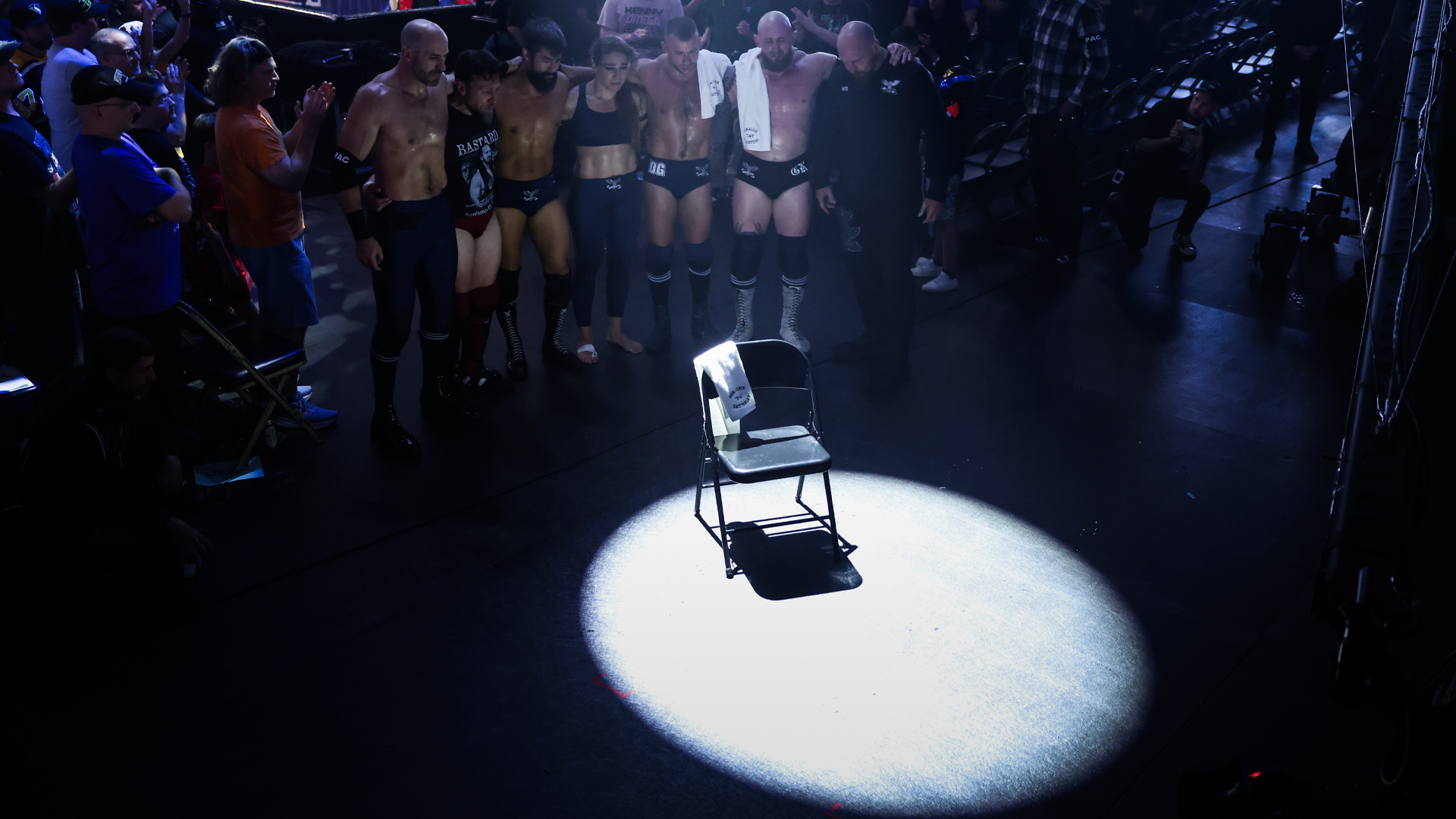
Scrolling through social media in the days after PAC’s tragic passing, one thought kept coming up. The sentiment, questioning and wondering of why deaths in the world of pro-wrestling seem to hit so much harder than elsewhere in pop culture.
Now, this is not an exploration of why grief is “worse” in wrestling than other forms of media. Grief is not a competition, and people experience it in many different ways.
However, when so many people ask the same thing, we must analyse the question: why does grief hit so hard in the medium of wrestling?
To do this, we must look at two things. Firstly, what does wrestling tell us about grief? But equally, what does grief tell us about wrestling?
“I will not say, ‘do not weep’; for not all tears are an evil.” – Gandalf, Lord of the Rings: The Return of the King.
When someone in the public eye that we admire passes away, many wonder, “How can I grieve someone I did not know?” It can feel silly to shed tears for someone who didn’t even know we existed.
But as wrestling fans, we spend years following these performers, dedicating multiple hours every week. For example, if you watch both WWE and AEW, that’s roughly 10 hours of wrestling a week. Consider the average person in the UK spends roughly 4 hours socialising in person every week and that number suddenly looks significant.
These aren’t just hours spent mindlessly watching a screen. They’re hours spent escaping, engaging, wincing, laughing, crying, cheering and booing alongside larger-than-life characters. It’s little wonder that emotional attachments, and sometimes parasocial relationships, develop.
In the post-kayfabe era, those connections extend beyond the ring. Performers share more of their lives through social media, podcasts and outside projects.
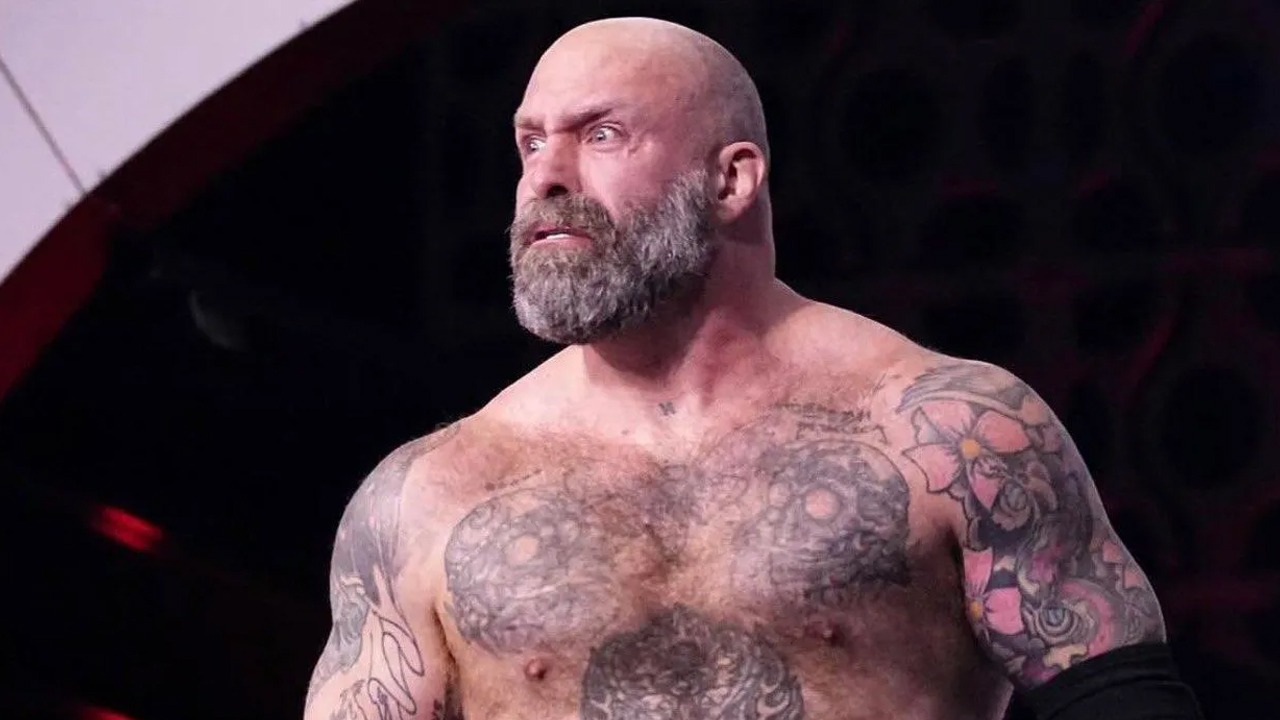
Take Andy Williams, aka The Butcher, whose career as a pioneering musician gave fans another way to connect with him. Suddenly you’re not just mourning the passing of a wrestler, but one of your favourite guitarists.
When life gets difficult, we often turn to our familiar comforts. For wrestling fans, that means escaping into the squared circle and investing in the characters, matches and stories we love.
But what happens when the thing we turn to for comfort becomes a source of grief itself? It is then understandable how that loss can hit even harder.
However, it is important to acknowledge that while a fan’s experience of grief in wrestling is valid, it is very different from a wrestler’s.
Many wrestlers will refer to the locker room as a “brotherhood”. It’s more than merely being colleagues; in many cases you’re on hours-long long car drives up and down the country together, putting your trust and life in the hands of someone else in the ring.
Wrestling is an intensely intimate profession. When you spend years, sometimes decades, working alongside the same people, those bonds become difficult to define. They’re more than colleagues, different from friends. So, when one of those people dies, the loss follows you into the very place where you shared that intimacy: the ring.
The grief runs ever deeper for family, of course. But what if you are both a fellow wrestler and a family member of the deceased? Sharing your real brotherhood and your in-ring brotherhood with someone before it gets ripped away is exactly what Mark Briscoe had to go through.
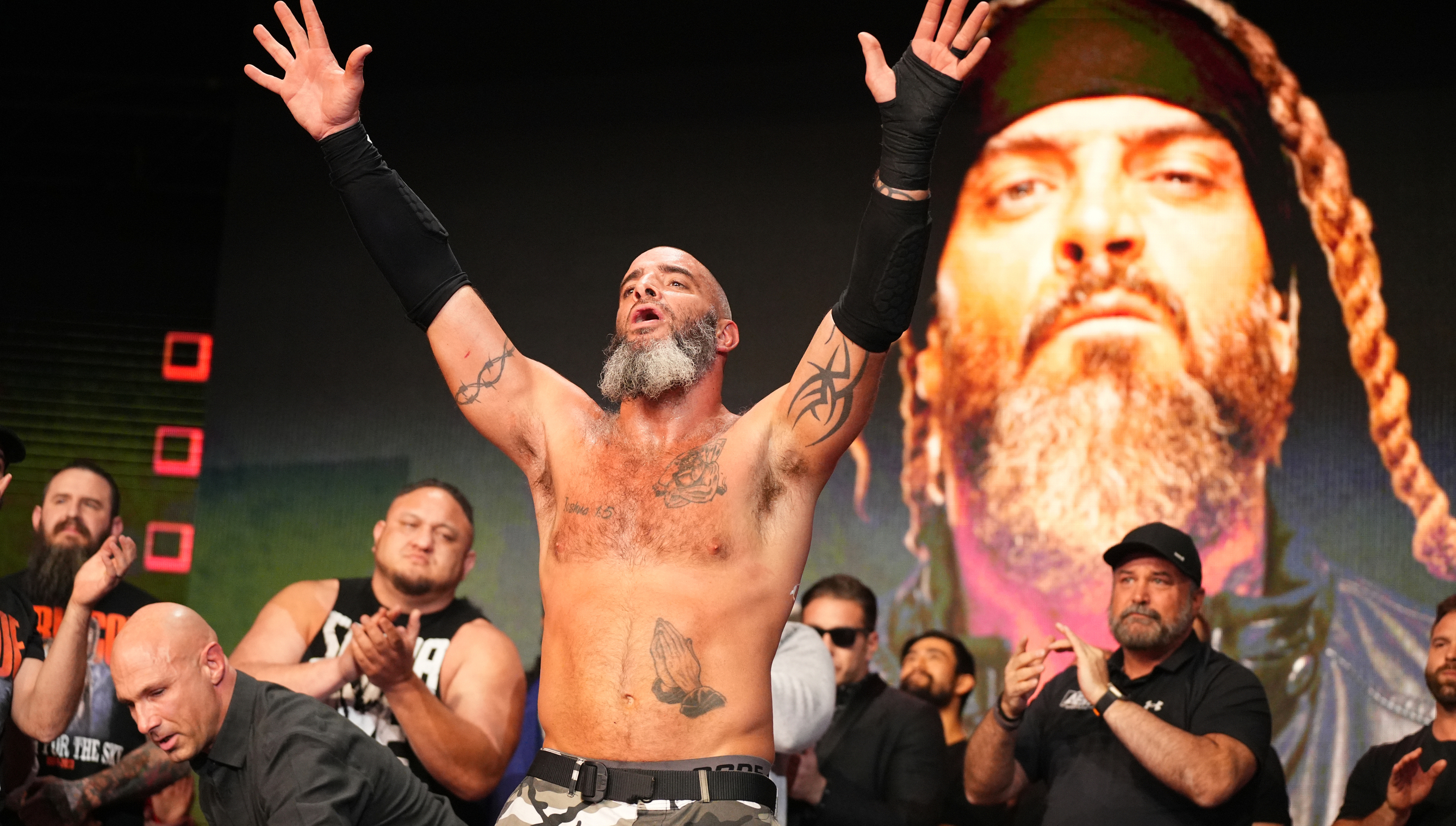
Less than two weeks after the death of his brother, Jay Briscoe, Mark stepped into the ring against Jay Lethal. What followed left the wrestling world in awe. The strength it must have taken is unimaginable to most of us. But nobody can explain it better than Mark himself:
"This is therapy. Ain't a shrink in the world that can do for me what tonight did... Me and my brother, we started training in February 2000… We’re coming up on a quarter century… All of a sudden, in the blink of an eye, he's gone. How do you carry on? Look at what we did tonight. That's how you carry on.” – Mark Briscoe.
The experiences of fans, wrestlers and family members are not equivalent, but they are all valid. As fans, we aren't simply mourning a performer we admired. We're also watching wrestlers navigate their own grief while continuing to perform.
Perhaps that's what makes grief in wrestling so uniquely complicated: we're mourning our own loss while witnessing theirs.
"A man tells his stories so many times, that he becomes the stories. They live on after him, and in that way he becomes immortal." – Will Bloom, Big Fish.
The most universal ritual when someone passes away is the act of telling stories. Sharing memories to celebrate someone's life, make sense of their absence and keep their legacy alive.
However, stories can also be used to find strength to move forward. Think of the fundraisers for people who, after losing a loved one, run a marathon in their memory. Behind every one of those GoFundMe’s is a story of loss, but also of someone finding a reason to keep going.
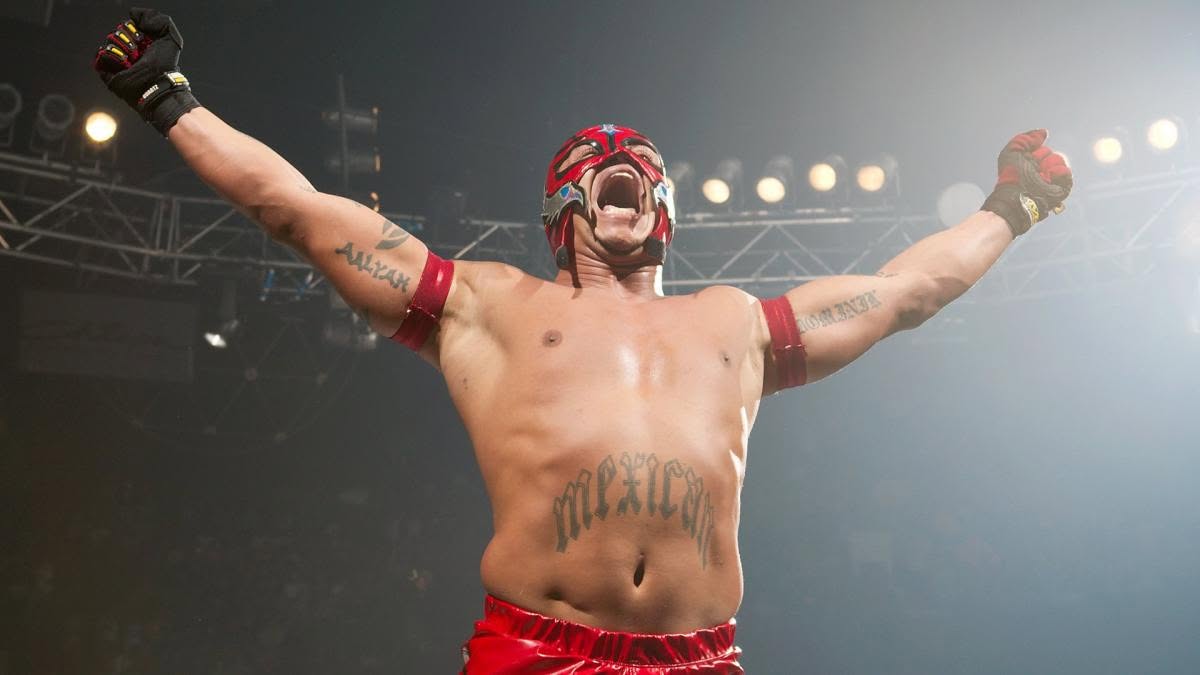
Few examples illustrate this in wrestling better than Rey Mysterio following the death of Eddie Guerrero in November 2005. Mysterio went on to win the 2006 Royal Rumble before capturing the World Heavyweight Championship at WrestleMania 22, dedicating both achievements to his late friend.
We can also look at The Dark Order, after the loss of Brodie Lee, finding friendship in ‘Hangman’ Adam Page. This came at a time when the characters in storyline were just as lost as the real-life people behind them.
Crucially, Page never became a replacement for Brodie. Instead, the story explored how people can find connection and support in the aftermath of grief without forgetting the person they lost.
Both stories show what it means to move forward without leaving someone behind.
Stories are not the only rituals in wrestling. The ten-bell salute, tribute matches, memorial shows and fan chants provide ways to honour the dead together.
Unlike most celebrities we mourn, the medium of wrestling provides the chance to commemorate collectively, as part of the very community through which we came to know them.
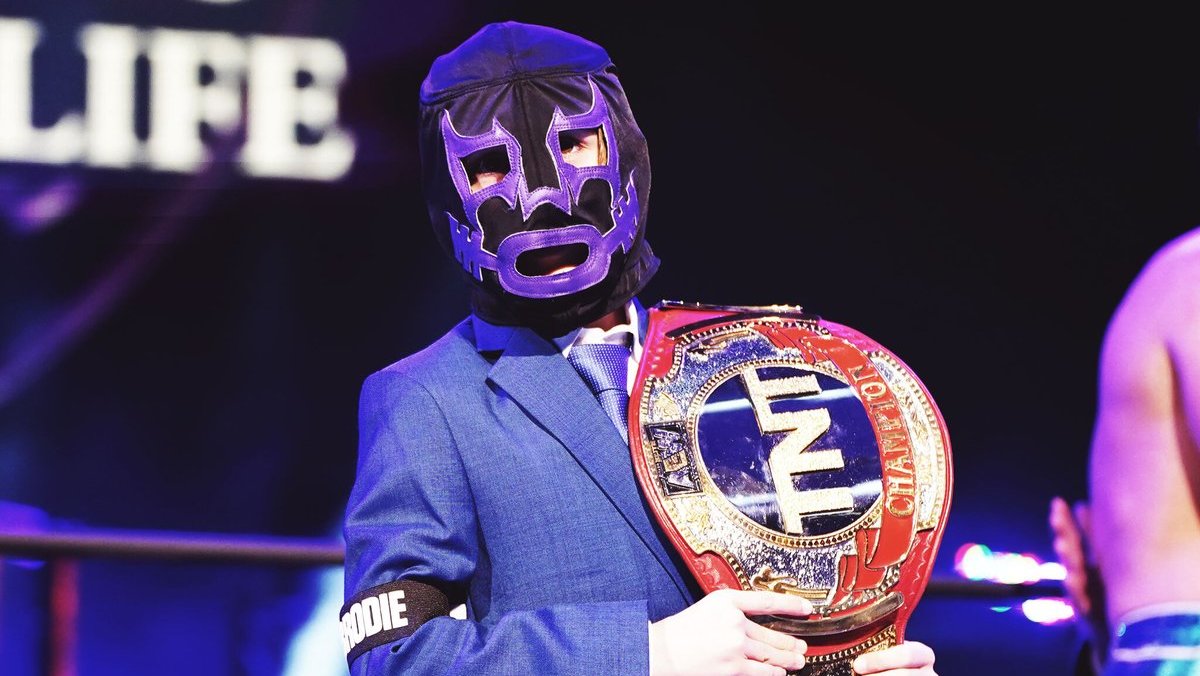
AEW's tribute shows for Brodie Lee and PAC demonstrate the power of these rituals. Considered two of the best wrestling shows of all time, their significance extends beyond the quality of the wrestling itself. These shows become communal acts of remembrance, almost like funerals, allowing performers and fans alike to express grief, celebrate a life and acknowledge a loss that cannot simply be written out of the story.
These rituals keep legacies alive. The show must go on, but that doesn't mean the person we've lost has to be forgotten.
So, what does wrestling tell us about grief?
Perhaps it offers one of pop culture's most honest representations of the experience. Not because it always provides the most nuanced analysis or the most beautifully constructed story, but precisely because it doesn’t.
Grief is messy. It doesn't always follow a carefully constructed narrative. It doesn't disappear after a few episodes or resolve neatly at the end of a season. Sometimes it resurfaces unexpectedly. It changes the people left behind.
In wrestling, we feel the loss, participate in the rituals and invest in the stories of those left to navigate their grief. Days become weeks, weeks become months, and months become years. The pain may change, but the stories remain.
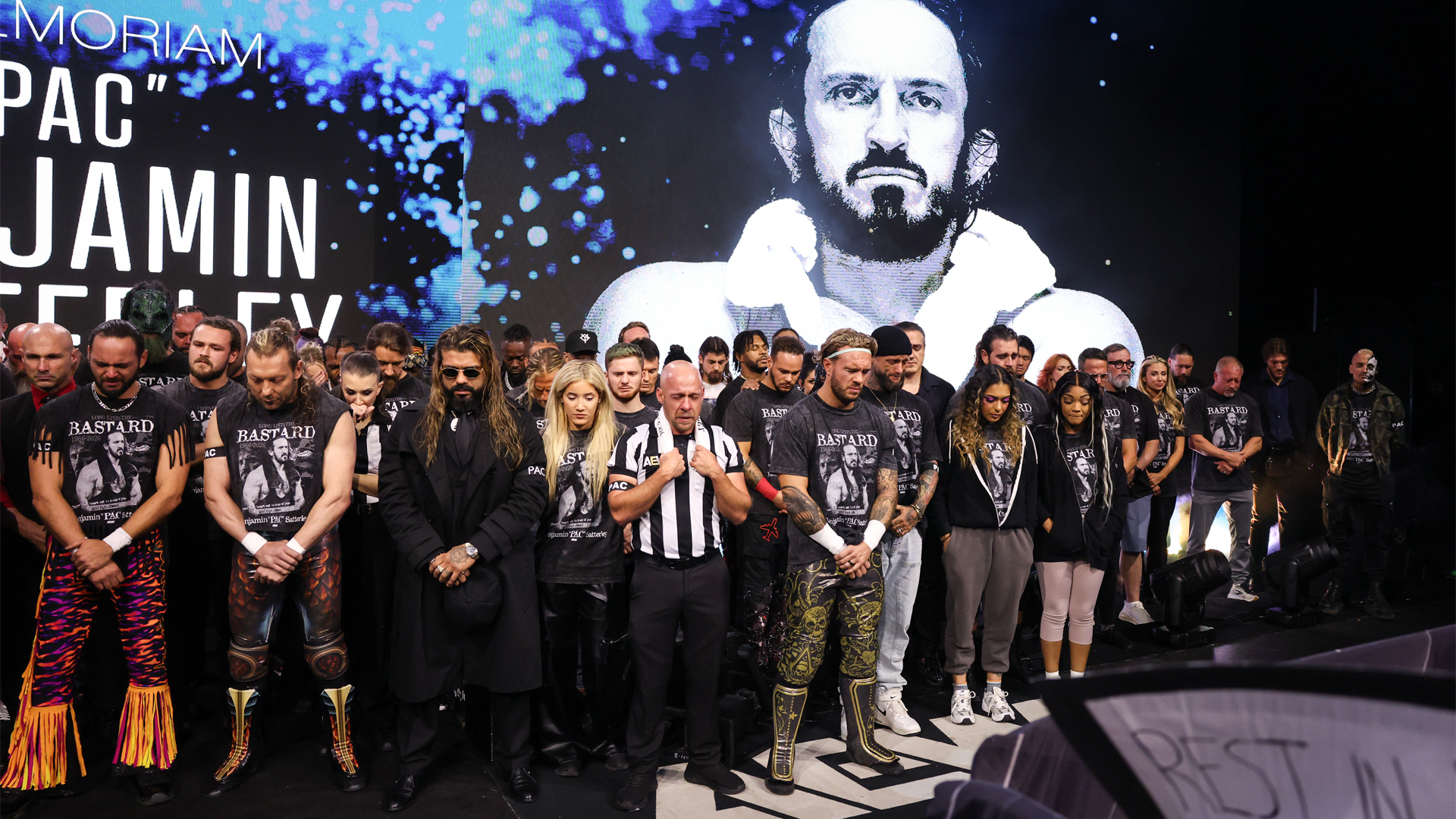
One of the reasons wrestling gives grief such a powerful outlet is that storytelling is already at the heart of everything it does, and, as long as those stories are told, the legacies of those we've lost live on.
“Ain’t no shame in holding on to grief, as long as you make room for other things too.” – Bubbles, The Wire.
In the aftermath of wrestling’s latest tragedy - the passing of Benjamin Satterley, aka PAC - this topic has really come into focus.
This is largely due to Jon Moxley’s immense display of vulnerability since then. One hesitates to call it a “performance”, because what exactly is he “performing”?
Of course, to an extent he is. Certain things are planned or plotted. That’s part of the magic with wrestling; wrestlers are constantly drawing on their true feelings and bringing those to the surface.
You just need to scroll through social media to see people talking about the “this Death Riders story about grief”. But this is where the lines blur, because it’s not just a story.
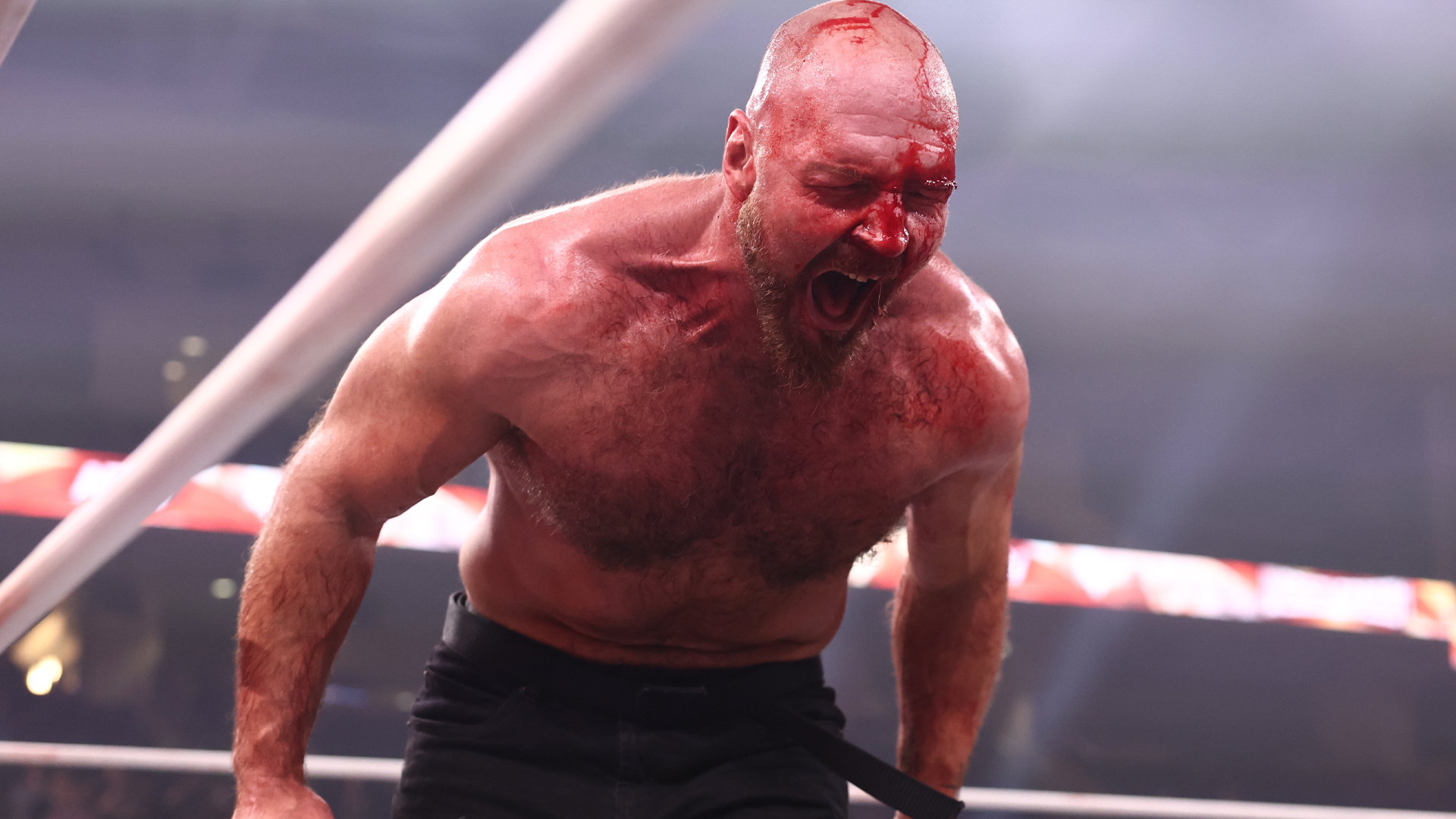
Watch Moxley face Mark Davis at WrestleDream and it’s impossible not to see a man channelling something deeply personal into his work. That visceral scream, the struggle to hold back tears, the moment he collapses into the arms of his fellow Death Riders after the bell. The match becomes more than a contest.
This is very different from most actors on stage. In pro-wrestling there is no place to hide. You’re exhausting yourself, risking your life, out there in front of thousands of people in what is arguably the rawest form of performance.
This is what makes professional wrestling different. Its performers aren't simply portraying characters experiencing emotions written for them by someone else. They are real people, with real relationships, drawing on real experiences while performing in front of thousands.
Whether intentionally or not, Mox isn’t merely performing; he is using his stage as an outlet for grief.
“The only way out is through” is not just a slogan for the Death Riders as a faction trying to move on from the passing of their stablemate. It is the lived experience of how these performers continue on without their friend.
So that is what grief teaches us about pro-wrestling. That for a supposedly “fake sport”, it is often the realest thing you can find on TV.