8 Puzzling Diseases That Have No Cure

For all of our advances, some medical mysteries remain unsolved...
Medical science has come a long way since the days of blood letting and leper colonies. We can now cure all kinds of diseases that mowed people down in their droves back in the Olden Days. But, however far we've come, there are still diseases out there that have remained one step ahead of us all this time. Some of these diseases are so rare that we've not been able to study them long enough to even find out what causes them. Others, however, are incredibly common and yet we still can't seem to figure out how to defeat them. Both rare and common diseases alike continue to puzzle and perplex scientists. Some diseases require us to delve deep into our own DNA, some are the work of tenacious and dangerous viruses that will do anything to avoid extermination and some of them we simply don't know the cause of, let alone the cure.

8. Pica

People with Pica have a compulsive desire to eat non-food items. This includes things such as paper, metal, glue and even dirt. The above image shows a collection of metal items removed from the stomach of one sufferer. Although there is no real consensus of the cause of the disease, some experts think that, bizarrely, it could be caused by a mineral deficiency. Often the substance that the sufferers are compelled to eat contain the mineral they're deficient in. Those with Pica for things such as dirt, clay or wood are often found to have an iron or zinc deficiency. As well as a physical deficiency, it has also been proposed as a possible symptom of mental illnesses such as OCD. There is also a widespread practice in the American state of Georgia in which locals regularly chow down on a white clay called kaolin. This is so popular that kaolin is sold in convenience stores as a "novelty item", but it's still unclear as to exactly why people want to chew on dirt so much. Due to the uncertainty about the causes of Pica, there's no definitive way to cure it. The best we can hope for is to limit any potentially dangerous pica cravings.

7. Polio

Despite the fact that polio has been virtually eradicated from many western countries, it is still counted as an incurable disease. Polio is a pretty nasty viral infection of the nervous system. It will produce the usual flu-like symptoms, but can also have other devastating effects. Polio can bring about the paralysis and deformity of the limbs, throat and chest, making it artificial respiration necessary. We have managed to get polio under control in a lot of countries through the use of vaccinations, so it is preventable, but if you do become infected (if, for example, you don't vaccinate) then there is no treatment or cure. The trouble is that polio is a viral infection, and viruses are notoriously tricky to nail. Compared to bacteria, viruses are incredibly simple. Far from this making them easy to kill, it means that they have fewer weaknesses to target. Whilst bacteria are living cells that replicate and metabolise, viruses hijack the processes of other living cells (i.e. yours) in order to survive and reproduce, which helps them to evade the immune system by essentially "hiding out" in your cells. They can also mutate and develop a resistance to treatments amazingly quickly, so even if you do find a treatment, it won't be effective for long. Basically, the best approach with diseases such as polio is preventions (vaccination), not cure.

6. Fatal Familial Insomnia Disease

If you think you have trouble sleeping, just be thankful that it's not Fatal Familial Insomnia. This incredibly rare disease - which renders the sufferer completely unable to sleep - has fewer that 30 cases around the world. That's not just "having trouble dropping off", but actually physically incapable of sleeping. Symptoms begin with increasing insomnia, leading to panic attacks, anxiety, phobias and paranoia, usually lasting for around four months, the second stage then progresses to hallucination and the third is characterised by inability to sleep. This comes with rapid weight loss. The final stage of the disease is dementia, mutism and unresponsiveness. As the body continues to shut down through lack of sleep, pulse and blood pressure rocket and gross motor skills are lost. Throughout this process, the person remains conscious and able to comprehend everything that is happening to them right up until the point of death. As the disease is so rare and so bizarre that experts don't really know how to treat it. There have been cases in which a patient has managed to extend their life expectancy by about a year through the use of vitamin pills and meditation but, so far, there's no cure. Sleep is currently so little-understood by science that experts still don't even know why we do it. One thing FFI demonstrates to us is just how important it is and how quickly and badly things go wrong when it goes away.

5. Diabetes

Finding a cure for diabetes would be one of those world-changing discoveries, but for the moment it still eludes us. There are two types of diabetes, the imaginatively named Type 1 and Type 2 that are similar but different and both are considered incurable. Whereas the more common Type 2 is caused by insulin resistance due to lifestyle and genetic factors, Type 1 is actually an autoimmune disease that often develops in childhood. It all starts when the immune system begins attacking the insulin-producing beta cells in the pancreas. Once these have all been destroyed, the person is left unable to manage their blood glucose and will have to inject insulin for the rest of their life. It can lead to all kinds of horrible stuff such as heart disease and stroke, kidney disease, blindness, nerve disease and amputation. Despite the fact that we have been "on the verge of a cure" for a couple of decades now, it has so far remained elusive. There is a beacon of new hope at the moment in the form of gene therapy that could be used to actually rewrite the genes that cause the disease in the first place.

4. Fibrodysplasia Ossificans Progressiva
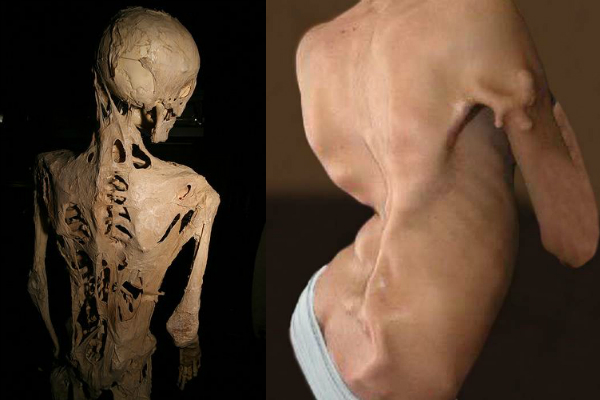
Fibrodysplasia Ossificans Progressiva or "Stone Man Syndrome" is a debilitating disease that causes sufferers to appear to slowly turn to stone. This disease is extremely rare, which is lucky as it causes any damaged soft tissue in the body to regrow as bone. The end result is the total ossification of the muscles, tendons and ligaments, rendering movement difficult or completely impossible. Everybody has experienced ossification at some point in their lives. When babies are in the womb, their soft, cartilage like skeletons need to become hard and robust ready fro the outside world. However, for those who are born with Stone Man Syndrome, the gene that controls the ossification never switches off, meaning that the process continues for the rest of their lives. To make matters worse, any surgery to remove the extra bone will result in an explosion of growth, simple serving to make the symptoms even worse.

3. Alzheimer€™s Disease

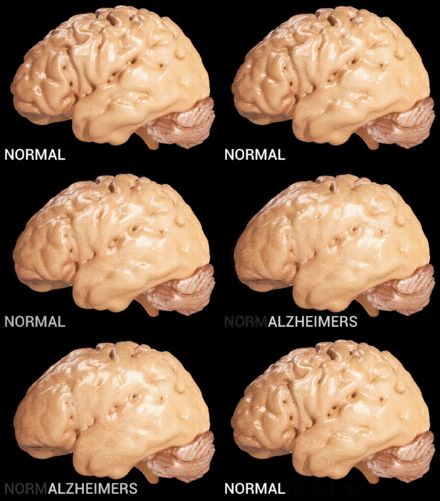
Alzheimer's Disease is much more than just becoming a bit forgetful in old age. It is a neurodegenerative disease that actually causes the structure of the brain to break down, and build ups of peptide plaques within the brain itself. The cognitive symptoms - forgetfulness, disorientation - are present in the early stages and look a lot like "just losing it a bit" with age. The disease eventually progresses to behavioural issues, problems with language, and eventually the breakdown of motor function and death. Despite having a relatively good grip on the symptoms and effects of the disease, scientists have no real idea how to cure or even treat the disease. We don't even know why it happens in the first place and there are a range of theories. Trials for various drugs, neural pacemakers and even a pill to artificially enlarge the brain have all left the disease puzzlingly untouched. We don't really know why nothing seems to work, which is pretty unhelpful in the quest to find something that will.

2. HIV/AIDS

Despite its high-profile status and terrible effects, scientists and researchers have still been unable to fully tackle HIV/AIDS. The thing is about the virus that causes the disease is that it's sneaky, slippery and very, very tenacious, making it virtually impossible to fully eradicate from the body. Even when patients are put on a cocktail of antiretrovirals, the virus will simply retreat to the gut to hide out until the danger passes. Here, even the best drugs can't touch it. The good news is that, whilst the virus is laying low, the patient's symptoms subside and they can even be classed as "non-infectious". More good news is that experts still think there could be a way of completely eradicating it. The bad news is that this involves basically luring the virus out of hiding. In doing this, doctors would essentially be giving it free reign, allowing symptoms to run riot and massively increasing the risk of it developing into AIDS. This would be like playing an extremely high-stakes game of chicken with the virus in the hope that we would be able to treat and eradicate it before it causes irreversible damage. Understandably, there are few that are comfortable with playing these high-risk mind games with deadly diseases and so far the cure for HIV/AIDS remains out of reach.

1. Progeria

Progeria, or "Benjamin Button Syndrome", is a rare genetic disorder that causes young children to appear to age at an alarming rate. Affected children tend to have normal or even above average intelligence, but suffer from a range health problems that you would usually associate with old age. Symptoms include thinning hair and skin, stiff joints, liver spots, weak hips as well as an overall elderly appearance. The average life expectancy is just 13 years old, but patients tend to die of age-related diseases such as heart disease and stroke. There is also an adult version of the disease that can manifest as late as a person's early 20s. In this case, life expectancy is around 40 or even 50, but aging is still extremely accelerated. The disease occurs when a genetic mutation causes the Lamin A protein to lose integrity and affects the overall structure of the cells. The thing is that, short of a gene therapy that can prevent that mutation, curing the disease is tantamount to curing old age and "death by natural causes" itself. Want to write for WhatCulture Science? Click here to find out how you could get paid to write about what you love.Hey, you. Yeah, you. You want some more science? Like us on Facebook or follow us on Twitter for your next fix.

 
Posted On: 
Contributor
Contributor

Writer. Raconteur. Gardeners' World Enthusiast.