10 Amazing Movies With Weirdly Distracting Castings
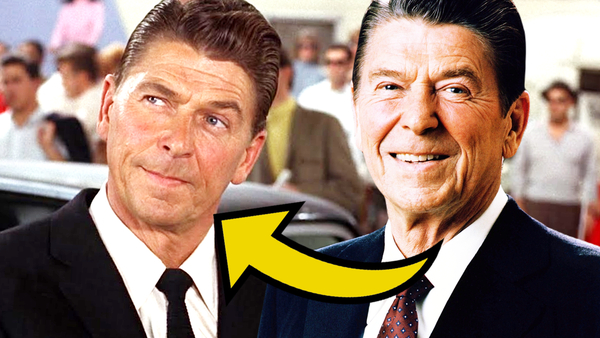
Cinema peaked with John Cassavetes punching Ronald Reagan in The Killers.
Movies can live or die by their casting choices. Get it wrong, and it can sometimes prove too hard for a great script or director to overcome. Get it right, and a production can come together seamlessly and even be elevated altogether.
Sometimes, though, even well-casted roles can end up being weirdly distracting. Early roles from big name actors tend to suffer this syndrome the most, with their later, more iconic screen presences casting a shadow over their more low-key appearances.
Off-camera events can sometimes have the same effect - some actors may change their image drastically over time, while others could launch a career in politics and end up ascending to the highest office in the land, their acting career firmly in the rearview mirror, as they lay waste to the political fabric of the nation.
Point is, it's easy to sometimes be watching a movie, and - through no fault of the actor themselves - be taken out of the moment, probably due to some bit of trivia or their role jarring with what they're best known for.
10. Henry Grace - The Longest Day
The Longest Day is a true epic Hollywood production. An international effort pooling together filmmakers and actors from the United States, United Kingdom, France, and Germany, The Longest Day recounts in detail Operation Overlord and the events of D-Day, from the planning stages of the operation through to the Airborne assaults and Normandy landings. While occasionally plodding, the all-star cast and scale of the battles depicted makes it a must-watch.
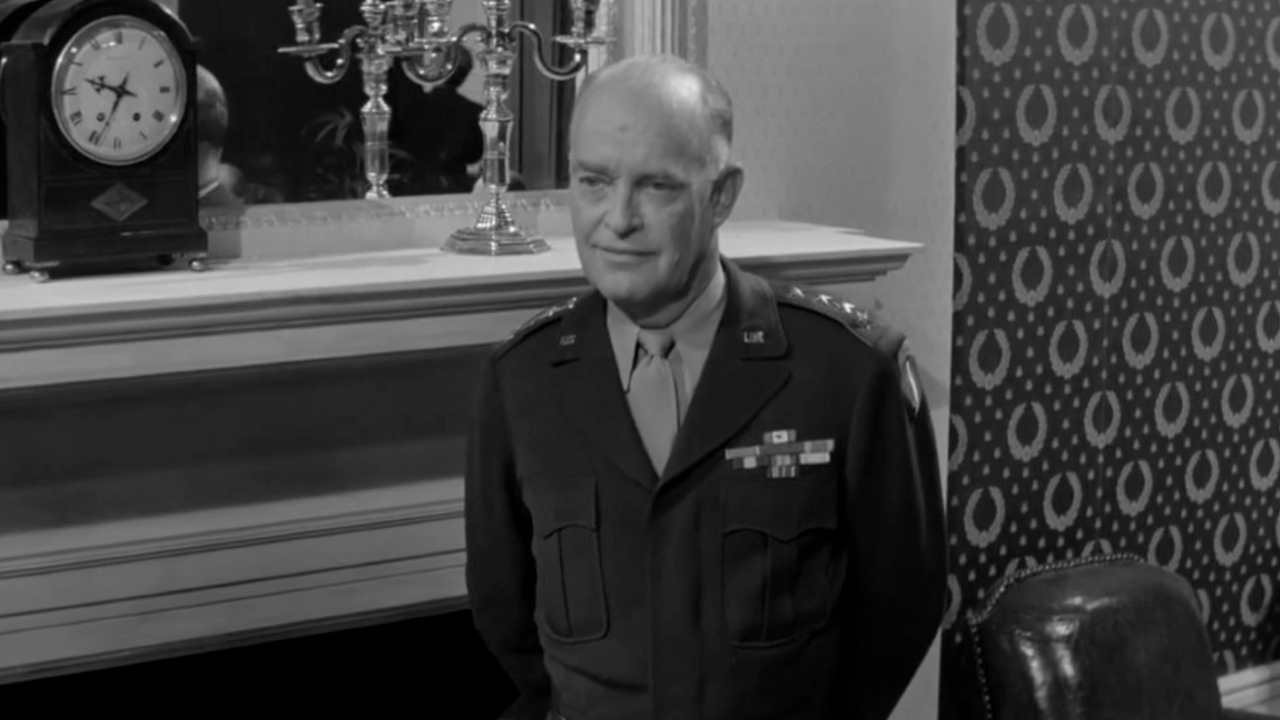
But there is one aspect of the film that has always been distracting to me, and that is the man who plays Dwight D. Eisenhower, the Supreme Allied Commander and later U.S. President. Growing up and even today, I always do double takes because Eisenhower in The Longest Day looks just like the real deal, to the point where each time I watch this, I am convinced that they got the man himself.
The actual reality is that Henry Grace, an Oscar-nominated set decorator, was hired to play Eisenhower because of his resemblance to the general. It is his sole acting credit, and the uncanny similarities between them never fails to amuse.
9. Arnold Schwarzenegger - The Long Goodbye
Before he was an actor, Arnold Schwarzenegger was a renowned champion bodybuilder and athlete. He got his first film role in 1970's Hercules in New York, but it wasn't until 1982's Conan the Barbarian that his star truly began to rise. Arnie came to dominate the eighties with iconic performances in films like The Terminator, Commando, and John McTiernan's Predator - arguably the best action film ever made.
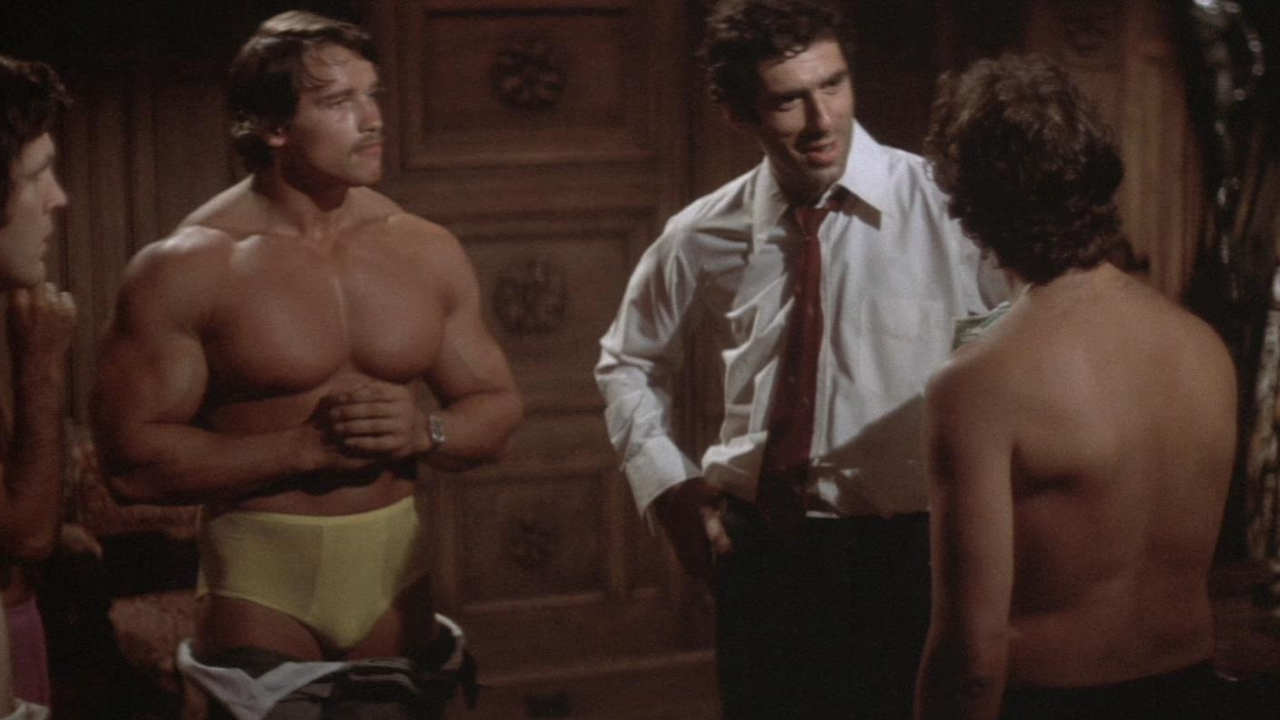
Before Schwarzenegger made a home in the action genre, however, he had several roles of varying prominence. Undoubtedly the most surprising of these is his brief turn as a henchman in Robert Altman's Phillip Marlowe adaptation, The Long Goodbye. Altman's film is one of the finest efforts in the noir genre, an exhaustive, dreamlike mystery anchored by a career-defining performance from Elliott Gould.
It's sort of the last place you'd expect Arnie to show up, but show up he does, in a scene where Marlowe is interrogated by local gangster Marty Augustine. Arnie has his shirt off and menacingly flexes his pecs. The fact he goes uncredited in this one makes it an amazing jump scare.
8. Elizabeth Olsen & Aaron Taylor-Johnson - Godzilla (2014)
Gareth Edwards' 2014 Godzilla film has never really been given the flowers that it deserves. While complaints regarding the human protagonists are justified (trading a post-Breaking Bad Bryan Cranston for literally anyone else didn't do it any favours whatsoever), Edwards is the sole filmmaker outside of Japan to really render the anguished terror of Godzilla in all his glory.
That being said, there is one element of the film that jars through no fault of its own, but rather because of some unfortunate timing with the Marvel Cinematic Universe.
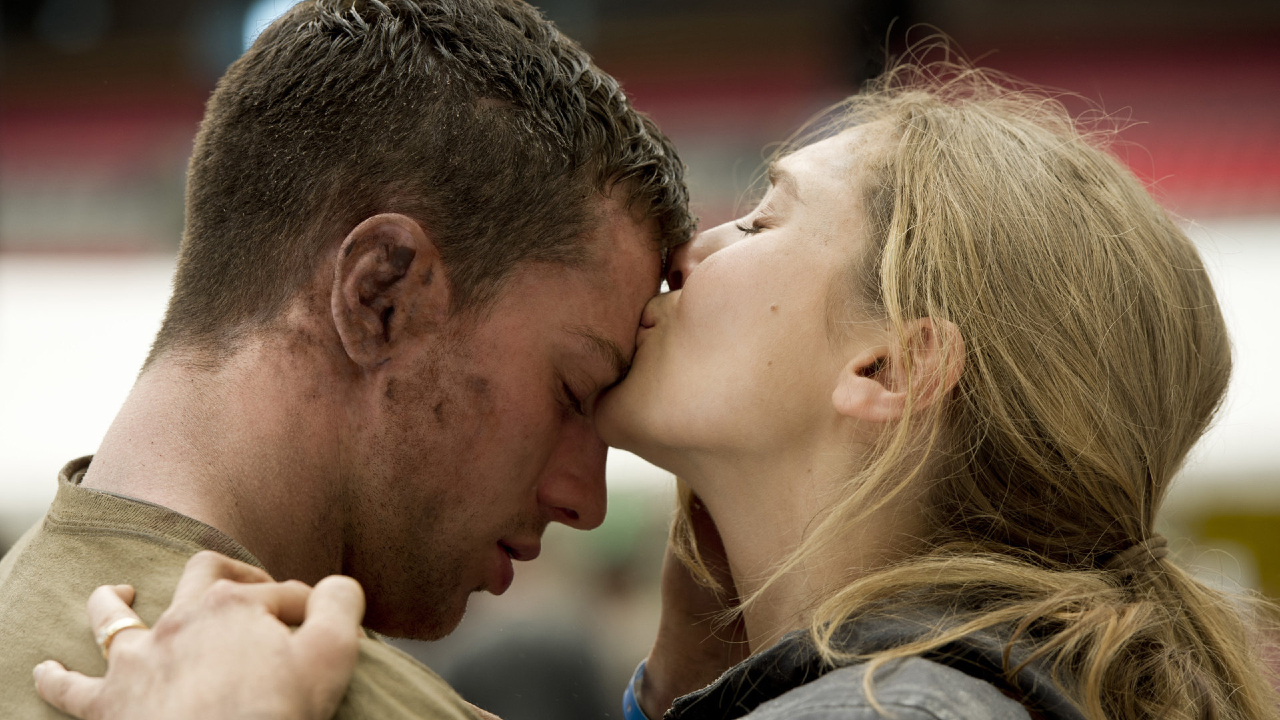
Godzilla's two main human protagonists are portrayed by Aaron Taylor-Johnson and Elizabeth Olsen, who play husband and wife. Their performances are solid - not Cranston levels of good but hey, few things are. The main weirdness is that less than a year later they were cast as siblings Pietro and Wanda Maximoff in Captain America: The Winter Soldier and Avengers: Age of Ultron.
It's not enough to make the whole thing super weird per se - they're actors, and they're good in both movies - but it was kind of jarring at the time given how they released in such close proximity. (As well as the Marvel pair's weird comics history.)
7. Larry Hagman - Nixon
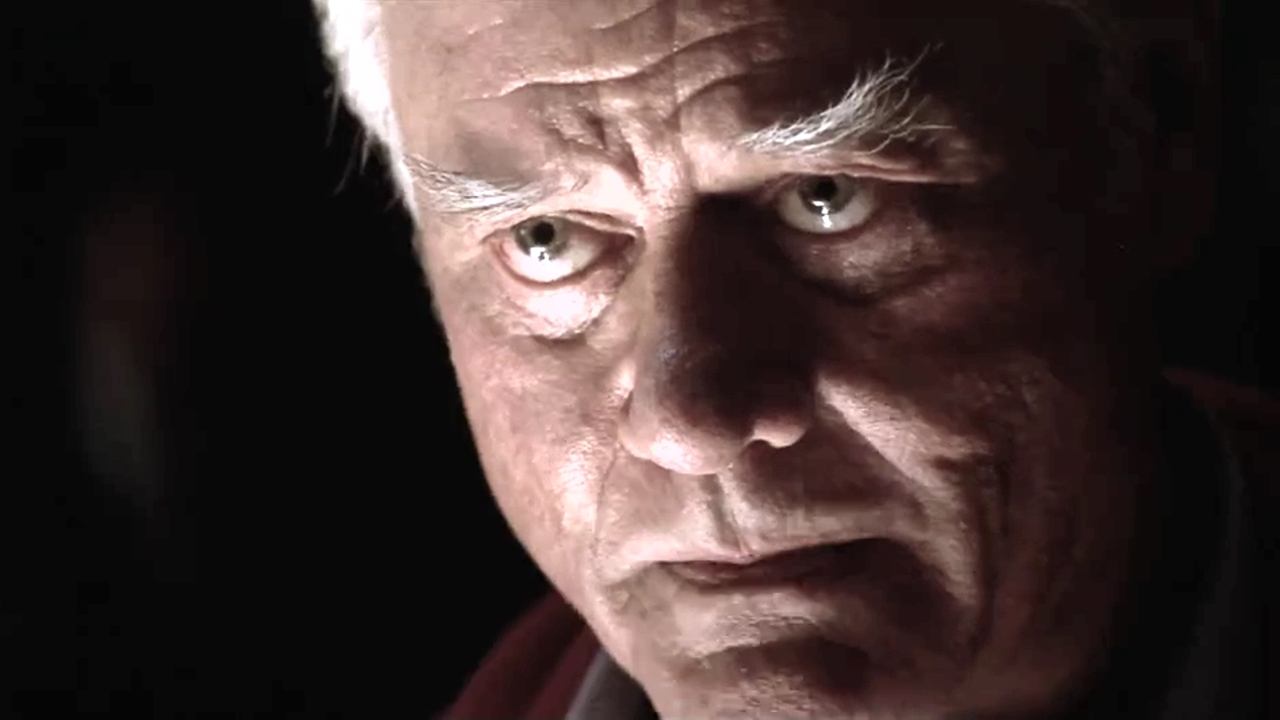
Oliver Stone's Nixon is a fascinatingly underrated piece of '90s cinema. A strangely sympathetic portrayal of one of the United States' most infamous presidents, the film stars Anthony Hopkins as Tricky Dick, chronicling Nixon's failed first White House bid all the way to his impeachment and the Watergate affair.
It's less chaotic than Stone's previous presidential effort, JFK, except for one scene, which essentially sees Nixon threatened by a bunch of Texan oil barons and bank tycoons, which the film also implies may have been behind Kennedy's death. (We have never been more "through the looking glass" than this scene.)
This moment in Nixon on its own is fun enough, but it takes on an added weird dimension thanks to the presence of Larry Hagman, who was most famous for portraying ruthless Texas businessman J. R. Ewing on Dallas. Hagman's appearance in Nixon evokes the spirit of J. R., to the point where it feels like it's same the notorious oil magnate training his eyes on the wayward Commander-in-Chief.
Hagman's cameo still works, but it's hard to shake away J. R. as he puts pressure on Hopkins' crumbling executive.
6. All The Cut Roles - The Thin Red Line
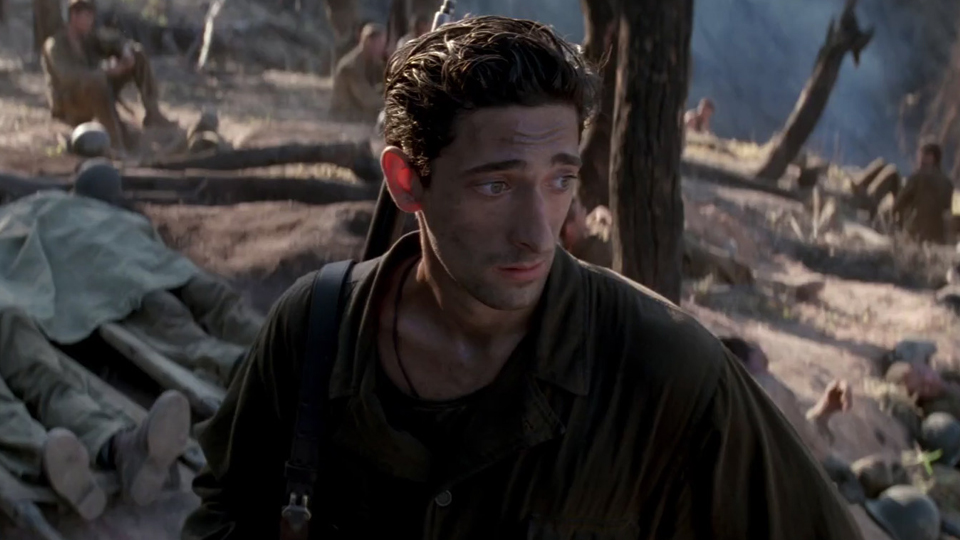
The Thin Red Line is up there with the greatest war films ever made, but it's also one that had an infamously difficult production. There's no arguing with the finished results, which are exceptional, but the production process did leave some some peculiar wounds - most noticeably in the form of several actors having their roles drastically cut.
The most noticeable casualty of the film's edit was Adrien Brody, whose character, Geoffrey Fife, was originally intended as the lead. Director Terrence Malick's final cut reduces Brody to a background figure (a fact Brody didn't discover until a press junket before the film's premiere), and knowing those behind-the-scenes changes does make his presence more peculiar.
George Clooney, who shows up in a minor role in the film's closing scenes, was also meant to have a bigger part, while Mickey Rourke was excised from the final cut entirely.
None of this takes any of the shine away from The Thin Red Line, which is a true genre masterpiece. If anything, seeing prominent actors like Clooney and John Travolta make such brief appearances adds to its charm. But it is one of those where knowing the behind-the-scenes drama does occasionally encroach on repeat viewings.
5. Alice Cooper - Prince Of Darkness
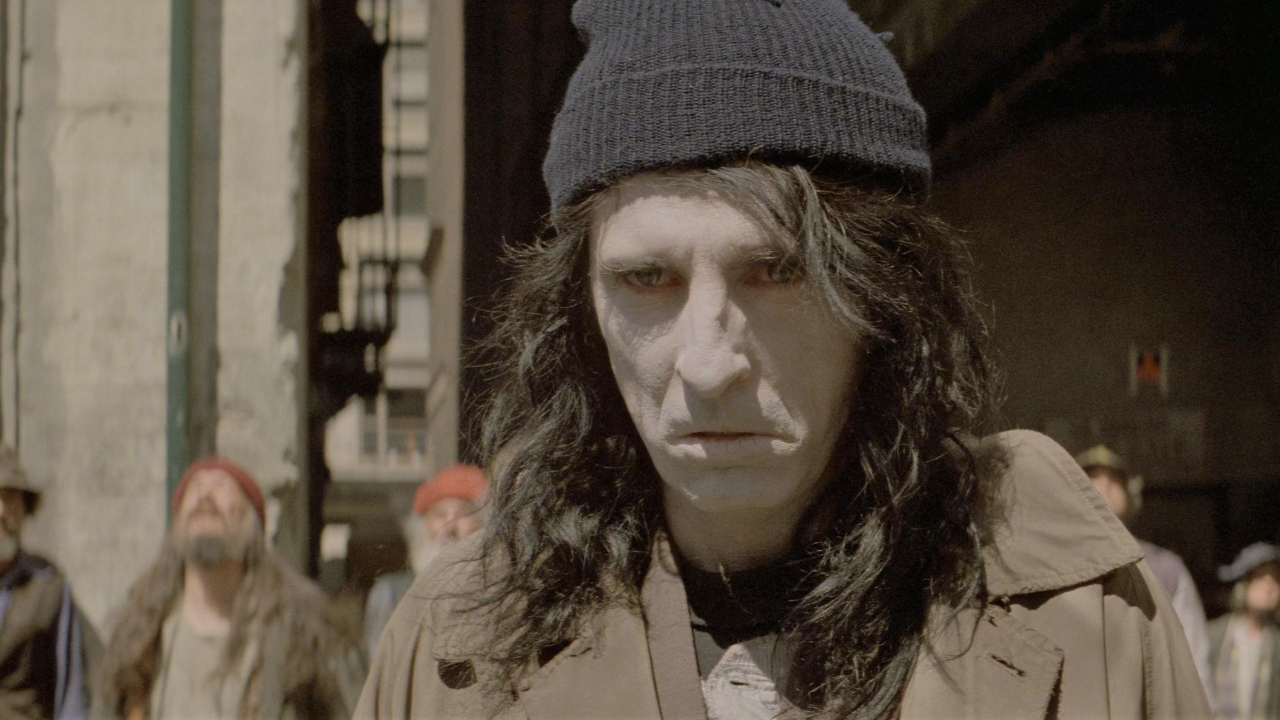
Prince of Darkness is one of John Carpenter's most overlooked efforts, a terrifying entry in the writer, director, and composer's "Apocalypse Trilogy" that revolves around the resurrection of Satan.
Prince of Darkness reunited Carpenter with Halloween and Escape from New York's Donald Pleasance, as well as Big Trouble in Little China's Victor Wong and Dennis Dun. There were also first-time collaborators included in the cast, with one in particular likely to raise a few eyebrows once recognised.
Alice Cooper has a small role in Prince of Darkness as one of the key homeless figures who surround the monastery housing Satan. Cooper, unfortunately credited as "Street Schizo" in the film, is spotlighted as one of the leaders of the throng, and even gets to kill one of the scientists in the building with his trademark stabby thingy he used in his own live performances. Cooper also recorded a track, "Prince of Darkness", to go with the film.
As far as cameos go this one is seamlessly integrated and, if anything, it's cool to see Cooper get a recurring role rather than featuring for just one scene. It's still distinctly him though, and while he does a great job standing there and menacingly staring, it's difficult to shake his stage persona.
That's kind of the fun with it though, and Prince of Darkness is still a perfect horror movie.
4. Gregory Peck - Cape Fear (1991)
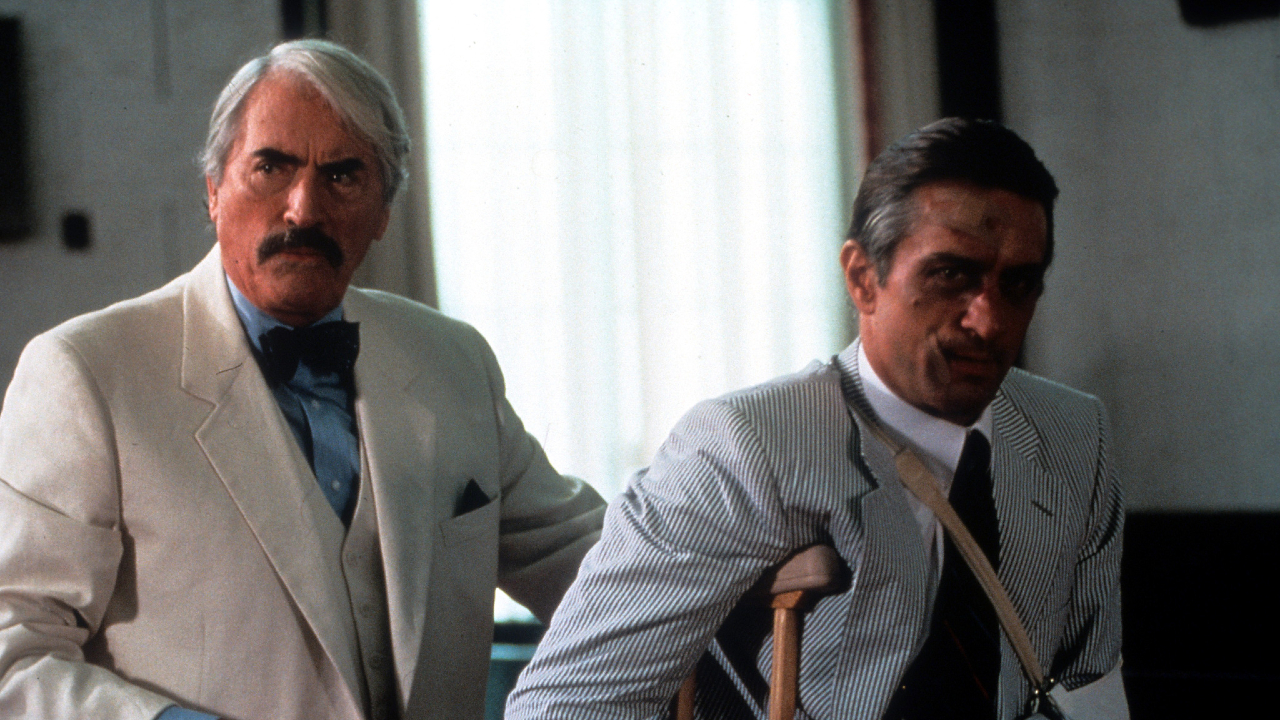
A remake that's a shade better than the original, Martin Scorsese's 1991 thriller Cape Fear reinvented Max Cady for a new generation, with Robert De Niro's performance as the obsessed former convict undoubtedly one of his most iconic.
The film honours and reinvents J. Lee Thompson's 1962 original to chilling effect, with one of its more genius moves being to bring back Robert Mitchum and Gregory Peck. Mitchum famously portrayed Cady in the original film - a performance almost as chilling as his turn in The Night of the Hunter - while Peck, true to type, was cast opposite as resolute lawyer Sam Bowden, the focus of Cady's ire.
Scorsese cleverly flipped the script for the remake, bringing Mitchum back on the side of Bowden as a police lieutenant who steers him outside the law, and Peck as a stereotypical southern lawyer who represents Cady in court. The two of them play these minor roles excellently, but whereas Mitchum - who throughout his career had portrayed heroes, villains, and everything in between - blends more seamlessly into the proceedings, Peck does not.
While Peck certainly took on a variety of characters over the course of his career, he's mostly remembered as the dashing Hollywood leading man. Juxtaposing that in the Cape Fear remake is a great way of subverting that persona (and again, he's great to watch), but the contrast compared to Mitchum is profound.
3. Audie Murphy - To Hell And Back (1955)
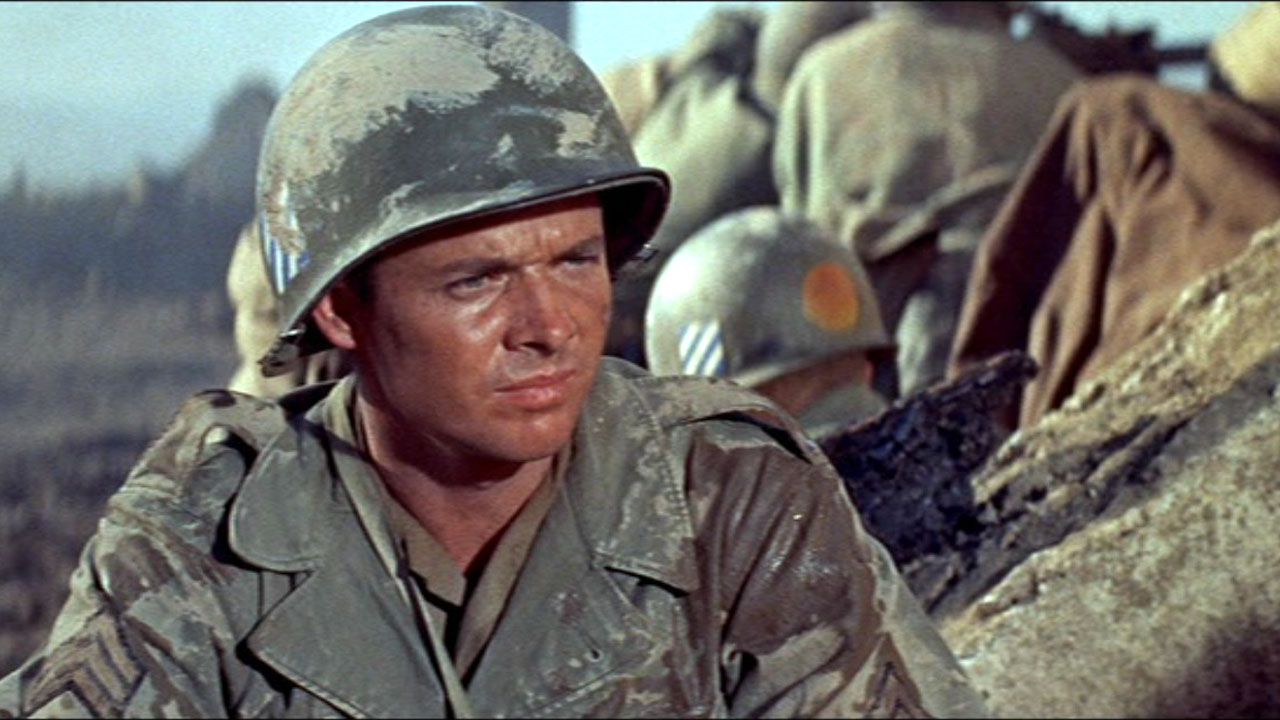
It might be weird to label the main casting of a film distracting when that's essentially the central conceit, but watching To Hell and Back, it's impossible to silence my brain thinking about not only the behind-the-scenes process that led to Audie Murphy - the most decorated U.S. soldier of World War 2 - playing himself in a film based on his exploits, but also what it must have been like for him to relive those experiences for the purposes of big screen entertainment.
Countless directors and actors who fought in the Second World War would go on to develop and star in films about it - Samuel Fuller's The Big Red One was inspired by his own wartime experiences and starred Lee Marvin, who fought as a sniper in the Pacific theatre, to use just one example out of the dozens available - but to relive the events of the battles they fought in specifically, in a film where they played themselves, is a whole other thing.
The closest example I can think of that isn't To Hell and Back would be The Longest Day, where Richard Todd portrayed Major John Howard having himself fought in the Battle for Pegasus Bridge, but it's still not Murphy playing himself levels of onscreen vulnerability.
In more than one way To Hell and Back is a pretty unremarkable war film, but there's something so unique about seeing Murphy play himself and relive those combat experiences in a more sanitised environment. Murphy's real-life story was remarkable, but there's an uncanny quality seeing it rendered in To Hell and Back.
2. Brian Doyle-Murray - National Lampoon's Christmas Vacation
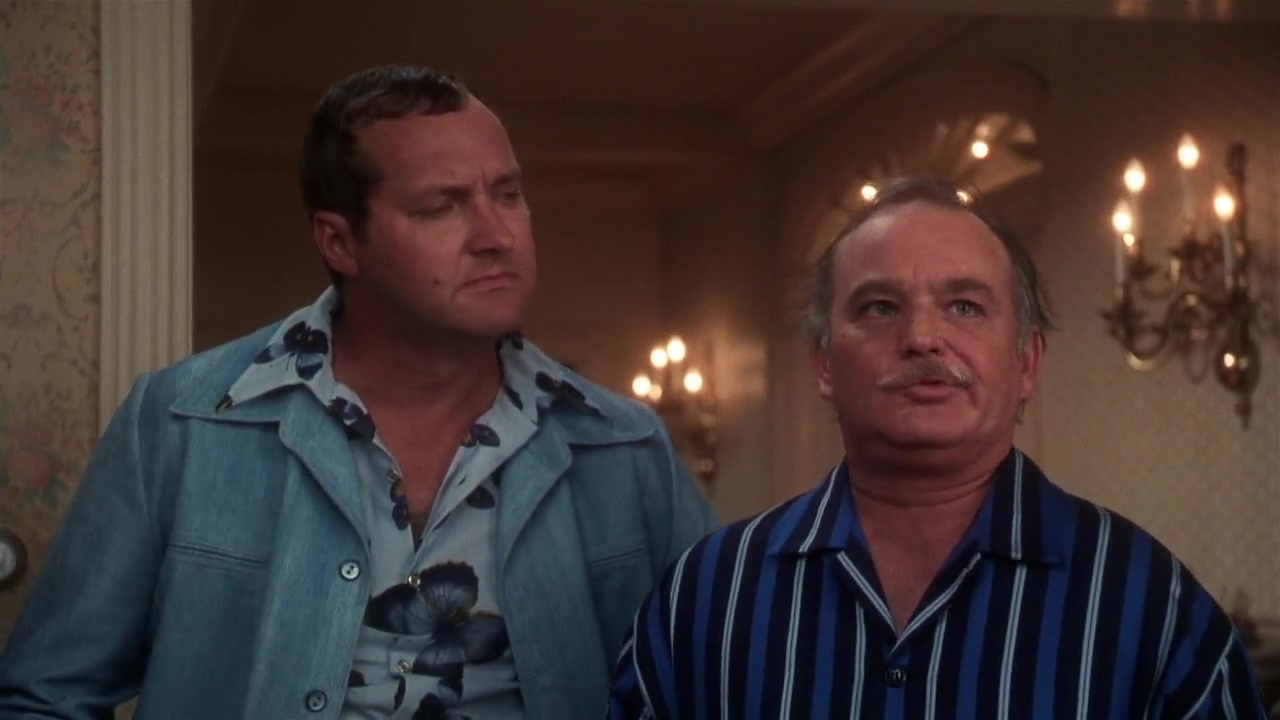
Through no fault of his own, Brian Doyle-Murray is an actor I am always distracted by. This is simply down to the fact that he bears a big resemblance to his brother Bill Murray, so whenever he shows up, I am constantly brought back to the same thought process of, "Wait, is that Bill Murray?" "No. Yeah. No. Yeah?"
I am constantly doing double takes when he shows up, which is very silly, given Brian Doyle-Murray is an accomplished actor and writer with his own storied career, but the shadow of Bill looms large.
Ghostbusters 2 gives me the "I'm seeing double here... four Murrays!" moment when they share the screen, but National Lampoon's Christmas Vacation is the biggest offender solely for the fact that it's a holiday staple and I am somehow incapable of retaining the vital knowledge that Brian Doyle-Murray exists.
1. Ronald Reagan - The Killers (1964)
Don Siegel's 1964 remake of The Killers is amazing for several reasons.
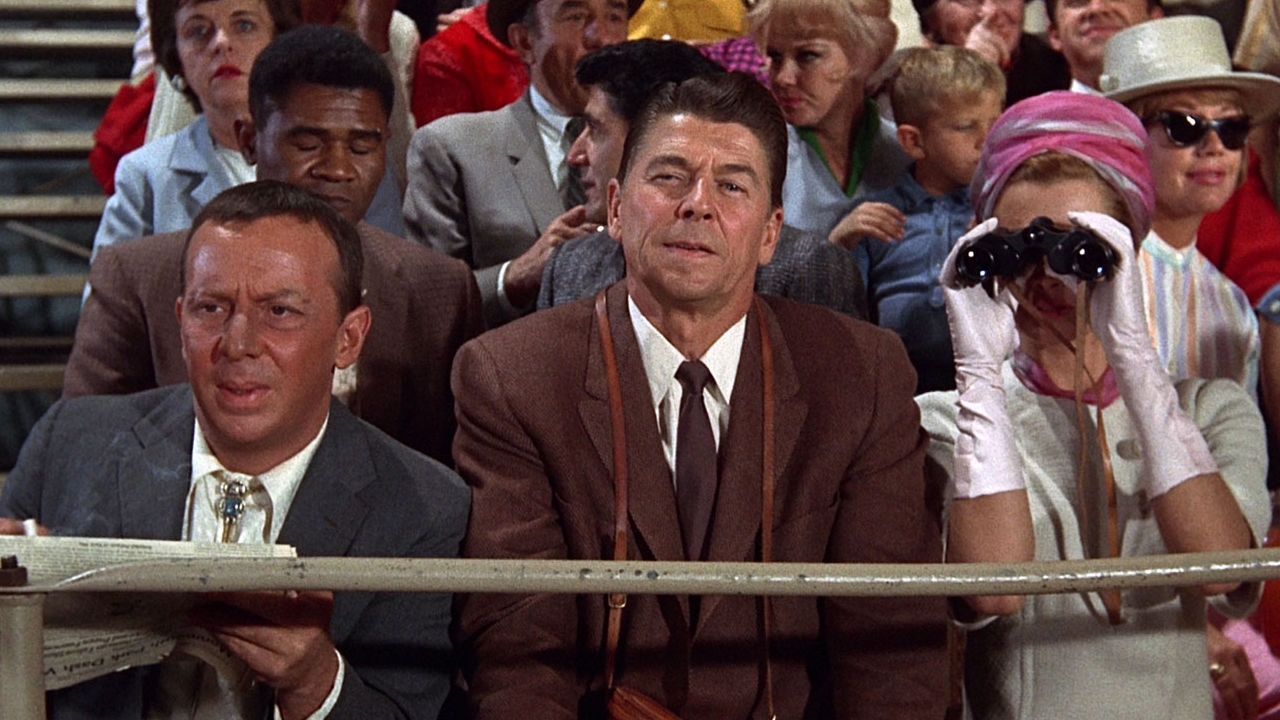
First of all, it stars Lee Marvin as a cold-blooded hitman on the search for truth, backed up by a despicably good Clu Gulager. Secondly, it has a banging, pizazz-filled score from an early-career John Williams. Third, it looks great. And fourth, it has a scene where John Cassavetes punches HUAC collaborator and future U.S. President Ronald Reagan in the face, plus a later bit where he knocks him out with a pistol and throws him out a moving car.
A true "get wrecked, bozo!" moment we should all take a moment to appreciate.
Watching Ronald Reagan in The Killers is a bit of a wild experience, because it was his final film before he retired from acting and became Governor of California. Compared to his earlier B-movies where he looks like a typical young 40s guy, the version of Reagan that shows up in The Killers is only a fraction away from the one who would become President in the 80s.
The wax-slicked haircut and wrinkled face of the then 53-year-old Reagan looks just like his presidential persona, and while The Killers is a great, great film, seeing the would-be President trading barbs with Cassavetes and Marvin will never not be weird.