10 Behind-The-Scenes Issues That Could End The MCU
How contracts, merchandising and other factors could do what Ultron couldn't: End the Avengers
Fans of the Marvel Cinematic Universe can take comfort in knowing that we will not only see two MCU movies in 2016 and three each in 2017, 2018, 2019, and 2020 but that Disney and Marvel Studios have also sketched out plans for the brand through the end of next decade. The MCU is already the highest-grossing film franchise in history, and if all goes according to plan Disney wont need to be concerned with any other franchise even coming close to stealing that crown.
But as with everything else in pop culture, popularity is based on trends and many behind-the-scenes factors. While superhero movies and MCU movies in particular are huge at the global box office, even the most optimistic superhero movie fans know that box office success cannot be sustained forever. Eventually one factor or a combination of factors will likely make the superhero movie go the way of westerns and bodybuilder action movies - slipping into unpopularity and irrelevance.
So what might cause the eventual demise of the MCU? Whether the following potentially killer blows happen sooner or later is all up to how the brand performs over the next decade...
10. The Superhero Movie Bubble Bursts
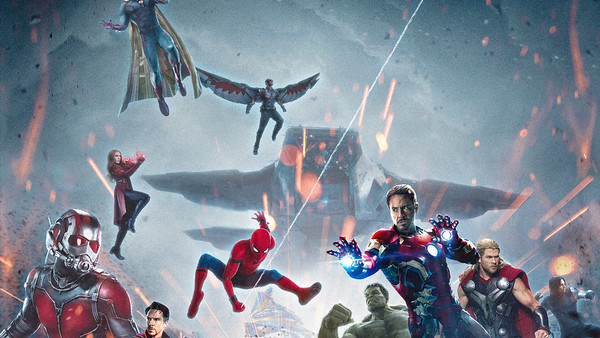
Superhero movies have been making big bucks annually at the box office since 2000s X-Men. Anyone under the age of twenty probably doesn't remember a world without multiple superhero movies every year. While that makes it seem like superhero movies aren't going anywhere, it's expected that at some point the bubble of interest in superhero movies will burst.
2017 has been a true test already, with so many superhero movies being released, but so far the going hasn't slowed down. But with more movies to keep coming in the next few years, there is always the chance of over-saturation, especially if one movie fails.
The upcoming superhero movie overkill can lead to a backlash, even against the popular MCU movies. Young kids might find something else to be interested in instead, like Star Wars, which just happens to be another brand Disney has major plans for. Plus, with superhero movies coming out every couple of months or so from February to November over the next two years, some of them are bound to bomb because of crowded scheduling.
While the tried-and-true MCU movies have an advantage already due to fan loyalty, that won't last if audiences are feeling overall superhero movie fatigue.
9. What's After Phase 3?

While the 2006 comic book storyline Civil War is obviously cinematic-worthy, decades of prior Captain America stories havent been adapted into films yet. Prior to the MCU, no superhero franchise had ever gone beyond four movies. Both the original Batman and Superman franchises concluded with disastrous fourth movies, and both X-Men and Spider-Man had to change their approaches after poorly-received third films. Even though there are decades worth of comic book stories to base movies on, not every comic book storyline is suitable for a movie. Even good stories might seem tired by the third or fourth solo movie for a particular character.
Similarly, once the Avengers battle Thanos in Avengers: Infinity War and whatever Avengers 4 ends up being called, who would be the next big threat worthy of a movie? Thanos has been established as the MCUs biggest villain, so any other villain in big team-up after those would be a step down in scope without significant build. On the other hand, if the Avengers battle Loki, Ultron, or Thanos again it would probably feel like a rehash of the earlier movies. The problem is that Marvel Studios will eventually run out of its best material, and if writing talent can't rise to that level or begins repeating previous material, fans will notice the drop in quality.
According to reports, Disney was disappointed that Avengers: Age of Ultron did not do better in theatres than the original. If the bigger and better Avengers sequel couldn't beat the original's box office, what does that say about the box office potential of movies later down the line?
8. Disney's Packed Schedule

As huge of an empire as Disney is, the company still has limited resources to devote to movies. In addition to the MCU, Disney also has other major brands like Pixar, Star Wars, Pirates of the Caribbean, and its live-action remakes of its animated classics like the upcoming The Lion King and Aladdin. Disney's movie release schedule is set through at least 2019 with very little room for variation as other studios schedule their releases too.
This affects the MCU because changes require a major shuffling of Disney's overall schedule. The announcement that Sony will produce a new Spider-Man set in the MCU forced Disney to push back Black Panther's release date, and the decision to move forward with sequels to Guardians of the Galaxy and Ant-Man earlier than expected means that Captain Marvel and Inhumans keep getting pushed further back in the schedule (with the latter falling off entirely). Despite how popular MCU movies are, it would saturate the market for Disney to release four in a single year (if it is even possible to produce them that quickly). It also means that MCU movies are being shot on tighter schedules. That doesn't always bode well for a movies quality and future MCU movies might end up feeling rushed.
With Disney pumping out so many franchise movies and who knows what other valuable brands Disney will eventually purchase, quality control issues are bound to pop up at some point. It may not affect all of Disney's brands, but the MCU is one of the company's biggest.
7. Cumbersome Continuity
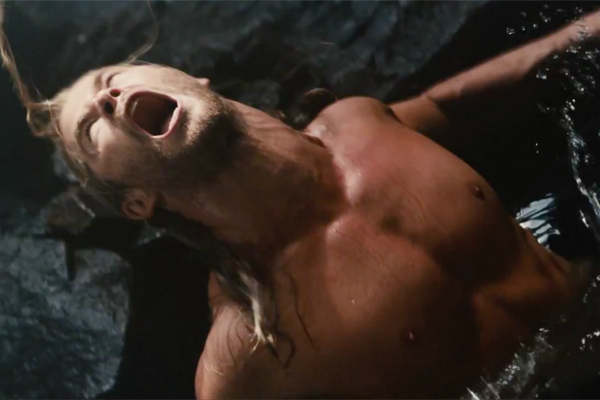
One of the main complaints made about Avengers: Age Of Ultron was its continuity. With about a dozen characters interacting across the narrative, there were some sequences that seemed awkward in the context of the movie, like Thor taking a dip in an underground lake. While the movie might have made sense to MCU fans who have watched all the movies and TV shows, those who only watched The Avengers or the Iron Man movies were likely lost.
With sixteen movies, six TV shows (including the now cancelled Agent Carter), and several short films (and many more of each to come), it's easy for casual fans of MCU movies to get lost with the sheer amount of story they are supposed to know going into these films. Though fans have so far loved the interconnected MCU universe, it's at the point where it is not user-friendly when it comes to drawing new fans. Because of that, the complex overarching narrative is both a benefit for current fans and a drawback in creating new ones.
Like the comic books they are based on, there is growing concern that too much continuity can turn away new viewers the more lengthy it becomes.
6. Toyetic Decisions
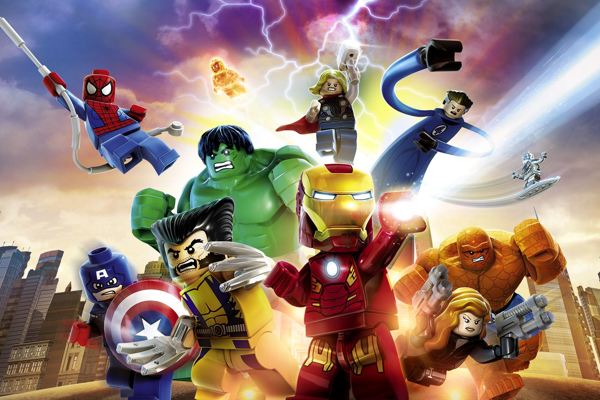
The original Batman franchise came to a disastrous end with 1997s Batman and Robin for many reasons, but one of the primary ones was Warner Bros. executives insisting that the movie be made more toyetic i.e., more kid-friendly in order to sell more merchandise. While obviously these superhero franchises exist in part to sell toys, t-shirts, video games, and everything else that can be branded, Batman and Robin is an example of how executives more concerned with toy sales than movie quality can significantly damage a franchises quality and long-term earning potential.
The MCU has avoided such bad decisions so far, but with the Disney marketing machine behind it selling Marvel toys it might just be a matter of time before Disney executives become more concerned with action figure sales than box office potential. Just look at Baby Groot in Guardians of the Galaxy Vol. 2, who partially exists to sell merchandise.
Disney's merchandising machine is going full throttle for Star Wars too, particularly for the droid character BB-8, and the success of Olaf merchandise all but guarantees that the snowman will have an even bigger role in Disney's Frozen 2. As part of the Disney empire, the MCU isnt immune from executive direction dictated by merchandising.
5. Unsustainable Contracts

Marvel Studios actor contracts are infamous in Hollywood. First, actors are contracted for a half-dozen (or more) movies, which goes far beyond sequel clauses in traditional contracts. Second, because everything regarding the MCU is treated so secretly actors are required to sign these contracts despite being in the dark about the direction of their characters. Finally, Marvel Studios does not offer large salaries to actors. In fact, Robert Downey Jr. - who had a larger contract because the original Iron Man predated the MCU - is rumoured to have demanded pay raises for his fellow Avengers for Avengers: Age of Ultron, which is one reason why the budget for the Avengers sequel ballooned to $60 million more than what was spent on the original.
On one hand, actors see being in MCU movies as an advantage because it allows them to work steadily, increases their profiles, and opens them up to other revenue streams like merchandising. However, some actors have already expressed dissatisfaction with the way Marvel Studios does business. Natalie Portman allegedly tried to get out of doing Thor: The Dark World because she disliked the creative direction, and Joaquin Phoenix reportedly passed on playing Doctor Strange because of concerns that the multi-film commitment would interfere with his other projects.
While Marvel Studios contracts have been beneficial for most actors, there are obvious issues actors have with signing on for so many films. With stars like Downey Jr., Portman, and Phoenix already expressing frustration with the way Marvel Studios does business, these issues could bring down the studios contract model and make future Avengers films financially impossible.
4. Sharing Spider-Man
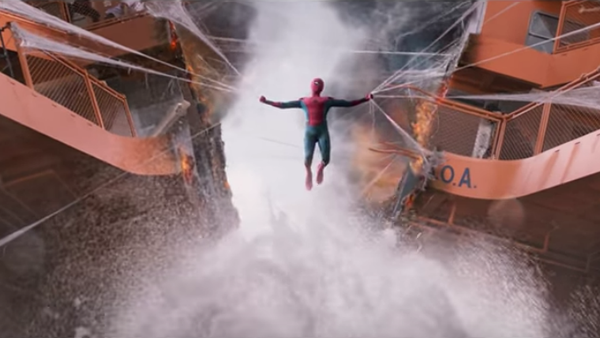
Marvel fans rejoiced when Marvel Studios and Sony announced a unique deal that would allow the studios to share Spider-Man for their movies. And, based on the success of both Captain America: Civil War and this year's Spider-Man: Homecoming, everyone is a winner, right?
However, rarely have movie studios collaborated this closely on creative decisions, and with so many cooks in the kitchen it's possible that Marvel Studios and Sony will clash on the direction of Spider-Man in the MCU and in the character's solo movies, even if it didn't happen with Homecoming.
It's not yet clear who has final say if Sony wants Spider-Man to follow one particular storyline while Marvel Studios executives want the character to be handled differently, nor how these disagreements will be addressed, while there's also the worry that, with Spider-Man becoming a big, beloved part of the MCU, what happens if the initial deal (which takes us to at least a Homecoming sequel) doesn't get extended.
3. Creative Differences With Filmmakers
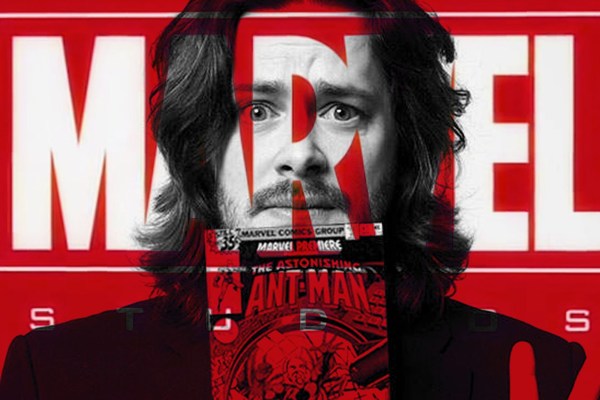
Marvel Studios can't make such highly-regarded movies without top filmmaking talent, and as detailed before there have already been more than a half-dozen filmmakers who have had creative differences with Marvel Studios. Some of these filmmakers include top-tier talents whom have refused to work on MCU movies because of the creative limitations imposed by the studio. These issues are seemingly only getting worse as the MCU becomes more and more interconnected with each additional film.
Because of this, passionate and talented filmmakers have been passed over or even let go from MCU movies. The most famous example is director Edgar Wright, who spent nearly a decade developing Ant-Man before departing because of creative differences, including Marvel insisting he tie his film closer to Avengers storylines.
As a result of this kind of interfering, it's possible that Marvel won't always be getting the best filmmaking talent for its upcoming movies, which would obviously hurt the quality of the movies.
2. Audience Rejection Of Replacement Actors
Robert Downey Jr. is so good at playing Tony Stark that it's hard to imagine anyone else in the role. But Avengers 4 is the last movie he is contracted to play Iron Man in, and there are no official plans to make Iron Man 4. Which brings up the nearly unthinkable possibility: can the MCU survive without Downey Jr. as Iron Man?
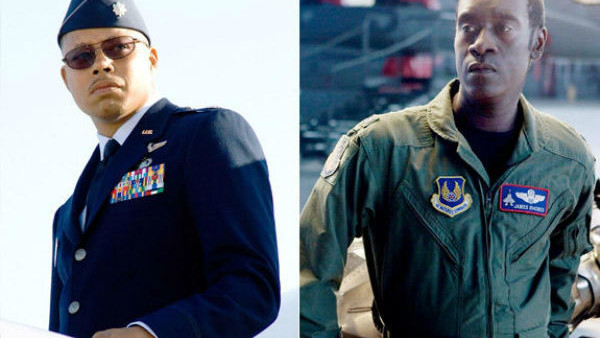
While audiences had little issue with Don Cheadle replacing Terrence Howard as James 'Rhodey' Rhodes (and eventually War Machine) or Mark Ruffalo replacing Ed Norton as the Hulk, could the same be said when its time for Robert Downey Jr. to be replaced as Tony Stark, Chris Evans to be replaced as Steve Rogers, and Tom Hiddleston replaced as Loki? While there have been multiple actors who have played Batman and Superman, in the case of Downey Jr. and Evans they will have far longer associations with their characters than any actors who ever played Batman or Superman.
The fact that many of the principal Marvel actors contracts run out with Avengers 4 means that Marvel might have to replace many well-known actors with new faces in a short period of time. Fans may not choose to keep following a team of unrecognisable Avengers or an Avengers team made up of second or third-tier characters.
1. Kevin Feige

Marvel Studios President Kevin Feige is the man who made the MCU what it is today. As the architect of the MCU, no other executive has had such a hands-on approach with the MCU movies as Feige. While MCU movies have had many talented directors and screenwriters behind them, it is ultimately Feige who has the final say on the direction of the MCU. Most would say he's done an extraordinary job so far.
The latest word we have on Feige's contract comes from 2015, with him stating it ends in 2018. While he's almost certain to sign a new one, it's possible that Feige and Disney will be unable to come to terms for various reasons, including money and control. Perhaps Feige would be promoted to a different role at Disney that would distance him from the creative direction of the MCU. Or perhaps Feige leaves Disney entirely for a new challenge. Regardless, there are reasons why Feige might not be so involved with the MCU in the long-term.
If that's the case, can the MCU continue to thrive without Feige? Fans saw the X-Men franchise take a steep decline when Bryan Singer left to work on other projects, and the Spider-Man franchise is only now recovering from Sam Raimi leaving the franchise after disagreements with Sony executives over Spider-Man 3. Whenever Feige leaves, fans might see a similar decline in quality.
What will be the most likely cause of the end of the MCU, or do you expect Disney to keep it successful forever? Share your thoughts in the comments.