10 Biggest Parts Of The Marvel Movie Formula (That Will Destroy The Series)
Because Guardians Of The Galaxy was basically The Avengers IN SPACE.

After The Dark Knight it initially appeared superheroes had nowhere else to go. Here was the zenith of the genre, expertly bringing the graphic novel source to life in a totally legitimate way that almost, gasp, didn't feel like a comic book movie. Surely anything that followed would be unable to escape the shadow of Christopher Nolan's epic.
In the intervening years we've seen comic book movies raise the game to a whole other level. Nothing is yet to hit The Dark Knight levels, but with shared universes now in vogue the genre's only increased its box office dominance. The Marvel Cinematic Universe, which sneakily kicked off with Iron Man mere months before The Dark Knight, took the essence of what made Nolan's Batman work, threw in an overarching continuity and more levity, and became one of the biggest franchises of all time.
The films themselves (the odd misfire aside) are fun outings with mass appeal, but there's enough hidden in there to get established fans geeking out. There's always been an unwritten law to superhero movies and while it looked like the MCU was treading entirely new ground, it too has now fallen into formula. It's a bloody good formula that hasn't failed since well before The Avengers, but even the biggest Marvel fan can see there are some conspicuously obvious elements running through the studio's movies.
Today we turn our eye to ten of the most prominent that, if left unchecked, could really mess up the franchise.
10. Death Fake-Out
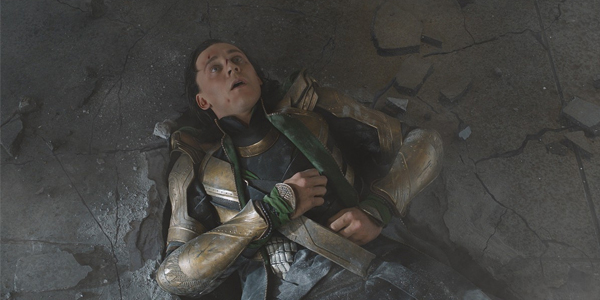
The temporary nature of comic book deaths has long been mocked by fans, but after decades of show-stopping events (the deaths of Superman and Captain America made the leap to be reported in mainstream media) they've become part of the fabric of the superhero genre in print. Unless you're Uncle Ben odds are death is just a few months holiday. On the medium of film, however, it doesn't really work. Just like hokey dialogue stands out more when transferred to the big screen (see Sin City, where it's noticeable but just about works), death fake-outs quickly become irritating. Joss Whedon, a fan of bumping off beloved characters, brought back Agent Coulson after stabbing him through the heart in The Avengers, Loki was resurrected in a shock twist at the end of both Thor films and, most egregious of all, Nick Fury somehow fakes his death in Captain America: The Winter Soldier, dominating a good chunk of the run-time but adding little to the plot. As Samuel L. Jackson had another three movies on his contract it was pretty obvious he was safe. All it really does is highlight the invulnerability of these characters. Of course Tony Stark isn't going to die, but it'd be nice to get caught up in everything and in the moment think he could. When Marvel do kill someone (our money's on Steve Rogers in Captain America 3) expect a good period of audience uncertainty as to whether he's actually gone for good.
9. Large Scale, CGI-Heavy Finale
8. A Strong Female Character

7. All-Out Humour
6. SCIENCE!
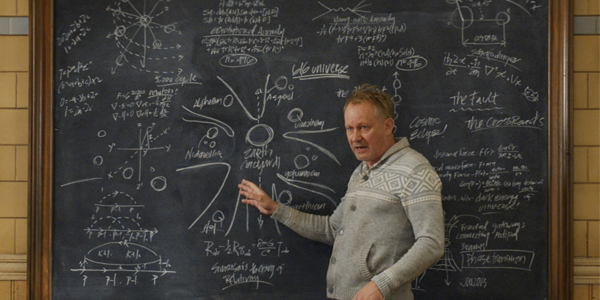 MarvelYou can't really build an Iron Man suit or an arc reactor. It's impossible to manufacture a super soldier through was injection (and attempting to copy it wouldn't create an unstable green creature). There aren't alternate dimensions out there. But don't let that stop the MCU trying really hard to pretend that isn't the case. Up until Guardians Of The Galaxy (which rightly ditches with the idea), Marvel movies tended to come with a customary scientist or too to throw out buzz words and give the illusion of some logic to proceedings. That kinda makes sense - the one film that really gave up on science was Iron Man 3, which with its unexplained fire-breathing certainly went too far - but by now it's getting increasingly heavy handed. Sciencey mumbo jumbo is a good way to get heaps of plot exposition across to the audience, but when it's done poorly it just adds to the confusion. Thor is the prime example of this, with Erik Selvig being a character existing purely to provide some in-world scientific grounding to the multiple realms. While that was fine when there were questions how the more realistic Iron Man would fit with a Norse God, post-Avengers it's just getting in the way. Thankfully this one should sort itself out. Captain America: The Winter Soldier's mid-credits sting teased the much less grounded 'Miracles' (what it seems Marvel is calling their version of mutants), while the long mooted Dr. Strange movie should fully push the series into fantasy.
5. MacGuffin Driven Plot
4. Plot Resolution In Post-Credit Scenes
3. Every Hero's Journey Is The Same
2. One-Shot Villains
1. The Whole Phase Structure