10 Dumbest Decisions In War Movie History
The worst choices lead to the most brutal results.

War, what is it good for? Well, absolutely nothing, as Edwin Starr put it. Yet it's still been a constant fixture in human history. For centuries, blood has spilled over territory disputes and basic hatred. When entering combat, you'd best hope that your side comes out on top in the skirmish or wider conflict.
One strategic move on the battlefield can result in a narrow victory or a crushing defeat. The greatest battles waged have played a key role in shaping world events. Film adaptations have portrayed this history with their own intensely dedicated gusto.
Throughout human history, many failures and crushing defeats have led armies and their commanders to ruin. Thanks to the efforts of the silver screen, we bear witness to these horrific changes of fortune on a grand scale. The horror of mistakes and failed efforts are put on full display.
Some of the poor decisions in this list come from misguided tactics on the battlefield. Others come from individuals making a move that costs their fellow soldiers dearly. Often the following ten moments ruled the fate of both historical events and their cinematic counterparts, fictional or otherwise. Let's take a look.
10. The Patriot - Trusting A Local Militia Force

Starting off, we have The Patriot directed by Roland Emmerich. It arrived in 2000 and took place at the height of the American Revolutionary War. It pits Captain Benjamin Martin (Mel Gibson) against the deadly Colonel William Tavington in several major battles.
The character is based on the real-life Banastre Tarleton, an infamous British soldier who led his band of raiders to aid in the recapture of Charleston. The cinematic portrayal of this individual goes for a more ruthless tone as Tavington brutalises many of his continental victims. Despite his methods, he's taken on by General Charles Cornwallis to eliminate the enemy by any means necessary.
This quickly proves to be a mistake. Putting his trust in the violent colonel only stokes the fires of rebellion even more and the result is a decisive battle at Cowpens. This loss, acting as a domino effect, leads to defeat after defeat for the seasoned British commander. He's forced to retreat many times over the coming weeks.
These events, while heavily fictionalised for the film, led to the final siege of Yorktown in 1781. With this final encounter, the British were driven out of the continent and forced to accept the United States as its own independent nation.
9. 300 - Disregarding The Hunchback Ephialtes

Heavily stylised and massively successful, Zak Snyder's 300 was the film that catapulted the director into blockbuster success. It's based on the famous Battle of Thermopylae in which the titular Spartans managed to fend off an entire army of Persian invaders for three days. This power is always on display throughout the movie.
Outside of some losses to the Persian Warrior Elite, the Spartans seem nearly invincible; they're able to best countless waves of soldiers and even the mightiest war elephants. But there's one flaw in Leonidas's plan; a deformed hermit he refuses to acknowledge.
Ephialtes betrayed the Spartans and assisted the Persians in their victory at Themopylae. In the film, he is a hunchback who wishes to reclaim his family's lost honour by fighting with the 300. While Leonidas is sympathetic towards him, he refuses Ephialtes a place, feeling his inability to raise a shield would compromise their battle formation.
This proves to be the leader's undoing as the embittered outcast heads over to the opposing side, revealing a hidden passage that allows Xerxes to flank the warriors from behind. Had the Spartan King allowed Ephialtes into his ranks, he would have avoided this betrayal. As it stands, this decision leads to the Spartans' eventual defeat.
8. Independence Day - Not Gathering Intel On The Aliens
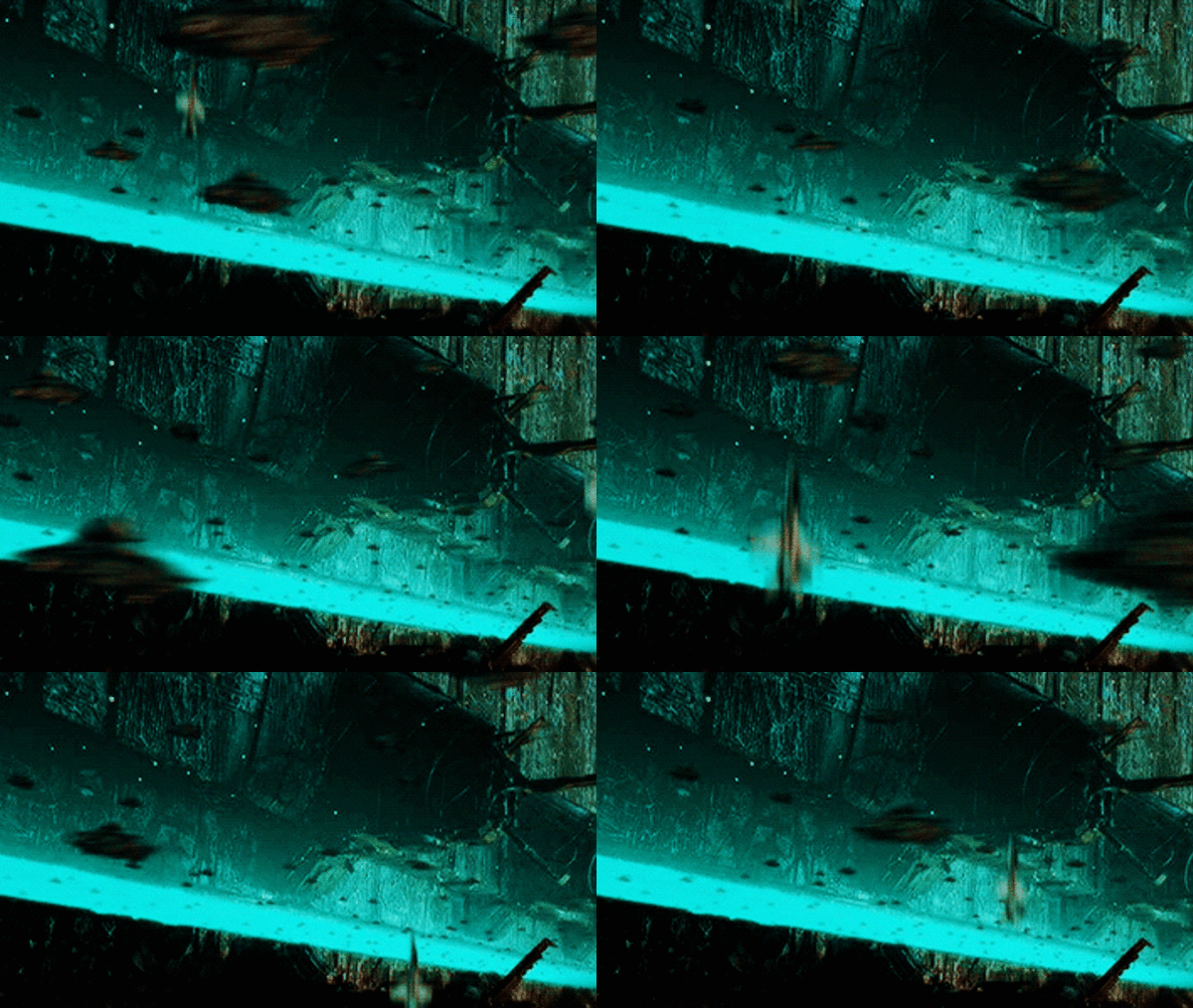
In another entry from Roland Emmerich, it's Independence Day. This blockbuster was a monster hit in 1996, going off the simple premise of man going up against aliens in their giant UFOs. It's best known for the basic popcorn entertainment it delivered at the time.
Early on, the aliens are on a rampage, blowing up major landmarks and generally spreading massive panic among the populace. As humanity takes on further battles with the celestial menace, the last push comes down to an all-out assault on the lead vessel.
One rousing speech later and the humans are seemingly ready to go. There's one problem; they never gathered any information on the alien mothership before commencing the assault. Boosting morale can only get you so far when it comes to tackling any foe and an off-world threat requires much more preparation.
Basing their battle plan almost entirely on a whim, it's practically a miracle that the humans manage to come out on top in the end while suffering heavy losses - thanks to the efforts of the air force and a few pilots willing to sacrifice themselves to save the species. On top of this, attempting to fly an alien spacecraft is pulled off without any hitches for out lead protagonists.
7. Saving Private Ryan - Using An Entire Squad To Finish Off A Tank
Saving Private Ryan is an all time classic of the genre and much of this stems from its realism. They say that no plan survives contact with the enemy and one decision costs our protagonists dearly.
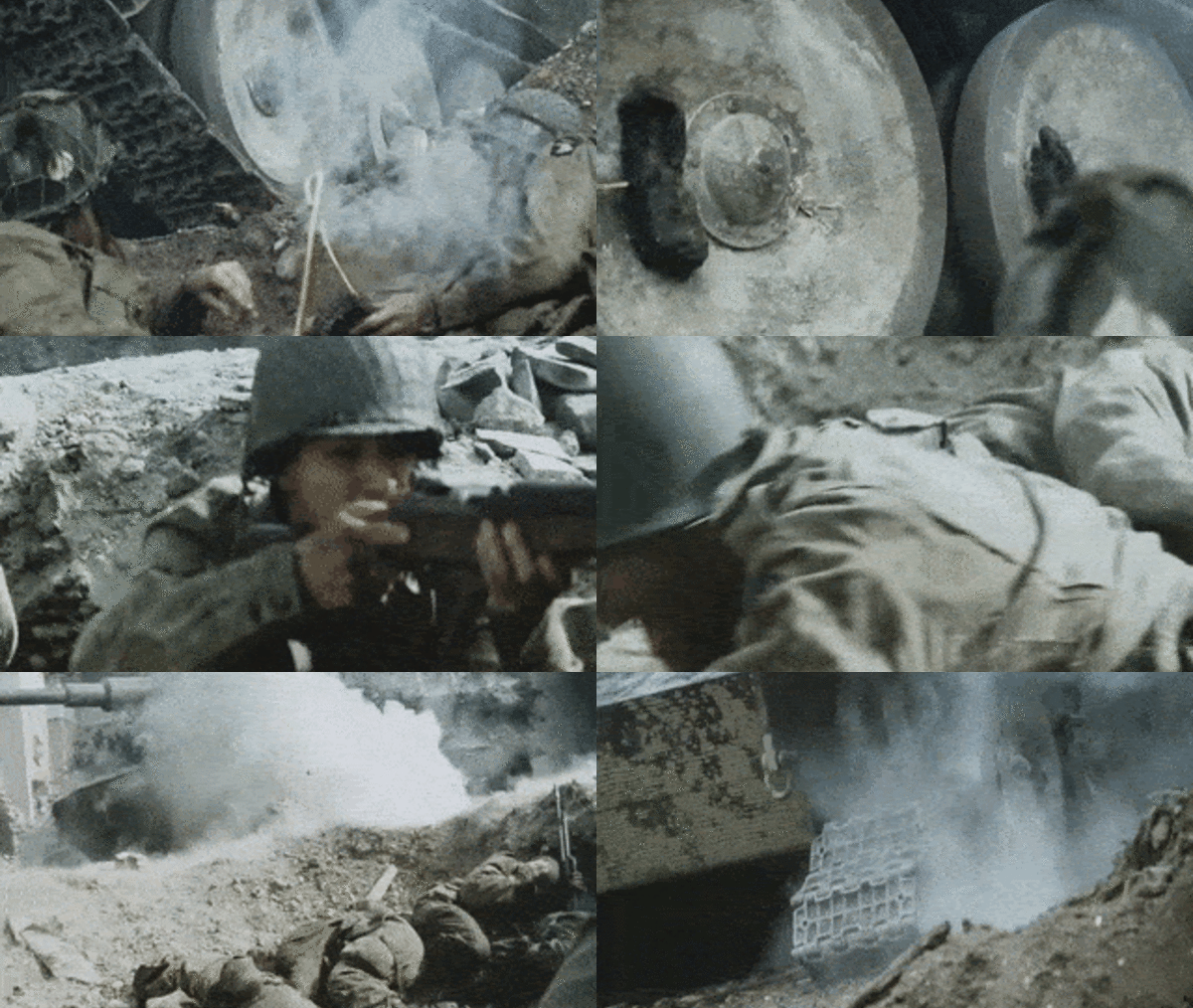
In a final battle at the French town of Ramelle, Captain Miller's platoon is up against a much stronger force and must improvise to succeed. The ambush opens well with turret and sniper fire catching their foe unaware. It culminates with the first German tank being disabled by the squad with sticky bombs.
Soon afterwards however, things take a turn for the worse. With the tank crew vulnerable, several soldiers jump in to finish it off. They shoot the driver and follow up with a set of grenades. This leaves them gravely exposed when a 20 calibre gun rolls up. Nearly all of the paratroopers are killed in gruesome fashion, shifting the battle in the Germans' favour.
What follows is a desperate retreat with most of the Americans losing their lives. It's down to sheer luck that the survivors are saved at the last second by P-51 bombers that rout the enemy along with other reinforcements. The platoon could have maintained their manpower and positions if a single trooper had taken out the tank.
6. The Hurt Locker - Hunting Down Insurgents Without Backup
Easily the most critically acclaimed film on the list, The Hurt Locker is a powerful production. In addition to being an excellent portrayal of war's futility, it also delves deep into the mind of a soldier and the lust for battle that can consume them.
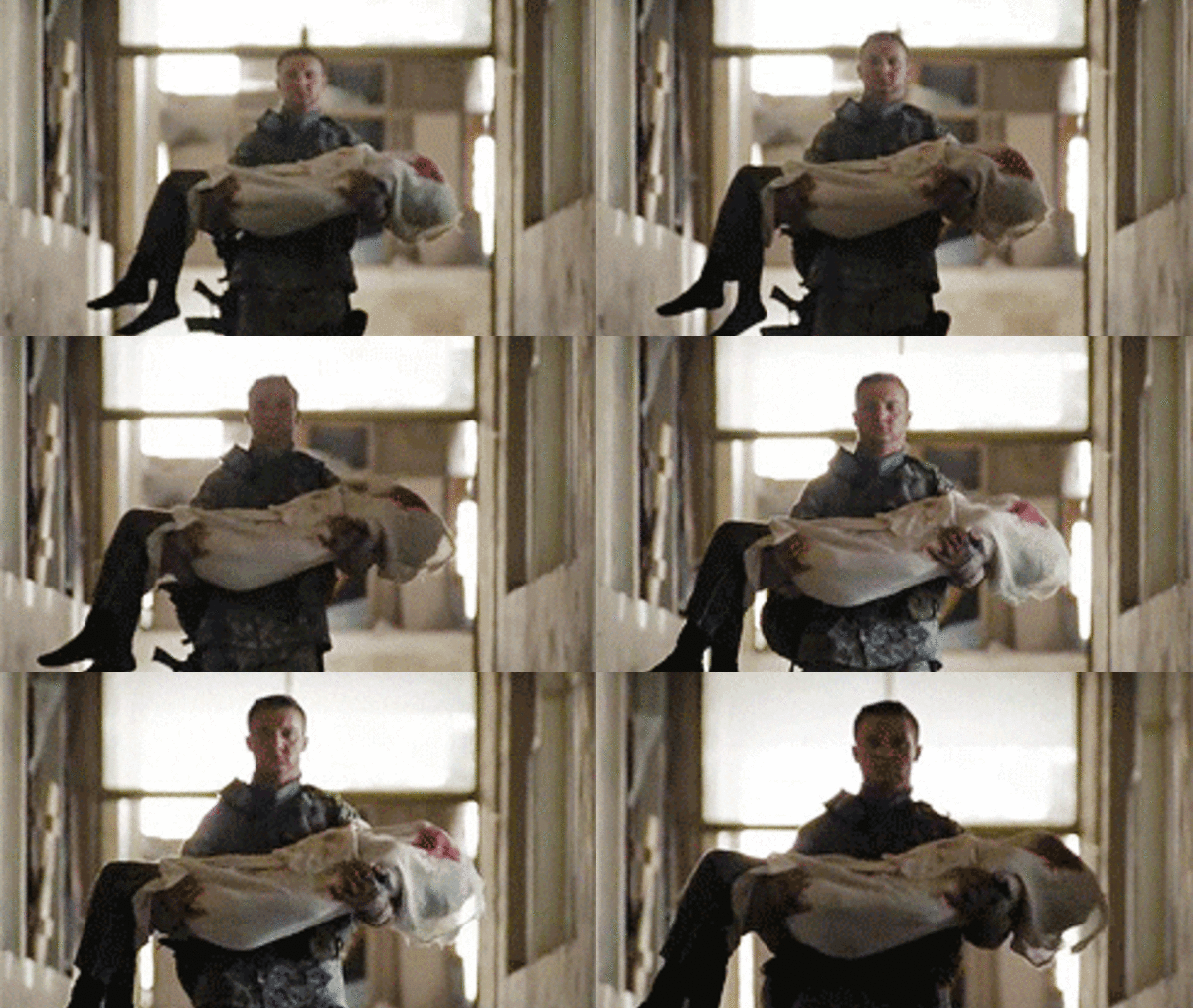
At the film's halfway mark, James stumbles across a gruesome lab in which improvised explosives have been implanted in young boys. Will believes one of these victims to be a child nicknamed "Beckham", who he took a liking to earlier over a football game.
Feeling responsible for the boy's horrific death, James resolves to track down those responsible, often going outside regular parameters to do it. This misguided crusade reaches a boiling point when he chases after the enemy with his comrades reluctantly following. Venturing into a claustrophobic village at night, specialist Owen Eldridge is ambushed. He's about to be dragged off as a hostage when Will finds him.
The unexpected rescue is successful, but Eldridge is shot in the leg by friendly fire. Things only get worse the next day when James finds Beckham alive and well, making his entire escapade completely pointless. This waste of resources and efforts stands as one of Will's most brash decisions in the film. Even Sargent Sandborn starts to resent him afterwards.
5. Apocalypse Now - Venturing Into The Enemy Camp Alone

Lauded by many as the finest film on the Vietnam War, Apocalypse Now is a near-flawless combination of Joseph Conrad's Heart Of Darkness and one of America's most controversial conflicts. In the film's story, Captain Benjamin Willard (Martin Sheen) must travel deep into enemy territory to assassinate the rogue Colonel Kurtz.
This objective is just the prelude to a deeply twisted journey. The further up the river they go, the more screwed up things become. With most of the crew dead, only three of the men finally make it to Colonel Kurtz's camp. It's a haunting place in which a band of Vietnamese and American soldiers have regressed back to tribal sensibilities.
Much of Apocalypse Now focuses on the madness of warfare and the way it overtakes a soldier's mind. To terminate the Colonel with extreme predjudice, Benjamin must venture into the camp. Viewing its occupants as mostly docile turns out to be a big mistake.
The protagonist heads in alone and ends up getting swarmed by Kurtz's new platoon. He's quickly overpowered and brought before his insane target before being locked up in a cage. At the very least he needed some light backup. This results in the death of fellow trooper Chef, whose decapitated head lands on Willard's lap in horrifying fashion.
4. Enemy At The Gates - Blind Faith In The Soviet Cause

In contrast to many World War Two films, Enemy At The Gates is entirely focused on the Eastern Front. It recounts one of the bloodiest battles in history and bases its story on the tale of two skilled snipers in Stalingrad.
In the film, Commisar Danilov (played by Joseph Fiennes) is fiercely loyal to the cause and utterly convinced that the USSR will eventually come out on top. But as the siege of Stalingrad wears on, his loyalties are greatly tested. Much of his work is spent away from the frontlines, meaning he has little experience of the hell the troops are going through.
Soon after the battle begins, he is promoted to a senior lieutenant position. The tactic of hit-and-run adopted by the Red Army leads to massive casualties and Danilov soon begins to question his leaders. Had he not been so blind to the cause, he could have rallied the men and moved towards more effective tactics. He eventually loses his will to fight on and exposes himself to the enemy sniper.
As it stands, this fictional character represents the more arrogant side of the Soviet leadership. While they were eventually able to push the Germans all the way in the closing years of the war, the cost was dear. An inability to question their approach and direction ended up costing the Russians over twenty million lives.
3. Glory - Charging A Heavily Guarded Fort Head-On
Venturing back well over a century, we have Glory. This widely acclaimed civil war film follows the first African-American regiment to enter combat. Led by Colonel Robert Gould Shaw, the heroism of this group compelled many other black Americans to fight for their freedom and even Abraham Lincoln himself praised their actions in turning the tide.
As the deadliest war in American history, the Civil War was a nasty combination of new technology and outdated tactics. Through the use of artillery and stronger firearms the older tactics of cavalry support and bayonet charges became brutally ineffective.
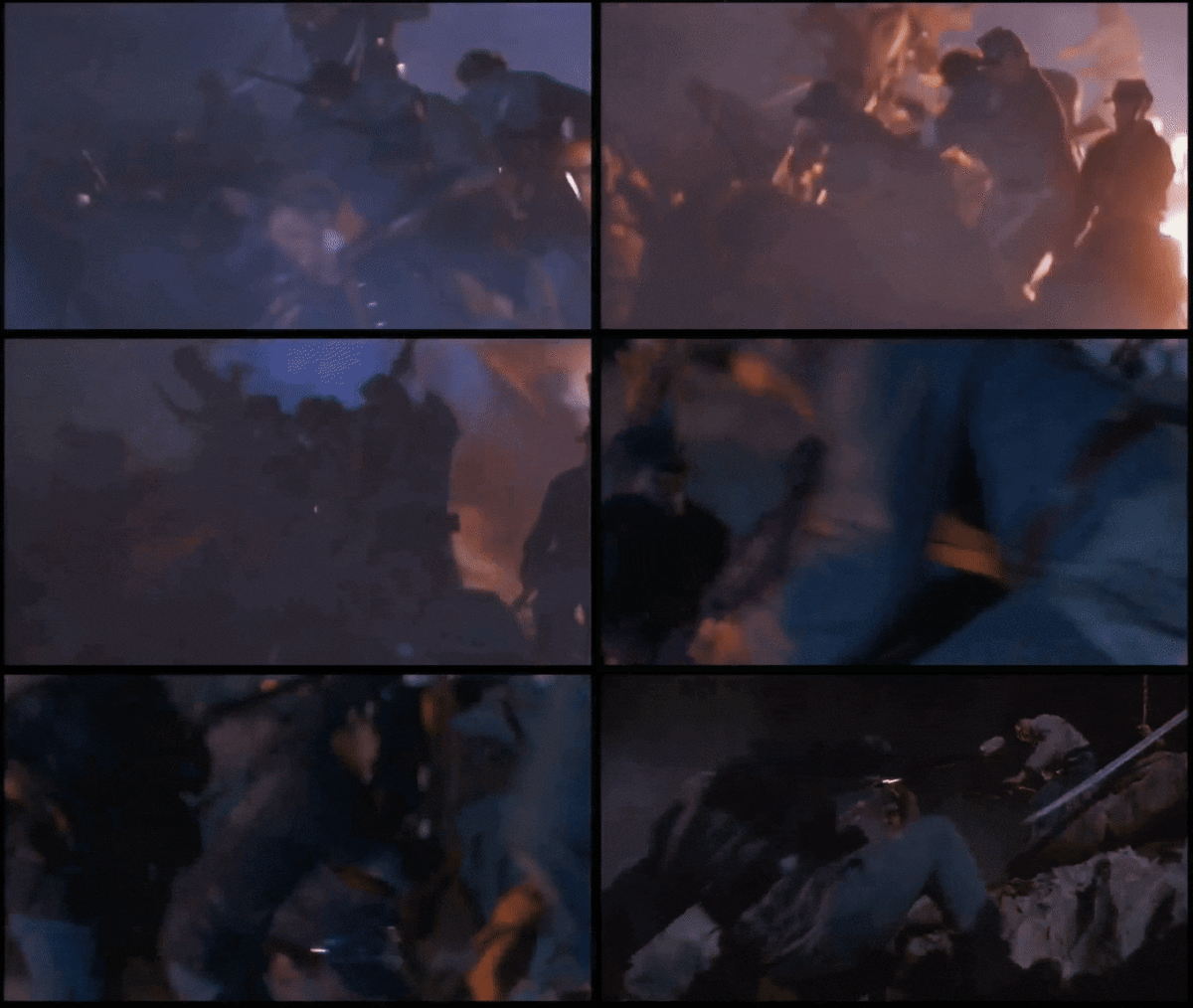
At the film's conclusion, the 54th Regiment attacks Fort Wagner. It's a futile effort and Colonel Shaw knows it. In a final noble effort, he leads his men along the beach, readying themselves for the frontal assault. Sadly, this band of brothers is about to be met with a cruel reality upon making this decision.
As we find out, the result is a bloody massacre. Robert is one of the first to fall, charging ahead of his men in a bid to raise their morale. The contingent is no match for the entrenched Confederate forces who annihilate the attacking Yankees. The inability to devise new methods of attack led to thousands of deaths across the conflict.
2. American Sniper - Exposing The Squad's Position With One Shot
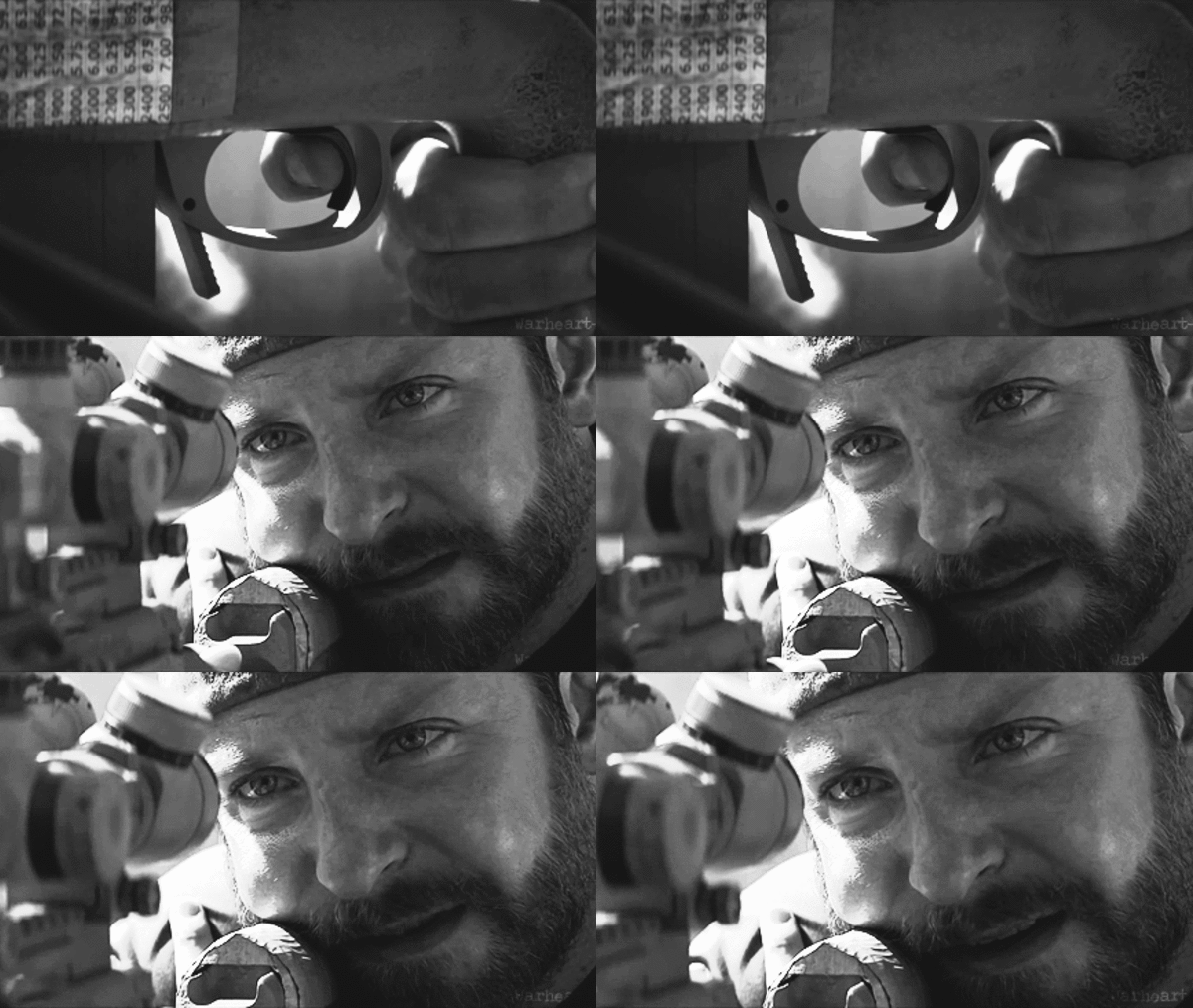
The most recent flick to make the list, American Sniper takes place in the more contemporary setting of the Iraq War. We follow Chris Kyle (Bradley Cooper), who enlisted in the army after the events of 9/11.
With the most confirmed kills in US military history, Kyle grew to be respected by his comrades and loathed by his enemies, so much so that Middle-Eastern insurgents would place a bounty on him. The same would also happen for Kyle himself, as he's tasked with taking out a notorious sharpshooter in the area.
Over time, Kyle becomes more hellbent on taking out his foe, landing that one perfect shot to finish Mustafa. Once he is reassigned to hunt the insurgent sniper, the soldier gets his chance when his squad is stationed on a rooftop deep within enemy territory. It's a solid vantage point, but Kyle abruptly throws away the element of surprise - a badly misguided decision.
Pulling the trigger without informing his team first, the bullet travels a long distance and kills Mustafa, but also exposes his comrades to enemy fire. This triggers a dire situation with many casualties. Kyle himself is injured and nearly left behind in the chaos. The sniper's desire to make the kill took precedent over his fellow soldiers, shifting his route out of military service.
1. Master And Commander - Approaching A Lone Whaling Vessel In Disguise
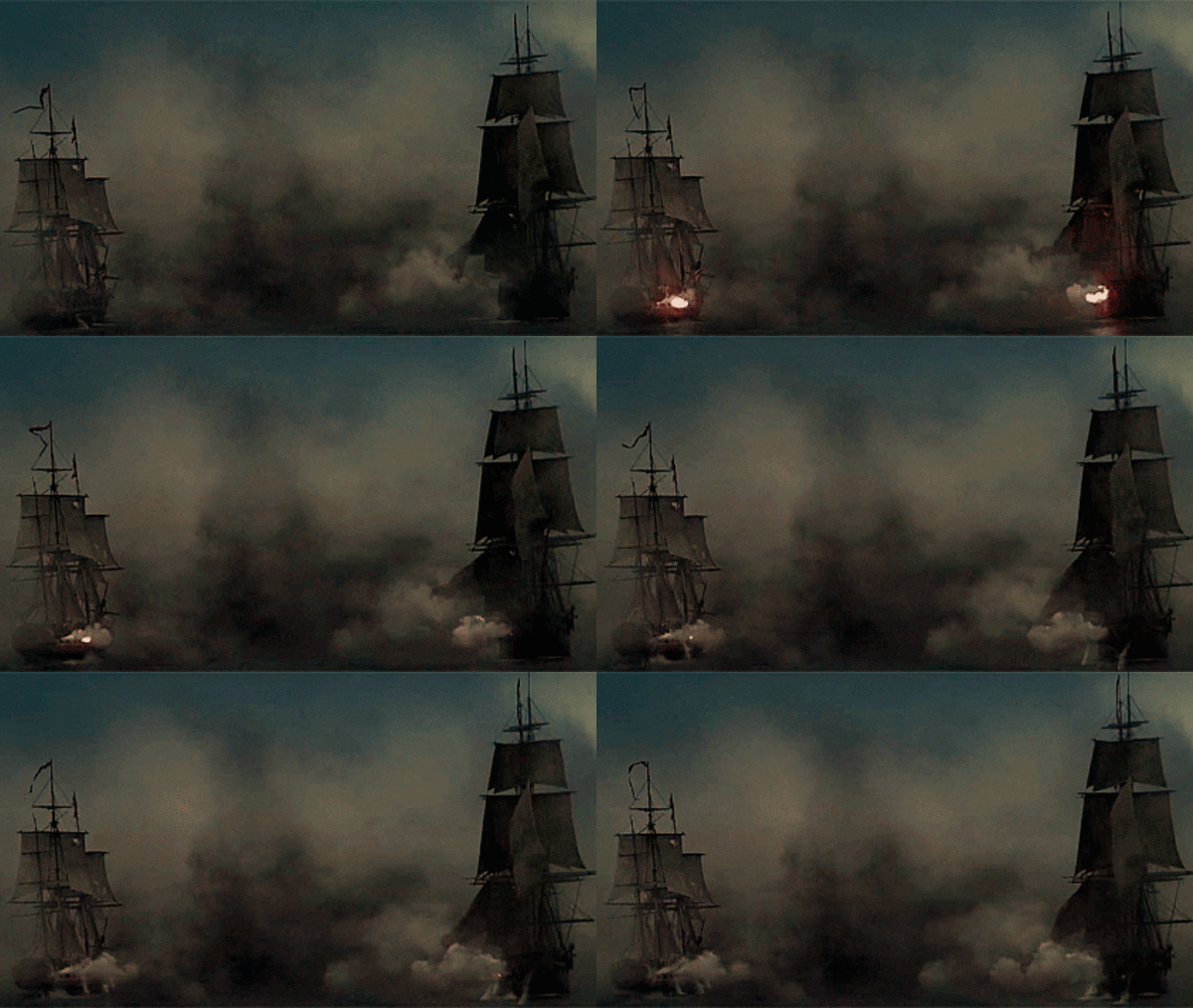
To finish up, we arrive at Master and Commander: The Far Side Of The World. Its vision of naval combat in the Napoleonic Wars earned high praise for its authenticity. More than any other war film, it pulls audiences into the lives of military sailors. Their struggles, discoveries and battles are all portrayed with great authenticity.
Captain Jack Aubrey (Russell Crowe) leads the crew of the Surprise, who set off to combat the French navy in South America. In these far-off waters, the British crew is faced with a lofty task; capturing or destroying the Archeron, a powerful privateer ship that hunts down enemy vessels in the region.
In a surprising display of ingenuity, the Surprise is disguised as a simple whaling vessel to fool the French. Unable to see through the facade, the crew of the Archeron fall right into the trap. They are taken completely by surprise as the British cannons angle upwards and take out the ship's main mast.
With the Archeron being captured shortly afterwards, it's a resounding victory for the crew of the Surprise. Why the French could be so easily tricked remains baffling, but it's certainly a sign of overconfidence. Gathering more information from a distance first would have saved their own ship from falling into enemy hands. Yet they instead chose to sail right up to it.
Those were just some of the dumbest decisions made in military movies. Got any more that didn't make the list? Stick them in the comments down below...