10 Famous Movies That Screwed Up The Most Important Part

You had one job...

There are few things worse than paying 14 dollars for a movie only to find that it completely blew it on the one thing you bought your ticket to see. Whether it be Pacific Rim and its desire to alternate between taking itself seriously and not taking itself seriously, American Pie 2 and not getting to see Nadia's boobs again, or even something as simple seeing the most recent Godzilla and finding yourself shocked by the death of a certain character you excited to see far...far too early into the movie. Sadly, it's a fact of life that many movies miss their own boats. Why does this happen? Making movies is hard. Making popular movies with multi-million dollar budgets is harder. Oftentimes these movies are greenlit before the script is even completely done, and by the time anyone tries to bring up a question or a problem with it, the lights are already lit and it's time to shoot the flick. Thus, ten movies presented to you, the reader, that ultimately left you feeling hollow. Whether they screwed up the thing you were most excited for, became too convoluted for their own good, somehow managed to make Batman fighting Bane look less exciting than when you did the same thing with toys as a kid, these movies failed to deliver on the thing got audiences there in the first place- and certainly weren't going to give you your money back.

10. X-Men Origins: Wolverine - Mutant Favorites

It must be hard being a fancy pants Hollywood executive in charge of a superhero franchise as popular and wide-reaching in canon as X-Men. The fan base is rabid, obsessed with seeing their favorite characters like Gambit or Cable or Bishop represented on screen, and they better be awesome or else expect angry e-mails. There's continuity to consider, as fans are just as rabid about things making sense logicially as they are about the exciting mutant action. So when it came to making a stand-alone X-Men movie that took place primarily in the past and directly tied into the start of the first X-Men flick, the landmines were numerous and well-obscured. But somehow X-Men: Origins Wolverine fell on every single one. Cheesy effects, continuity questions regarding the nature of Wolverine's claws prior to his getting adamantium, crucial plot details being provided following a comedic boxing match with The Blob, and the less said this movie's chilly relationship with the laws of physics, the better. To say this movie had no idea what it was doing would be an insult to people without brains. For example, It's hard to think of a more boneheaded decision than putting the zip on the 'Merc with a mouth', Deadpool. While comics are comics and no character is truly ever dead, by the end of X-Men Origins: Wolverine, Deadpool has had his mouth sewed shut, head chopped off, and the laser beams from that now severed head's eyes collapsing a giant smoke stack on top of his now lifeless corpse. Yeah, safe to say that's not the best way to introduce a wise-cracking fan favourite to mainstream audiences. Worse, Ryan Reynolds had been desperate to play that character, is a 'real life' comic book fan, and would have done a bang up job of it. Gambit gets a bit of a better rub, but again isn't introduced in any way that makes his character dynamic or memorable unless you were already a fan, in which case you'd hope for more character development. There's also the really strange subplot involving the kidnapping of all the mutants we saw in previous flicks, which immediately takes you out of the movie as you try to do the math on how old each of those characters would be in the first X-men movie if this one took place in 1975. Ultimately X-Men Origins: Wolverine, failed at its one job. The FREAKING X-MEN. The cool characters felt lame, the supposedly throwaway characters or lesser known ones felt the most 'real' (Will.i.am's John Wraith is admittedly great), and the whole thing just reeks of a bunch of guys in a back room somewhere throwing darts at a giant cork-board with action-figure sales numbers, hitting a target, and writing the script from there. It was a disservice to the fans, sure, but they have other movies to see, the real tragedy is in how this movie ruined characters we may never now never see again.

9. The Expendables - Retro Effects!

Seriously Sly?! CGI Blood Spurts?! Didn't that *really* silly computer simulation from Rocky VI tell you that you should never, ever touch anything computer generated again, Mr. Stallone? If you ask WhatCulture contributor Caliber Winfield, he'd tell you that The Expendables is a franchise so great it can cure cancer - or at the least resurrect the career of Mel Gibson. And while this may be true in some senses - the movies are wonderful fun and great nostalgia trips for fans of 80s action movies where heroes were heroes and villains were decapitated, unfortunately The Expendables failed in one area of supreme importance. Special effects. Namely its over-use of CGI for its gore. While CGI is the basis for pretty much all of our action-movie magic these days, it's within reason to expect a movie with a bunch of 1980s action stars would make an effort to be authentic to the era they were happily cribbing from. But nah. Instead a lot of the big moments in Expendables take you out of the moment the second any blood is spilled. It's too bright. Too perfect. Too red. Once you notice it, you can never unsee it to the point where it becomes comical. In fairness, It's entirely possible after paying its cast there wasn't enough money left over for squibs or condoms stuffed with ketchup. But still, if you're going to do a hyper-violent 80s action homage, at least get the hyper-violence right!

8. The Matrix Reload - Keep It Simple, Damn It!
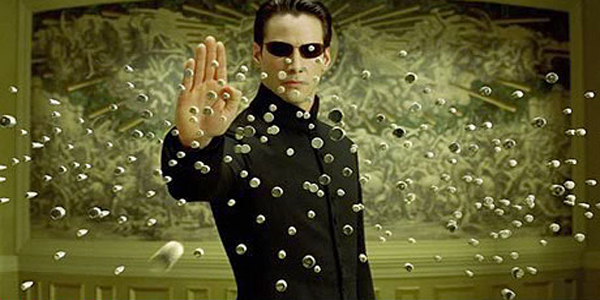
What if a teacher told you everything you need to know for next week's quantum mechanics test will come out of her mouth for the next ten minutes, you don't get to take notes, and that she'll never say any of it again? You'd be pretty pissed off. And that, friends, is how The Matrix Reloaded makes you feel. You're enjoying a decent little action movie (despite the occasional over-long mass dance orgy scene), and as the film approaches its climax, a man in white appears and proceeds to explain pretty much everything you need to know and understand in order to 'get' what's going on. Then Neo gets special powers in the real world, Agent Smith somehow makes his way into the real world too, something about Neo maybe being jesus, and then we're out and ready for the sequel which...ends with Neo being Jesus. Huh? The reason The Matrix was so well regarded is that in addition to insane fight choreography and state-of-the-art visual effects, it took really heady concepts and made them easy to understand. Our world is a simulation, people are 'plugged in' to this world, and it's the job of Neo, Morpheus, and his friends to one day disconnect these people from this plugged in world. Those trying to stop them - the machines, use 'agents' to track them down inside said simulation. It gave you enough to understand what was going on, and if you wanted to pull more out of it sub-textually, that's fine. But then the movie drank its own Kool-Aid in the sequels and diverted into strange philosophical asides, there were books released about The Matrix and Religion, there was an entire DVD set of animated movies about The Matrix, and the whole thing just became far too big for its summer action movie britches. The Matrix wasn't a movie, it was a franchise that become wildly bloated just in time for its sequel and that damn Architect to show up, blow everyone's minds, vanish, and leave the audience with a look like they just smelled a fart. Or was it only the third simulation of a fart?

7. Jersey Girl - Its Target Audience

Jersey Girl is an example of a filmmaker giving his audience a bit too much credit. Following the insane, foul-mouthed, self-referential Jay and Silent Bob Strike Back, Kevin Smith went on to write and direct his most 'mature' film, Jersey Girl. It's not mature in the sense that it features a lot of swearing or gross out humor, but mature in that it refined a lot of what Kevin Smith was good at and packaged it in a way that people who weren't just his core fans would enjoy - Kevin Smith 'grew up'. His audience, not so much. It was clear Smith was trying to tell a light hearted story about some heavy handed things like personal sacrifice, the loss of a loved one, and how to find romance after the love your life passes away, while still wrapping it in his signature snappy dialog and esoteric movie references. The problem is that in 2004 his fans probably didn't find the idea of a single guy raising a daughter he may subtly resent, while contending with an existential crisis about what he truly wants out of life, to be very appealing. Of course a decade later, now that most of Smith's audience is fully grown and has either graduated or flunked out of college, started a family or lost a love one, the odds are Jersey Girl holds a bit more substance for them now than it did in 2004. Ultimately Kevin Smith made a great movie none of his fans really wanted to see or wanted him to make - a job Judd Apatow happily swung in and took off his hands. While writing with your audience at the forefront of your mind is a great way to go insane, writing without them in mind at all, can result in a movie that's good, but isn't really for anyone. Kevin Smith fans wanted Kevin Smith stuff. Vulgarity, offensive banter, Jay & Silent Bob, poop monsters, and Jersey Girl had very little of that. if Kevin Smith's one job as a filmmaker is to make a movie people want to see, he failed. Though as far as failures go, you could do a lot worse than Jersey Girl.

6. Signs - The Aliens

If you're not too up-your-own-butt, Signs is pretty great flick. Tension is palpable, the tone unsettling, and characters are weird. Plus, like a lot of quality entertainment, the fantastical happenings ultimately serve to tell a very human story. In this case it's about faith, loss, remorse, and belief in a higher power. The way M Night Shyamalan uses the television to make the story appear 'bigger' while maintaining the movie's intimate style is superb. Heck, it even goes as far as to humanize the character that killed Mel Gibson's wife. These are all things not done in a typical alien invasion movie. Then again, typical alien invasion movies don't make the aliens' greatest weakness the most abundant resource on earth. No, not porno. Water. While the setup for the reveal, involving Gibson's daughter leaving half-drank glasses of water around, and the whole "Swing for the fences," bit is really clever...and yes, there's something to be said about how God's gift of water ultimately saved the world or something, the fact remains that aliens who have achieved interstellar travel should know better than to land on a planet that's more than half covered in a liquid that could kill them. Because Signs builds its tension so wonderfully, how the aliens are defeated is the most important aspect of the movie. it needs to pay off all the other stuff in the film that wasn't typical alien invasion faire, and It's really a testament to M. Night's talent that he got away with this as well as he did, but unfortunately this major error turns signs from a classic to something of a guilty pleasure, after the you think about the movie for a bit, resulting in most recommendations coming with a "If you can get over the ending, it's great!" qualifier.

5. The Hangover: Part II - Originality

The Hangover Part II was doomed the second word got out Zach Galifanakis refused to work with occasionally-drunk anti-Semite Mel Gibson, especially since rapist Mike Tyson's cameo turned out to be the most popular thing about the first movie. Set drama is a recipe for disaster when it comes to making a comedy. There's also the idea that comedy is a lot less funny the second time around, and with pretty much everyone having seen The Hangover Part I, this movie needed to be over-the-top, unpredictable, and make a deliberate choice to not re-hash everything the first movie did. So they did the opposite of everything the sentence above suggested. Another drug-induced Hangover? Fine. Doug goes missing again? Fine. Chang? Again? Ugh to each their own, probably. While the Hangover Part II caught most of its flack for doing the same thing as the first movie, again, the real problem was how listless and uninspired those retreads felt. There was no energy or blood going to it. Face it, when the climax of your raunchy, R-rated, blockbuster comedy involves waiting for files to download on a computer, something has gone horribly wrong. You can't help but feel this flick forgot the most important rule of comedy is deliver the unexpected. The Hangover Part II, even in its best moments, was predictable. Characters wake up. Can€™t remember anything. Search for clues. Get shot. Steal a boat. End up involved in some sort of ridiculous government sting operation, and finally get in a car chase over a monkey with secret bank codes. Those things actually happened in the movie. None of them were funny. There's only so many times a character can say "We don't remember anything!" before the audience gets tired of the same hit single. The €œHangover€ movies are essentially police procedural without police. Characters show up at a location, ask what the hell happened, get a clue, and move on. If there was a murder involved, this could have played as a bad two-parter in €œLaw and Order: Criminal Intent€ - and that would at least have a couple of creative zingers.

4. Cloud Atlas - Levity

Here's a rule: The more 'important' you think your movie is, the less important you should make it feel. For example Flight by Robert Zemeckis has a strong anti-drug, anti-alcohol message, but makes a point to not rub your face in it, or else the movie becomes a multimillion dollar AA commercial. Meanwhile a movie like Cloud Atlas may be the unintentional comedy of the decade. Between human hamburgers, Tom Hanks talking jive, and an Asian woman being digitally altered to look like a redheaded British lass, it's very hard to not roll your eyes and laugh your way through this flick. The movie would have done well to be a little less 'sweeping' and 'epic' and a little more matter of fact. Of all the interconnected stories, only one really feels 'human' in any real tangible way, and that involves a bunch of old-folks escaping from nursing home. Meanwhile, the other segments of the story seem dedicated to reminding you how important all human life is, how we're all connected, and to be frank, this movie's message was done about 500 times better in the drug-fueled Enter The Void. because its message comes with a level of pretension typically reserved for college beat poetry, its impact is muddled. There's racism, sexism, genderism, poisoning, aliens, metaphors for drugs and demons, all connecting these character's stories, in an effort to say that through all these horrible things, humanity is worthwhile. And that's a good message. But the movie is so desperate to pull its strings together that by the end, you're not talking about the message, you're talking about the cheesy lines, dorky race-changing CGI effects, and Tom Hanks' "Tru Tru". What's that? It's Tom Hanks' tribal speak for "sure", and it's said so frequently that if you've seen this movie, it's entered your day-to-day ironic vernacular in the best of ways. For a story about humanity, Cloud Atlas forgot to feel human. There's very little nuance or depth or interplay between the characters that doesn't have a double meaning or some other kind of message. As a result the characters feel ultimately like vessels for the message, instead of real people, which is what the movie is actively trying to celebrate.

3. Spider-Man 3 - Venom

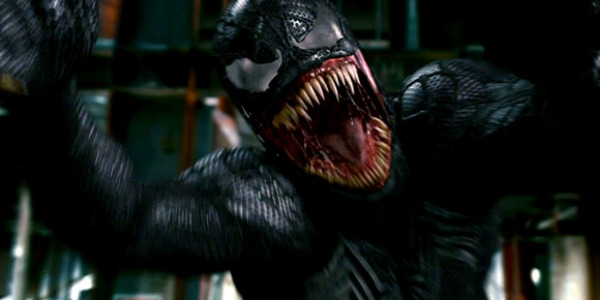
Topher Grace is a cool. Really cool. Heck, look at this interview with the guy: https://www.youtube.com/watch?v=kXSruzIhOqg The coolest, right? Well, Eddie Brock is not cool. Eddie Brock is a jerk. Eddie Brock is a muscled up freak. Eddie Brock is quite literally everything Topher Grace is not. So of course Topher Grace was cast as Eddie Brock in Spider-Man 3, because occasionally, Hollywood hates comic book fans. Still, this insane idea might have worked. The Spider-man 3 trailer blew the face off millions of fans, with cameos by Gwen Stacy, the promise of The Sandman, and the iconic bell-tower scene featuring prominently. Plus, Sam Raimi has a way with actors. Unfortunately Spider-Man 3 turned out to be the most disappointing sequel since the second Bush presidency. Shoe-horned in and immediately engaging in a bad-guy team-up reserved for bad Batman movies, Venom was everything no one wanted. Rumor has it Raimi wasn't a fan of the character, and would have preferred to keep his Spider-Man movies planted in the silver age as opposed to diving into some of the darker and more 'extreme' material Todd MacFarlane's creation ushered in. As a result, proverbially speaking, Venom was de-fanged from the word go, and the Spider-Man franchise was led down such a strange path where it was nearly impossible to make a true sequel. Eddie was dead. Harry was dead. Norman was dead. Mary Jane and Peter broke up after a dance fight, Spider-Man let The Sandman go because...uh...forgiveness or something, and that was that for a while. Venom was the most important part of this movie because if handled right, his introduction could have done the Harry Potter Goblet of Fire thing, where the audiences who grew up with these movies were now being introduced to more mature material as adults. Instead the movie felt slap-dash, Venom felt nothing like he was supposed too, and everyone came away ultimately disappointed in a movie with nothing but positive energy behind it going in.

2. Argo - The Nuance Of Process

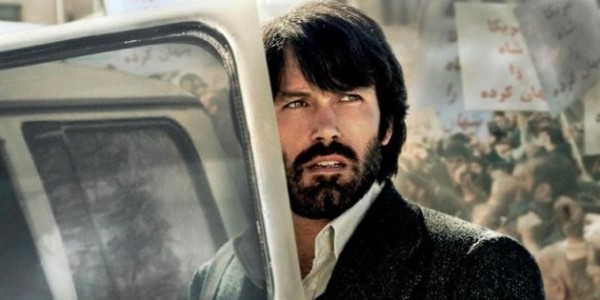
The problem with true stories, especially true stories based on harrowing events, is that the events become infinitely less harrowing when we know everyone gets out alive. The best way to combat this is to make your movie less about the 'what' and more about the 'how'. The problem with Argo is that its entire marketing campaign was about how a bunch of Americans escaped Iran, then the actual movie was about whether or not those Americans would escape Iran, as opposed exploring the how they actually got out in, say, Sorkin-esque detail. Take for example another true story, Apollo 13, directed by Ron Howard. Most people knew the astronauts stranded in space made it home okay, so Howard made a deliberate effort to make the movie entertaining in ways that didn't rely solely on how the story played out. He used NASA's 'Vomit Comet' to shoot actual zero gravity footage of the actors, generating a wondrous realism that ignited the imaginations of film-goers everywhere. He shot inside NASA's facilities, exploring the rigors of training with an unmatched authenticity. He focused on the era, and how in reality, not a heck of a lot of people cared about Apollo 13 going to the moon at the time, until things went wrong. Apollo 13 was a movie about how enthralling the process of all this stuff was, versus trying to say the results of that process are the entertaining parts. It's the difference between erotica and pornography, which makes Argo a porno. While the movie does spend some time introducing us to the wacky world of Hollywood and the various inner workings of the CIA, the movie never truly dives into the material in a way that makes the exploration of those elements worthwhile. You don't feel any more knowledgable about how Hollywood works or how the CIA works by the end of the movie. By the time Apollo 13 ended you had an incredible appreciation - and understanding of the astronauts, the countless people supporting them, and what, specifically, their jobs entailed and how they did them. Worse, Argo relies on manufactured drama - to the point where the movie invented a scene where all the American hostages had leave the house they were holed up and head to a market square for a 'location scout' just so the movie could have another moment that's supposed to be tense, but wasn't, because we all know everyone gets out alive. The big climax, as the hostages are interrogated by airport security officials? Same deal - why spend all this time showing up these tense moments when we know how it plays out and everyone lives happily ever after? It was Alfred Hitchcock who said a bomb under a table is tension, and a bomb above a table being diffused is action. Argo attempts to go for the bomb under the table method, but forgot that everyone sitting at the table was impervious to explosions.

1. The Dark Knight Rises - Realism

Dear "Batman Voice" haters, It's a microphone in his cowl for crying out loud! That is why Batman's voice sounds like that, alright? It's so people can't hear his voice, do a sound recognition thingy on it, and figure out who he is. Okay?! Get it? Got it? Good. Now lets talk about things that actually don't make any sense at all, like the The Dark Knight Rises, which features a bat-plane without wings (see above), a nuclear bomb without a radiation fall-out, a villainous twist that made zero sense, and a Batman that travels around the world faster than Superman at the end of his 1979 big screen debut. Then there's the moment where the movie replaces Batman with something that looks like a mall store mannequin, and has his back 'broken' despite the maneuver looking like a good way to fix a crick in the small of your back. Bane Back Break S Gif Yeah if by this point in the movie you didn't realize all was not well in the state of Denmark, you may need to get a better map. When Christopher Nolan rebooted the Batman mythos, he focused on a realistic world with realistic characters, and dark, gritty, undertones. Supernatural elements were limited, and most things that happened in Batman Begins and The Dark Knight are...plausible, if not a little over-the-top. More over, despite being a 'super hero' movie, the best moments in The Dark Knight involve character drama, and not action - save that incredible chase sequence. The Joker turning Harvey Dent via his words. Joker escaping from the Gotham Jail, the final showdown between Dent, Gordon, and Batman. All of these moments could hypothetically be done in any crime or noir film or hell, Shakespearean tragedy, and that's what made the movies so good - they were, more-or-less, realistic and believable across the dramatic and action movie elements. For The Dark Knight Rises to largely disregard this plausibility felt like a batarang to the gut. The movie raises so many questions about what's actually happening in the film, and violates the laws of physics in so many ways, that you can't help but question every single element of the movie as it occurs, like how Batman got halfway across the world at the end of the movie, the aforementioned bomb stuff, how exactly, every cop in Gotham got trapped underground, and countless more you can surely share in the comments section. And again, it'd be easy to forgive some of these, but the movie brought this on itself by being deliberately 'dark' and 'gritty' and 'grounded in reality' in the prior two movies. Ultimately The Dark Knight Rises betrayed itself. It wasn't a bombastic superhero movie, it wasn't a gritty noir, and it certainly wasn't The Dark Knight. What it was, was....strange, caught in an uncanny valley of 'realistic' visuals with thoroughly impossible happenings surrounding them. Oh, and Mr. Nolan? Do you know how annoying it is to talk about these movies now? "Did you see The Dark Knight?" "Which one?" "The second one," "The second Dark Knight? Rises?" "No, the one with the joker," "The second one," "No, the first Dark Knight," "But it's the second movie in the series," "Yes," "What about it?" "I forgot,"

Contributor
Contributor

Paul is a writer, video producer, gamer, lover, and tie-fighter. E-mail him at MeekinOnMovies@gmail.com.