10 Greatest Gay Male Characters In Movie History

The gay and bisexual men who proved they were more than just fabulous.
In the 2000 gay-oriented romantic comedy The Broken Hearts Club, Matt McGrath's character Howie perfectly sums up the representation of gay/bisexual men in film: "There isn't a movie in the cinema canon that depicts a gay character that we would aspire to be. What are our options... noble, suffering AIDS victims, the friends of noble, suffering AIDS victims, sex addicts, common street hustlers and the newest addition to the lot, stylish confidantes to lovelorn women. Just once I would like to see someone who is not sick, hasn't been laid in about three months and is behind on his student loans." While Howie's statement stands the test of time fourteen years after the fact, there's no denying that there have been plenty of memorable and wonderful representations of gay/bi men in movies in spite of the obvious stereotypes and tropes they were meant to embody. Some characters were meant to unnerve and push the envelope, while others were meant to make us laugh or lighten the mood a little. And then of course there were those characters that actually challenged and altered people's perceptions and ways of thinking for the better. Just like with heterosexuals, homosexuals have various shades of grey - after all, no one is without flaw. This article celebrates and highlights the ten greatest gay/bisexual male characters in cinema, including the "noble, suffering AIDS victims, the friends of noble, suffering AIDS victims; sex addicts, common street hustlers and the stylish confidantes of lovelorn women," all of whom proved to have memorable and layered identities that went far beyond who they loved and who they slept with.

10. Damian (Mean Girls)

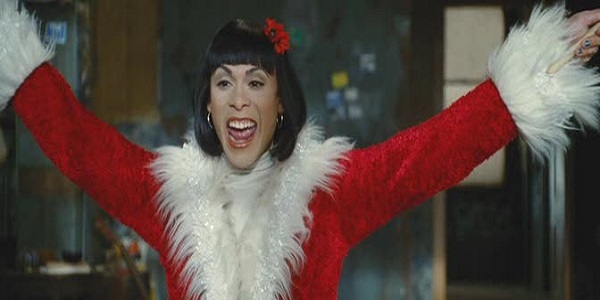
Damian (Daniel Franzese) plays the loyal gay bestie of Janis Ian (Lizzy Caplan), both of whom conspire with Cady Heron (Linsay Lohan) - who has just relocated from Africa to Illinois - to take down the school's most elite all-girl group, The Plastics (led by the "fabulous but evil" Regina George, Rachel McAdams). When Mean Girls first hit theatres, Damian was one of the most memorable and quote-worthy characters in the entire film; not bad considering the awesome performances of all involved in this mega-hit. Ten years later, Damian still remains one of the film's highlights and it has very little do with his sexual orientation and everything to do with his comedic timing, wonderful one-liners ("SHE DOESN'T EVEN GO HERE!"), and of course, that epic cover of Beautiful by Christina Aguilera. https://www.youtube.com/watch?v=EgU_8deZ0s4 It's also worth noting that aside from being labeled "too gay to function," Damian isn't a target of bullying because of his homosexuality and most people are very accepting of him in the movie, highlighting the change that was taking place in 2004 as acceptance and tolerance became more widespread, especially for LGBT youth.

9. Angel Dumott Schunard (RENT)

In 2005, the silver screen finally saw the film adaptation of the Broadway hit RENT. Written by Jonathan Larson, the stage and film adaptations followed the lives of a group of Bohemian artists struggling to get by at the turn of the 80s while living with the AIDS crisis. The film remains one of the few to actually live up to and do the stage production justice, with a majority of the original Broadway cast (including powerhouse Idina Menzel) reprising their original roles. Thankfully, the film did not shy away from the romance between characters Tom Collins (Jesse L. Martin) and Angel (Wilson Jermaine Heredia). Angel, a drag queen street musician living with AIDS, embodies the "noble suffering AIDS victim" described by Howie in The Broken Hearts Club, but he doesn't allow his disease to define him or control his life, as he goes on loving and living as he ever did; expressing his feelings and adoration for Tom while also supporting his friends - notably drug-addicted Mimi (Rosario Dawson) - through their trials and tribulations. Throughout the film, Angel doesn't allow fear to keep him from continuing to live his life. https://www.youtube.com/watch?v=5G51cIrBvp4 It also helps that Angel has one of the most memorable songs in the whole film, as he sings "Today 4 U" to Tom's former roommates upon being introduced to them for the first time in full drag, complete with a parkour-like flip and other impressive physical feats while wearing platformed boots. Angel's presence in the film is such a delight despite the hand he's been dealt that you forget he's sick until his heartbreaking death hits you like a punch in the gut.

8. Neil McCormick (Mysterious Skin)

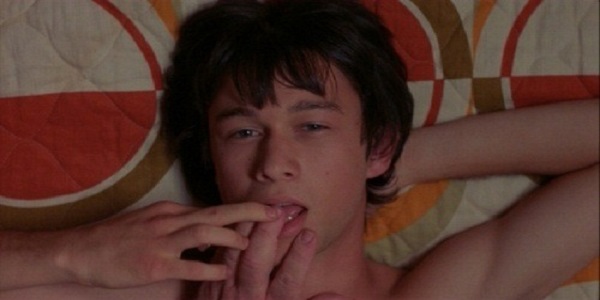
Mysterious Skin was released in 2004 and centred on two young men - Brian Lackey (Brady Corbet) and Neil McCormick (Joseph Gordon-Levitt) - who were both sexually molested by their Little League coach when they were younger. The movie follows them into young adulthood, where they both deal with the molestation in different ways; Brian is an introvert who thinks the entire episode was an alien abduction while Neil grows up to be a major tool with a penchant for turning tricks. The film is rather uncomfortable as we see the coach begin his slow seduction of the naive and unaware Neil and what affect this "relationship" has had on him leading into adulthood. Steely and callous, Neil acts like a tough guy who is impervious to harm, but as he leaves his small town behind to pursue life in New York, he quickly gets knocked off of his pedestal more than a few times. Neil makes our list, because he's one of the best written and brilliantly layered characters (of any sexual orientation) in film as he's a character that acts like he's in control when it's obviously apparent he's still devastated by the fact that his molester abandoned him after stealing his innocence. There's no denying that a lot of credit goes to the talented Joseph Gordon-Levitt who is one of the best at emoting on-screen; able to physically express what can't be said in words, showing Neil broken but too stubborn to throw in the towel. He makes you despise Neil and his douchebag behaviour, before you making you sympathize with him.

7. Vida Boheme, Chi Chi Rodriguez, & Noxeema Jackson (To Wong Foo, Thanks For Everything, Julie Newmar)
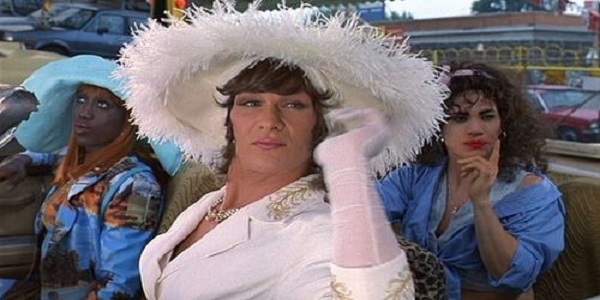
If you haven't seen this gem of a movie, Patrick Swayze's character Vida Boheme describes it perfectly in a deleted scene: it's Easy Rider in dresses. These three drag queens - portrayed by Swayze (Vida), Wesley Snipes (Noxeema Jackson), and John Leguizamo (Chi Chi Rodriguez) - rank together on our list because, frankly, it was too difficult ranking them separately as they complimented each other so The film follows the three drag queens as they travel from New York to California - via car - to compete in the Miss Drag Queen of American Pageant, with the young and unpolished Chi Chi acting as the protege of the experienced Noxeema and Vida. Unfortunately, the trio wind up stranded in a rundown town and must conceal the fact they are cross-dressing gay men while their car is being repaired. https://www.youtube.com/watch?v=pJ7l7E1DqA4 While the characters are mainly played for laughs, they each bring with them their own fears and aspirations, the common denominator being that they just want to be loved and accepted for who they are, which anyone (gay or straight) can relate to. Through these three queens, the audience learns four valuable life lessons: let good thoughts be your sword and shield, ignore adversity, abide by the rules of love, and larger than life is just the right size.

6./5. Ennis Del Mar & Jack Twist (Brokeback Mountain)
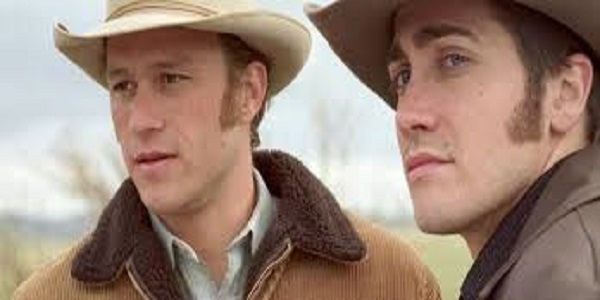
In 2005, these star-crossed lovers hit movie theatres and really shook up the romance genre. Heath Ledger and Jake Gyllenhaal played Ennis Del Mar and Jack Twist, respectively, a couple of cowboys who met while herding sheep together through the Wyoming mountains one fateful summer. What transpired that summer was an epic love story that carried on over the course of decades and the disintegration of Ennis' marriage to wife Alma (Michelle Williams). Unlike the trio from To Wong Foo, these two are ranked separately, however it was quite difficult to determine who should rank higher over the other. Ennis - who probably leans more toward the bisexual orientation - represented a truly masculine character that was a stark departure from the over-the-top campy gay/bi characters film audiences had come to know and love thanks to To Wong Foo, The Birdcage, and Priscilla: Queen of the Desert. Ennis is a man who is startled by his sudden feelings for Jack Twist but is adamant about standing by his family, even if it costs him the happiness he feels when he is with Jack. In a lot of ways, he represented the kind of men who remain in the closet out of fear of the repercussions, which during his time, were quite severe from intolerant folks. Jack, on the other hand, had more homosexual leanings despite being married to Lureen (Anne Hathaway); representing the idealistic type of lover who seeks comfort in others when Ennis becomes detached and his wife grows increasingly colder. Their tale is heartbreaking, to say the least, but left an undeniable impression on viewers gay and straight alike.

4. Andrew Beckett (Philadelphia)

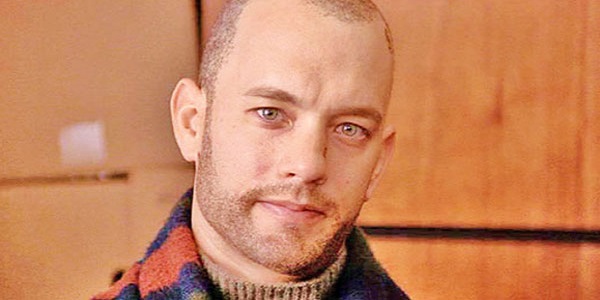
Andrew Beckett (Tom Hanks) was the main character in the first mainstream film to really touch on the topic of AIDS. A successful businessman, Beckett masks his sexual orientation and the fact that he is living with AIDS from his co-workers and employers. When his condition is discovered, he's abruptly dismissed from his job and made to look incompetent as grounds for dismissal. Despite becoming increasingly ill, Beckett refuses to be a victim and decides to sue his former employer. Even after he's turned away by lawyers who don't wish to pursue his case, Becket is determined to see justice carried out and eventually wins his case with the help of attorney Joe Miller (Denzel Washington) just before he dies of complications from the virus. Beckett proves to be a real hero, taking matters into his own hands when everyone else is too afraid to fight on his behalf. He also has the difficult task of revealing how he contracted AIDS, leaving himself open for judgment and ridicule during his court room testimony, all for the sake of proving that no matter what actions he made in his personal life, it should not have affected his standing with his employer and definitely did not reflect his competency as a professional. https://www.youtube.com/watch?v=wHSH-NpCQOw

3. Dr. Frank-N-Furter (The Rocky Horror Picture Show)
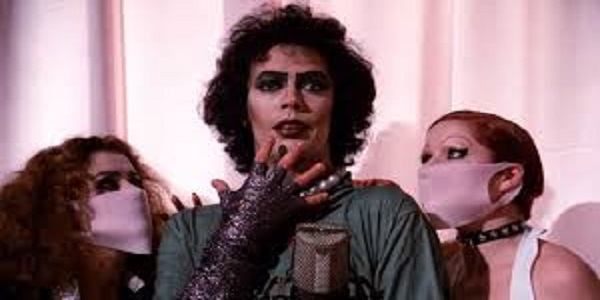
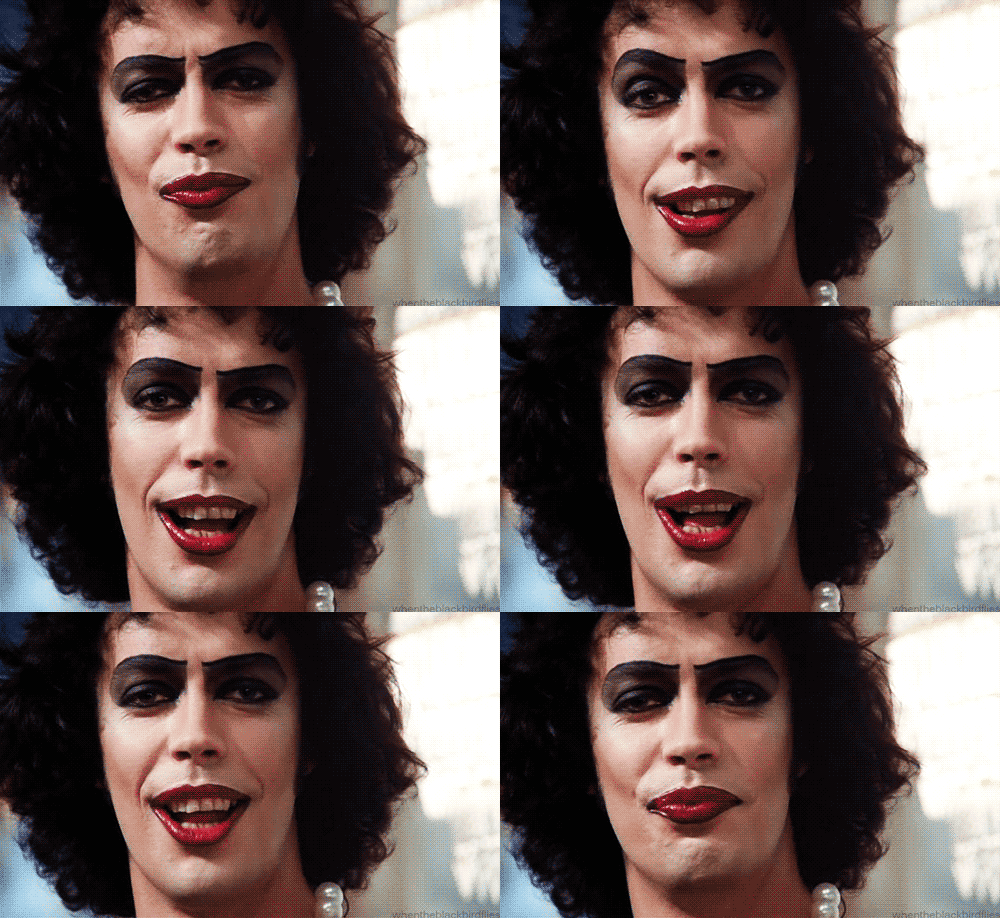
Quite possibly the most controversial entry on this list thanks to his hedonistic and home-wrecking behavior, Tim Curry's iconic fishnet-clad transvestite Dr. Frank-N-Furter storms through the countdown at number-three. The main antagonist of the cult classic The Rocky Horror Picture Show, Frank-N-Furter is the type of gay/bi male that most would consider "sexually deviant." He revels in being at the center of controversy with all eyes on him, whether it's because he has created the perfect mate or making a grand entrance rivaling that of any Hollywood diva. Frankie has absolutely no qualms cutting corners or eradicating obstacles in his path (such as Meatloaf's character Eddie) in order to achieve his goals. He's ruthless, conniving, and wickedly charming... and you admire him for his frank (no pun intended) and shameless behaviour. After carrying on dalliances with newly-engaged couple Brad Majors and Janet Weiss (Barry Bostwick and Susan Sarandon, respectively), Frankie reveals in the number known as The Floor Show that his motto is, quite simply, "don't dream it, be it." While we don't suggest anyone fill Frankie's stilettos as a pick-axe wielding psycho from outer space (and honestly, who could?), his life message is definitely one that resonates with fans of the film and a message most people should apply to their own lives. https://www.youtube.com/watch?v=bc80tFJpTuo

2. John "Plato" Crawford (Rebel Without A Cause)
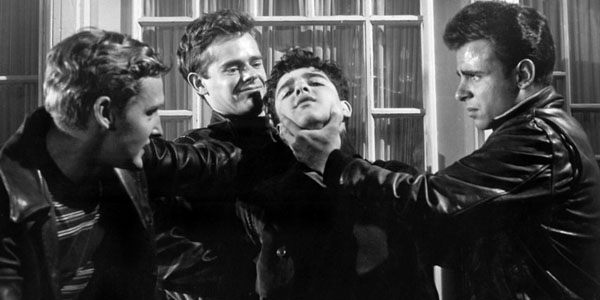
Most would think that Rebel Without a Cause would be one of the most significant films in the queer film canon simply because it stars gay/bi icon James Dean, but in actuality, the film - which serves as a representation for the restlessness of teen youth - is significant for featuring the first gay teen in cinema, John "Plato" Crawford (Sal Mineo). Under the Motion Picture Production Code (aka The Hays Code), films were restricted from depicting homosexuals. Director Nicholas Ray - also bisexual - had every intention of making the Plato character gay, and while it isn't expressly outlined, the hints are there in the way Plato and James Dean's character Jim Stark interact with one another. It has even been noted by Rayin that Dean instructed Mineo to "look at the way looks at Natalie ." Also, not to sound stereotypical, but Plato also rides a Vespa and has a photo of Alan Ladd hanging up in his school locker. Just saying. Mineo - who later came out as bisexual himself (and is rumoured to have had an affair with Ray on-set when he was sixteen), even credited his character for being the first gay teen in film. All that notwithstanding, Plato places second on our list because he completely shatters the stereotypes that currently plague gay/bi men in movies. He's not living with a fatal disease, he's not a hustler, he's not obsessed with sex, he's not particularly stylish, and while small in stature and boyishly good-looking, he's not overly-manicured or effeminate. Additionally, his desire to make Natalie Wood and Dean's characters his surrogate family resonates strongly in the LGBT community as gays carry on the tradition of choosing their families based on more than shared DNA.

1. Arnold Beckoff (The Torch Song Trilogy)
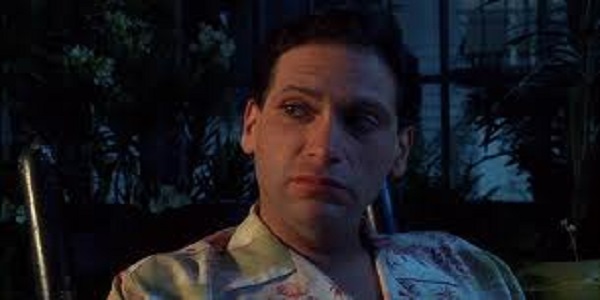
Harvey Fierstein's original creation Arnold Beckoff may not be as recognizable as Tom Hanks' Andrew Beckett, Tim Curry's Frank-N-Furter, or any number of other gay characters from other mainstream films... and that's a damn shame because the character, which originated as a Broadway play of the same name (written by Fierstein), is an absolute treasure. Living in Brooklyn years before the AIDS epidemic and before things became unnecessarily PC across the board, Arnold is a witty and successful Jewish drag queen performing under the name Virginia Hamm who goes through several trials by fire through various stages of his life, including having a relationship with a closeted bisexual, frequent clashes with his traditional mother (played by the legendary Anne Bancroft), and finding love with a young Matthew Broderick, only to lose him tragically due to a hate crime, all before becoming a single parent to an adopted, mouthy teen. In a brilliant monologue that can only be described as a tour-de-force, Arnold makes it clear that he has worked long and hard to make sure he never needs to rely on anyone for anything other than love and respect, and makes the tough decision to inform his mother that if she can't give him those two things, she has no place in his life. It's a powerful message about self-respect and self-love that Arnold makes, as he finally chooses to love himself over allowing those he loves the most to cause him any more harm. With everyone looking for acceptance from the world at large and seeking love from others, Arnold reminds us that we need to love, respect, and accept ourselves first before anyone else. https://www.youtube.com/watch?v=rOsH_pbfOV8 Did you enjoy our countdown? Do you feel other gay/bi male characters should have made the list? Let us know in the comments below!

In this post: 
LGBT
 
Posted On: 
Contributor
Contributor

Tommy Bobby Watanabe is an aspiring American novelist, stage actor, playwright, former LGBT rights activist, and has three years of independent professional wrestling experience and has been a big fan since 1998. An avid horror movie buff and comic book aficionado, TBW is honored to be featured on WhatCulture with some of the Internet's most talented writers and looks to spread his own knowledge and wit to WhatCulture's loyal readers.