10 Harry Potter Characters Who Were Screwed Over By The Films

From cut scenes to completely cut characters, Warner Bros. missed out the best.
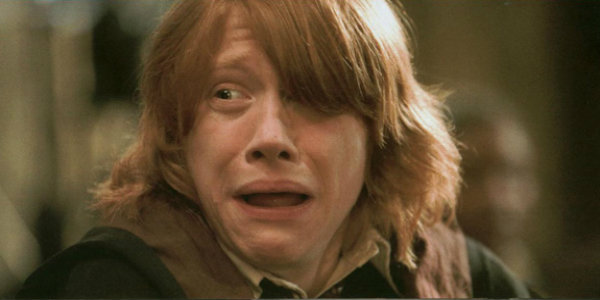
It is the mark of a really great story that no matter how many films we get in a franchise, there's still so much wonderful content that doesn't make it onto the screen. The Harry Potter universe is filled with interesting and engaging characters, but unfortunately, they didn't all survive to the film versions intact. With a limited amount of time, it's only logical that some characters wouldn't be as well-developed as they are in the books, but for the most part this series has done a good job representing them as well as possible. Some characters are particularly well served by the films -- for example, it's unlikely that anyone could walk away from this franchise thinking that Fred and George or Luna Lovegood or Hagrid got a poor showing. But it€™s difficult to fit everything from the books into the movies, and sometimes what gets left behind are the complexities that made these characters great. Little moments that would go on to define the characters, and whose absence would snatch their best attributes away from them. Here are just a few of the Harry Potter characters that we wish had been a little bit more like their canonical selves.

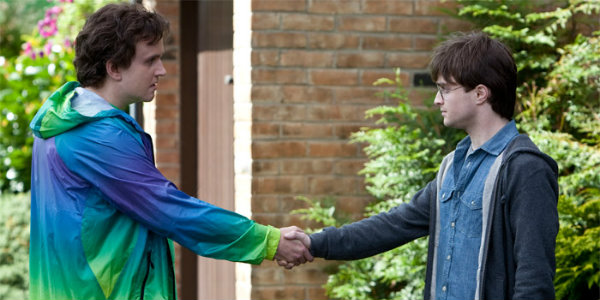
10. Neville Longbottom

It's fairly well established by this point that Neville Longbottom is pretty much the superhero of the Harry Potter franchise. He doesn't have any of the natural advantages that Harry has, but he still manages to be a great person and help save the world. And for the most part, the film actually does a pretty good job of bringing to life the Neville we all know and love (aided by the wonderful Matt Lewis). That said, there are a few aspects of the character that we really wish could have been included in the films. We would have loved to see Neville visiting his parents at St Mungos - the scene in Order of the Phoenix where he discusses his parents with Harry was nice, but the parallel between him and Harry would have been so much stronger had we actually seen their visit. Also, it seems almost churlish to complain about Neville in the last film, considering how much of his character development was included, but his speech when he faces Voldemort? When he goes on about how Harry died for all of them and the power of love and all that? "I'll join you when hell freezes over," is so much more simple, powerful, and doesn't slow the film down at its climax.

9. Peeves

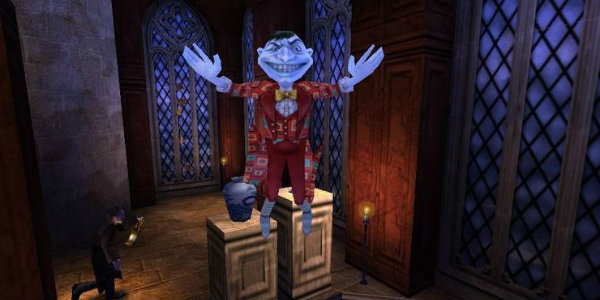
Some of the other characters may have been brutalized in terms of how they were portrayed in the films, but at least they made it to the screen. Peeves was originally intended to be featured in the movies, and was performed by Rik Mayall, but was then left on the cutting room floor. It seems likely that Peeves was cut simply because the technology wasn't where it needed to be to see the poltergeist fully realized, but it's still a shame that we never got to see him on screen. He added to the charm and eccentricity of Hogwarts (because it's not enough to have to deal with moving staircases and walls pretending to be doors, you should also have to worry about a ghost throwing water balloons at you). His absence is most missed in Order of the Phoenix, when he valiantly and hilariously joined in the battle against Umbridge. We would have loved to hear the immortal line from the Weasley twins, "Give her hell from us, Peeves," in the movie.

8. Charlie Weasley

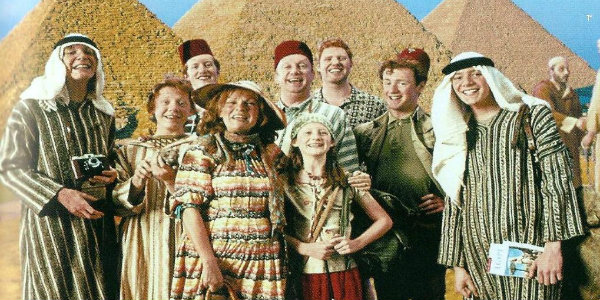
In the book, Charlie Weasley is actually pretty awesome. He's a dragon tamer in Romania (coolest job ever), and seems like one of the most chill and laidback members of his slightly high strung family. But his screen time pretty much boils down to a cameo in a wizarding photo from when the Weasleys won the lottery and, instead of using the winnings to dig themselves out of crushing poverty, chose to take a vacation to Egypt. Charlie waves. That's more or less it. Now sure, Charlie is without a doubt the least important Weasley. We only see him in the later books, and even then he takes a backseat to literally everyone else in the story. But still, he is a Weasley, and even the least significant Weasley deserves a little bit more than a blink and you'll miss it appearance in a photograph, of all things. For all intents and purposes, he might as well have been cut entirely from the film franchise.

7. Fleur Delacour

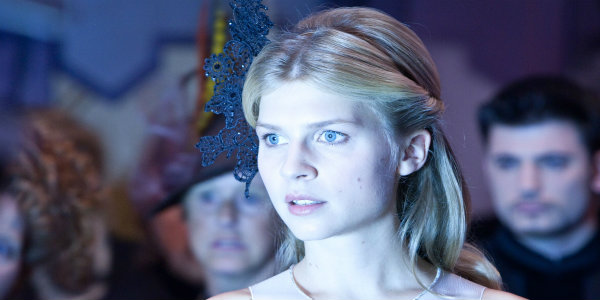
Fleur gets her moment in the spotlight during Goblet of Fire, but her entire story line with the Weasleys is almost completely eliminated. Maybe the film didn't want to delve too much into the domestic side of things, but it's a shame, because it takes away a lot of what makes her character interesting. We don't really get too much of a sense of the tension between her and the female Weasleys, and her reaction to Bill's werewolf injury is woefully subdued. It's a great moment in the books when Mrs Weasley assumes that because Bill, always the handsome one, has been disfigured, that Fleur will no longer want to be with him - a thought that Fleur shuts down immediately in a way that is fierce, dignified, and oh so very French. This is where we learn that Fleur is not just a shallow beauty queen, but a much more thoughtful and loyal character than she is given credit for. Unfortunately, we get to see almost none of that in the film.

6. Tonks

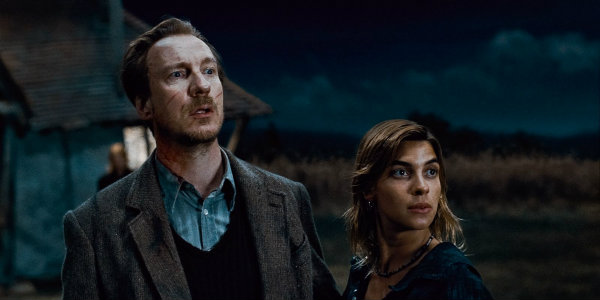
Really, it's the relationship between Tonks and Lupin that suffers in the films, but Remus manages to avoid the list just because he is showcased pretty well in Prisoner of Azkaban. Tonks is a really fun, lovable character, but you only get small glimpses of her eccentric personality throughout the films, understandably due to time restraints. But what we can't forgive is the ham-fisted way their relationship is shoehorned into the movies, where viewers who hadn't read the books probably wouldn't even know that they were together. We sort of hear that they're dating, we sort of hear that they're having a baby, and then BAM - they're dead. While a lot of that subplot - Lupin worrying about their age difference and her throwing her life away on a werewolf, Lupin worrying that his son will inherit his wolfishness - isn't exactly essential, it would have been nice for them to include some information about their son Teddy. The fact that Harry is his godfather, and that Teddy loses both his parents as an infant, creates a nice (if really depressing) sense of symmetry, aligning his character with both Harry and Neville.

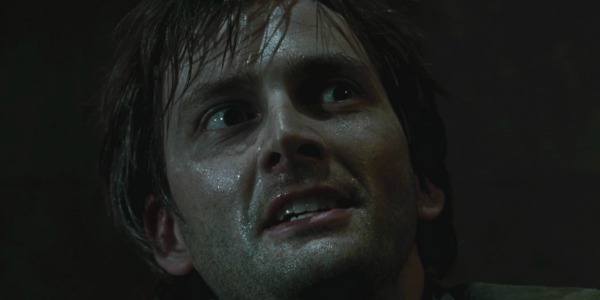
5. Barty Crouch Jr

A big part of the issue with his character might be down to miscasting - as much as we love David Tennant, his performance as Barty Jr is way over the top. The whole point of the twist is that you're not supposed to know that Alastor Moody isn't Alastor Moody, and that weird tongue thing that he does gives the game away pretty much immediately. More importantly, he isn't a great physical fit for the character. The court scene with Barty Crouch Jr is supposed to be heartbreaking - this is a 19-year-old kid begging his parents not to let them take him away to Azkaban, after all. With Tennant in the role, it's just super campy. We wish that there could have been a little bit more ambiguity with the character. At the end of the day, yes, Barty Crouch Jr is a nasty piece of work, but it would have been nice if the film could have resisted the urge to turn him into a Snidely Whiplash stock villain. The point of the character is that Voldemort preyed on an intelligent young boy who had a rocky relationship with his father, and ruined their entire family. This Barty Crouch seems less interested in his father's approval and more interested in tying women to railroad tracks.

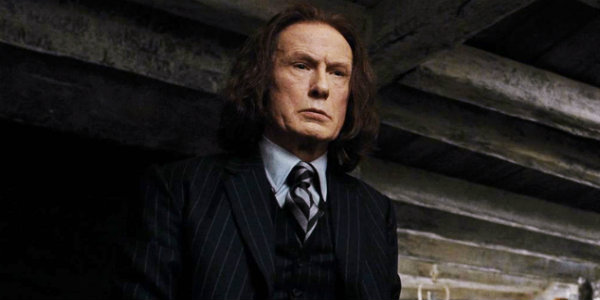
4. Rufus Scrimgeour

Scrimgeour isn't portrayed badly, he just isn't in the films nearly enough. He's a very interesting character, a politician who is willing to do some immoral things in his fight against Voldemort. You can immediately see why the wizarding world, in the midst of a terrible war, would prefer him over Cornelius "I Still Refuse to Believe He's Back" Fudge. But he's not exactly a good guy, is he? He has people wrongly imprisoned, to make it look like he's achieving some victories in the war, and he tries to woo Harry into being a poster boy to boost morale (after the Ministry went on a major anti-Harry campaign, to add insult to injury). The later books featured a lot of political gamesmanship, and while that can be boring when it's a major aspect of the film, sprinkling a little bit of that perspective could have added some depth to the story. Scrimgeour was an inscrutable, calculating character played by the always fantastic Bill Nighy, and it's hard to see where it could have hurt the films to feature him a bit more heavily.

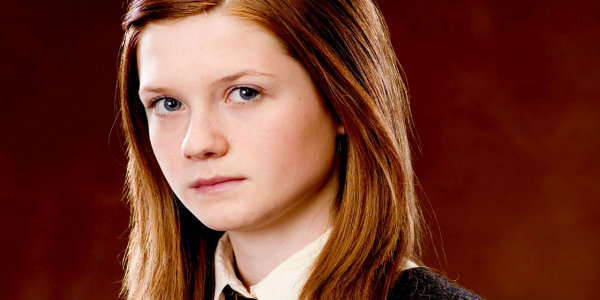
3. Ginny Weasley

Ginny is a fantastic character in the books. In the movies? Not so much. There's a lot to like about a little girl who is in love with Harry Potter, to the point where she can barely speak around him, and then she gets over it. She doesn't spend the book series mooning over him, she just decides to let it go and start to actually live her life at Hogwarts. She's a funny girl (out of all the Weasleys, she's the one who has the most in common with Fred and George), but she also has seemingly limitless supply of steely resolve. Ginny is totally comfortable with her sexuality, at total odds with her much more repressed brother Ron. Her relationship with Harry in the last two books might have felt a little bit rushed, but we can understand why Harry is drawn to her. And then... you've got Ginny of the movies. She's a victim of awkward writing and a performance by an actress who maybe didn't end up as talented as some of the other kids on the set. You see her strength and her affection for Harry, but you only get brief glimpses of her sense of humor and charisma. And can we just talk about the scene where she and Harry are having a sexually charged moment while she... ties his shoe? Why would anyone take time out of an already overstuffed film and invent a scene like that?

2. Dudley Dursley

The reason why Dudley's on this list can be summed up in one simple line: "I don't think you're a waste of space." Would that have been so difficult, WB? Because Dudley is pretty well portrayed throughout the film series - he appears sporadically, but he's there when it makes sense for him to be there. Everything is in the films except for his redemption, a scene which would have taken mere minutes but added so much to the film. This is probably what was cut in favor of that awkward scene with Harry creepily zipping up Ginny's dress. When you grow up, you realize that the "enemies" you had when you were a kid were really just people, not monsters. Even though Dudley was a big bully as a child and teenager, he was still capable of understanding that Harry was not the freak that his parents had always portrayed him as. He recognized his cousin's value, and was willing to part on good terms. Just like Dumbledore said in the sixth book, Dudley was just as much of a victim of the Dursleys' treatment as Harry was.

1. Ron Weasley

The Ron Weasley in the films is just not the same character as the one from the books, that's all there is to it. Whereas Ron in the books is loyal, strategic, and knowledgeable about the wizarding world, movie Ron is a bumbling idiot who has a really inconsistent character that varies wildly from film to film. None of this is Rupert Grint's fault, to be fair - it has a lot more to do with screenwriter Steve Kloves, and the fact that he favored Hermione. There's a very delicate balance in the main trio, with what each character brings to the table. Where Harry has stone cold courage and intuition, and Hermione has book knowledge and pragmatism, Ron is the chess player, the tactician, and the one who has a different frame of reference having grown up in the wizarding world . But when you make Hermione good at everything, Ron's significance to the group suffers. In the films, you start to wonder why they even need him around. But the real difference between his two portrayals can be seen in an exchange in Potions class, when Hermione answers a question and Snape calls her an insufferable know-it-all. Where book Ron furiously snaps back at him, "You asked a question and she knows the answer! Why ask if you don't want to be told?", film Ron turns to Harry and says, "He's right, you know." That tells you all you need to know about how the character was changed, and not for the better.

Contributor
Contributor

Audrey Fox is an ex-film student, which means that she prefers to spend her days in the dark, watching movies and pondering the director's use of diegetic sound. She currently works as an entertainment writer, joyfully rambling about all things film and television related. Add her on Twitter at @audonamission and check out her film blog at 1001moviesandbeyond.com.