10 Movie Sequels That Should Have Been Prequels
Sometimes it's okay to go backwards!
With writers and directors alike growing increasingly content with working on sequel after sequel after yet another sequel, the film industry has become somewhat stagnant of late. At least, thats the argument floated by those growing tired of Hollywood's lack of originality, and its fair to an extent, though in reality this so-called obsession with sequels is nothing new. In fact, sequels have been around as long as the movie itself. The Keystone Cops put out no less than a dozen films between 1912 and 1917 and Universals genre-defining monster movies dominated the 1930s and 1940s, with Dracula, The Mummy, Frankenstein and The Wolf Man all getting a number of instalments. This multi-film tradition is alive and well in modern moderns and has been seized upon by film makers of pretty much every genre, from huge ensemble actioners to family-friendly fantasy. Its a trend that doesnt look like stopping any time soon, though what the powers that be are yet to realise is that sometimes taking a step backwards is the best way to move forwards. It is easy to take the chief protagonists from a successful film and dump them into a new (or slightly tweaked) situation, though there are ways to expand on profitable characters without inflicting two hours of de-ja-vu on the audience. If the resurgence of the superhero genre has taught us anything it is that we all love a good origins story. The one thing more interesting than what happened next is what happened to get us here in the first place, and, as you're about to see for yourself, opportunities to explore the backgrounds of memorable characters are usually passed over in favour of an easy sequel...
10. Ocean's Twelve (2004)

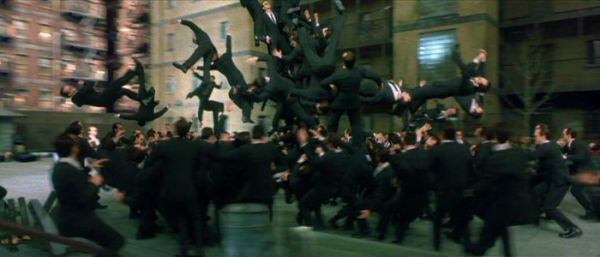
9. The Matrix Reloaded (2003)
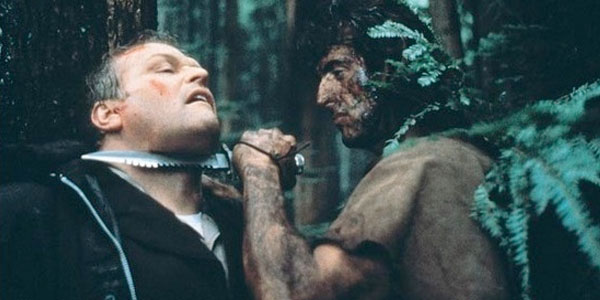
8. Rambo: First Blood Part II (1985)
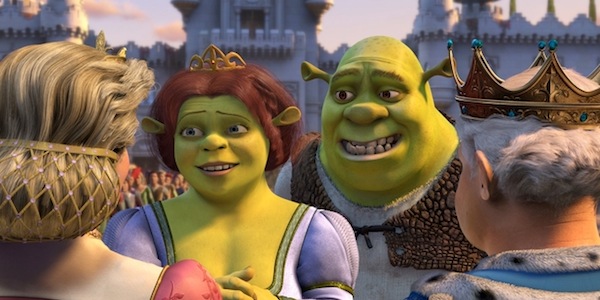
7. Shrek 2 (2004)
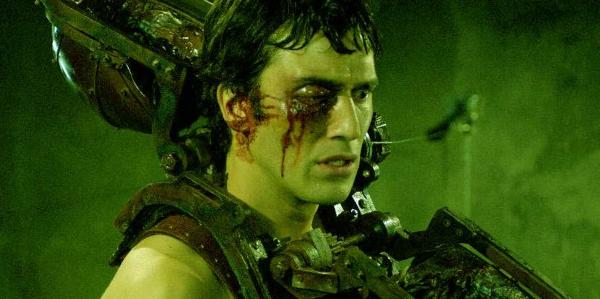
6. Saw II (2005)
5. Taken 3 (2014)
Liam Neesons foray into the Paris underworld turned him into a fully-fledged action star overnight, with the guttural and extremely dangerous Bryan Mills now the character he is best known for portraying. In Taken, Mills goes on the hunt for his daughter after she is kidnapped by human traffickers in a pretty formulaic story, though where Taken differs from your everyday revenge flick is in the quality of the action sequences. Too often are films of this type described as high-octane and fast-paced, but once Taken gets going the 91 minute runtime disappears faster than Neesons prey. The same couldnt be said for Taken 2, which served up more of the same and could well have been a film made up of deleted scenes from the original. Still, Neeson remains fun to watch as Mills and it has something to say about the futility of vengeance. The less said about Taken 3, the better. The entire franchise is centred around the very particular set of skills that Neeson has acquired over a long career. Instead of carting him out for a slightly-tweaked version of the previous films in which his wife (who, lets face it, was a complete bitch) is bumped off, they could have shown us exactly how many asses Bryan Mills had to kick to become such a hard case. It was established on screen that at age 21 Mills enlisted in the United States Army, and at 23 joined the Special Forces before going on to work for the CIA as a so-called "preventer". A prequel should have spanned the length of the character's notorious career, the birth of his daughter and the breakdown of his relationship with his wife. This would have freshened up the formula and worked as a homage to what could have been a new cult action hero.4. The Chronicles Of Riddick (2004)

3. Next Friday (2000)
2. The Woman In Black: The Angel Of Death (2014)
James Watkins adaptation of Susan Hills 1983 horror novella The Woman In Black was traditional to a fault, a vintage ghost story that relied not on blood and gore, but mystery and suspense. Fresh out of Hogwarts, Daniel Radcliffe got to work on shaking off his type-cast by appearing as young widower Arthur Kipps. The London lawyer is sent to a remote countryside village on a job, though his poking around in the old Eel Marsh House sets the villagers, and the audience on edge. Sadly, Angel Of Death lacked the superbly paced tension of the first film. Set 40 years after Kipps visited Eel Marsh, the sequel follows a group of orphaned children forced to move in after War makes London unsafe and, sure enough, they begin to mysteriously disappear. Director Tom Harper has enough horror know-how to make the audience jump on cue, but the sparse script and dull dialogue certainly lesson their impact. The writers had a ready-made story to work with if they had chosen to go down the prequel path instead of creating a host of new characters that failed to live long on-screen or in the memory. Jennet Humfrye was a malevolent presence in the seaside town of Crythin Gifford long before Kipps showed up on her doorstep, and the story of how she became the Woman in Black certainly could have been explored in more depth. Instead of a terrifyingly predictable sequel, the filmmakers should have kept us guessing and given the title of house terror to Jennet Humfrye's sister in life, Alice Drablow. Alice was the real horror in the story, declaring her sibling mentally unstable and adopting her child against her will. Seeing the whole story from Jennet's point of view would have been a bold curve-ball that could have given the series a new tilt while keeping it creepy.1. The Hangover Part III (2013)
