10 Movies With Amazing Alternate Cuts
The things the studio didn't want you to see.
 Warner BrothersThere's an argument to be made that some extended versions of films are made exclusively for the completionist, and are virtually useless for the average moviegoer. After all, the Lord of the Rings films are perfectly fine as they are, and only real Tolkien enthusiasts would feel the need for the 14-hour extravaganza that is the full extended trilogy. That's not to say that it isn't wonderful that we have them, but they're not absolutely necessary for your typical viewer. The real function of an alternate cut or an extended edition is to rescue a film that has been unfairly savaged by the unholy alliance of overzealous editors and money-grubbing producers. A lot of times the version of the films that makes it to theaters is not what the director originally intended audiences to see. Studios, after all, are under a lot of pressure to make a film that is going to be palatable to traditional audiences. Long run times, depressing endings, excess sex or violence -- these are all things that might get the kibosh on the run of the mill production. Occasionally, the director feels so hard done by that the studios feel pressured to release an alternate edition of the film, which features additional footage cut from the original release. Sometimes the new material comes off as self-indulgent, and you can see why it ended up on the cutting room floor, but everyone once in a while, it creates a masterpiece.
10. Superman II
 Warner BrothersSuperman II stands out as one of the most famously difficult productions in film history. What happened was that director Richard Donner filmed about 75% of the film, but was replaced with Richard Lester when the studio proved unhappy with his work. The result was a Superman film that felt disjointed, campy, an tremendously different in tone from the first Superman movie with Christopher Reeve that had come out two years earlier. Fans and the production team alike were largely dissatisfied with the theatrical version, and it wasn't until the Donner cut was released that we started to realize exactly how good the movie could have been. Gone is the painfully cheesy sequence at the Eiffel Tower, and Lois Lane in general gets a much better treatment in this version. Cobbling together his interpretation of the reveal scene (when Clark Kent admits his true identity to Lois) from bits of screen test footage and newly filmed shots, he manages to create a real spark between the two without sacrificing either of their strong characters.
9. Big
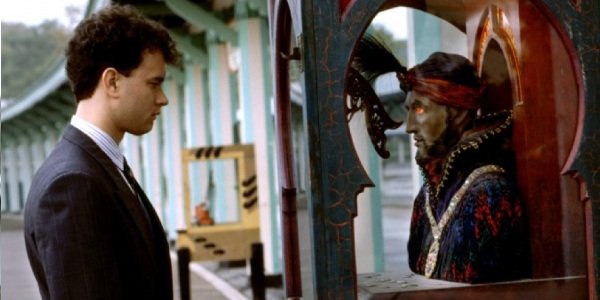 20th Century FoxYou might think that a sweet, funny comedy like Big wouldn't really need an extended edition. After all, the original was pretty much near perfect, so what could an additional fifteen minutes or so add to the proceedings? Well, as it turns out, quite a bit. Although the theatrical release of Tom Hanks's classic can stand on its own two feet well enough, the little-seen extended cut adds a tremendous amount of depth to the relationships between the main characters. In particular, there are new scenes that showcase the friendship between Josh and Billy, as well as tons of footage that explore Josh's transition into the adult world. Perhaps most importantly, there's more screen time devoted to his new found relationship with Susan. The extended version succeeds in that it more clearly shows every reason Josh has for wanting to be a little boy again, as well as everything he'll be giving up in his adult life.
8. Kingdom Of Heaven
20th Century FoxIt's really sad when you watch a terrible movie that could have been amazing, if only the director hadn't been interfered with. People like Ridley Scott like to talk a big game, and we might be able to very cynically point out that maybe blaming the studio is an easy way to avoid taking responsibility for a truly awful film. But there's no getting around the fact that producers, even under the best of circumstances, keep their directors on a pretty tight leash. This is evident in Kingdom of Heaven, a film whose theatrical release is objectively pretty awful, but has a director's cut that's actually a pretty good film. The biggest thing the Kingdom of Heaven extended release has going for it is time. When you've got an additional 45 minutes to develop the plot, audiences can understand the main characters better, and aspects of the film that seem confusing can be easily explained. What can be a thoughtful, measured look at the Crusades with a nearly four hour run time, turns into an overly simplistic action film when heavily edited. In addition, there's acres more context in terms of Orlando's Bloom character, which allows the Christian blacksmith's story line to make a modicum of sense.7. Once Upon A Time In America
 Warner BrothersSergio Leone's epic gangster film Once Upon a Time in America will probably never been seen exactly the way he would have wanted. His original edit of the film was an astounding 269 minutes, too long to realistically be released commercially. The director then painstaking cut out 40 minutes for the film's European release, which was enough to make the film an undisputed masterpiece. The only problem? The American cut of the film was a paltry two hours long, less than half the length that Leone had originally intended. This not only rendered his sweeping crime drama virtually unintelligible, but also restructured the film so that the scenes were laid out in chronological order. Any amateur can tell you that with a carefully constructed film like this, making those kind of changes was going to totally disrupt the narrative flow and make the emotional content next to meaningless. Leone was heartbroken by the state of the American version, and never made another film. But the extended director's cut that we have now, clocking in at 251 minutes, stands as one of his greatest cinematic achievements.
6. Brazil
 UniversalTerry Gilliam doesn't exactly have a charmed relationship with film executives, consistently conflicting with them over the artistic merits of his films versus their worth as a commercial enterprise. So it came to the surprise of exactly no one when he brought the creative, ambitious fantasy film Brazil to the studios, they were less than impressed. It did poorly with test audiences and there were concerns over its extravagant run time (clocking in at just about two and a half hours long). When Gilliam balked at the idea of editing his precious film, Universal commissioned Sid Sheinberg to cut Brazil down to studio-approved size. The 148 minute long film was mercilessly chopped down to 94 minutes, and a saccharine happy ending in which love conquers all was tacked on. Gilliam was so outraged by its treatment that he took out an ad in Variety, drawing attention to the fact that the film Brazil, with his name on it, had been hacked to pieces. Universal eventually caved, and released Gilliam's original cut to audiences, albeit with a few minor (and Gilliam-approved) revisions.
5. That Thing You Do
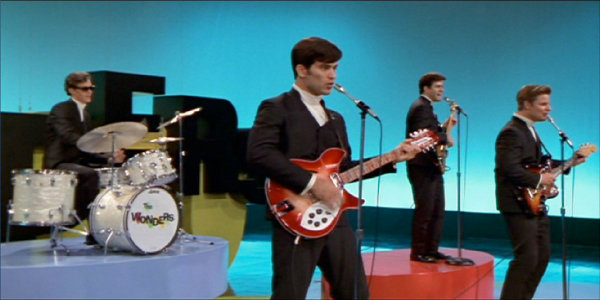 20th Century FoxThe director's cut of That Thing You Do is not going to make or break anyone's enjoyment of the film. If you found the music annoying in the theatrical release, having an extra half hour or so isn't going to make you suddenly like it. But if you're a fan of the underrated film about a 1960s band shooting to brief stardom, watching the extended cut gives you so much more context for all the scenes and really creates an entirely different movie. Sure, you can see why some of the edits were done, but on the whole it allows the entire film to breathe a little bit more, and shows deeper relationships between all the characters. There are a number of new or extended scenes of the band before they make it famous, as well as added footage demonstrating the connection between Guy and Faye. In addition, we are introduced to Mr White's male lover (played by Howie Long), which adds depth to the character, and we see the interracial relationship between The Bass Player (he apparently doesn't get a name) and one of the members of The Chantrellines.
4. Almost Famous
 Columbia PicturesAs it stands, Almost Famous is a pretty well-rounded film. But considering the fact that the movie was semi-autobiographical, drawing on director Cameron Crowe's experiences as a teenager writing for Rolling Stone magazine, it seems obvious that he would have nearly endless material to draw from. The coming-of-age film revolves around William, a young aspiring journalist with a passion for rock and roll, and his life on the road with Stillwater, a 1970s band similar to Led Zeppelin or The Who. Almost Famous is a solid film that capitalizes on major nostalgia factor, but where it wavers is in the main character's transition from naive kid on a road trip with his biggest idols to a more jaded young adult. The additional 40 minutes the Untitled version (Crowe's extended cut), really flesh out the journey he goes on from the beginning of the film to the end. It creates a bittersweet tone that only adds to the film's appeal.
3. Amadeus
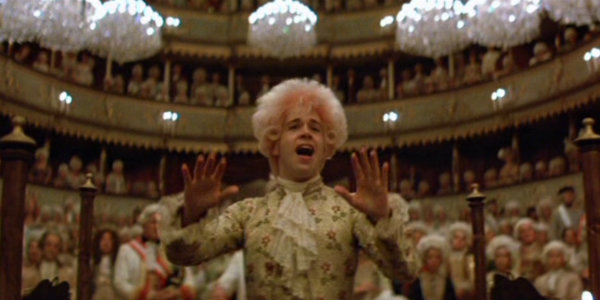 Warner BrothersTo be totally fair, no one's going to sit down to Amadeus's already quite substantial run time of 158 minutes and think, "God, you know what I really wish? That this movie was longer." Regardless, there's a great deal of material to pillage in Wolfgang Amadeus Mozart's short but incredibly prolific life, and his (admittedly one-sided) rivalry with the tremendously dedicated musician Salieri. How painful must it be for a man utterly devoted to music to sit and watch another succeed, almost without effort, where he never could? No matter how much Salieri loves music, he will never possess the mad genius of Mozart, and that eats away at him. The theatrical release does an admirable job of showcasing this dynamic, but it neglects other aspects of the story. The director's cut, which added about twenty minutes of additional footage, puts a stronger focus on Mozart's deteriorating mental state, which included bouts of depression throughout his later life. It also highlights the complicated relationship between Salieri and Mozart's wife Constanze. All of this gives the film a richer palette, and brings in a certain darkness that balances out the histrionics Mozart displays throughout the proceedings.
2. Aliens
 FoxBack before Peter Jackson unleashed the massively successful Lord of the Rings films on the world, the general thought was that audiences could not be trusted to sit through a film longer than two and a half hours. So when James Cameron turned in his heavily anticipated sequel Aliens, he was forced to pare it down, losing more than fifteen minutes of footage. The most crucial loss in the film is the relationship between Ripley and her daughter, which takes away some of the emotional context to her interactions with the young Newt. Cameron released a Director's Cut of the film years later, which restores this footage to its rightful place. Although fandom is split in half, preferring one version over the other, the film's cast made it clear which side they were on. James Cameron has, unsurprisingly, stated his preference for the Director's Cut, and star Sigourney Weaver went so far as to proclaim that she would not appear in any more Alien films unless the extended cut was released. Sigourney gets what Sigourney wants, and now Alien fans are spoiled for choices.
1. Blade Runner
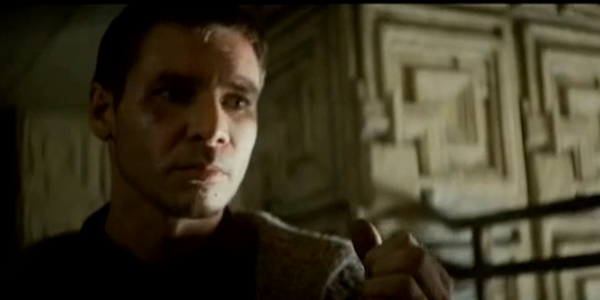 Warner BrothersBlade Runner has more editions than probably any other film in history -- there are seven different official versions of the movie, some featuring only minor changes from the original, others a little more dramatic with their editing scissors. The biggest changes largely revolve around the questionable inclusion of a dramatic voiceover narration, and the level of ambiguity regarding the film's famously controversial ending. The US theatrical release features the voiceover, which is so ham-fisted that it has been suggested that Harrison Ford intentionally performed it badly in the hopes that it would not be used, as well as a happier ending. There is also an international release, which is largely the same as the American version, just with additional violence in three scenes that could not get past the US censors. In 1992, there was also a Director's Cut released, which removed the narration and left the ending more open to interpretation, but Ridley Scott complained that other film commitments at the time prevented him from doing as much with the film as he would have liked. The Final Cut, as it's referred to now, is where the most significant changes are seen. This is as close to Ridley Scott's original vision as we're likely to get, and it keeps all the Director's Cut modifications with additional footage not featured in any other version of the film.