10 Movies About Death You Need To See Before You Die

It might just be another path, according to Gandalf, but it pays to be prepared.

It's unsurprising that a healthy proportion of great films deal with life's biggest hurdles - and as far as living goes, you're unlikely to find a more insurmountable hurdle than death. The fragility of human life and the struggle to come to terms with mortality have been common motifs in storytelling throughout history, but the emotionally evocative nature of film is in a particularly strong position to bring these issues to light. In exploring a list of films that all deal with death (a downer topic by any standards), one might think that they were in store for a marathon of depressing Oscar bait - Schindler's List, Terms of Endearment, and the like. And while those are both admirable films, we chose instead to create a more diverse and well-rounded offering. Some of the films on this list are sad - make no mistake - but more often than not there's a pervasive celebration of life that can't help but uplift audiences. As much as these films might not be the traditional lighthearted popcorn fare, you would be remiss to skip over them entirely.

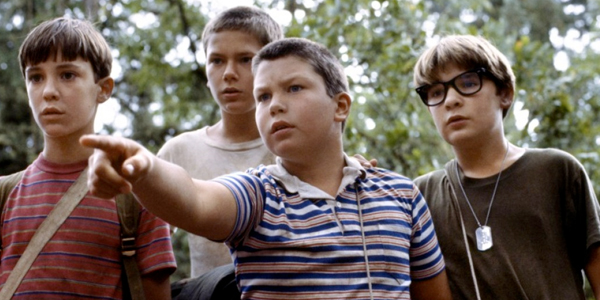
10. Stand By Me

Despite the fact that no one actually dies in Stand By Me, the spectre of death hangs heavy over the entire film. In fact, you could go so far as to say that although Stand By Me is frequently marketed as a coming-of-age film filled with nostalgia for lost youth, it's actually a movie obsessed with mortality. The main character, Gordie Lachance, experiences the loss of his older brother prior to the events of the film, and one of his biggest issues involved feeling emotionally neglected by his parents, who were too grief-stricken to pay much attention to the needs of their younger son. The plot revolves around four kids searching the dead body of a boy who was rumoured to have been hit been a train. And the narrator only sits down to write this story from his childhood after learning that his boyhood best friend Chris Chambers, played with a heartbreaking maturity by the late River Phoenix, had been killed after intervening in a fight. Stand By Me succeeds where it is a circumspect examination of a boy's first experience with death, accompanied by both morbid curiosity and a melancholy loss of innocence.

9. Wristcutters: A Love Story

Wristcutters: A Love story is a romance about suicide, which of course doesn't exactly make it the easiest film in the world to sell. But as weird as it sounds, it's actually an incredibly sweet and thoughtful film. In the world within the movie, all suicide victims find themselves in an unconventional sort of afterlife: it's pretty much exactly like regular life, except just a little bit worse. Our hero, a man who slit his wrists after his girlfriend broke up with him, works in a mediocre pizza place, and lives in a grungy apartment with an annoying roommate. At one point he quips that he's tempted to kill himself again, but terrified where he might end up after the second suicide. But despite his bleak surroundings, this is where he learns to love and, ironically enough, develop an appreciation for life. As they say in the film, miracles happen when they are no longer sought out - only after giving up desperately searching for meaning does he find peace. Patrick Fugit and Shannyn Sossamon shine in an incredibly underrated look at life, death, and life after death.

8. Death At A Funeral

A madcap comedy about the death of a posh but dysfunctional English family's patriarch? It doesn't seem possible, but Death At A Funeral manages to pull it off. The film - which was remade three years later for the American market (and ended up being vastly inferior) is the definition of an ensemble film, as the large and eccentric family gathers for the funeral. There's the niece's fiance, who accidentally took hallucinogenics thinking they were Valium and is now convinced that the coffin is moving; there's the deceased father's secret gay lover who shows up with the intentions of blackmailing the family or publicly outing him; and then there's the long-suffering son who just wants to honour his late father's memory. Oh, and there's a murder. OR IS THERE? And that's pretty much just the tip of the iceberg. Hilarious all the way through, the film features a fantastic cast of brilliant actors, who all serve the film admirably by not being too big for their role, and who all fit together perfectly, like cogs in a machine, to make a lovely British farce.

7. Imaginary Heroes

Imaginary Heroes is a contemplative piece about a teenager's life after his older brother Matt commits suicide. The film picks up as the family is recovering from his unexpected death, starting at the wake, so we the audience are trying to play catch up right off the bat. We know that this young man was a promising young athlete, perhaps even an Olympic level swimmer, so we're left wondering how this could happen? Our exposure to the death is through the eyes of his younger brother, Tim Travis, so we also experience the residual issues between the two during the mourning process. As more bits and pieces become exposed, we start to understand why Tim has such conflicted feelings about his brother's death. We're left with the impression that as much as people want to put others up on a pedestal to make difficult situations easier, sometimes there are no heroes. Despite the fact that Matt was a popular athlete, he wasn't the perfect young man that everyone thought he was. And although Tim is framed as the wounded party in the relationship, he's no angel either. This film shows that there are no easy answers, and death, just like life, is incredibly complicated.

6. Up

Unlike most Disney films, Up begins with a death. After a heart-wrenching montage detailing the lifelong relationship between Carl and Ellie, Carl is left all on his own, and the film really begins. At first, Carl is hostile and obstinate, refusing to give up the home he and his wife shared for so many years. He is unwilling to let go of the past, to move on, because accepting change means admitting to himself that Ellie is really gone and never coming back. But after meeting an enthusiastic young Boy Scout, he makes a drastic decision - he's going to take all the balloons from his balloon cart at the zoo, tie them to his quaint little cottage, and fly to the tropical paradise that he and Ellie had always dreamed of visiting. The film serves as a window into a man's very personal grieving process, as we see Carl come to terms with his wife's death and find the perfect way to honour her memory. The most enduring message of the film is that life goes on, and while that seems a million miles away during that first montage, it is a welcome full-stop.

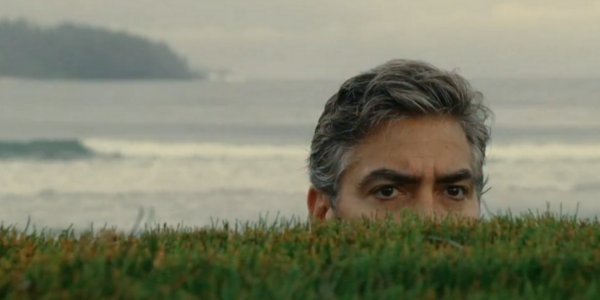
5. The Descendants

The Descendants deals a lot with the grief process, and how you say goodbye to someone, and in the case of this film, it focuses on how you make the decision to say goodbye to someone. George Clooney stars as a Hawaiian businessman whose wife is in a coma from a surfing accident. Together with his two young daughters, they have to let her go on their own terms. But there's this element that makes the entire story more complex, because he discovers that his wife had been cheating on him with a real estate agent. How do you grieve someone that you're angry with? How do you come to terms with the fact that you will never be able to get closure, never be able to work through it? He's upset with her and he feels betrayed, but at the same time, she's dying and he misses her. There's a lot of complicated emotions that can go into the grieving process that aren't frequently represented on film. Normally the dead are portrayed as a saint or a villain, but rarely as a human, and the decision to introduce this many shades of grey makes The Descendants one of the most interesting examinations of grief in recent years.

4. Never Let Me Go

Prepare to have your heart ripped from your chest, because Never Let Me Go runs a never-ending gauntlet of emotions. This film is set in the not-so-distant future, where there's a cloning system in place to generate organs for people. The average life expectancy has increased dramatically, but it's at the expense of the clone population, who must give "donations" once they reach adulthood. Most clones only survive one or two donations, and only live to the age of about 25 or 30. The futility of how the clones fight so hard for every second they can get is hauntingly beautiful, but what really sticks with you is Carey Mulligan's musings at the end of the film: she's frustrated, because she feels that she doesn't have enough time. Her life is too short, but then she thinks about it, and she says that's how normal people must feel too. We're all constantly checking our watches, worrying about when the end will come. Putting it in the context of these people who have such cruelly short lives is a stroke of brilliance, and a beautiful way of putting that universal fear into light.

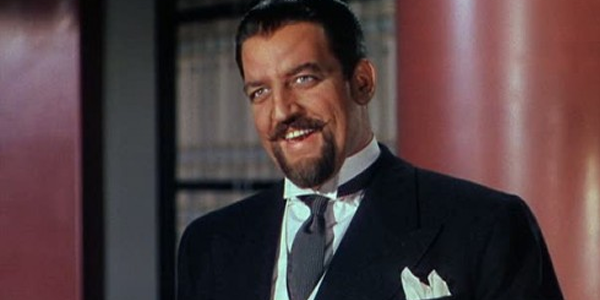
3. Heaven Can Wait

Heaven Can Wait is the story of a man who, upon reaching the gates of Hell, must recount the sordid details of his life. The man isn't a saint, of course - but then few men are - the point is, is he really bad enough to end up in hell? From cradle to grave it seems like the main aim of this man, played by Don Ameche, is to have a bit of fun. Whether sneaking a mouse into his schoolteacher's bustle as a child or engaging in a series of flings with a showgirl, he's a man driven by impulses. His one saving grace, it seems, is his capacity to love. He's not always a great husband or father, but it's never in question whether or not he loves his wife and son. It's an interesting play on the biblical Judgement Day, where all people must be held accountable for their actions in life. This man is fairly commonplace in the real world - he seems to have gone through life being neither truly good nor truly bad. But despite this, he is an unusual character in the film universe, with its black and white morality. Although he considers himself to have lived a dissolute life, his crimes are more hedonism than actual sin, and he's sent to "the other place."

2. A Matter Of Life And Death

A Matter Of Life And Death, or as it's known in the United States, Stairway To Heaven, is about a pilot in the midst of World War II, about to crash land, but before he does, he speaks to a female operator and they share a connection in a very short amount of time. There's no way that he can survive this crash - except he does, because apparently, wires got crossed between heaven and earth, and he was somehow left alive. It might be called a miracle, except that heaven feels the need to have this error corrected, and our pilot is granted a hearing in which he can explain why he should be left alive. It's a really clever story, which brings all these ideas of bureaucracy and red tape into something that is generally considered immensely spiritual. Where the film really succeeds, however, is in creating an intricate world with its own laws and customs that feel as though they actually exist. Somewhat sentimentally, the pilot's counsel argues that since he has fallen in love, his earthly commitments should take precedent over heaven's claim to him, as he was left alive through no fault of his own. As the court scene takes place while the pilot is receiving brain surgery, however, we're left to wonder if it ever actually happened, or if it was just in his head.

1. The Seventh Seal

We've all, in our more paranoid moments, had the sneaking suspicion that the Universe is playing games with us - trust Ingmar Bergman to confirm it. This classic Swedish film is about a medieval knight who returns from the Crusades only to find his homeland being ravaged by the plague. The central plot of the story revolves around this knight, who has challenged Death to a game of chess, believing that he can avoid dying for as long as he continues the game. Its overall theme is an exploration of religious faith and all the contradictions contained within, as Bergman had a conflicted relationship with religion - which was an overriding theme in the majority of his works. The knight is tormented by the concept of death without concrete proof of an afterlife, an empty heaven, if you will, and his existential search for answers frames much of the film. But in the end, most viewers will remember The Seventh Seal for its haunting image of Death as the inscrutable chess master from which escape is impossible. Which movies about death do you think deserve to be included in this list? Share your own selections below in the comments thread.

Contributor
Contributor

Audrey Fox is an ex-film student, which means that she prefers to spend her days in the dark, watching movies and pondering the director's use of diegetic sound. She currently works as an entertainment writer, joyfully rambling about all things film and television related. Add her on Twitter at @audonamission and check out her film blog at 1001moviesandbeyond.com.