10 Movies That Have Special Editions Worse Than Star Wars

It's not just George Lucas who likes to ruin his movies.
Sometimes retroactive changes to a film can do some good. Director's cuts have the potential to make awesome films that bit better (The Lord Of The Rings is the best example by far) or turn abominations into something watchable (Daredevil), while more low-key tinkering helps right minor mistakes; for the 2012 rerelease of Titanic, James Cameron fixed the stars in the sky to be accurate to what would have been seen out on the Atlantic that night in 1912. Of course we all know how bad things can go. George Lucas has become a figure of geek hate after he took the beloved Star Wars films and created the Special Editions; versions of the films that not only cleaned up the visuals, removing matte lines and dirt, as a usual remaster would do, but also threw in lots of obvious and, in many cases sacrilegious, changes. What makes the Special Editions (and the subsequent alterations on DVD and Blu-Ray) so bad is that the original versions of the films aren't available. That increases the hate directed towards them and hides the fact there are some other terrible retroactive cuts of beloved movies that flat out suck. Here are ten of those films that do as big a disservice to their respective originals as Greedo shooting first does to Star Wars.

Honourable Mention - Star Wars Episode I: The Phantom Menace
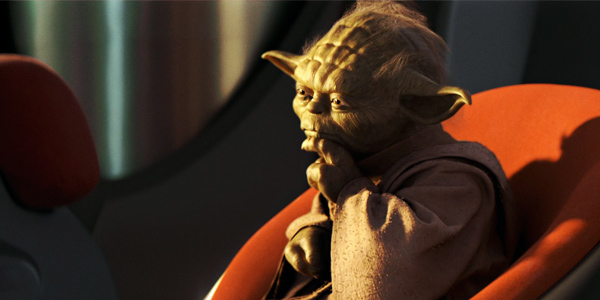
Everyone always harps on about the changes Lucas made to the Original Trilogy, which means that many miss that the prequels were also messed with post-release. The most tinkered with Episode is The Phantom Menace, which hasn't been available in its theatrical cut since the initial VHS release. The most noticeable alteration was replacing the sub-Empire puppet with CGI (done during the production of Revenge Of The Sith), but it's the minor changes that have a negative effect. The second lap of the pod-race has added scenes, fuelling the complaints over the scene's length, and the Coruscant Taxi ride only serves to give more Jar Jar. Of course, as the film wasn't so beloved in the first place it's viewed as less of a crime.

10. Sin City: Recut, Unrated, Extended
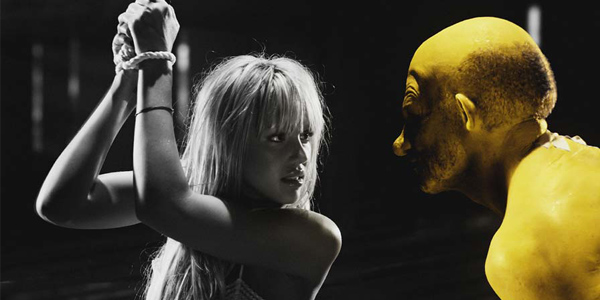
While it certainly wasn't helped by having fewer, less interesting stories, what really stopped Sin City: A Dame To Kill For from living up to the 2005 original was the narrative structure. Like a Russian Doll, A Dame To Kill For begins its stories in the first half, then concludes them in reserve order in the second. While characters do pop up in various ones, the whole thing feels a bit disjointed. The first film felt like it was intended to be told in this order, whereas the sequel was cobbled together (which is kinda true). A special edition of the first film for the DVD serves as proof of how much of an impact the narrative has on the film's quality. As well as adding in eighteen minutes of previously deleted footage, Recut, Unrated, Extended reedits the sequence of events to present the different yarns as individual short stories. It's intriguing, but robs the film of feeling like a definitive, complete package. The Yellow Bastard segments in particular don't work too well running straight through; just like Hartigan and Nancy we need to have felt time pass since Roark Junior's first attack.

9. Beauty And The Beast: IMAX Special Edition
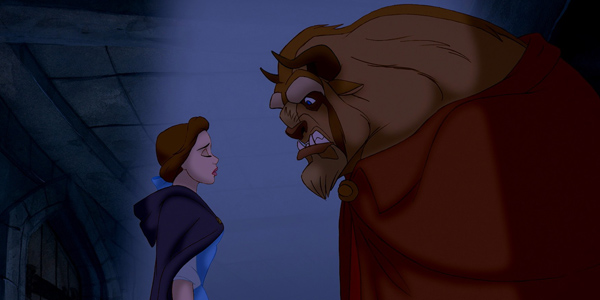
Disney are renowned for rereleasing their films, with the likes of Snow White and Fantasia having been in cinemas more times than you probably have. Animation dates a lot slower than live-action (hairstyles don't look as corny over time), so it was a great way to stretch a film's box office. The practice began to fade as home video took off (a market Disney has expertly mastered with its Vault), but you still occasionally see some classics, particularly those from the Renaissance of the nineties reappear theatrically, often accompanied by a new gimmick. 2002 saw Beauty And The Beast released in IMAX in an extended, Special Edition. Presenting a mixture of animation touch-ups and sound fixing, there were some scenes added that increased the run time, but added little to the film aside from an incentive to watch the rerelease. Disney has tinkered with its movies at various points, with Snow White having deleted scenes added and Fantasia chopped and changed seemingly with each cinematic outing, although in those cases it didn't have a massively detrimental effect. What's noteworthy about this version is that it was actually inspired by the Star Wars Special Editions; following those films the directors thought it would be cool to do their own version that saw the previously excised song Human Again included. The song isn't as strong as those in the theatrical version of the film (hence why it was cut) and is central to the weaker standing of the IMAX edition. The film would later also see a 3D release, which returned to the theatrical version, axing Human Again.

8. Avatar: Special Edition/Collector's Extended Cut
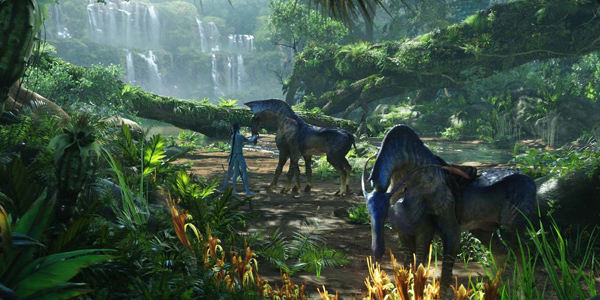
The release of Avatar is a masterclass in how to milk a movie for every penny. After a record-breaking theatrical run, bolstered by inflated ticket prices for 3D and IMAX, the film received a bare-bones home video release before multiple special packages were released. And, on top of all that, there were an extra two versions of the movie produced. The Special Edition, which added nine minutes to the movie, saw a limited cinema release in the summer of 2010 and was subsequently available on DVD and Blu-Ray alongside a Collector's Extended Cut that adds a further six-or-so minutes, making it sixteen minutes longer than the regular film. And while you may be curious to see what these added scenes contain, we strongly suggest you don't bother. The extra time is mainly from an opening on Earth and some more development of the Na'vi, which are both unnecessary to the film as a whole; we can get that Jake was in rut and Earth was on its last legs from the theatrical cut, while we really don't need any more time with the blue cats. Avatar was already too long, mainly due to a lot of unnecessary contextual scenes, so adding more in only served to increase that issue.

7. Memento: Chronological Version

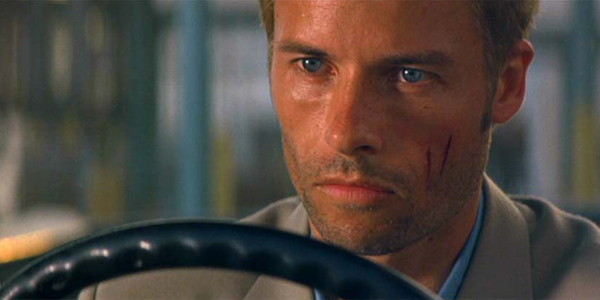
It's one of those things everyone thinks when they finish watching Christopher Nolan's amnesiac thriller for the first time; wouldn't it be cool to see it all in chronological order? Well you can, if you own the Limited Edition version DVD; hidden on Disk 2 is the non-backwards take on events. The proper version of the film jumps around in time from the off; colour sequences tell us the end of amnesiac Leonard's story in short vignettes played in reverse, while black and white conversations provide context. Rather than being complicated for complications sake, this novel structure rises above being a gimmick to be one of the film's strongest elements. We're put in Leonard's shoes not knowing where we are nor how we got there, best shown with the manner it reveals the self-propagating twist. Naturally a chronological version would lose those elements, but surely it would make the state of events much clearer. And it does, but at a price; it's woefully predictable. The edit Spends its first half telling us the backstory in one go, before explaining what's going on well before the midpoint. As the film is easily decipherable with rewatch, this version serves as little more than a curio that highlights how stilted Leonard's life is. This is not meant to be a definitive version of the film, so it's not as disruptive as some of the other special editions on this list, but that doesn't make it worth watching.

6. Giorgio Moroder Presents: Metropolis
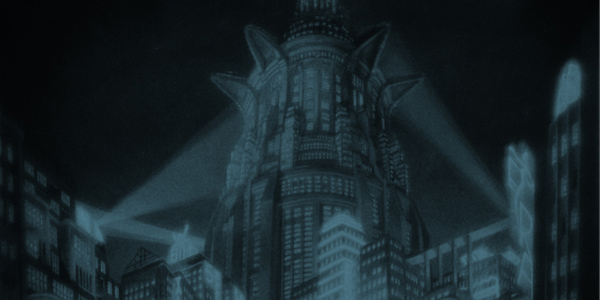
Metropolis is one of the most ground-breaking and influential films ever made, despite none of the people it inspired having ever seen the full version. Released in 1927, the German silent sci-fi was cut for various international releases and the original cut was ultimately lost, meaning what most people saw was a pale imitation of Fritz Lang's original masterpiece. As its reputation grew, however, attempts to restore the film began. 2010 brought what is probably the most accurate version we'll ever see, including for the first time in decades some long-lost footage that miraculously turned up in Argentina, but before that we got a very strange take on things. Tinting the image, removing the dialogue cards in favour of subtitles and adding in some new effects, an eighties version of the film, which was masterminded by record producer Giorgio Moroder, is mostly remembered for its soundtrack, which replaced traditional music in favour of a contemporary score from the likes of Adam Ant and Freddie Mercury. As you can imagine, the altered image coupled with totally unsuitable music made an interesting watch, but far from one befitting one of the greatest sci-fi films ever made. What's horrible about this version is that until the new millennium brought with it proper restorations of the film, it was the most complete take on the original. Shudder.

5. Alien: Resurrection: Special Edition
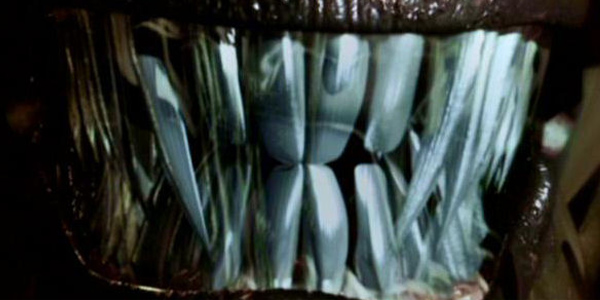
2003 saw all four Alien films released in one DVD boxset. On top of the films that people loved/hated, the Alien Quadrilogy (sic) came with brand new versions of the movies. Aside from Alien 3, which David Fincher has totally disowned, these saw the directors return. And while both Ridley Scott and James Cameron's are interesting expansions of the universe they created, Jean-Pierre Jeunet's Special Edition for the already messy Alien: Resurrection was far from impressive. It's obvious something's very off from the start, with the film opening with one of the worst trick shots in cinema history; we see the recognisable snarling jaws of xenomorph, before the camera zooms out and reveals it's actually a bug. It's a cheap joke made all the worse by the fact that the special effects are so bad they would have been dated when the film originally came out, let alone when the Special Edition surfaced. The rest of the additions to the film only exist to drag out the dumb plot a little longer, with the worst being an Earth-set ending that tries to give some closure to Ripley. Jeunet has stated that he actually prefers the theatrical version, which almost explains the laziness of the additions.

4. Wake Up, Ron Burgundy: The Lost Movie
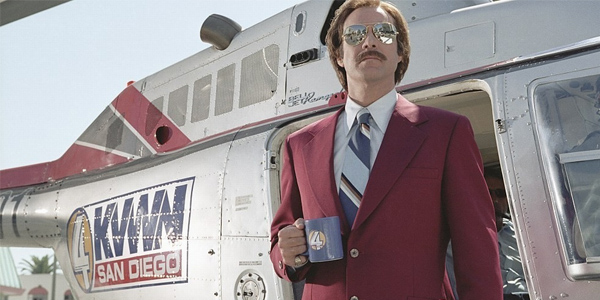
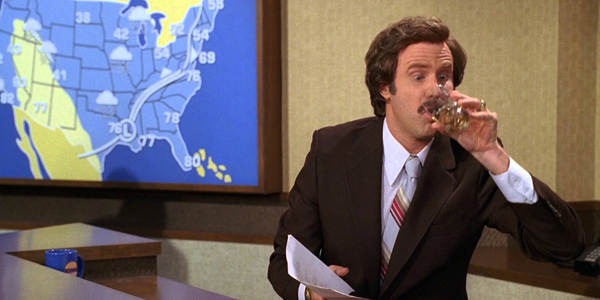
You could argue Wake Up, Ron Burgandy is its own separate beast, a semi-sequel/spin-off the insanely quotable Anchorman: The Legend Of Ron Burgandy, but as it was cobbled together from unused elements from the proper film, we'd say it counts as a very special edition. Unlike some of the films on this list, which are lazy lengthening cash-ins there has clearly been some effort put in here, with director Adam McKay crafting a movie around a cut subplot. But he and the rest of the News Team also put effort into the proper sequel, The Legend Continues, so that doesn't always guarantee a good product. Wake Up is set during the events of the main film, centred around bank robbers The Alarm Clock, an organisation keen to push their undecided cause. It's a funny idea and the film itself gets a few giggles, but you can really tell why the stuff was cut, with the story being a lot less interesting than The Legend Of Ron Burgandy's gender clash. As a movie in its own right it fails, but as a deleted scene compilation it's not bad at all.

3. The Matrix: Remastered

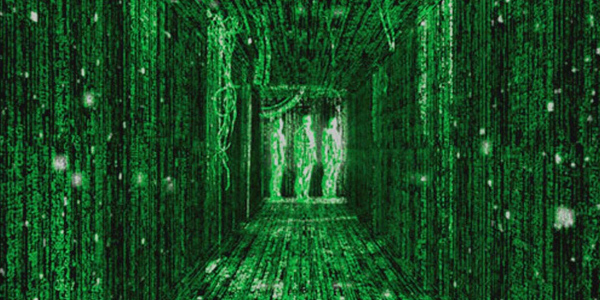
There's plenty of versions of The Matrix, with the high levels of violence in a sci-fi flick with broad appeal leading to Warner Bros. cutting out certain moments of violence to get a more profitable certification in various international territories. Those aren't the only alternate versions of the Wachowski's beloved movie out there, however. The Matrix on DVD was a massive success, the wave of praise that accompanied the film pre-sequels leading to everybody wanting to experience the visually astounding movie again. And if you got the then-impressive DVD print initially then that's what you got; a visually astounding movie. If you waited and got a copy after 2004, when The Ultimate Matrix Collection was released, then you probably got version of the film with remastered visuals. Deciphering the marketing speak, that essentially means it looks worse. In an attempt to have the first film more visually in tune with its higher budgeted sequels the image was altered, with the world inside the Matrix having a stronger green hue and the real world much more blue. If that sounds trivial, consider that much of the original success of the film comes from its pseudo-philosophy prompting discussions about the reality of our own world; with everything much less real it makes the world a lot less relatable. Also, why would you want to associate anything with the train-wrecks of Reloaded and Revolutions?

2. The Lion King

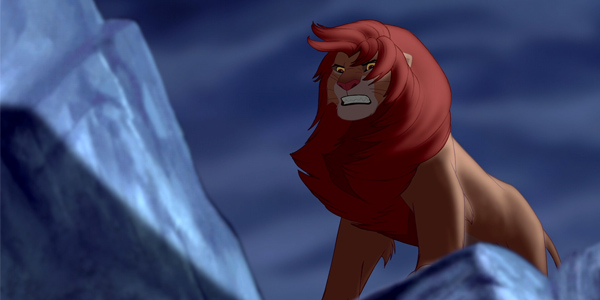
If Beauty And The Beast's Special Edition cheapened the film with Human Again, at least there you could defend it as trying to give the fans something interesting and new. What Disney has done to The Lion King since its initial release twenty years ago is a different matter. What, you didn't know The Lion King had any special editions? That's because Disney have kept the bastardisation of what is unequivocally their best film an unadvertised secret; although you wouldn't know it, the copy of the film you have on DVD or Blu-Ray is definitely not the one that you first fell in love with two decades ago. The most publicised (if using that word isn't extreme hyperbole) change was the incorporation of new song The Morning Report, which Zazu delivers gives to Mufasa after the circle of life chat, but with that the DVD gave the option to the viewer as to whether or not this could be included or not. The real damage comes from overriding visual changes made to the fabric of the film that go over most viewer's heads. The first change came with the film's IMAX rerelease (and all subsequent home video releases), which saw the crocodiles in I Just Can't Wait To Be King altered to look more cartoony than any of the other animals. It's trivial, but set the wildebeest stampeding; the Blu-Ray release back in 2011 took things a step further, with various other visual moments altered, most notably the clouds Mufasa appears in suddenly disappearing. These aren't as erroneous as some changes, but because they're the only version you can purchase this makes it a travesty akin to the Star Wars issue.

1. E.T. The Extra-Terrestrial: 20th Anniversary Edition
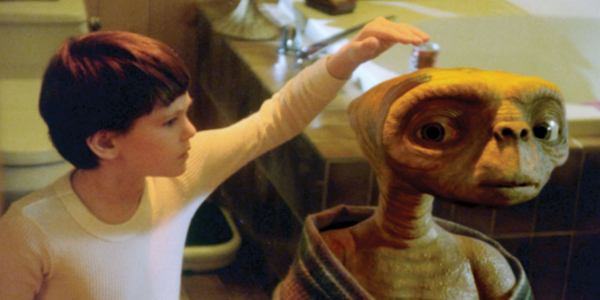
Although Han shooting second is certainly irritating and Hayden Christensen popping up at the end of Return Of The Jedi is scandalous, the worst elements of the Star Wars Special Editions are the computer generated creatures added in. Dated more than the original model work, stuff like the CGI Jabba from A New Hope and the new band in the Hutt's palace is just plain embarrassing. It's so awful you can't help but imagine what terrible effects would do to equally beloved films. Well imagine no longer because to celebrate twenty years of E.T. in 2002 Steven Spielberg decided to give the enduring alien a CGI face-lift. Thinking the animatronic's face looked unconvincing (he's wrong), Spielberg had ILM make E.T. a compiterised creature, as well as adding some extra, superfluous scenes to piss fans off more. The most perplexing change was replacing the guns of the FBI agents with walkie talkies, which only serves to make them look more incompetent. The changes are as intrusive as what Lucas did to his space saga and the new face succeeds in making E.T. creepy, rather than adorable. Thankfully, Spielberg realised the error of his ways and all subsequent releases of the film boast the Anniversary Edition merely as a bonus feature, with him keen to return focus to the 1982 original. Hopefully Disney will correct Lucas' mistake with Star Wars in a similar manner sooner rather than later. Which other films are ruined by terrible Special Editions? Let us know in the comments below.

In this post: 
The Matrix
 
Posted On: 
Contributor
Contributor

Film Editor (2014-2016). Loves The Usual Suspects. Hates Transformers 2. Everything else lies somewhere in the middle. Once met the Chuckle Brothers.