10 Reason Mad Max: Fury Road Should Win Best Picture
Will it ride eternal, shiny and gold?
10. It Has The Best Production Design
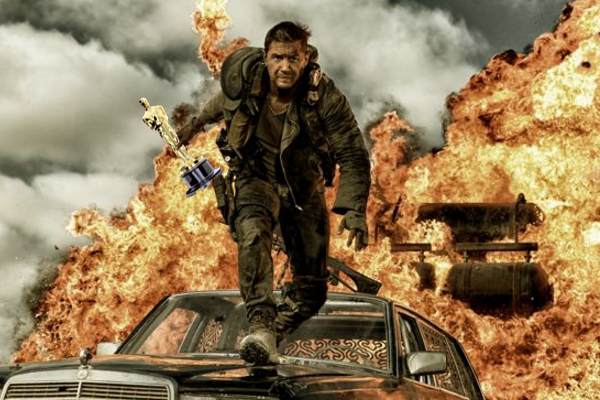
The level of detail and thought George Miller and production designer Colin Gibson (Best Production Design nominee) put into Fury Roads fictional world is staggering. The Mad Max series had always been known for its outré, iconic production design, but, Miller wanted Fury Road to stand on its own, paying homage to the previous Mad Max films while updating its world for a new generation. In an interview with The Guardian, Gibson explained that he and Miller worked on an internally consistent backstory to justify the design of each of the over 200 hundred fully functional vehicles used in the film. Their eye for detail paid dividends in the final product. The fleets that chase Max and Furiosa through the desert were visual gateways into the larger fictional world the characters inhabit. Gibson intentionally designed the metal monstrosities to resemble vehicles built out of refuse left over from the apocalypse; this resulted in a world that felt wholly authentic onscreen, helping to draw audiences into the story. While this years other nominees for Best Production Design include standouts like The Martian and The Revenant, no other feature brought the same staggering level of detail and imagination to their cinematic worlds.9. It's Not Oscar Bait

8. It Has The Best Visual Effects
7. It Has The Best Editing
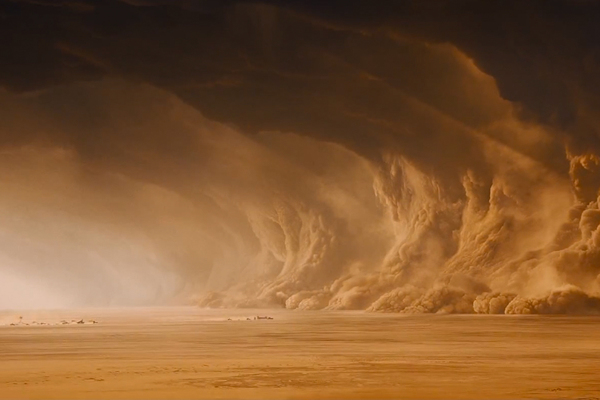
Fury Road's editing process wound up being a painfully long endeavour. By the time Miller finished shooting, his wife and editor, Margaret Sixel (this years Best Editing nominee), had to parse through 480 hours of film. It took her three months to just watch the footage in its entirety before she even began to edit. Her arduous undertaking resulted in one of the best edited features of the decade. Fury Road doesnt suffer from the rapid-fire editing of most modern action movies where visual clarity is treated as an afterthought. Sixel and Miller employed a variety of techniques to make Fury Road visually complex yet easy to follow. According to VishiVisuals, Miller employed Crosshair Framing to ensure the most important action took center stage in the frame; this way viewers wouldnt have to shift their focus to different parts of the frame after each cut. This technique allowed Fury Road to remain visually coherent through its 2,700 cuts despite the onscreen mayhem. The film's fellow Best Editing nominees, The Revenant and The Force Awakens, contain stellar editing work, but they pale in comparison to the complexity and clarity of Fury Roads editing. In fact, few films from any year can rival it.6. It Has Something To Say

5. It's The Best Reviewed Movie Of The Year
4. The Acting Is Underrated
3. It's The Best-Directed Movie Of The Year
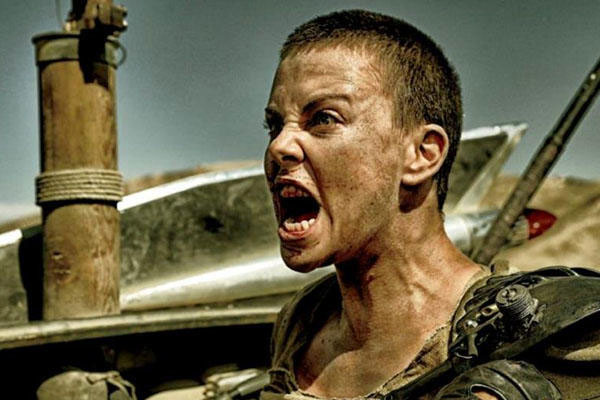
None of Fury Roads achievement in visual FX, acting, production design, and editing would be possible without George Millers direction. Millers devotion to the film, and the pains he took to get it to the big screen, illustrate how personal a project Fury Road really was. Back in the early 2000s, Miller developed Fury Road by making over 3,500 storyboards that laid out the movie in its entirety. Fury Road originally started filming in 2003 until safety issues halted production. Despite this setback, Miller persevered. In 2011, production began again on a 7 month shoot that had to undergo reshoots in 2013. Miller finally delivered his masterpiece in 2015. Fury Road contains almost the same amount of shots as Millers original storyboards, showing that Miller stayed true to his vision despite all the production hiccups. This level of dedication to the filmmaking craft is almost unparalleled. Miller used every trick in the book to make Fury Road a standout picture. His vision seeped into every element of Fury Roads production from the costumes to the editing. Hes already won a number of awards for Best Director; its now the Oscars' turn to reward Miller for his impressive, singular directorial achievement.2. Audiences Love It
