10 Film Sequels That Went In Wildly Different Directions
Unnatural successors to some classic movies.
The psychology behind a sequel is simple: more of the same, and usually bigger. After all, since the first film was a great success, why change a winning formula? While it's generally accepted that a follow up won't match the original, producers can always rely on dollar signs as a motivating force.
Over the years, scores of audience members have sat in the cinema only to emerge two hours later wondering why they bothered.The bloated spectacles of Speed 2, Bad Boys II and Escape From LA are testament to that.
However every so often that rule is broken, and a director will try something different with a new instalment. From a shift in tone to a complete change in storyline, there are sequels out there that mean more than an increase in budget and a digit jammed onto the end of the title. Here we take a look at ten of the best/worst examples.
10. Halloween III: Season Of The Witch
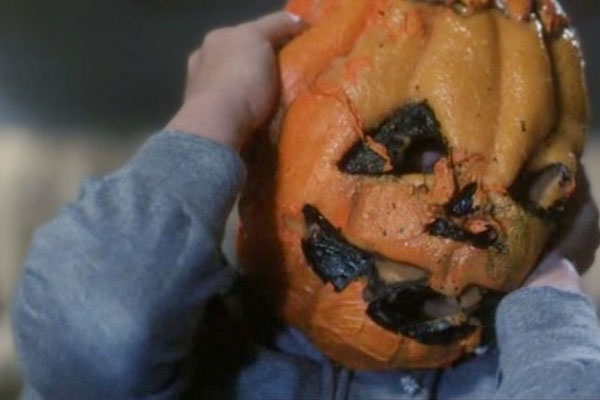
Let's start with a clear cut case of a weird, wacked-out wild card of a movie. Up to 1982 John Carpenter's Halloween series was all about masked maniac Michael Myers and his vendetta against sister Laurie Strode. A second chapter picked up directly from where the first one left off. The results were about as rapturously received as a pumpkin pie full of maggots.
For Part III writer/director Tommy Lee Wallace worked under a whole other remit. Carpenter and co wanted the franchise to become a series of self-contained horror stories that would scare the world's pants off during broomstick season. So instead of returning to Myers a scenario was devised involving a factory of malevolent toys and living stones.
Despite the script being worked on by Nigel Kneale (Quatermass) and the showcasing of some genuine chills - such as the slaughter of a family during a bizarre experiment - the film got massacred by critics and gained cult status in later years. Too late for the money machine's liking: it's still spewing out Myers-heavy sequels today.
9. Gregory's 2 Girls
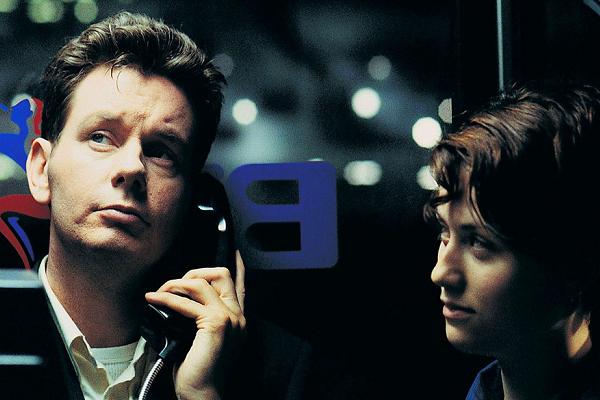
Gregory's Girl stood alone as a classic of teen angst from the Eighties. Young sports enthusiast Gregory suffered heartache lusting after an attractive classmate. It made a star of John Gordon Sinclair and established the reputation of helmer Bill Forsyth. The original had football and Clare Grogan. What more could you want? Well somewhere along the line it was decided we did want more, just not of the same.
Flash forward eighteen years and circumstances had altered somewhat for Sinclair and Forsyth. As Gregory had grown the decision was made to ditch the footie and tender romance to focus on... erm, inappropriate teacher conduct and war games.
The "Two Girls" of the title were teacher Sinclair's barely legal student (Carly McKinnon) and the far more suitable Maria Doyle Kennedy. Together they got mixed up in a wacky plot to expose a business leader who appeared to have a highly murky portfolio. Sounds like a different film altogether? Yes. Should they have just filmed it under another name? Probably.
8. House III: The Horror Show
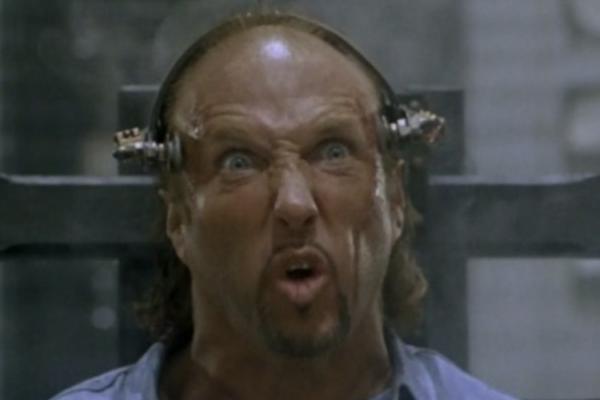
These days House is associated with Hugh Laurie, but fright fans remember it as the banner of a quirky horror property portfolio. House was the story of a horror author and homeowner haunted by the spectres of Vietnam. The sequel deviated somewhat. And Part III? Well it went right off the road and through the burger van. Much like Season Of The Witch it was made by the same team, but intended to be an original offering. The Horror Show went under the same estate agent, strictly for sales purposes.
Lambasted by reviewers, the tale of cop Lance Henriksen being terrorized by the spirit of deceased murderer Brion James is noted today for being a mirror image of Wes Craven's Shocker. In a spooky coincidence both were released in 1989. Aside from containing a dwelling it bore little resemblance to its predecessors.
The film starred two of the ultimate cult actors in Aliens' Henriksen and Blade Runner's James. It's just a shame they couldn't lift it above the level of bog standard fare. Though not a continuation of the House saga by any stretch of the imagination it did leave enough of a mark for House IV to enter production in the early Nineties.
7. Repo Chick
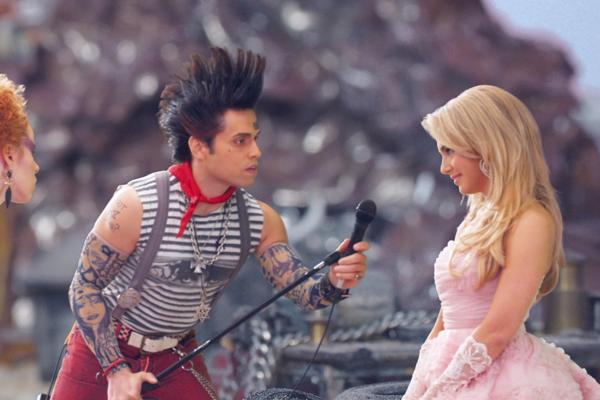
Sharing the twin honour of launching actor Emilio Estevez and director Alex Cox on the world (we'll leave it to you to decide how much of an achievement it was), 1984's Repo Man was an unusual and innovative comedy about repossession and UFO obsession. Estevez played a punk debt collector (was there any other kind in the Eighties?) who found himself in the midst of mysterious goings-on involving a bizarre car.
Repo Chick on the other hand brought the concept back down to earth in 2009, but it's no less strange as a result. For starters Cox shot it all against a green screen to keep costs way, way down. This led to a deliberately stylized approach that saw extensive use of models and cut 'n paste technology.
Starring Jaclyn Jonet, the film shifted the plot from aliens to terrorism and celebrity culture, with everything tweaked to avoid a copyright dispute with Repo Man owners Universal. Cox likes to play around and this was definitely a sandpit he could throw his toys about in. Also its status as a "micro budget" flick meant recouping the money wasn't so much of a problem.
6. Return Of The Pink Panther
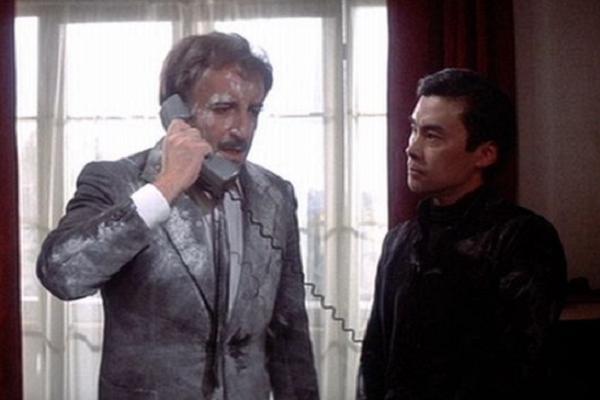
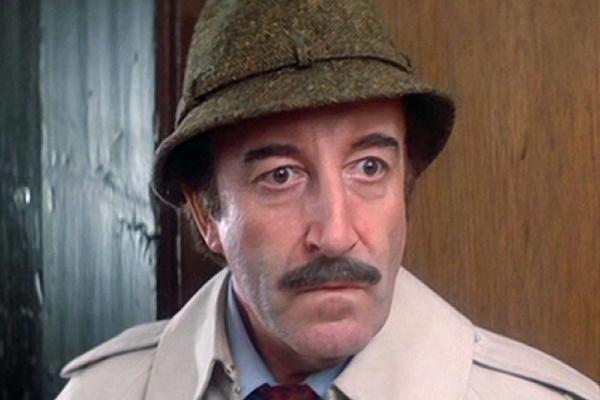
Peter Sellers was a human chameleon, yet for many he'll always be associated with the role of Inspector Clouseau. Famously constructed on a plane on the way over to film the original Pink Panther, the most incompetent boob outside of a Beverly Hills surgery played a supporting part in Blake Edwards' standalone farce. Before Will Ferrell got his groove on smashing motorbikes through walls, Sellers went one better half-destroying the planet as a top police bungler.
After vehicle/sequel A Shot In The Dark Sellers lost interest in the character, but a decade later Edwards signed him up for 1975's The Return Of The Pink Panther. This signalled an end to the elegance and the beginning of a great big ball of warped weirdity. From here on in the franchise was defined by outrageous disguises, elaborate stunts and an air of genuine mania from the versatile star.
The Inspector dressed as a hunchback and a midget in the pursuit of his increasingly strange investigations. This led to such insanity as a seaman with an inflatable parrot and, after Sellers' death, the appearance of Roger Moore as Clouseau. Return was the point at which the series altered course, and was never the same again.
5. Rambo: First Blood Part II
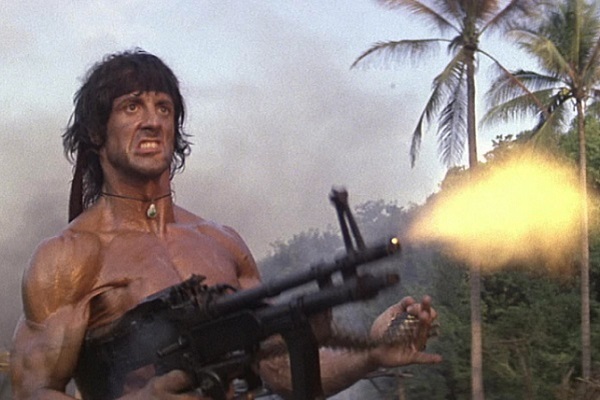
Remember Rambo? He was far more than Expendable. The original First Blood was a taut, character-driven action piece, as much about the cat and mouse between Sylvester Stallone and Brian Dennehy as the Vietnam vet and twisted law enforcer respectively. For Part II that quality went out the window faster than a fart in a wind tunnel factory.
John Rambo had transformed from a troubled drifter to a bullet-slinging government mercenary, dishing out lashings of hot justice to all and sundry. With James Cameron co-scripting the adventure, it wasn't going to be a modest affair. Stallone's bicep-wielding death machine in a headband, ludicrously described as "The Force Of Freedom" in the cartoon series, is one of cinema's great caricatures.
He consolidated the outlandish nature of Rambo in the third movie, which featured unbelievable sequences like the "hero" half-immolating himself to cauterize his wounded insides. That craziness had its origins right here.
4. The Return Of Swamp Thing
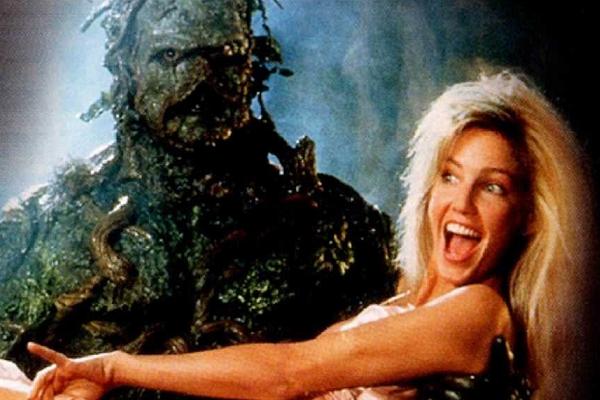
Wes Craven helmed a version of Swamp Thing in 1982. Casting Twin Peaks' Ray Wise as the before and the magnificently-named Dick Durock as the after, Craven pitted this unfortunate scientist who hybridized himself with a chemical formula against Louis Jordan's deranged colleague slash adversary. It didn't make much of an impression, sinking back into the mire from which it had risen.
Jim Wynorski went for broke six years later, taking Durock's slimey avenger on a spoofy journey in The Return Of Swamp Thing. Jordan had perished at the end of the first film but no matter. A vague explanation later and he was back in action. Only Swampie and schwing-able sidekick Heather Locklear could stop him.
Whereas Craven had delivered a workmanlike but eerie couple of hours, Wynorski figured his project should be a laugh fest, though no laughs were forthcoming from critics. It carried on the narrative without adhering to its ancestor, a fatal mistake in a genre watched like a hawk by legions of over-analyzers.
3. Batman Returns
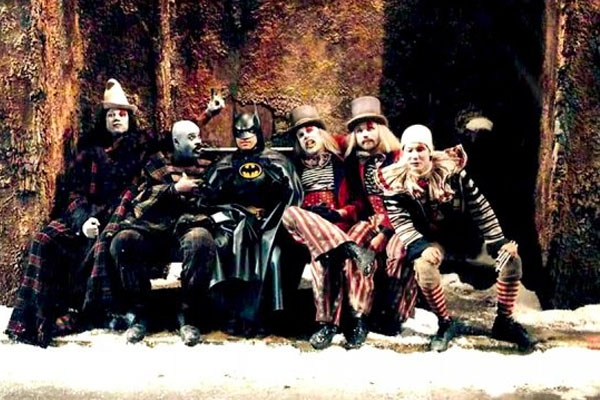
The first chunk of Bat action constrained Burton somewhat, with the picture a mixture of his sensibilities, Anton Furst's art deco production design and, perhaps unwisely, Prince's electro-funk soundtrack. For Batman Returns he had no such restrictions, and took the gravelly vigilante from Pinewood Studios to Hollywood for a German Expressionist take on the Dark Knight.
Abandoned orphan Oswald Cobblepot terrorized Gotham City from the sewers. Assistant secretary Selina Kyle was brought back from the brink of death by a scrum of street moggies after murky industrialist Max Schreck shoved her out a window for discovering his dirty deals. Safe to say this wasn't your typical follow up.
Shot entirely on soundstages with a deliberately theatrical vibe, the script also dodged the studio cookie cutter thanks to Heathers scribe Daniel Waters. Danny DeVito's Penguin was a vindictive pervert and Michelle Pfeiffer's Catwoman a schizoid sadist. It was an end product Warner Bros were scared of marketing by the time Burton finished in the editing suite.
2. Wes Craven's New Nightmare
Wes Craven had seen his output bowdlerized over the years, with the Nightmare On Elm Street series getting campier and Swamp Thing resurrected for a daft sequel. It was this experience perhaps that shaped an unexpected stab/slash at another Elm Street movie, 1994's New Nightmare. Before Freddy had truly crossed over from nightmare to game show host, removed from his origins as a terrifying torturer.
Krueger entry no.7 placed the razor-fingered antagonist in the real world, where he rubbed shoulders with stars Robert Englund, Heather Langenkamp and even the helmer himself. The tone ditched the wisecracks and aimed for something more contemplative and sinister, setting the story against the backdrop of LA earth tremors and the blurring of fantasy and reality.
Craven also decided to change Freddy from a gory gurner to a redesigned reckoner with a ghoulish appearance, as opposed to the established "pizza face" look. It was a one off, and predated the creator's influential, postmodern antics on the Scream films.