10 Special Effects Movie Milestones That Came After Star Wars
Star Wars inspired big changes in the 'ol special effects department. More than 30 years later, Gravity made us feel like we'd actually been transported to space.
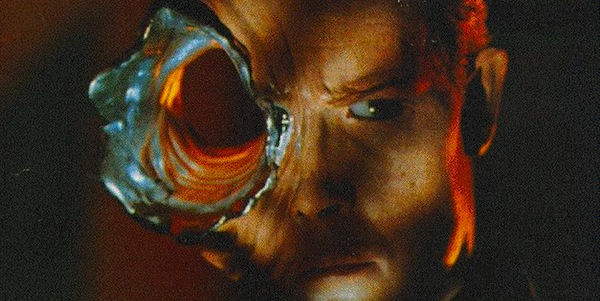
10. Superman: The Movie (1978)
Directed by: Richard Donner Superman: The Movie actually went into production before the release of Star Wars in May 1977, but generally is considered to be directly influenced by George Lucas and Co. due to a December 1978 release. Not so. If you ask anyone involved with the special effects of Superman, they'll tell you that their movie was right there along with Star Wars and Spielberg's Close Encounters of the Third Kind on the forefront of cutting-edge cinematic effects, blazing a path for thousands of movies to follow. I mean, sure... anyone will say stuff like that about their own movie, but the Superman people might actually be telling the truth. No man had flown in the movies quite like Christopher Reeve managed here, a convincing effect made possible by large-scale blue screens and wire riggings. Considering that this was 1977-78 and computerized mechanics were still a thing of the future, the wire-rigged flying stunts were quite amazing. Reeve himself (stuntmen were used infrequently) was suspended as high as 50 feet, with only a counterweight and pulley to balance his weight. The real effects sparks flew in the shots of Reeve flying toward or away from the camera, as well as in the tracking shots (flying across the camera). Front projection effect - a trick where the background is projected over the actors/props to create an otherwise impossible shot, used years prior in Stanley Kubrick's 2001: A Space Odyssey - was combined with zoom lenses. This would allow the camera to zoom in on Reeve but zoom away from the backdrop, causing Superman to accelerate and the background to recede, providing the illusion of rapid flight. And in a stroke of brilliance, the effects team used a "special device" to make Superman's cape flap in the wind - today, we call this device "a fan." Influenced: Most of today's superhero movies, as well as Flash Gordon, E.T., The Boy Who Could Fly, that scene in The Big Lebowski where Jeff Bridges flies along the bowling lane under all of those open legs, and the flying dog in Half Baked.9. Star Trek II: The Wrath Of Khan (1982)

8. Terminator 2: Judgment Day (1991)

7. Jurassic Park (1993)

6. Toy Story (1995)

5. The Matrix (1999)
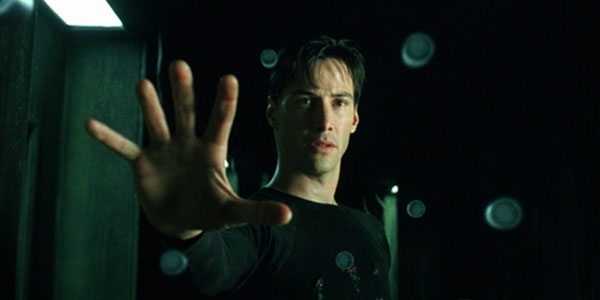
4. The Lord Of The Rings Trilogy (2001-2003)
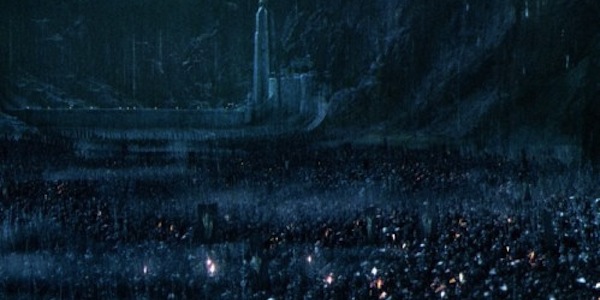
3. The Dark Knight (2008)
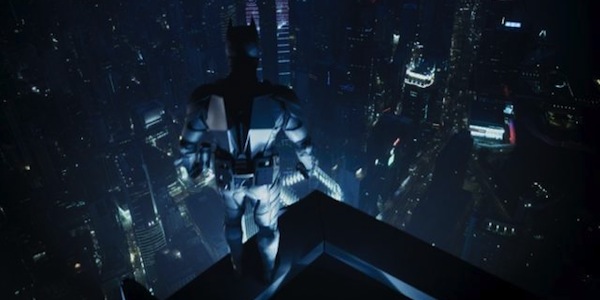
2. Avatar (2009)
Directed by: James Cameron James Cameron would be the guy to make this list twice, and it's no surprise that the special effects of Avatar rank among the post-Star Wars milestones. Using motion capture in a way it had never been used before and literally inventing new technology in order to do it, Cameron gave us a technically-live-action film that was nonetheless about 60% digital imagery. Weta Digital, the lead effects team (but certainly not the only one), employed 900 people to work on the film. Microsoft created a new cloud computing system called Gaia to allow all of these designers access to every stage of production. The planet Pandora and all of the animal inhabitants were created completely with computers, and the level of realism achieved earned the Oscar for Best Visual Effects. But the Na'vi - the indigenous humanoid species and the species simulated by the titular avatars - were created using human actors and the most sophisticated motion capture technology ever created. Gollum (another Weta creation) was cool, but the Na'vi were nearly perfect. Cameron claims that 100% of the facial expressions of the actors were captured and transferred to the onscreen performance. Influenced: The three impending Avatar sequels, Rise of the Planet of the Apes and the impending sequels, Prometheus and the impending sequel(s), and presumably even an original film at some point.1. Gravity (2013)
