10 Things You Need To Know About Michael Fassbender's Macbeth

With the new adaptation out in October, here's what we know so far

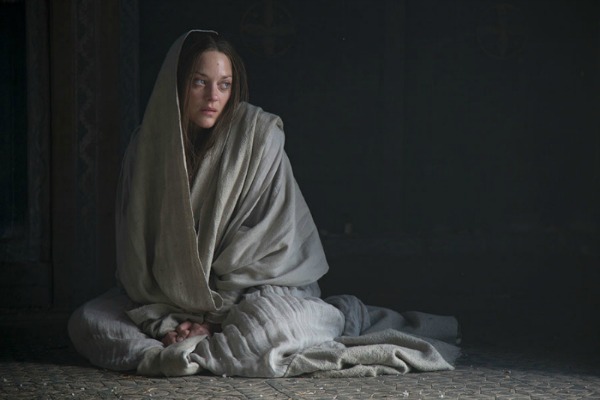
The Justin Kurzel adaptation of Macbeth, starring Michael Fassbender, has been bubbling away for a couple of years now and is inching close to its big release; the film premièred at Cannes in May and is set for an October 2 release date across the UK. Adaptations of Shakespeare's work have always been inconsistent in terms of how successfully they translate to the big screen and modern day audiences. This is perhaps unsurprising, given the antiquated language, and in some cases, themes within The Bard's work. For example, it's difficult to put together a successful retelling of The Taming Of The Shrew in a world where misogyny is no longer the default. That said, the source material will always be incredibly rich in terms of character, while pretty much all of Shakespeare's plays have something to say about the world we live in now. There will always be a dedicated audience for this kind of thing, however difficult it might be for some to grasp. Starring in the titular role, Fassbender's wide appeal looks set to give this adaptation a big box office boost. Who knows, this film might just combine profits with a version of the play worthy of the original material, and this is no mean feat in a market where short attention spans and instant gratification are king. Not convinced? Here are 10 things you need to know about the new Macbeth movie before you see it.


10. It's Apparently Bloody Brilliant

For those worried this might be a modern reinterpretation that dances on Shakespeare's grave, do not fear. The same goes for wondering if this version will be so similar to the original material, in terms of language and themes, that they would struggle to keep up. There's no need not worry. Reviews so far have been very, very good and it ranked among the best received films at the recent Cannes Film Festival (here's WhatCulture's take). There are plenty of decent film adaptations out there of Shakespeare's work, yet very few masterpieces. This film might just buck the trend if responses so far are anything to go by. The consensus seems to be that Fassbender is a natural as Macbeth, and Marion Cotillard puts in a magnificent performance as his scheming wife. The film is also said to be beautifully shot and well paced. Plenty to look forward to then.

9. It Retains The Language Of The Original (Sort Of)
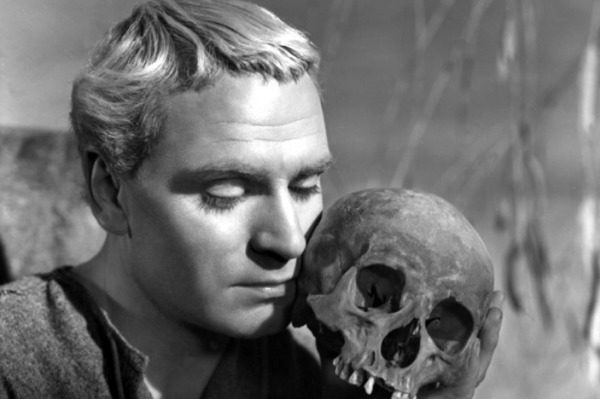
A big dilemma for filmmakers when putting Shakespeare on cinema screens is whether to keep the Early Modern English of his plays. On one hand, movies are a business and it's common sense that retaining a way of speaking not every one will be able to understand is going to put many potential viewers off. At the same time, there is an inherent beauty in Shakespeare's words that are kind of the reason they've lasted so long in the first place. The words are as important as the plot and characters, so removing them is going to be detrimental to the power of the play. Kurzel's film reaches a nice compromise. The original dialogue is retained but pared down. All but the essential lines are excised and the rest is told using image. This seems to be how any cinematic piece should work anyway - relying on the strengths of the medium rather than on the script alone. Any play can offer a faithful representation of Shakespeare's words, but the power of cinema to tell a story through pictures is unique. Dispensing with unnecessary lines while keeping to the spirit of the original seems to be the best method of retelling this famous story.

8. It's Not The First Adaptation For Film (By A Long Shot)
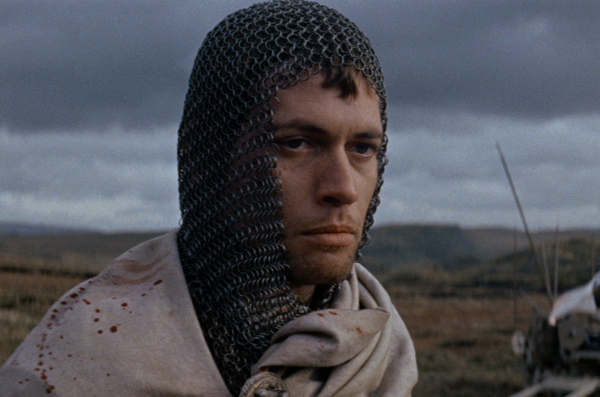
Big fans of Shakespeare or cinema are probably aware of a host of previous adaptations for the big screen, but those watching a Shakespeare adaptation for the first time might be unaware of the rich cinematic history this story in particular can lay claim to. Cinema royalty such as Orson Welles, Roman Polanski and Akira Kurosawa have each each directed the Scottish Play for movie audiences. Some memorable performances in the title role outside of these films include Sir Ian McKellan and Sir Patrick Stewart. Somehow this story in particular lends itself well to adaptation: perhaps due to the fascinating bleakness of its setting, its more supernatural elements and the battle scenes which bookend the play. With successful company such as this, this 2015 Macbeth will have its work cut out, but, judging by the trailers, it has retained all the features which have appealed to audiences down the years and arguably made them bigger and more exciting - the battle scenes in particular could rival those on Game Of Thrones for scale, blood and horror.

7. The Real Macbeth Was Actually A Pretty Decent Guy
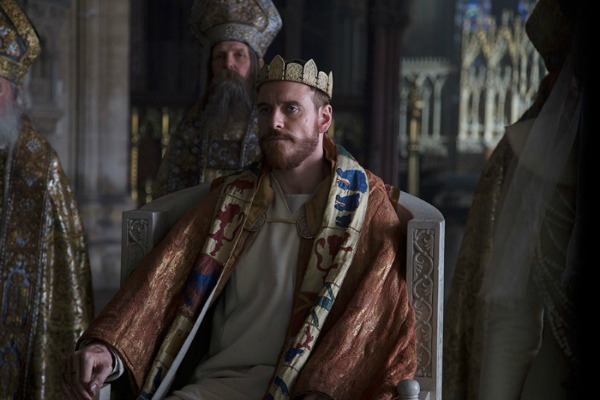
Shakespeare was notorious for lifting his plots from the literature he read at the time. Hamlet is thought to have been adapted from an unsuccessful play by another writer, while tales such as Romeo And Juliet have their roots in folk tales of courtly love. His history plays and some of his tragedies were taken from historical accounts of real life figures such as Julius Caesar, Henry V and Antony And Cleopatra, each with a little artistic license thrown in for good measure. Macbeth is no different. The tale is lifted, at times word for word, from Holinshed's Chronicles - a history of the British Isles popular at the time the play was composed. However, Holinshed's stories are famously inaccurate, so while there was a Macbeth, he wasn't quite the blood-lusting, pact-making tyrant he appears as in the play. In reality he was a mild and generous King who ruled a relatively peaceful kingdom for 17 years. He even had time to pop over to Rome on a pilgrimage for a bit, so successful was his reign.

6. Relax, Macbeth Is Shakespeare's Shortest Tragedy
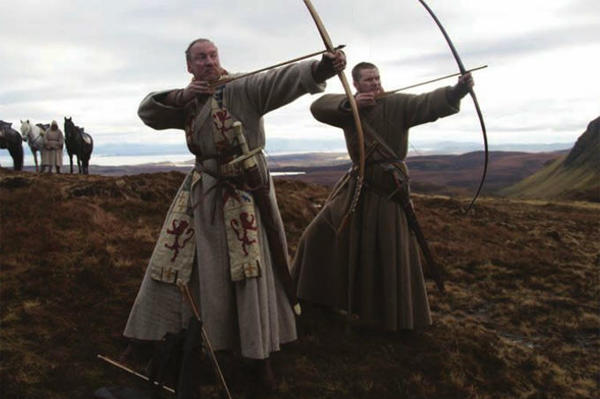
Before heading to see a Shakespeare movie, you might be forgiven for thinking you legs are going to cease up and DVT will have set in by the time it's finished. Some theatrical versions of Hamlet last nearly five hours and often film adaptations go over three - even if the film is made unintelligible by cuts. More oblique adaptations such as 10 Things I Hate About You are not beholden to Shakespeare's script, and therefore come in with less daunting run times. You needn't fear about Macbeth though. It comes in at a trim 113 minutes, which is perhaps to be expected since Macbeth is actually among Shakespeare's shortest plays - about half the length of Hamlet. At the same time, the story is faithful to the original, so proper literature fans needn't worry about too much creative license being taken.

5. The Macbeths Have Changed

In the original play of 1606 there is a famously unusual dynamic between Macbeth and his wife Lady Macbeth. Lady Macbeth effectively pushes a reticent Macbeth into murdering the King because, while he yearns for power, he is incapable of making the final, definitive step. For all Macbeth's apparent weakness, he is equally is hungry for status and power as his wife. In this version, rumours abound that the relationship between the two characters plays out a little differently. The two are said to be less hungry for power and more jealous of what they conceive to be the perfect lives of those around them. One reviewer described them as childish and unsure of what they really want. At the same time Lady Macbeth is said to have less influence on her husband in this film. Whether this will unburden her of the monstrous femininity she is often associated with or create or weaker overall character will be up to the audience to judge.

4. The Beginning Is Totally Different
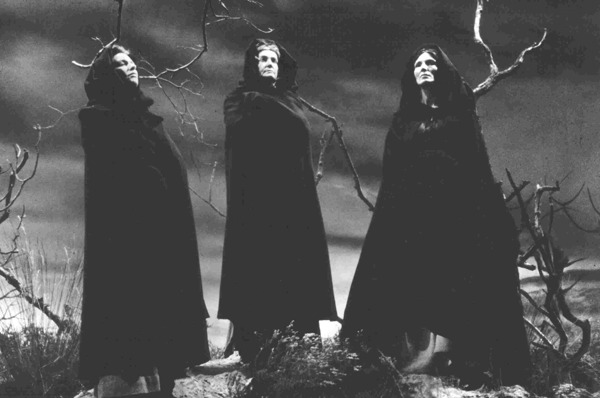
The play famously opens with the three weird sisters on a moor, chanting spells and horrible incantations, arranging their next meeting, when they will predict the rise and fall of Macbeth. In this film, things are rather different. Rather than opening with the witches - as pretty much every other Macbeth adaptation has done in the past - here we are introduced the title character immediately at the funeral of his own son. This could have all sorts of implications for the film, particularly for our reaction to the actions of Macbeth and Lady Macbeth. It is possible that the loss of his child acts as the real spur for Macbeth to kill King Donald and it would certainly fit in with suggestions the characters are more driven by anger and jealousy as opposed to a desire to rise to power. Only time will tell whether this will have a softening effect on Macbeth or indeed whether such a move is a good thing.

3. It's A Macbeth For Modern Themes

As mentioned earlier, the perceived antiquated language and themes of a work first produced 400 years ago can be off-putting to some, but it is important to note this film is laced with ideas which would have been unfamiliar to Shakespeare's audiences. One thing which keeps popping up in reviews and interviews with the main cast is the emphasis on the effects of war on the human psyche. Macbeth is not necessarily fearless in battle here or even traditionally brave. But, according to Michael Fassbender, the character has been played as if he is a returning war veteran who has witnessed innumerable horrors and fails to reintegrate into society. Post Traumatic Stress Disorder was studied heavily by the actor in order to get into the head of his character. This could prove to be a new and interesting approach considering the recent events of the wars in Iraq and Afghanistan and the numerous stories of men returning and struggling to fit back in to normal life.

2. Battle Scenes

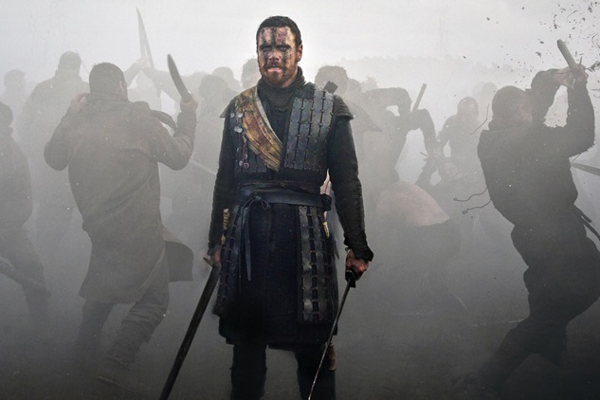
Perhaps one reason for the success of previous Macbeth adaptations is the potential for battle scenes within the story. The play is bookended with two battles. The first appears off-stage as Macbeth leads an army to put down rebels attempting to murder the King. The second is the famous battle of Dunsinane, as the forest creeps towards the castle. This is suitably cinematic material which is surely going to be better depicted on camera as opposed to on stage. Judging from the trailer, the blood and thunder of battle is going to come across really well in this film. The grime and filth is welded to Fassbender's face as he meets his King after the first fight and the scale looks just about right - not the hundreds of thousands of computer generated images you see in the Middle Earth films, but still big enough and real enough to get a gasp out of audiences.

1. Some Necessary Cuts

While previously noted that the play is one of Shakespeare's shortest efforts, and that this film version is faithful to spirit of the play, it is not without some amendments or excisions. The dialogue from the potion making scene with the witches, when they utter the famous lines "hubble bubble toil and trouble" are removed completely by the writers here. This is presumably because the line is so recognisable and can appear silly in most cases. It could also point to a desire to tell the story with pictures as much as possible, rather than through language alone - strange as that may seem for a film based on a Shakespeare play. Another notable omission is that of Donalbain. In the play, Donalbain is the son of Donald who flees to Ireland after the death of his father. He does not return. In the Polanski version, Donald does return at the end of the play and is actually given the final scene, as he meets the witches and is presumably told he will ascend to the thrown ofter the death of Malcolm - as he did in real life. The director has chosen to remove Donalbain from the story completely here though, presumably because he would have offered little to the story. It's clear then that while the film sticks to the spirit of the original, what works best on film comes first at all time. Unnecessary lines and characters are removed and the director and actors have chosen to use the original as a guide rather than become slaves to it. Are you excited for Macbeth? Share any thoughts on the film down in the comments.

Contributor

Adam Thompson hasn't written a bio just yet, but if they had... it would appear here.