10 Ways Darren Aronofsky Basically Remade The Wrestler In Black Swan

Are The Wrestler and Black Swan really just one and the same?

The Wrestler Black Swan Comedy favourite, Anchorman, opened with the following quote:
"The following is based on actual events. Only the names, locations, and events have been changed."
It seems strange to start an article on a revered director like Darren Aronofsky in such a way, but it is justified. Some say he is an auteur; meaning his films have a rich vein of stylistic and thematic similarities. Yet if we look at his oeuvre, in particular his last two pictures Black Swan and The Wrestler, they bare a striking number of "coincidental" parallels. We can draw comparisons between the protagonists; themes; camera style; and encompassing story arcs of the two films. While both were critical and financial successes, the similarities cannot go unnoticed, regardless of perceived quality. With films under his belt like Requiem for a Dream and The Fountain, Aronofsky has been coupled with originality and defined himself as a true master of his craft - but is he slipping into a pattern of laziness with his recent run of form? In anticipation for the release of his latest movie, the biblical epic Noah, we propose the following question to you: is Aronofsky an auteur? Or is he a cut-and-paste conman, rehashing his previous body of work? As always, leave your thoughts and opinions below...

10. Character Study
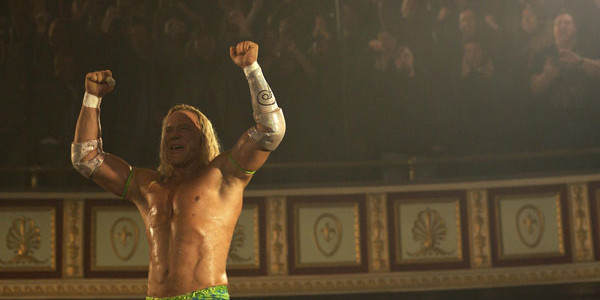
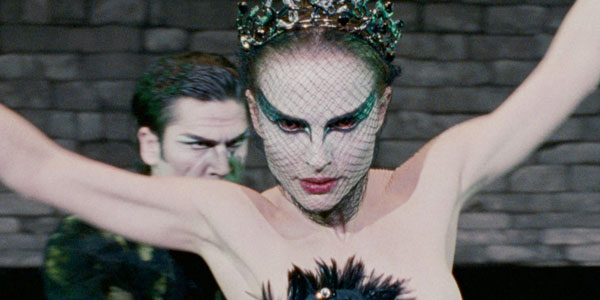
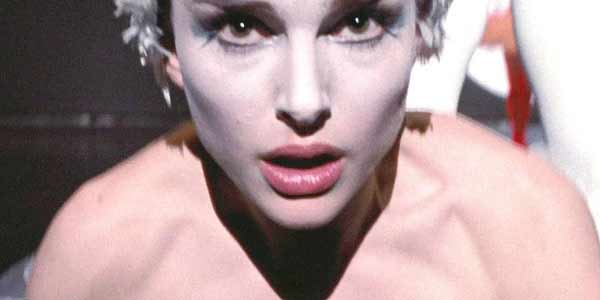
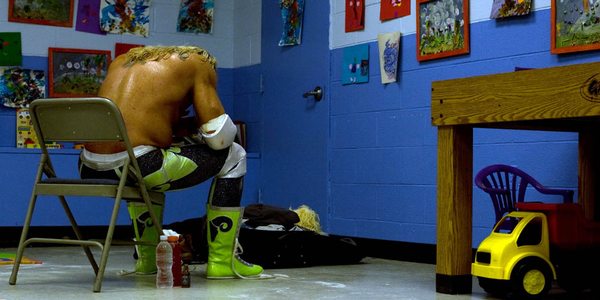
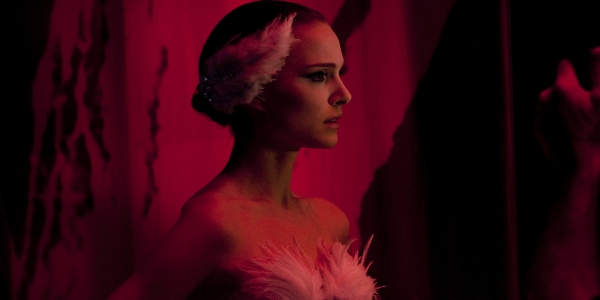
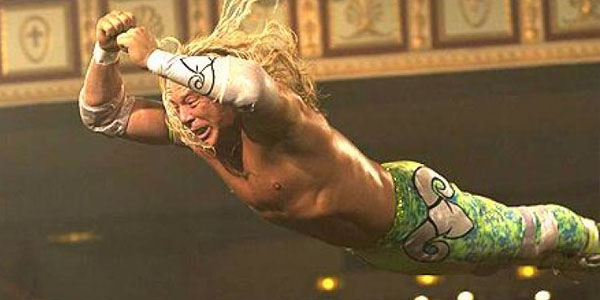
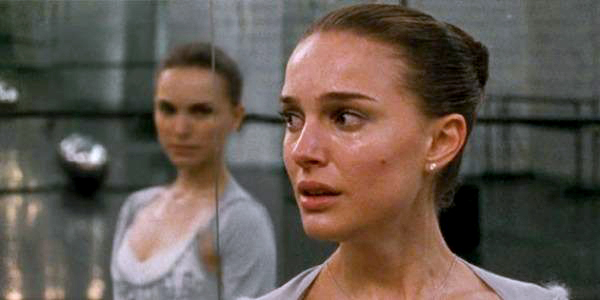
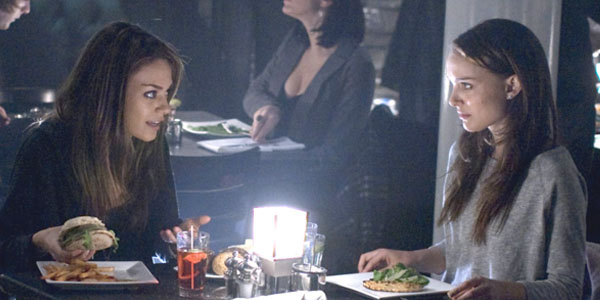
A character study is defined as "a work of fiction in which the delineation of the central character's personality is more important than the plot." They are often low-key, sombre affairs, intimate and brooding. They also demand centred performances from the lead and supporting cast; rooting the picture with realism and humanity. Mickey Rourke and Natalie Portman both delivered in this regard, earning BAFTA victories and Oscar nominations (the latter won the award as well). In The Wrestler, Rourke (in what can be described as a career-defining performance) is Randy "the Ram" Robinson, a pro-wrestler struggling to come to grips with the realisation he can no longer do what he does best. The veteran actor is both electrifying and gracious in his role and only missed out on the Academy Award because Sean Penn turned up with a knockout turn as Harvey Milk. Black Swan analyses its protagonist in a different light. Portman plays Nina, a ballerina in a New York ballet company, who is cast as the Swan Queen in artistic director Thomas' (Vincent Cassel) new take on the old classic, Swan Lake. Aronofsky explores her devolution into madness, struggling with the spite from retiring dancer, Beth (Winona Ryder), and the presence of newcomer, Lily (Mila Kunis), as she desperately seeks to perfect the combined role of the White and Black Swan. In both films we experience obsession, compulsion and internal struggle through the eyes of the protagonists, as they placed amidst a series of events that seek to test and mould their personality before the culmination of the movie.

9. Performance As A Theme

One of the major themes Aronofsky projects is the life of the performing artist. In The Wrestler and Black Swan, we have two different professions. His exploration is similar in each as he takes us behind-the-scenes; in the dressing rooms; on to the stage itself; and into the personal lives (or lack of) of each character. In fact, Nina and Randy's personal lives may only serve to show us their dedication and passion for the art. Nina lives in a somewhat cramped apartment with her smothering mother (Barbara Hershey) and Randy spends his time in the squalor of a trailer park. When the audience finds themselves in such locations, we feel just as enclosed and restricted as the central characters - and when we're with them at work, in the ring and on the stage, we get a sense of freedom (more so in Randy's case it has to be said). This is achieved mostly with the camera work and cinematography - but it also shows the importance of the role performance plays in the lives of the protagonists.

8. Camera Style/Cinematography

New York cinematographer, Matthew Libatique, had worked with Aronofsky on every project up until (and every project since) The Wrestler. But he found himself tied up at the time of shooting and was already committed to films like The Number 23 and Iron Man. French filmmaker Maryse Alberti was brought on-board, and while she does an excellent job, the film seems a little shaky in places, especially during Randy's three bouts. Already touched upon, the cinematography of The Wrestler and Black Swan are almost carbon-copies. From tracking shots behind Nina and Randy (of which there are plenty), to extreme close-ups and hand-held camera work, Aronofsky has tried his best to duplicate the feel and mise-en-scene from one film to the next. He is unafraid to take the camera into the nitty gritty of the life of a performance artist. During the wrestling matches and Black Swan's bookend performances, he takes the camera, quite literally, centre stage, capturing the essence of what it is like to be the artist in front of the audience. In close-ups, he focuses on Randy and Nina's preparations - from taping up their joints and scratching grip into the bottom of pointe shoes; to a shot of a steroid injection straight into Mickey Rourke's ass. To Aronofsky's benefit, this analysis may prove his status as an auteur; he has a preferred style of filmmaking and seeks the tools to implement his vision, even when the preferred choice is unavailable.

7. Injury Through Performance

High-intensity performers such as wrestlers and dancers see their fair share of injuries in their profession, and there are plenty of cringe, hide-behind-your-hand moments here. Both pictures exhibit the highs and lows performance artists experience; the lows being the physical toll it takes on the human body. The Wrestler is unflinching, not shying away from the carnage of hardcore matches that the legendary Rob Van Dam and Mick Foley would be proud of. At one point, an opponent asks Randy if he's okay with staples, when he should have been asking if we were okay with staples - not only do we see the bloody turn of events inside the ring, but also the aftermath, with Randy spending time with paramedics to remove the stationary from his chest and arms, while the other has a dollar-bill planted to his forehead. In Black Swan, Nina also spends time on the emergency table, with diaphragm irregularities and recurring foot troubles - it comes in the job description, but it did not stop the audience gasping in horror at the sight of a split toenail.

6. Self-Mutilation

Where to start with this one? In two films based around high-risk performance, it is bizarre that self-inflicted injury, rather than accidental, would be more prevalent. In The Wrestler, Randy willingly puts his body on the line for his job; his passion. This eagerness to step in the ring night after night, in its very essence, is a form of self-mutilation. Although he allows others to beat him to a pulp (yes, it is staged), Randy is still the one to open the wound on his head with a concealed razor to let the blood flow. He bares his scars with pride prompting the timely response 'who says wrestling is fake?' from his stripper friend, Cassidy (Marisa Tomei). However, Aronofsky escalates the theme his next time round with Black Swan. We swing from Nina's hallucinatory fingernail trauma, to Beth throwing herself under a car and stabbing herself repeatedly in the face with a pair of scissors. An almost inevitable theme is bulimia, both implicit (Nina refuses to eat a big slice of cake) and explicit (she makes herself sick in the studio toilet). There is even room for the director to hint at some self-scratching. Who knew the life of a ballerina was so painful?

5. Fade To White Ending

Wait! Hold it! There are spoilers from now on... obviously. What is it with filmmakers and this ending? Did they not learn from the backlash The Sopranos got? Don't get me wrong, I welcome interpretation in a film. I loved the ending of Prisoners and at first, I loved the ending of The Wrestler. Actually, scratch that, I still love the ending of The Wrestler. When Randy walks out into the ring to the roar of the crowd, the advice to quit wrestling fresh in his ears and Cassidy watching helplessly from backstage, we know his venture to the top turn-buckle will result in one thing, and that is his death. As he gears up his signature move, the Ram Jam, he soars over our heads and the screen fades to white; the crowd going crazy for their idol. Aronofsky extends the ambiguity to Black Swan's finale, but this works to the film's detriment. While he sticks to his guns, he gives nothing away. Throughout, we question what is real and what is imaginary as the line between the two is blurred. Once it is revealed that Nina killing Lily did not take place, and it was in fact Nina stabbing herself in the stomach, she continues her performance. She falls from her podium atop the stage to rapturous applause. She lies on the mattress, tears in her eyes, as Thomas and others gather round and call for medical aid. Fade to white. Is she dead? Does she survive it? We just don't know. There is nothing to suggest either outcome and some viewers may thrive on such an ending. However, the only thing we have to go on is a retrospective look at The Wrestler and our assumption there. If you thought Randy died at the end of that film, you probably thought the same happened to Nina. While other points in this article may prove Aronofsky to be an auteur, this one point alone (even if it is just this one) betrays his filmmaking and suggests an almost identical repeated conclusion.

4. Obsession & Compulsion

Perhaps an obvious one, but it still deserves a section to itself. Just as obsession played a part in Aronofsky's first feature film, Pi, it has continued to do so through his entire body of work. In a nutshell, Randy and Nina are addicted to their profession and their craft. When Randy is away from the ring, it is all he thinks about. While he pays for a lap dance from Cassidy, he reminisces about his moment of glory against old foe, The Ayatollah. He plays Nintendo with the kid down the street (or from the other side of the trailer park), playing as himself on a dated pro-wrestling game; and when he slices his finger at the deli, he realises that he can't live without his wrestling, and returns to the ring for his swan-song. Nina finds herself in a similar situation - quite literally eating, sleeping and breathing ballet. She controls her diet rigorously and spends hours upon hours practising and stretching in front of the mirror; so much that it results in injury. Libatique's long shots when she sits alone in the deserted studio reveal a deep-rooted compulsion to succeed, superseding that of her peers (though it also manifests itself in Beth, leading to her hospitalisation and breakdown).

3. Drug Use/Abuse

Requiem for a Dream may be the definitive film about drug addiction. And while there is nothing as extreme as an amputated Jared Leto or another "ass-to-ass," Aronofsky delves into the subject matter once again with The Wrestler and Black Swan. Nina's only real experience with drugs is when Lily spikes her drink at the bar. Cue crazy-editing and viewing not suitable for people with photosensitive epilepsy. She regains her composure to find herself in the filth of the club bathroom with a shaven-headed stranger before stumbling out into the night. Randy's experience is much more prevalent. While the previous scene could have been lifted straight from a reel of Requiem for a Dream, The Wrestler tackles the topic with a grounded hand. We are guided through his and others' use of steroids; an addiction to prescription pills (Randy deals them to a bouncer at one point); and cocaine manages to rear its ugly head when he is at his lowest (which again sees the protagonist sexually entangled in a dirty bathroom).

2. Difficult Sexual/Love Relationships
Love is complicated and sex complicates things even more. Aronofsky understands this and it is a mantra that exists within the framework of Black Swan and The Wrestler. When we look at Randy, we don't see a man lucky in love. He partakes in casual sex with a fan in a bathroom, but this is when he has nothing else going for him. The only woman he ever comes close to is Cassidy, and in the end, she does want to be a part of his life. It has to be noted it was she that he confided in about his heart troubles, after all. However, it seems to most that Randy's real love was always wrestling. While he may have harboured feelings for Cassidy, he ultimately leaves her side and walks to his death in the ring - the one place that gave his life true meaning. Black Swan's sexual and romantic relationships are perhaps more obscure. One reading would be that Nina's relationship with Thomas represents a sexual liberation. He pushes her deeper and deeper into herself; cruelly seducing her to summon the Black Swan from within for his production. As a relatively innocent young woman, she falls for his seductions and spirals down a web of carnal desire. It is here the imaginary relationship with Lily is brewed. From the beginning, Lily is the Black Swan incarnate (tattooed wings and all), and Nina's desire to be with Lily in a romantic sense shows a sexual awakening brought on by Thomas, as well as her desire to encompass the dark persona her role requires in order to be perfect.

1. Fractured Families

Did somebody say daddy issues? With both films, Aronofsky constructs very delicate parent-child relationships - something akin to a house of cards that could tip at any moment. Nina's mother is overbearing and possessive, reluctant to let her leave the house; an eye firmly placed on her daughter's career. It is a career she was unable to have due to pregnancy, and this could explain her pushy behaviour. But nobody looks fondly on those mothers from Toddlers in Tiaras do they? Her invasiveness creates a boundary between the two, and while she desperately tries to cling to her child, she only succeeds in pushing her away. For Randy, he pushed his daughter away years ago. Instead, his story sees him try to get back in touch with Stephanie (Evan Rachel Wood) after his heart attack. She reluctantly accepts, but Randy blotches his last attempt at reconciliation when he misses dinner with her. This relationship is not one of an overprotective parent, but one that was never there and Aronofsky examines the fallout of such a situation; particularly evident in Randy's obliviousness to Stephanie's implied lesbian relationship. What do you think? Is Aronofsky an auteur with a very distinct - albeit obvious - style? Can Black Swan and The Wrestler be seen as a double-feature, intended to go hand-in-hand with one another? Or has he cheated the system and served us a second helping of the same meal? Let me know your thoughts down below.

Contributor
Contributor

I love all things imaginative, from the page to the screen, and nurture a soft spot for Donald Sutherland and Daniel Bryan.