10 Ways To Ensure The Amazing Spider-Man 3 Is An Absolute Triumph

Can the inevitable third chapter raise the bar for this ailing franchise?
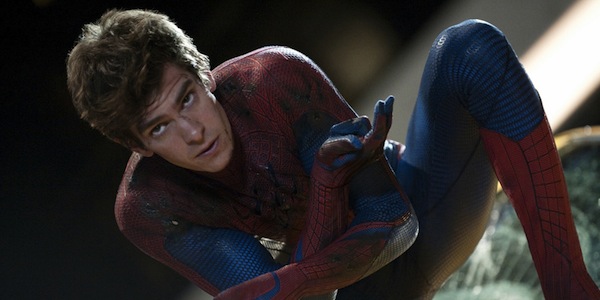
After its first month in theaters, Hollywood prognosticators have projected that Sony's The Amazing Spider-Man 2 will earn about $700 million at the box office, making it the lowest grossing Spider-Man film of all time. These disappointing numbers have caused some industry insiders to label Marc Webb's franchise a "bust." What makes The Amazing Spider-Man 2€™s predicament all the more unfortunate is that most critics and fans believe the film is a vast upgrade over its 2012 predecessor. The Amazing Spider-Man 2 features better fight scenes, and even more electric chemistry between Andrew Garfield€™s Peter Parker and Emma Stone€™s Gwen Stacy. The film also has a greater sense of who Spider-Man is as a character than any of its predecessors €“ including the Sam Raimi trilogy. But let€™s not ignore The Amazing Spider-Man 2€™s many flaws - it is a movie that has great €œmoments," but lacks the overall cohesiveness and consistency in tone needed for it to be considered a truly €œgreat€ movie. Now, Sony is at a crossroads. The studio plans to push onward with its franchise; The Amazing Spider-Man 3 is slated to be released in 2016, and two spin-off movies featuring the Sinister Six and Venom are reportedly in the works. If Sony wants to be sure that The Amazing Spider-Man 3 is a triumph, the best place to start is to look critically at its two predecessors. There is plenty of gold to be mined from these two movies, not to mention a couple of things from the Raimi trilogy that are worth borrowing. If Sony can hit on the right combination, the franchise will be back on the right track and should once again break records at the box office... As expected, this article contains spoilers....

10. Enough With Peter€™s Parents

Marc Webb€™s The Amazing Spider-Man franchise has distinguished itself from the Sam Raimi trilogy by placing an inordinate amount of focus on the origins of Peter€™s parents. This is a storyline that was never a big part of either the mainstream Marvel Universe or the alternative Ultimate series, so the inspiration for this creative direction is quite mysterious. In fact, many Spider-Man fans openly detest the comic book storyline that establishes Peter€™s parents as spies. Spider-Man is supposed to be the everyman hero €“ just a regular teenager who, through happenstance, acquires super powers. Giving him pseudo superhero parents robs Peter of what makes him special. In addition to making Peter's parents corporate spies, Marc Webb's films put forward the idea that only Parker DNA could be used with Oscorp€™s genetically enhanced spiders. That makes Peter€™s turn as Spider-Man seem pre-destined, rather than miraculous. Still, all of these issues would be forgiven if the Parker family mystery was remotely engaging and didn't grind the momentum of the films to a halt. After two movies, the storyline is a flop and should not be a part of The Amazing Spider-Man 3.

9. Find An Amazing Mary Jane Watson

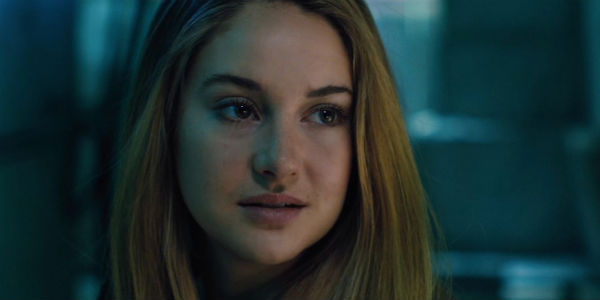
Emma Stone€™s portrayal of Gwen Stacy in both The Amazing Spider-Man films was as good as any performance in a comic book movie over the past decade. She made a character that was rather dull in the comics ooze charisma and magnetism. While the character€™s death seemed inevitable headed into this movie - €œThe Death of Gwen Stacy€ is one of the most famous comic book stories of all time - Stone was so great there had to be some temptation from Sony to keep Gwen around for at least one more film. But what€™s done is done, and The Amazing Spider-Man 3 is going to have find a way to fill the void left by Gwen€™s death. The most logical way is by setting Peter up with an even better romantic partner. In the comics, the big personality of Mary Jane Watson helped Peter emotionally overcome Gwen€™s death. Can she do the same for moviegoers? Shailene Woodley was originally cast as MJ before her scenes were cut last year. With Woodley recently starring in the commercially successful Divergent, she may not even be available for The Amazing Spider-Man 3. Also, there have been some concerns about Woodley€™s ability to pull off the fiery redhead. Director Marc Webb has to be sure whoever they cast as MJ is a winner. If Peter€™s new love interest is so ordinary that everyone is just left pining for Stone, The Amazing Spider-Man franchise could be doomed.

8. Trust The Source Material

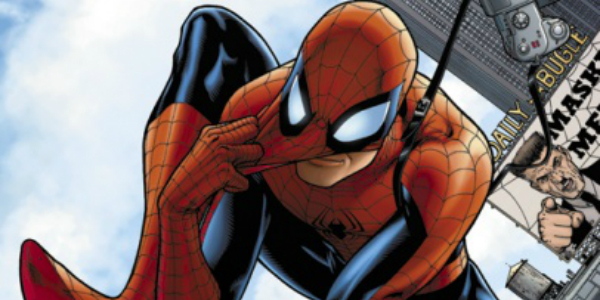
As a general rule, comic book movies tend to take great liberties when it comes to adapting or quoting the source material, i.e. the comic books. But The Amazing Spider-Man franchise seems to have an unhealthy aversion to drawing on the comics for inspiration. That would be okay if Marc Webb and co. had managed to create their own unique story that engages movie-goers the same way the comics have grabbed readers for more than 50 years, but that has not been the case. In these two films, iconic comic book moments, like Uncle Ben€™s death and its impact on Peter€™s decision to be Spider-Man, are glossed over in favor of spending an inordinate amount of time on the backstory of Peter€™s parents. And rather than give Spider-Man fans the original (and best) Green Goblin from the comics with Norman Osborn, The Amazing Spider-Man 2 opts to make Norman€™s son, Harry, the character. The Amazing Spider-Man 3 obviously can't be a line-for-line adaptation of a comic book story, but many Spidey comics are considered classics for a reason. Webb needs to trust the quality of the source material and throw fans of the medium a few more bones.

7. Be Clearer About Spider-Man€™s Motivations

After two The Amazing Spider-Man films, there is still some lingering uncertainty as to why exactly Peter Parker is using his powers to be a superhero. In the comics, Peter learns the lesson, "with great power there must also come great responsibility," after he refuses to stop a burglar, who in turn, murders his Uncle Ben. From that point on, Peter realizes being Spider-Man isn't just something to do because of his powers; it is his obligation. Spidey spends some time in the first The Amazing Spider-Man trying to find Uncle Ben€™s killer, but the sequel abandons this storyline entirely. The film barely references Ben nor €œpower/responsibility," and it€™s not like the police or the media treat Spider-Man as a hero in The Amazing Spider-Man 2 either. So why is Peter Spider-Man? Perhaps Gwen€™s death at the end of the sequel, will provide Peter with the incentive to carry on as Spider-Man as the franchise marches on. Director Marc Webb just has to make sure that Peter's motivations are crystal clear, or future films will lack the emotional resonance of the comics.

6. Be Confident In Your Film; Build The Franchise Organically
After announcing that in addition to sequels, The Amazing Spider-Man franchise would be expanding to include Sinister Six and Venom spinoff films, it felt like Sony was playing a bit of €œcatch up€ in terms of growing its universe. As a result, at points in The Amazing Spider-Man 2, there seemed to be more focus on teasing future films, rather than creating a tight and concise self-contained cinematic experience. Even the tagline for The Amazing Spider-Man 2 - €œSpider-Man€™s greatest battle begins!€ - is predicated on this idea that the film is just a starting point for other projects in the future. There€™s nothing wrong with planning out a number of sequels and spin-off movies, but moviegoers are going to view the constant references to future characters and storylines and as white noise unless they are given a reason to honestly care about what€™s coming down the pipeline. Outside of being Harry Osborn€™s assistant, what did The Amazing Spider-Man 2 say about Felicia Hardy that makes her special? Beyond being a jerk to Max Dillon, why should anyone remember the name €œAlistair Smythe" after his cameo in the sequel? At this point, The Amazing Spider-Man 3 would be better served expanding on what has already been introduced, rather than being undisciplined by throwing even more characters and storylines out there without any direction or context.The franchise will be better served being built organically.

5. Be Consistent With The Tone

The Amazing Spider-Man 2€™s tone shifts so frequently, it€™s often difficult to figure out exactly what Marc Webb was going for in his final cut. There are elements of campy comedy, superhero action, spy thriller and teen romance. There€™s probably a really great Spider-Man film that can be made using only one or two of these elements, but in concert, the end product is a bit of a muddied mess. For example, the film€™s very dramatic opening sequence, featuring the death of Peter€™s parents in an airplane crash, is then followed up with a comical battle between Spider-Man and Aleksei Sytsevich. Later, during a very brutal battle sequence between Spider-Man and Electro, the €œItsy Bitsy Spider€ is played on pylons (and Spidey reacts by saying how much he hates the song). And everything involving the over-the-top camp of Dr. Kafka - who tortures Electro while speaking with a ridiculous German accent - feels like it took place in an entirely different motion picture. Webb needs to pick a tone in The Amazing Spider-Man 3 and stick with it. If Webb wants Spider-Man as part of a jaunty comedic romp, do it. If he wants it to be a soapy romance, that€™s fine too. If he wants big, end of the world battle sequences direct from a Zack Snyder movie, go for it. But don€™t try and mix and match all of these things haphazardly with little set-up for each shift.

4. Develop A More Rounded Supporting Cast
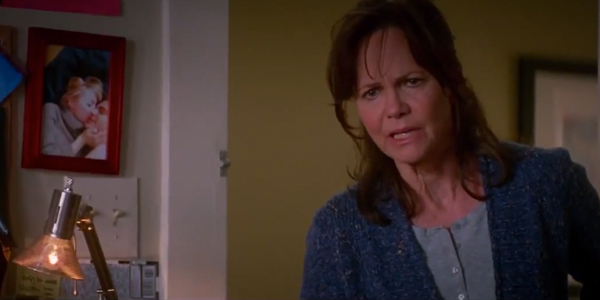
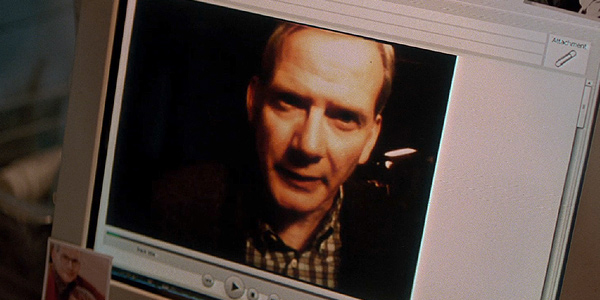
Spider-Man is notable for having one of the richest supporting casts in comics and yet The Amazing Spider-Man film franchise has failed to properly develop any of these wonderful and iconic characters beyond Gwen Stacy. The Amazing Spider-Man 2 features a few expertly acted scenes between Andrew Garfield€™s Peter and Sally Field€™s Aunt May, but for a film that is nearly two and a half hours long, there should be more interaction between these two characters, especially since the actors clearly have dramatic chemistry with each other. As for other members of Spidey€™s supporting cast, Daily Bugle editor/publisher J. Jonah Jameson, notably absent from the first The Amazing Spider-Man, gets one line via e-mail in the sequel. Why Marc Webb seems reluctant to feature one of the greatest characters in comic book history is anyone€™s guess, especially since Jolly Jonah was such a hit in the Sam Raimi trilogy. Some of the more successful comic book movies have featured a very diverse and dynamic cast. The potential is there for Spider-Man, but the powers that be have to realize there€™s more to Spidey€™s friends and foes than just Gwen.

3. Pick A Villain (Just One Or Two, Please)

There was some anxiety from fans from the get-go that The Amazing Spider-Man 2 would be too overcrowded with villains. Director Marc Webb assured those critics that Electro was the film€™s main €œA€ villain, but based on the final cut, that point is debatable. Rhino as a short bookend to the film was used perfectly, but Webb probably should have picked between Electro or Green Goblin rather than dilute the impact of both characters by giving each of the villains significant screen time. This is most evident during the film€™s final sequence, when Spider-Man and Gwen Stacy work together to overcome Electro in a very dramatic battle, only to have the Green Goblin show up and shockingly kill Gwen in a scene that almost feels tacked on in the way that it just happens so suddenly and without a proper build. Sam Raimi got it right in his first two Spider-Man films by featuring one big bad in each. Raimi€™s Green Goblin and Doctor Octopus were both more credible villains because they were made to be the viewer€™s primary focus. There were high stakes and suspense in those villain battles because there wasn€™t another bad guy ready to tag in once the first guy was defeated.

2. Emphasize The Friendly Neighborhood Spider-Man

One thing The Amazing Spider-Man 2 does better than any of its predecessors is it truly captures the €œfriendly neighborhood€ aspect of Spider-Man. The film is chock full of moments of Spidey assisting everyday New Yorkers, whether it€™s pulling the meek Max Dillon out of harm€™s way, or saving a young science prodigy from a gang of bullies (and then helping out that youngster again against the Rhino at the end of the film). The Amazing Spider-Man 2 also features a wonderful sequence where Spidey tries to reason with Electro before resorting to fisticuffs. Upon seeing the villain for the first time, Spider-Man is insightful enough to realize that at his core, Max is a not a bad guy, just somebody who has been abused and is now trapped in an unfortunate situation. These scenes really zero in what makes Spider-Man such a special and unique superhero for more than 50 years. His relatability and everyman status makes him an easy character for people to connect to. Many fans cited these sequences as their favorite part of the film, and Sony would be wise to include more of them in The Amazing Spider-Man 3.

1. Eliminate Unnecessary Subplots

The Amazing Spider-Man 2 suffers from having too many subplots that pull the viewer€™s focus in multiple directions. Among the film€™s four main storylines of Electro, Harry Osborn/Green Goblin, Peter and Gwen€™s turbulent romance, and the mystery of Peter€™s parents, there are myriad other smaller subplots that involve situations that are never fully explored (Aunt May becoming a nurse or Peter snapping photos at the Daily Bugle) and, as a result, feel unnecessary and superfluous. The film's scattershot narrative cheapens some of the film€™s genuinely good moments by jumping from scene to scene and in some instances, not giving viewers enough story to care about or latch on to (like a potential plane crash during a citywide power outage). It also makes the film feel like a very long 142 minutes, despite the fact that most comic book movies these days last more than two hours (which is another problem altogether). While the first two Sam Raimi Spider-Man movies have their flaws in terms of characterization and actor performances, many consider them to be better than either of Marc Webb€™s films because they present a more concise, linear superhero story. If The Amazing Spider-Man 3 could streamline its focus and combines the superior narrative structure of Raimi€™s first two films with its own top-notch cast and expert sense of characterization, the end result would likely be the greatest Spider-Man film ever. What do you make of this list, then? Let us know in the comments section below.

Contributor
Contributor

Mark is a professional writer living in Brooklyn and is the founder of the Chasing Amazing Blog, which documents his quest to collect every issue of Amazing Spider-Man, and the Superior Spider-Talk podcast. He also pens the "Gimmick or Good?" column at Comics Should Be Good blog.