14 Star Wars Moments George Lucas Wanted You To Forget

These aren't quite the films you were looking for...
When George Lucas signed over his control of Star Wars to Disney in a deal that made an already impossibly rich man even more wealthy, he handed over the reigns like a proud, caring owner passing a beloved collectible on to the next phase of its existence. His statement, which spoke of future possibilities and major potential read like the final triumph of an all-conquering, out-going emperor, infallible, accomplished and ceremonially still the most important person to the empire. Naturally Disney chose not to mention the problems of the past; the wayward decisions, the occasionally despicable merchandising deals or the diminishing returns of everything Lucas had turned his hand to, preferring instead to focus on the strength at the core of the source. And that is precisely the deception that George Lucas has hoped would stick throughout the final years of his control of the property. Frankly Star Wars is far from an unblemished stone, but Lucas was occasionally guilty of the kind of head burying and back-track editing that would undermine the sanctity of his title as the creator of Star Wars, and there is a lot that he probably wants every fan to forget completely. What follows is an account of the mistakes that Lucas made: some he "fixed" himself (whether fans perceived them to have been mistakes or not) and others he simply stubbornly stayed committed to, denying that any issues even existed.

14. That Yoda Was A Puppet

With his characteristic lack of self-awareness, and an almost conscious choice to completely ignore how the fans feel, George Lucas believes that the CGI version of Yoda is superior over the puppet Yoda who appeared in the original trilogy. Apparently, it was only technology, and later a lack of time that lead to the puppet solution being used:
€œWe tried to do Yoda in CGI in Episode I, but we just couldn€™t get it done in time. We couldn€™t get the technology to work, so we had to use the puppet, but the puppet really wasn€™t as good as the CGI. So when we did the re-issue, we had to put the CGI back in, which was what it was meant to be.€
The simple fact is that the CGI version of Yoda is not better than the puppet - yes, the technology allowed for greater character agility, but there was too much of a trade off in the character's personality, and perhaps even his magic that came with the original version of the character. Thank God Lucas no longer has his hands on the films, because it was surely only a matter of time before Yoda was post-fixed into the CGI version of the prequels in the original series.

13. The Extra Stormtroopers On The Death Star
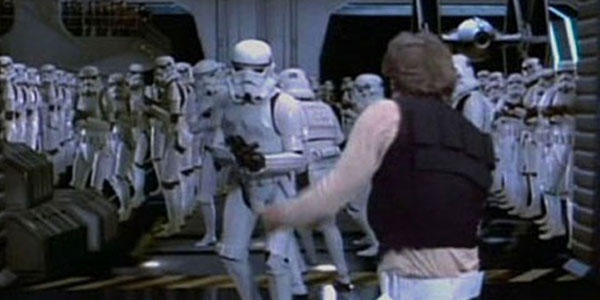
Lucas has always been very open about the fact that technology has often got in the way of his vision, and that became abundantly clear when the release of the Special Editions thanks to his over-zealous and gleeful "fixing" that included a lot of frankly unnecessary CGI, and a characteristic lack of restraint that suggested that the original trilogy might not have been impressive if Lucas had been given complete creative freedom. With his new-found CGI capabilities, Lucas went a little wild. Some of his additions - like Jabba The Hutt, could be said to be improvements (even if the unnecessary fan-baiting appearance for Boba Fett was cynical) and the atmospheric improvements were largely good - but he simply couldn't stop there. In his attempt to add more drama to the scene where Han runs into a dead end with a handful of stormtroopers, he clearly decided that numbers meant greater impact, and the result was a numb-headed shot of hundreds of stormtroopers just standing about idly. That shot is an indication that Lucas is not a good director: he might be imaginative, but it is silly little mistakes like this that disprove his credentials in a fundamental way.

12. Star Wars: The Phantom Edit

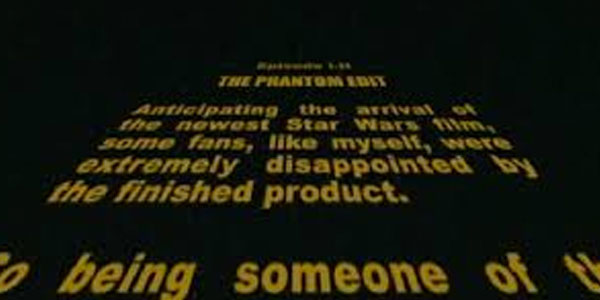
Why would George Lucas want us all to forget that the Phantom Edit - an alternate cut of his film made by someone else entirely - exists? Well, frankly, because it dramatically improved on his own movie. No matter how many times Lucas claimed he wanted to see the recut, which trimmed out 18 minutes of superfluous fat, or how LucasFilm as a company seemed to tacitly approve of its existence, the Phantom Edit represents something that Lucas was never able to achieve - a near universally acclaimed edit that actually improved the original. For every edit Lucas was criticsed for - much to his near comedic outrage - the Phantom Edit offered a bitter tasting precedent that it wasn't just the fans complaining about obligatory changes that was the root of criticisms of his own edits, it was rather the shoddiness of his post-release reworking.

11. The Poor Guy Who Played Anakin First
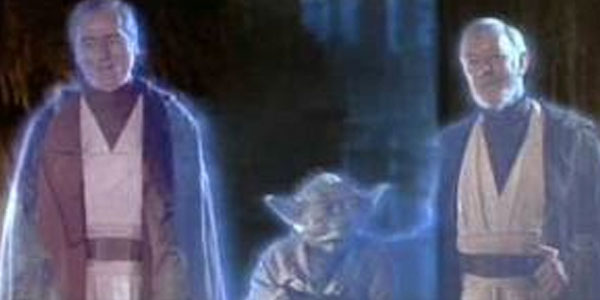
For Star Wars fans, Sebastian Shaw's involvement in Star Wars is a case of extremes. He has a very limited amount of screen time, but the performance was immediately iconic enough to make it the defining performance of his entire, long career. Regardless of how well the fans responded to him, or how enduring the image of the fragile, unmasked Darth Vader is, George Lucas chose to dilute his impact to "tie the two trilogies together." So instead of Shaw appearing as a force ghost at the end of the original trilogy, his slot went to inferior, unwelcome pretender Hayden Christensen, whose blue eyes also took the place of Shaw's in the infamous death scene. Quite what purpose the replacement actually served remains to be seen: there can surely be no fan who only realised that the two characters were the same when Christensen's character appeared as a ghost, and it's hard not to feel like Lucas made the change in order to defy fan sentiments that Christensen perhaps wasn't the best choice for Anakin.

10. The Emperor Originally Had A Rude Name (And Monkey Eyes)
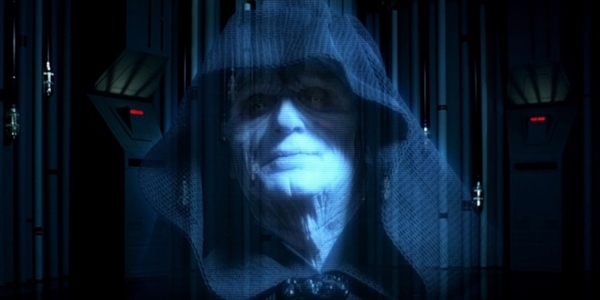
As well as giving Darth Vader some new features - including the much mentioned "NOOOOO!" and a slightly confusing change of dialogue that implied that Vader was plotting against his master long before he toppled him into the abyss - Lucas also "fixed" the Emperor in the Special Editions. Instead of the projection of the Emperor that first announced the character - in suitably creepy fashion - as played by a heavily made up Elaine Baker (in an uncredited role) and voiced by Clive Revill, we got the post-release addition of Ian McDiarmid. That decision robbed the film of some of its magic once more, taking away a clever special effect, which augmented Baker's face with chimpanzee eyes, and though McDiarmid tied into the trilogy more, it is a shame that that inventive effect was ultimately scrapped. And of course, Lucas probably also wants everyone to forget that he originally wrote the Emperor's name as Cos Dashit, which sounds ironically like the reason fans subsequently didn't like the Prequel trilogy...

9. That He Stomped On Leigh Brackett's Legacy
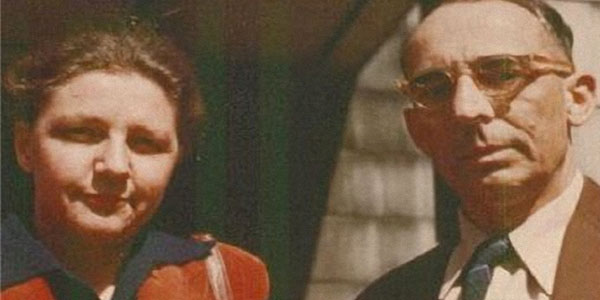
In the grand scheme of things, the edits that Lucas made that improved the effects of the films, or lead to tighter narrative could be just about forgivable, given that their justification has always been that the edits reflect exactly what Lucas would have created if the technology existed, but some edits were far less forgivable. For very little reason, Lucas chose to supplement the replacement of Baker with McDiarmid with a change of dialogue, despite how perfectly well the original script worked, even with the change of cast. It is hard not to feel like Lucas' change was a conscious stamp of his own authority; an empty blustering reinforcement of his visual edits that had an unfortunate impact on Leigh Brackett's brilliant script. In seeking to make a definitive change, Lucas' conviction unnecessarily mongrelised the finest script of the entire series, trampling the legacy of what was Brackett's final work before her death.

8. His Fundamental Inability To Evolve His Own Ideas Satisfactorily
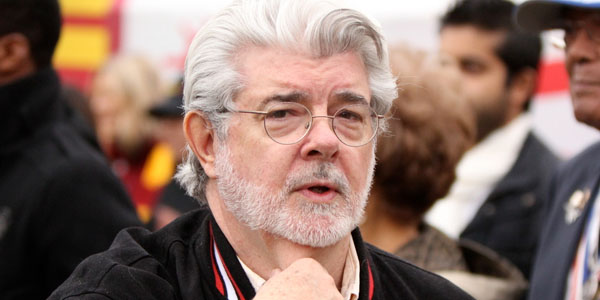
Despite the fact that Lucas is quick to defend his changes to Star Wars as the fundamental rights of the creator, his scrabbling, perpetual post-release editing felt a lot like the never-content tinkering of an artist who doesn't quite have the skills to match his imagination. What Lucas never seemed to acknowledge - particularly when it came to the prequel trilogy - is that he actually needed the help of other film-makers, because he wasn't able to remove himself from his attachment to the original idea. That's why the films that he didn't direct are the best of the Star Wars franchise, and perhaps why the closest thing anyone has ever got to an admission of guilt for the comparative failure of the prequel trilogy was a simple, whispered bit of advice to Simon Pegg, as quoted in his book, Nerd Do Well:
"Just don't suddenly find yourself making the same film you made thirty years ago."

7. That He Wilfully Tried To Squeeze Every Cent Out Of His Property
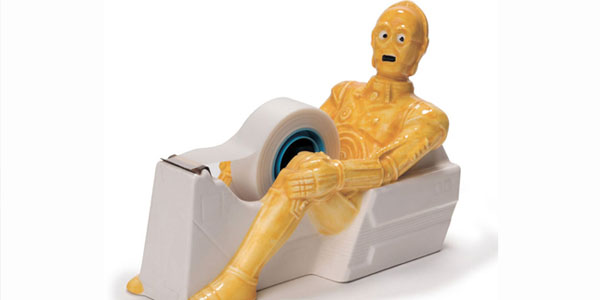
No matter what the intention behind Lucas' rampant licensing of the Star Wars trademark - he always said that he attempted to take advantage of the saleability of the property in order to protect his business model and ensure that he always had the creative freedom to do anything he wanted with the property - the sheer level was always distasteful. For every action figure and collectible, Lucas seemed all too willing to allow his characters to feature on less than worthwhile products, and every sub-par release and every questionable commercial decision added a more sinister, distasteful edge to Lucas' assertion that he was simply " trying to cement my world as hard as I can before it all falls apart." What makes the definition of that statement is what Lucas said on Disney's purchase of LucasFilm:
"I've always believed that Star Wars could live beyond me, and I thought it was important to set up the transition during my lifetime."
So was Lucas fire-selling merchandise because he never knew it would all end, or was he full of faith that that simply wouldn't happen? And if it's a case of the latter, what then was the real reason he so voraciously went after the merchandising dollar?

6. His "First Drafts"
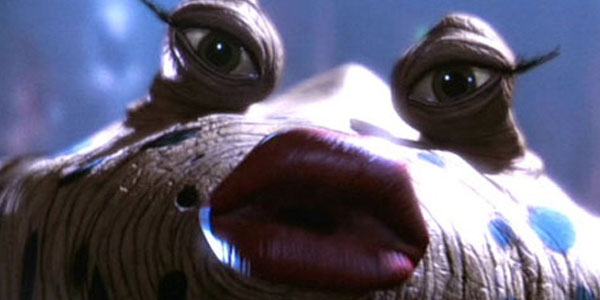
The greatest fallacy in fandom is that affection for and commitment to a property implicitly means the same as ownership. Star Wars fans have long thought that it is they who should be the creative controllers of the Star Wars universe, because they know exactly what they want from the property, and should thus be able to shape how it evolves. Lucas has clearly never believed that: most creative decisions he made after the release of Return Of The Jedi have annoyed Star Wars fans in one way or another, and he has shown neither remorse nor an admission of the fan's perceptions of inferiority. That's because the film-maker firmly believes that he has done no wrong, and that the films that existed before the edits were made should not still exist to fans now. He has worked on a fluid product, with each subsequent edit being a new and not an alternate version, and as such, it is the will of the creator that we all forget everything that came before his changes. Which is why we're never going to get a proper home release of the films as they originally appeared.

5. The Entire Expanded Universe

star wars expanded universe When Disney announced that they were basically choosing to ignore the entirety of the Expanded Universe as non-canonical, they followed firmly in the footsteps of their predecessor, who was always committed to his manifesto that he never wanted his vision to be "muddied." Lucas always made it plainly clear that he had no real commitment to the EU; he was the creator, and the films were his, and as such he set those films and The Clone Wars series as the canon. As the official statement on the EU stated: "these stories are the immovable objects of Star Wars history, the characters and events to which all other tales must align." It is no real surprise that Lucas didn't endorse the work of others expanding on his original central idea, considering the potential for some of that material to surpass his own, but it seems rather arrogant for that whole library of material to be deemed expendable.

4. The Holiday Special
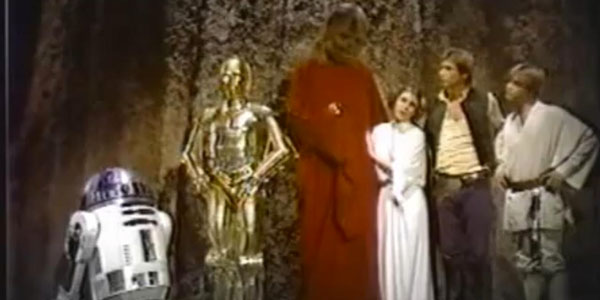
According to Lucas himself: "If I had the time and a sledgehammer, I would track down every copy of that show and smash it." That should be endorsement enough that the film-maker regrets the decision to allow the special to exist. He admitted that the special did not represent his vision for Star Wars, which is probably why the messy affair - whose only redeeming point was the animated Boba Fett sequence - has pretty much been swept under the carpet by everyone attached to LucasFilm. The poor quality of that special also probably goes some way to explaining why Lucas chose not to trust anyone else with his property when it came to making the prequel trilogy:
"The special from 1978 really didn't have much to do with us, you know. I can't remember what network it was on, but it was a thing that they did. We kind of let them do it. It was done by... I can't even remember who the group was, but they were variety TV guys. We let them use the characters and stuff and that probably wasn't the smartest thing to do, but you learn from those experiences."

3. He Tried To Kill Off Darth Vader
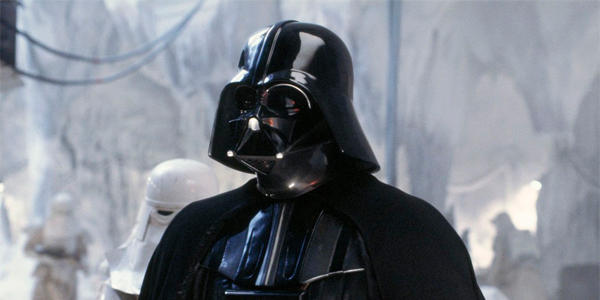
For all of the poor decisions that George Lucas made, the one that would have been the very worst came even before the films had made it past the writing stage, and even before the iconic title was settled on. In the 1975 second draft of the space opera, Darth Vader was introduced in his first recognisable design (he was in the first draft, but was similar only in name). He was recognisably evil, and it was plainly obvious that the dark-robed scourge of the Galaxy already existed in what would later become his famous form, but he wasn't ever supposed to last. Lucas originally intended Vader to die in the climactic sequence of the film, which would have robbed the film franchise of its most enduring selling point, and cinema history of one its most powerful villains of all time.

2. Jar Jar Binks

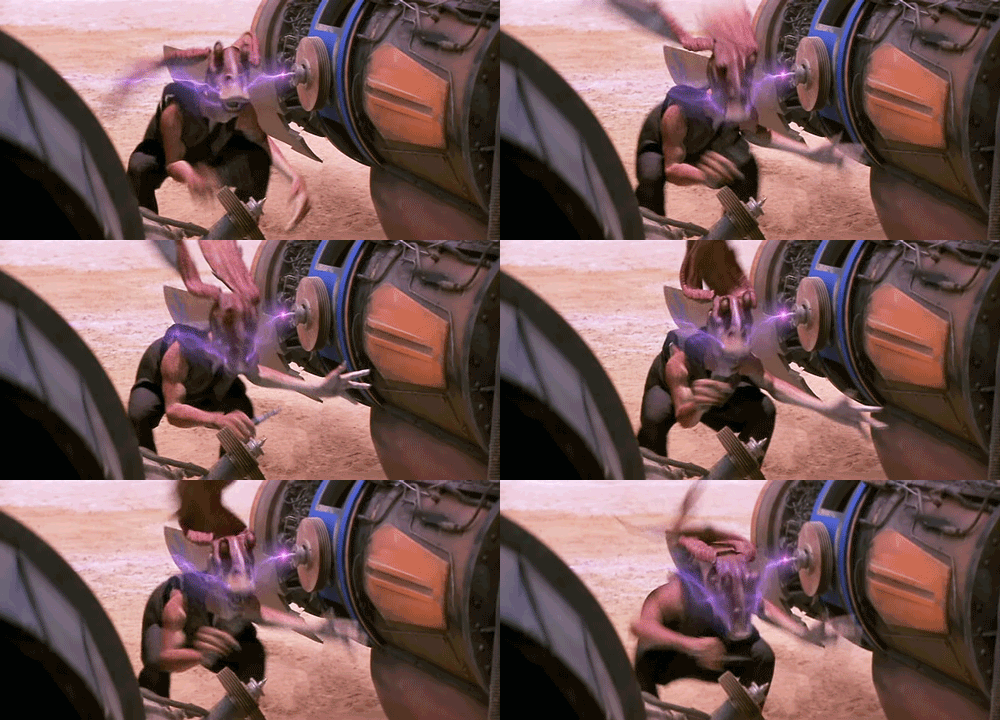
Any criticism of Jar Jar Binks to George Lucas would no doubt be met with the same company line defence that he trotted out at the time of Episode I's release: that Star Wars is for kids, and that Binks was brought in as a conscious effort to be childlike. Even when Rob Coleman, the head of the Industrial Light & Magic animation team, warned Lucas that the team thought the character was poor, he was told that Jar Jar was brought in to appeal to children aged twelve and under. And you can't really argue with someone who says their own creation has been interpreted wrong forever, but that doesn't mean that Lucas didn't subtly accept that Binks might have been a misstep. After playing too much of a part in the first film, his appearance in the second is trimmed down considerably (as are his comical "antics") and then in the third, he is mostly cut entirely. Lucas might have some affection for Binks, but his creative choices indicate that he actively chose to write him out of the franchise gradually in a way that contradicted the original expressed intent of the character.

1. Han Shot First

The single most controversial moment in the history of Star Wars will forever be held up as the perfect example of the disconnect between George Lucas as the creator and Star Wars fans. That is precisely why those three words have become as big a phenomenon as Star Wars itself for some of the more disgruntled fans, who saw the ret-con of the Greedo situation as a betrayal of the character. Solo was originally presented as a complex anti-hero; the kind of gunslinging loner who would run smuggling missions for a galactic gangster and who would take out an enemy sent to bring him to inevitably fatal justice. When he shot Greedo, it established who and what the character was, a crafty, ingenious cad who would be useful to know, but the reversal of the shooting took away all of that impact. Lucas wanted Solo to be more immediately heroic, but in changing the set-up, he also rubbed away one of the most intriguing parts of Solo's development, and sadly, since he's never likely to admit his mistake, we all have to forget that Han had that in his character.

What else did George Lucas want us all to forget about Star Wars? Share your own picks below in the comments thread.


Contributor
Contributor

WhatCulture's former COO, veteran writer and editor.