15 Heart-Achingly Beautiful Movie Scores

Orchestral movements that bring tears to your eyes.
Since there have been films, there have been film scores. Even at in the very beginning, pianists had to improvise music on the spot for silent films when otherwise there would just be the shuffling of the audience. Now film composing has become an art form, with iconic cinematic melodies cementing themselves as an important part of pop culture. Scores are in a genre of their own. They can be said to be somewhere between classical music with their optional orchestras, and pop music with their accessibility. A lot is at stake for a good film score, they can be so subtle that it€™s a tedious drone or they can be so overbearing that the film suffers from it entirely. Some scores don€™t even need the film beside them to work as many people listen to them separately. Therapeutic scores help us relax and exciting scores pump us up. But the most special and personal scores make our hearts ache. They evoke powerful emotion from us, bringing us immediately to tears if they hit the right notes at the right time. Those moments sum up why we love the movies and their scores. From John Williams to Hans Zimmer, James Horner to Ennio Morricone, Howard Shore to Thomas Newman. Here€™s a list of fifteen of the most heart-aching and unforgettable scores in recent film history.

15. Gladiator

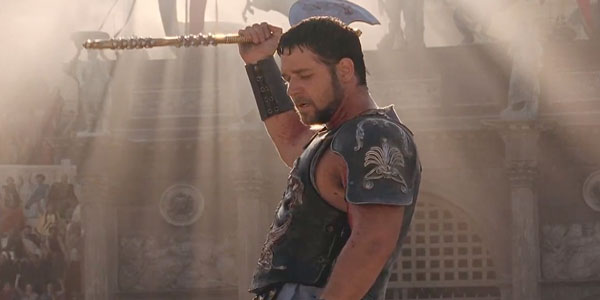
Ridley Scott€™s swords-and-sandals epic revived a dead genre and went on to win 5 Oscars, including Best Picture and Best Actor for Russell Crowe. Composer Hans Zimmer€™s breath-taking score takes its scale to another level. It€™s music with an atmosphere of raw intensity to go hand in hand with Crowe€™s performance. It€™s very dramatic, and although sometimes it bubbles under the surface with Zimmer€™s signature metallic hum, it can rise with a force similar to the work of classic composer Robert Wagner. However, it€™s at its most beautiful when co-composer Lisa Gerrard€™s angelic backing vocals echo over the tracks. It€™s chill inducing and feels timeless. They have an ethereal effect, one quite metaphysical, intriguing us further into Gladiator€™s theme of the afterlife. Not only did Gladiator begin a trend of the ancient period movies that followed, but also Zimmer€™s score set their tone. https://www.youtube.com/watch?v=xbHPTPUpQ1I

14. Amelie

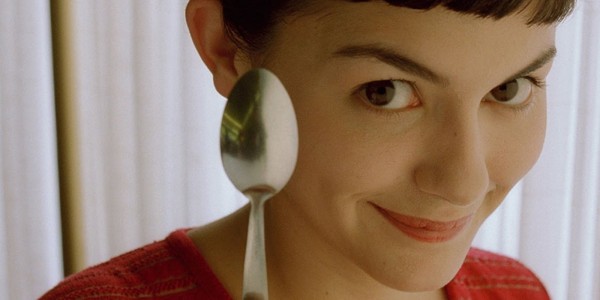
One of the most popular European films of the past 15 years, Amelie charmed the world with its refreshing quirky story of love in Paris. It depicts France in lush animated colour and Yann Tiersen is a huge part of that world building. The score is playful and bouncy, matching the inquisitive and romantic nature of the film€™s protagonist. It€™s even quite vivacious when the music is melancholic. It feels very theatrical, with fluttering accordions and delicate tinkles, having a flowery romantic street-life effect, but still feeling like the idyllic perspective of Amelie. It€™s sickly sweet, but thoroughly endearing. The music was actually composed before the film but director Jean-Pierre Jeunet loved them so much he had to buy the rights. Tiersen later composed more themes. https://www.youtube.com/watch?v=bWA8zOem0NE

13. Braveheart

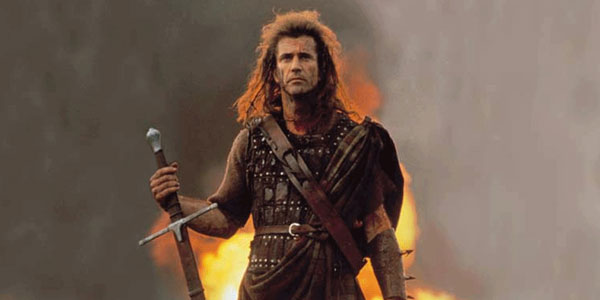
Mel Gibson€™s Best Picture winning Braveheart may get bashed around these days for its shameless historical inaccuracies, but there€™s no doubt that it remains a cinematic treat for the eyes and ears with a score composed by James Horner. It€™s a typical Hollywood score at its core with its impressive and ostentatious orchestra. But what sets it apart is a somber mood with gentle horns as the score is tinged with the inevitability of defeat. Yet with the drums calling to arms, it remains triumphant in the face of battle. The score is like a character itself. It€™s thoroughly patriotic, featuring lovely Scottish bagpipe melodies. Despite also being nominated for Apollo 13 of that year, James Horner lost the Oscar to €™95 underdog Il Postino, but he capped off his 90s like a king with two crowns for Titanic. https://www.youtube.com/watch?v=JYMySrHL0Fo

12. Jurassic Park

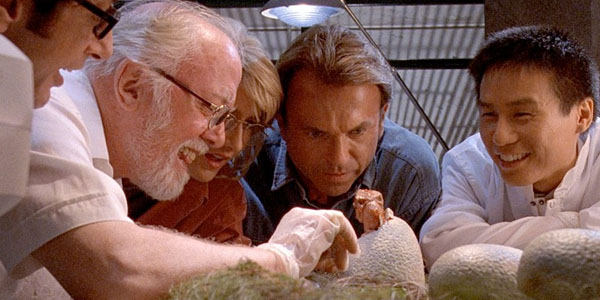
John Williams could claim every spot in this list. His work with Steven Spielberg alone would fill it up. But instead of the heart-breaking sorrowing violins of Schindler€™s List, his work on Jurassic Park aches our hearts in a different way. With Williams€™ large orchestra, it€™s one of his most active scores with several instruments playing quick melodies at once under and over each other constantly. It results in something overwhelming, but still tender and soft, reaching for the heights of childhood wonder, awe and fascination over the dinosaurs and the park. It€™s a majestic score that€™s the definition of blockbuster. He won the Oscar for Schindler€™s List in that year and was snubbed for Jurassic Park. It€™s not like he needs the encouragement from them anyway. https://www.youtube.com/watch?v=D8zlUUrFK-M

11. Fantastic Mr. Fox

Alexandre Desplat has been the latest hot new thing in the world of film composing, often writing the music for around half a dozen major movies a year. Cult director Wes Anderson was quick to snatch him up for his last handful of movies, replacing his usual cues of a sourced soundtrack. This eccentric Roald Dahl adaptation calls for something unusual. Anderson already has it covered with a stop motion style and Desplat completes the package with a deliberately limited and childlike score. With twinkling flutes, eccentric tubas, plucking strings, booming drums and odd boings it induces the naïve spirit of adventure and ambition, accentuating the personality of its characters. Even though it€™s original, it feels like what Anderson would have sourced for it anyway. Desplat was nominated for his work and has been nearly every year since his first nomination in 2006. Hopefully he won€™t have to wait as long as Thomas Newman has so far for a statue. https://www.youtube.com/watch?v=EnwmUgXN9oc

10. The Fountain

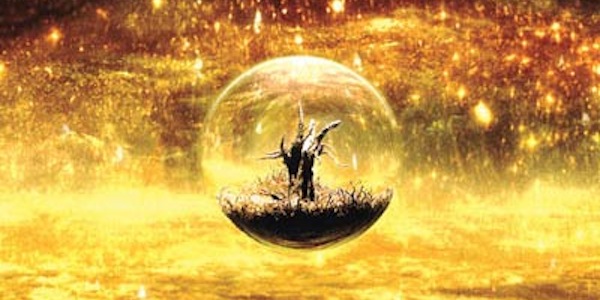
Clint Mansell is a huge cog that makes the films of Darren Aronofsky work. He€™s composed for every one of his films, fitting his abrasive signature style to all the different moods. The supernatural vistas of The Fountain are at least their most melancholic collaboration yet. To create the organic mood in order to make the sci-fi elements feel intimate and human, Mansell looked to influences from contemporary Post-Rock, seeking the help from the band Mogwai. It€™s a very melancholic and sometimes slow score, but it€™s vast in its use of space and reverb, often lead by weighty pianos or aggressive strings. All this helps to blend together the film€™s settings of ancient past, the present and the fantastical future in space. The Fountain earned Mansell a Golden Globe nomination, which has been his only major nomination of his career so far. At least his theme to Requiem for a Dream has been plastered everywhere else. https://www.youtube.com/watch?v=-DCQydT0Ixs

9. Toy Story

The moment Randy Newman starts singing we€™re all sent straight back to memories of childhood. Not only did he write and sing on the iconic songs on the soundtrack, he also composed the rest of the heart meltingly nostalgic music for this Pixar classic. The score is sun tinged with the film€™s adventurous nature. It frequently uses tinkling jingles, a whimsical tuba and tender high strings to create a welcoming atmosphere. It also has a prominent usage of €˜Mickey Mousing€™, which is a phrase used (not necessarily limited to animation) for when music matches a character€™s actions and reactions. Newman€™s score and wonderful song €œYou€™ve Got a Friend In Me€ were nominated for Oscars but lost. He finally won best song for the heart-breaking €œWhen She Loved Me€ in Toy Story 2. https://www.youtube.com/watch?v=IVy5GJE0ZUk

8. Cinema Paradiso

Ennio Morricone may be most famous for his gritty work on Sergio Leone€™s Westerns, but never has he written something as strikingly beautiful as his work on the painfully nostalgic Cinema Paradiso, which won the Best Foreign Language Film Oscar in 1989. It€™s at least his most romantic work. It seems that its only concern is sentiment, yet it€™s refreshing enough to not feel contrived. The horns, strings and piano always work together, swelling and fluttering in and out. Every note is emotive and charming. Its best moment is at the famous tear-jerking end during a montage of forbidden kisses. The passion here is utterly cathartic. The score was a collaboration with his son, Andrea, and unfortunately they were both snubbed for the Oscar. Morricone never won competitively but he did snag an honorary statue in 2007. https://www.youtube.com/watch?v=2Bb37-VKl4Y

7. The Lord Of The Rings

Howard Shore€™s complete score for The Lord of the Rings trilogy is 10 minutes shy of 10 hours. You should know by now that everything about Jackson€™s opus is grandiose. Shore even wrote over 90 motifs for individual characters, certain props, locations and Middle-Earth cultures. Although much of the score reflects the ominous danger that€™s around every corner, its most heart-aching moments feature the motif for the Shire. That comfort of home wraps you up warm with its pastoral tin whistles, fiddles and violins, and the contrast with the menace of the rest of the score makes you miss it even more. It feels as though every significant note has a backing track while the orchestra lifts them to a larger-than-life stature. Shore won the Oscar for his work on The Fellowship of the Ring and The Return of the King, though for some reason he wasn€™t nominated for The Two Towers because nevermind consistency. https://www.youtube.com/watch?v=dYhRGV8-kMw

6. Paris, Texas

Blues guitarist Ry Cooder provided the score for Wim Wender€™s 1984 classic Paris, Texas, but it heavily derived from Blind Willie Johnson€™s 1927 record €œDark Was The Night, Cold Was The Ground.€ Nevertheless, it€™s a gorgeous score that adds a lot to the film€™s rich atmosphere. The film opens in the vast deserts of Texas, eventually swooping onto a lone figure, played by Harry Dean Stanton. Cooder€™s slide guitar amplifies the stark cinematography and sense of isolation but it also gives a zen-like peace to it, rather than melancholy. It€™s quite experimental, feeling spontaneous and improvised with an ambience in the background. But otherwise it€™s a pretty and slow score, settling you into the comfortable pace of the film and protagonist€™s heart. It was nominated for a BAFTA award where it also won Best Direction for Wenders but it€™s biggest and most prestigious prize was its clean sweep at the Cannes Film Festival. https://www.youtube.com/watch?v=JD5BhhF7yiQ

5. American Beauty

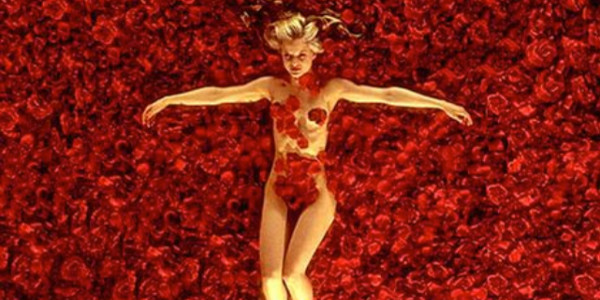
Even though Thomas Newman€™s score on the Best Picture winning classic American Beauty has been used to death in trailers, adverts and entertainment shows, the music still retains its power. That€™s a testament to arguably Newman€™s finest work. It€™s a generally up-tempo score, even in its most somber moments where it features a breezy piano-led melody, leaving the looming weight on the strings in the background instead. It feels secretive, conjuring the theme of the film of the darkness beneath the idyllic surface of suburban life. The music is always quite sensual though, no matter the mood. Though the score starts soft, it grows more erratic throughout the film, matching the mischief of protagonist Lester Burnham. But his tragic demise set from the start always lingers over the film making every note bittersweet. https://www.youtube.com/watch?v=SqUwDI_bV-U

4. Brokeback Mountain

Brokeback Mountain has been one of the most controversial and beloved films of the past 10 years, but there€™s no doubt it€™ll work its way into being labeled a classic in the future, Best Picture statue or no. Gustavo Santaolalla€™s score is a huge part of its stunning beauty. The score focuses primarily on a single country-infused guitar that leads with sparse, heavy and poignant melodies. It evokes the landscape of the mountains and matches the isolation that the characters feel, but it finds comfort with the soft string companion underneath. Although the guitar is usually quiet, the violent strumming accompanying Heath Ledger€™s tears in the heartrending end make them contagious. Santaolalla won an Oscar for his work on Brokeback Mountain and then again the next year for Babel, which used samples from his previous work as well. Reckon he got his reward. https://www.youtube.com/watch?v=0qzMsJ-tmJY

3. Big Fish

Like with Williams and Spielberg, the best of Danny Elfman and Tim Burton have the potential to fill out this list. Their collaborations have brought the best out of each other and Big Fish may be perhaps the least eccentric choice, but it€™s the most provocative. There€™s a nostalgic mood in the score that constantly harkens back to the past. It could be due to the Southern influences that give it that down-home feeling with its use of fiddles and banjos. They often give an optimistic and playful flavour to the score, reflecting the courageous spirit of Ed Bloom. However, the best moments are when the score is warm, tinkling, delicate and angelic with an overwhelming cinematic hum while the strings sway deeply. Elfman was nominated for this score, but he lost to Howard Shore for The Lord of the Rings. It remains his only nomination for a Burton film. https://www.youtube.com/watch?v=Lzt6awPCzQY

2. Up

Your heart is aching already upon mention of those two letters. Up€™s famous/infamous opening, almost a short film on its own, entitled €˜Married Life€™ always tops lists on most tear-jerking scenes. While the content is incredibly sad, it€™s the music that brings out the tears. The score is gentle, expectedly breezy for a film of this subject. It ebbs and flows with the emotion, featuring simple piano and string lead melodies. The title sequence has a cool jazz influence, but mostly it has a waltz-inspired style, though when they visit the jungle it introduces tribal rhythms. It€™s all as if it comes from the 30s, mirroring the period from which the film€™s grumpy protagonist hails from. With its old time feel, it€™s quite like an ode to classic Disney. Composer Michael Giacchino, who also wrote the score for Lost and Ratatouille, won an Oscar for his work here. https://www.youtube.com/watch?v=2PD7qi8VK_o

1. The Assassination Of Jesse James By The Coward Robert Ford

The Assassination of Jesse James by the Coward Robert Ford is a sorrowing yet elegant story about celebrity worship, myths, and outlaws. It€™s also notable for containing some of Roger Deakins€™ best cinematography of his career. The score is usually sparse but incredibly rich, usually focusing on an instrument in a minor key at a time. It€™s most heart aching in the titular scene where Robert slays Jesse, featuring a simple but weighty piano melody over tender swirling strings as he hesitates, rises and then kills him. It€™s unexpectedly slow paced, but full of the crushing inevitability and tragedy that this fate bestows. Composed by rock legend Nick Cave and his writing partner Warren Ellis, their beautiful work for the film was criminally snubbed for an Oscar because they don€™t nominate more than one score per person. They have since changed the rule. https://www.youtube.com/watch?v=UFTd1DrkOMI What other scores that make your heart ache have we missed? Please post in the comments.

Contributor
Contributor

Recently graduated from University of Hertfordshire with a Film & Television Production degree. Usually found watching films, listening to music, writing for whatculture and writing reviews for awardscircuit.com and my blog.